Have you ever wondered why emergency food supplies rarely include something as basic as toilet paper? It might seem strange at first.
After all, toilet paper is a daily essential for most of us. But when it comes to preparing for emergencies, there are important reasons behind this choice. If you’re planning your own emergency kit or just curious about what really matters in a crisis, understanding this can save you time, space, and frustration.
Keep reading to discover the surprising truth about why toilet paper often gets left out—and what you should do instead.
Common Items In Emergency Food Supplies
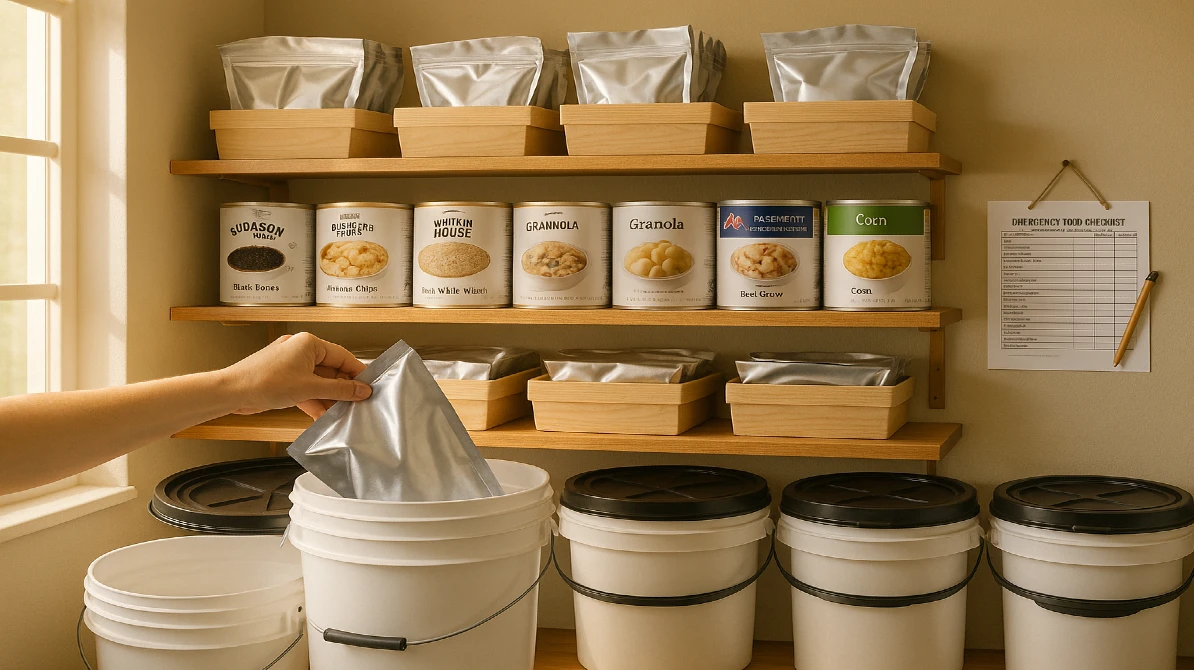
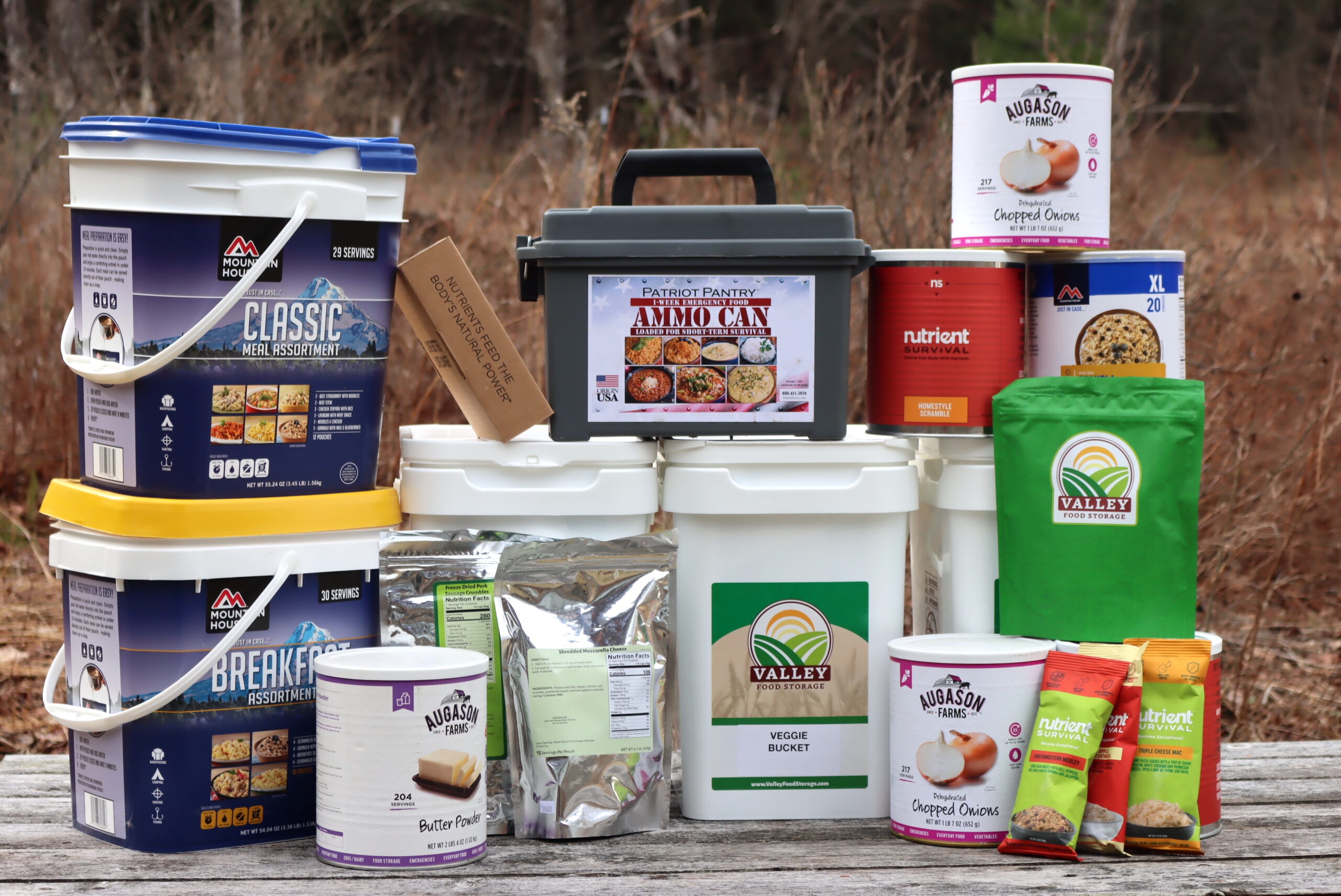
Emergency food supplies focus mainly on nutrition and survival basics. These kits prepare you for food and water needs during crises. Other necessities support your health and safety but might not cover every comfort item.
Understanding common items in these supplies helps explain why toilet paper is often missing. Supplies aim to balance space, weight, and essential needs. Here’s what they typically include.
Essential Food And Water
- Packaged meals with long shelf life
- High-calorie energy bars and snacks
- Bottled or purified water for hydration
- Water purification tablets or filters
- Ready-to-eat canned or freeze-dried foods
Survival Tools And Equipment
- Multi-tools or knives for various tasks
- Portable stoves or fire starters
- Flashlights and extra batteries
- Emergency blankets to retain body heat
- Basic first aid kits for injuries
Hygiene Products Usually Included
- Antibacterial wipes and hand sanitizers
- Soap bars or small liquid soap
- Sanitary pads or tampons for women
- Toothbrushes and toothpaste samples
- Trash bags for waste management

Credit: parade.com
Role Of Toilet Paper In Emergencies
Toilet paper plays a vital role in maintaining hygiene during emergencies. Cleanliness and sanitation become challenging in crisis situations. Many emergency food supplies skip toilet paper due to storage limits and prioritizing food and water. Yet, understanding its role helps prepare better.
Importance Of Sanitation
Sanitation prevents disease outbreaks during emergencies. Proper waste disposal and personal hygiene reduce infections. Toilet paper helps keep skin clean and avoids contamination. Lack of sanitation can cause serious health problems fast. Clean hands and body improve comfort and safety. Maintaining hygiene supports overall well-being in tough times.
Alternatives To Toilet Paper
Emergency kits often exclude toilet paper for space reasons. People can use alternatives that work well and are easy to find. Some options include:
- Wet wipes or baby wipes
- Reusable cloths that can be washed
- Natural materials like leaves or smooth stones
- Water and soap for cleansing
Choosing the right alternative depends on availability and hygiene needs. Always ensure alternatives are safe and clean to avoid illness.
Reasons Toilet Paper Is Often Excluded
Toilet paper is a household essential, yet it rarely appears in emergency food supplies. Understanding why it’s often left out can help you better prepare your own emergency kit. The reasons go beyond just forgetting—it’s about making tough choices on what fits and what’s truly necessary.
Storage And Space Limitations
Emergency food supplies prioritize compact, high-calorie items to maximize space. Toilet paper, while bulky, doesn’t provide nutritional value, so it often gets pushed aside. You might have only a small storage area, and every inch counts when packing for an emergency.
Think about your own storage. Would you rather use precious space for an extra can of beans or a bulky roll of toilet paper? This practical limitation forces many to exclude toilet paper from their emergency kits.
Shelf Life And Durability Concerns
Toilet paper is not designed for long-term storage in challenging conditions. It can easily absorb moisture, get damaged, or become unusable over time. This fragility makes it a poor candidate for emergency stockpiles meant to last months or years.
When you pack your supplies, durability matters. Foods sealed in cans or vacuum packs stay fresh and edible far longer than toilet paper rolls that may deteriorate. Would you want your emergency supplies to fail because of a soggy roll?
Prioritizing Nutritional Needs
Emergency kits focus on sustaining life through nutrition. Calories, vitamins, and minerals take priority over comfort items. Toilet paper, while important for hygiene, does not contribute to survival in a direct way.
Ask yourself: in a real crisis, what matters most to keep you alive and healthy? Most people prioritize food and clean water first. Toilet paper often ends up as a secondary concern, handled separately from the core food supply.

Credit: www.amazon.ca
Logistical Challenges With Toilet Paper
Storing toilet paper in emergency food supplies creates many logistical problems. Its size, weight, and fragility make it hard to include in standard emergency kits. These challenges impact packaging and transportation options, affecting overall efficiency.
Packaging And Weight Issues
Toilet paper takes up a lot of space compared to its weight. Its bulky nature makes packing difficult. Emergency kits prioritize compact and lightweight items. Adding toilet paper reduces room for essential food and water.
The soft texture needs extra protective packaging. This adds to the overall bulk and cost. Packaging must keep the paper dry and intact. Simple plastic wrapping often is not enough to protect it.
Risk Of Damage During Transport
Toilet paper is very fragile and tears easily. Rough handling or pressure during transport can ruin it. Moisture or dirt exposure causes it to become unusable. Emergency supplies often face harsh conditions on the move.
Transport vehicles may not have climate control. Fluctuating temperatures and humidity affect paper quality. Damaged toilet paper means wasted space and resources in the kit. This risk discourages including it in emergency food supplies.
Psychological And Practical Considerations
Psychological and practical considerations play a crucial role in deciding what to include in emergency food supplies. While essentials like water and non-perishable food top the list, items like toilet paper often get left out. This choice is influenced not only by space and weight limits but also by how people think and behave during emergencies.
Managing Expectations In Emergencies
Emergencies test your ability to adapt quickly. Stocking only food and water sets clear priorities and helps you focus on survival basics. You might wonder, “Isn’t toilet paper essential?” The truth is, expecting to have everything you use daily can create frustration and disappointment.
Consider how you would handle limited resources. Would you rather carry bulky items or keep your load manageable for easier mobility? Managing expectations means accepting that some comforts, like toilet paper, might need to be sacrificed or replaced with alternatives.
Encouraging Resourcefulness
Leaving out toilet paper encourages you to think creatively and find other solutions. You can use items like tissues, cloth wipes, or even natural materials depending on your environment. This flexibility reduces dependence on specific supplies that may be heavy or take up valuable space.
I once had to improvise with damp cloths during a power outage. It was uncomfortable at first but taught me how to stay clean without relying on store-bought products. How could you prepare now to be more resourceful in an unexpected situation?
By focusing on essentials and fostering adaptability, you prepare yourself both mentally and practically for emergencies. This approach helps you stay calm, efficient, and ready for whatever comes your way.
Credit: practicalselfreliance.com
Tips For Including Toilet Paper In Your Emergency Kit
Including toilet paper in your emergency kit is essential for hygiene and comfort. It helps maintain cleanliness during tough situations. Planning the right type and amount ensures it fits well in your kit. Proper storage keeps it dry and usable when needed. Balancing space with other supplies is key to a practical emergency kit.
Choosing Compact And Durable Options
Pick toilet paper that is small and strong. Compact rolls save space and last longer. Look for options that resist tearing easily. Consider travel-size packs or compressed toilet paper sheets. These types fit well in limited spaces. Durable paper avoids waste and keeps you clean.
Storing Toilet Paper Safely
Store toilet paper in waterproof bags or containers. Protect it from moisture, dirt, and pests. Use resealable plastic bags or airtight boxes. Keep the storage area cool and dry. Label the containers for easy access. Safe storage ensures toilet paper stays fresh and usable.
Balancing Space With Necessities
Balance toilet paper with other important supplies. Avoid overpacking to keep the kit light. Use space-saving storage methods like vacuum bags. Prioritize essential items but don’t skip hygiene products. Calculate the amount based on the number of people and days. Smart packing keeps your kit efficient and useful.
Frequently Asked Questions
Why Isn’t Toilet Paper In Emergency Food Kits?
Emergency food kits prioritize essentials like non-perishable foods and water. Toilet paper, while useful, is not life-sustaining. These kits are designed to support survival in critical situations. Space and weight constraints also play a role in excluding non-essential items like toilet paper from these kits.
Can I Add Toilet Paper To My Emergency Kit?
Yes, you can add toilet paper to your emergency kit. It’s a personal choice based on your needs. However, ensure it doesn’t compromise space for essential items. Consider compact or biodegradable options to save space and maintain hygiene.
How Do I Manage Hygiene Without Toilet Paper?
In emergencies, you can use alternatives like wet wipes or cloths for hygiene. Always ensure they’re clean and biodegradable. You can also use water for cleaning, which is effective and eco-friendly. Prioritize maintaining hygiene to prevent health issues during emergencies.
Is Toilet Paper Essential For Emergencies?
Toilet paper is not deemed essential for survival in emergencies. However, it contributes to comfort and hygiene. Focus on food, water, and first-aid supplies first. Evaluate your space and needs when deciding to include it in your kit.
Conclusion
Emergency food supplies focus on lasting and nutritious items. Toilet paper is bulky and spoils the space for food. It also does not last as long as canned or dried food. People usually keep toilet paper separately for hygiene reasons.
Planning emergency kits means prioritizing essentials that stay fresh. Always think about what you truly need first. This way, you stay prepared without wasting space. Remember, food and water always come before comfort items. Keep your emergency supplies smart and simple.