Have you ever wondered how long you could survive without water? It’s a question that might seem simple but holds a powerful impact on your understanding of your body and survival.
Water is essential for every function inside you, yet most people don’t realize just how quickly its absence can affect you. Keep reading, because knowing the truth about your limits without water could one day make all the difference. Your body’s survival clock is ticking—do you know how long it really lasts?
Importance Of Water For Survival
Water is essential for human survival. Without it, the body cannot function properly. It keeps all systems working and supports life in many ways. Understanding the importance of water helps us appreciate why staying hydrated matters so much.
Role Of Water In The Human Body
Water makes up about 60% of the human body. It helps transport nutrients and oxygen to cells. It also removes waste and toxins through urine and sweat. Water regulates body temperature and cushions joints. It supports digestion and keeps tissues healthy. Without enough water, the body starts to fail quickly.
Daily Water Requirements
The amount of water a person needs varies by age, size, and activity. On average, adults should drink about 8 cups (2 liters) daily. This includes water from food and other drinks. During exercise or hot weather, more water is needed. Staying hydrated helps maintain energy and focus throughout the day.

Credit: m.youtube.com
Effects Of Dehydration
Dehydration happens when the body loses more water than it takes in. Water is essential for every cell and organ to work properly. Without enough water, the body struggles to maintain normal functions. The effects of dehydration start mild but can quickly become dangerous. Understanding these effects helps recognize when to seek help.
Early Signs And Symptoms
Early dehydration signs are often subtle but clear. They include:
- Dry mouth and lips
- Feeling thirsty
- Dark yellow urine
- Fatigue or tiredness
- Dizziness or lightheadedness
- Headache
These symptoms warn the body is low on fluids. Acting fast can stop dehydration from getting worse.
Severe Dehydration Impact
Severe dehydration causes serious health problems. The body loses its ability to cool down. Blood pressure drops, leading to fainting or shock. Organs like the kidneys and brain can fail. Symptoms include:
- Rapid heartbeat
- Confusion or irritability
- Very dry skin and eyes
- Little or no urine
- Seizures
- Loss of consciousness
Severe dehydration needs immediate medical care. Without treatment, it can be life-threatening.
Factors Influencing Survival Time
Surviving without water depends on several key factors that affect how long your body can function under dehydration. These factors play a vital role in determining your endurance and resilience in such extreme situations. Understanding them can help you prepare better or make smarter decisions if you ever face a lack of water.
Environmental Conditions
Heat and humidity drastically increase how quickly your body loses water. If you’re in a hot desert, sweating depletes your fluids faster, cutting down survival time. On the other hand, cooler, shaded environments slow dehydration, giving you a longer window without water.
Think about how your body reacts on a hot summer day versus a cold winter night. Your surroundings directly impact your hydration needs and survival potential.
Physical Health And Activity
Your current health status plays a huge role. If you’re sick or have a fever, your body uses more water to regulate temperature and fight infection. Staying active also speeds up water loss through sweat and breathing, reducing how long you can last.
Imagine hiking under the sun versus resting quietly in the shade—your survival time without water will vary greatly. Listen to your body; less activity means less water needed.
Age And Body Composition
Age influences how well your body retains and uses water. Older adults often have a lower percentage of body water and a weaker thirst response, making them more vulnerable to dehydration. Young children also dehydrate faster because of their smaller body size and higher metabolic rates.
Body fat and muscle mass affect water storage, too. Muscle holds more water than fat, so people with more muscle can sometimes endure longer without drinking. How does your body composition affect your hydration strategy?
:max_bytes(150000):strip_icc()/GettyImages-519369740-9a073cefd29b43548985c9bedc0de18d.jpg)
Credit: www.verywellhealth.com
Maximum Survival Duration Without Water
Water is essential for life, and the human body cannot last long without it. Understanding the maximum survival duration without water reveals how quickly dehydration affects the body. This knowledge helps prepare for emergencies and highlights the importance of hydration.
Survival time varies based on many factors. Heat, activity level, and health impact how long someone can live without water. The body loses water through sweat, urine, and breathing, which speeds up dehydration. Without water, vital organs begin to fail, leading to death within days.
Scientific Studies And Cases
Scientific research shows that the average person can survive about three to seven days without water. Some studies report survival up to ten days under cool, resting conditions. Dehydration symptoms begin within a day or two, including dizziness and confusion.
Famous survival cases provide real-life examples. For instance, some stranded individuals survived up to a week without water, but only with minimal movement and in cool environments. Researchers use these cases to understand how the body reacts to extreme dehydration.
Variations In Survival Time
Survival time changes based on several key factors:
- Temperature: Hot climates cause faster water loss through sweat.
- Activity: Physical exertion increases dehydration risk.
- Age: Children and elderly have lower tolerance to dehydration.
- Health: Illnesses can reduce survival time without water.
- Access to shade: Protection from sun slows water loss.
These variations explain why no exact timeframe fits everyone. Staying hydrated is crucial to avoid reaching critical dehydration stages. The body begins shutting down organs within days without water, so quick action is essential in emergencies.
Survival Tips When Water Is Scarce
Facing a situation where water is scarce challenges your body and mind like nothing else. Your survival depends on how well you manage your resources and adapt quickly. Understanding how to conserve water and find alternative sources can make a significant difference in how long you last.
Conserving Body Water
Your body loses water constantly through sweat, urine, and even breathing. Minimizing these losses is crucial when you have little water available.
- Limit physical activity:Avoid unnecessary movement during the hottest parts of the day to reduce sweating.
- Stay cool and shaded:Find shelter to lower your body temperature and slow down dehydration.
- Control your breathing:Slow and steady breaths reduce moisture loss through your lungs.
- Reduce salt intake:Eating salty food makes you thirsty and increases water loss. Skip salty snacks if water is limited.
Have you ever noticed how easy it is to get thirsty after just a little sun exposure? That’s your body signaling for water—listen carefully.
Finding Alternative Water Sources
When clean water isn’t available, your survival depends on your ability to locate alternative sources. Not all water you find is safe to drink, so knowing how to identify and treat it is vital.
- Collect rainwater:Use any containers or plastic sheets to catch rain. Rainwater is generally safe if collected properly.
- Look for morning dew:Use a cloth to soak up dew from plants early in the morning and wring it into a container.
- Harvest water from plants:Some plants store water in their leaves or roots, like cactus. However, ensure you know which plants are safe to use.
- Dig for water:In dry riverbeds, digging a few feet down may reveal damp soil or water pockets.
Always remember to purify any water you find by boiling, filtering, or using purification tablets if possible. Would you trust unknown water without a simple safety check?
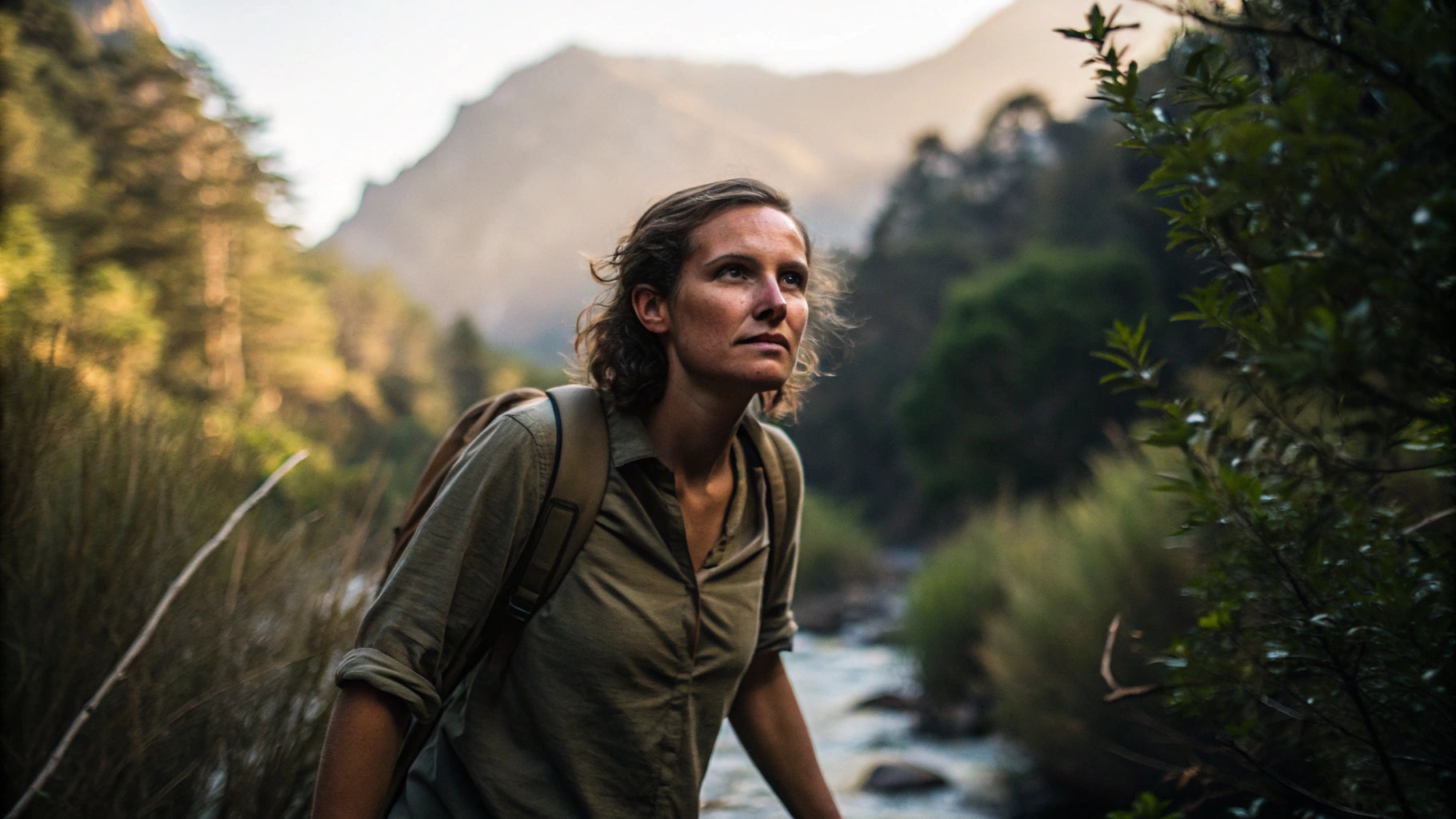
Credit: www.battlbox.com
Myths And Misconceptions
Many people hold strong beliefs about how long a person can survive without water. Some of these ideas have been passed down for years, while others come from movies or exaggerated stories. Understanding what’s true and what’s false can help you make better decisions in emergencies.
Common Survival Myths
One widespread myth is that humans can survive for weeks without water. This simply isn’t true. Most people can only last about three to five days without any fluids, depending on conditions like temperature and activity level.
Another common belief is that drinking alcohol or caffeinated drinks can keep you hydrated. In reality, these liquids can actually increase dehydration. Your body loses more water trying to process them.
Some also think that if you don’t have water, eating snow or ice will help keep you hydrated. While it might seem logical, eating snow can lower your body temperature and make dehydration worse. It’s better to melt snow first and drink it as water.
Fact-checking Popular Beliefs
Have you heard that thirst is a reliable way to gauge dehydration? It’s not always accurate. By the time you feel thirsty, your body is already starting to suffer from fluid loss. This means you need to drink water regularly, not just when you feel thirsty.
Another fact worth knowing is that survival times without water vary widely. Factors like your health, environment, and activity level play a huge role. For example, someone resting in a cool, shaded area might last longer than someone working hard under the hot sun.
So, what should you take away from this? Don’t rely on myths or guesswork about water survival. Always prioritize finding and drinking clean water regularly to stay safe and healthy.
Frequently Asked Questions
How Long Can A Human Last Without Water?
A human can typically survive about 3 to 5 days without water. However, this varies based on individual health, environment, and activity level. Dehydration can set in quickly, causing severe health issues. It’s crucial to stay hydrated for overall well-being and survival.
What Happens To The Body Without Water?
Without water, the body experiences dehydration, affecting vital functions. Initially, symptoms like thirst and dry mouth occur. As dehydration worsens, it can lead to dizziness, confusion, and even organ failure. Staying hydrated is essential for maintaining body functions and overall health.
Can You Survive Longer Without Food Or Water?
Humans can survive longer without food than without water. While you can go weeks without food, water is crucial. Dehydration can lead to severe health issues in just a few days. Water is essential for maintaining body temperature, digestion, and other vital processes.
What Are Early Signs Of Dehydration?
Early signs of dehydration include thirst, dry mouth, and dark urine. As it progresses, symptoms may include dizziness, headache, and fatigue. Severe dehydration can lead to confusion and rapid heartbeat. Recognizing these signs early helps prevent serious health complications.
Conclusion
Surviving without water is very hard and dangerous. Most people last only about three days. The body needs water to work well every day. Lack of water causes weakness and confusion fast. Drinking enough water helps keep you healthy and strong.
Always carry water if you go outside for long. Remember, water is life. Don’t wait until you feel very thirsty. Stay safe by drinking water regularly.