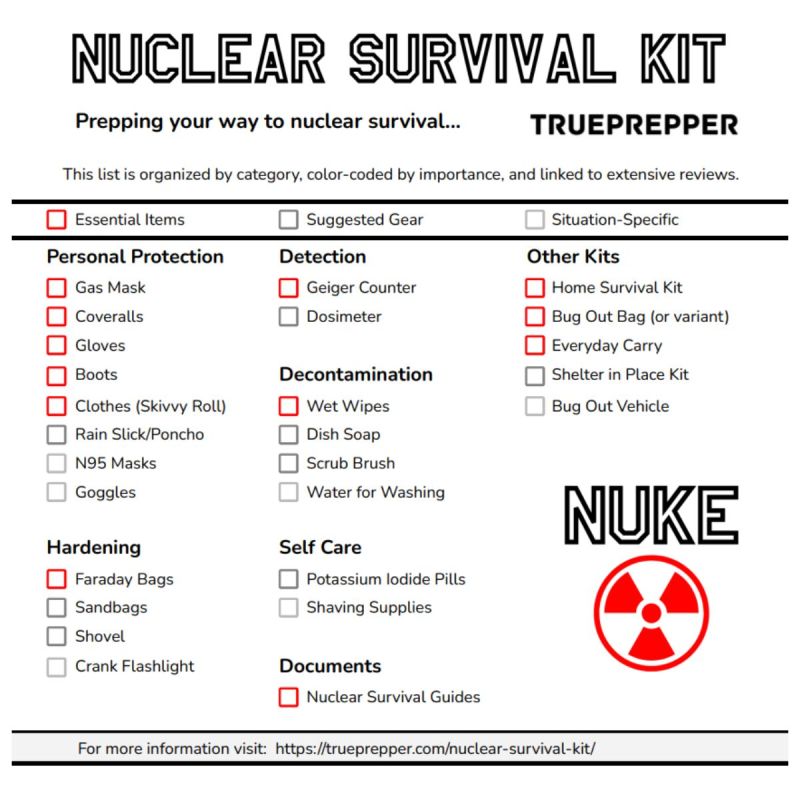
Imagine the ground shaking beneath your feet and everything around you suddenly feeling unstable. In such moments, having the right supplies can make all the difference between feeling helpless and staying safe.
You might wonder, what exactly should you put in an earthquake survival kit? This guide will help you prepare wisely, so when disaster strikes, you’ll know you’re ready to protect yourself and your loved ones. Keep reading to discover the essential items that can keep you safe, calm, and in control during an earthquake.
Basic Supplies
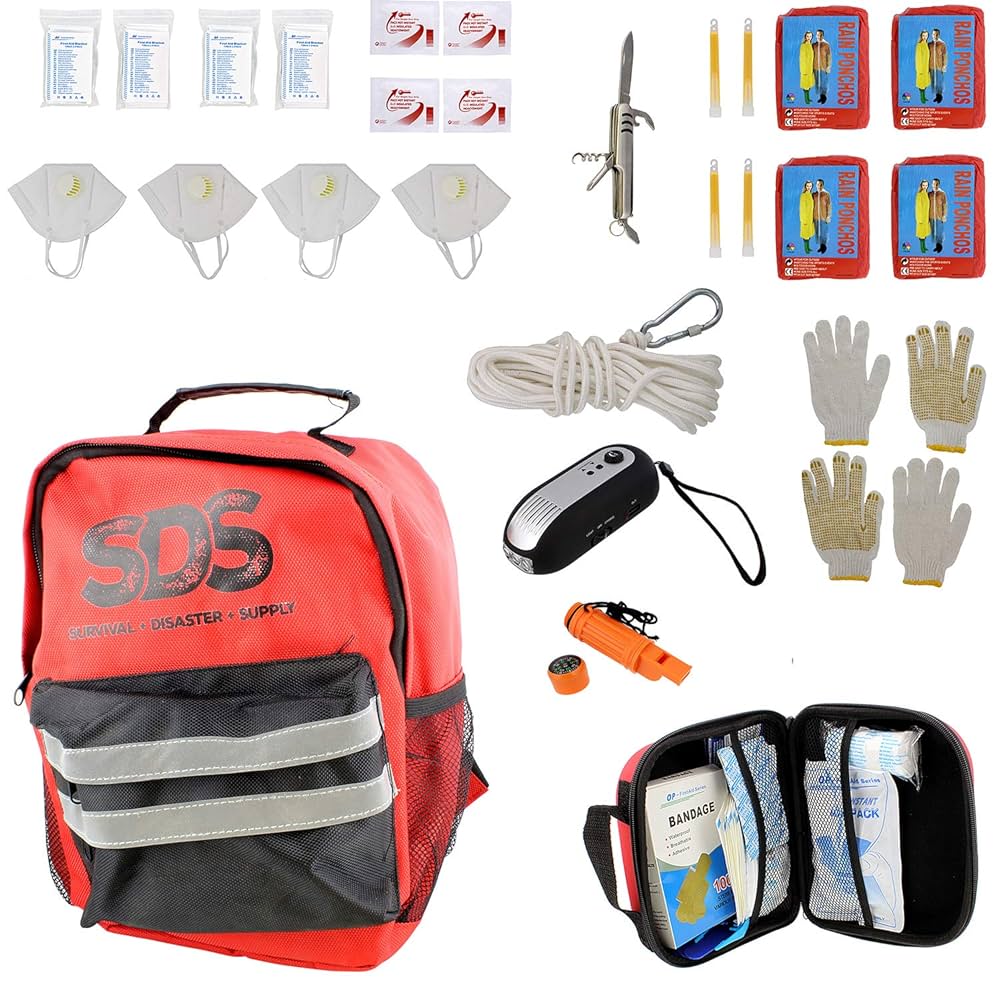
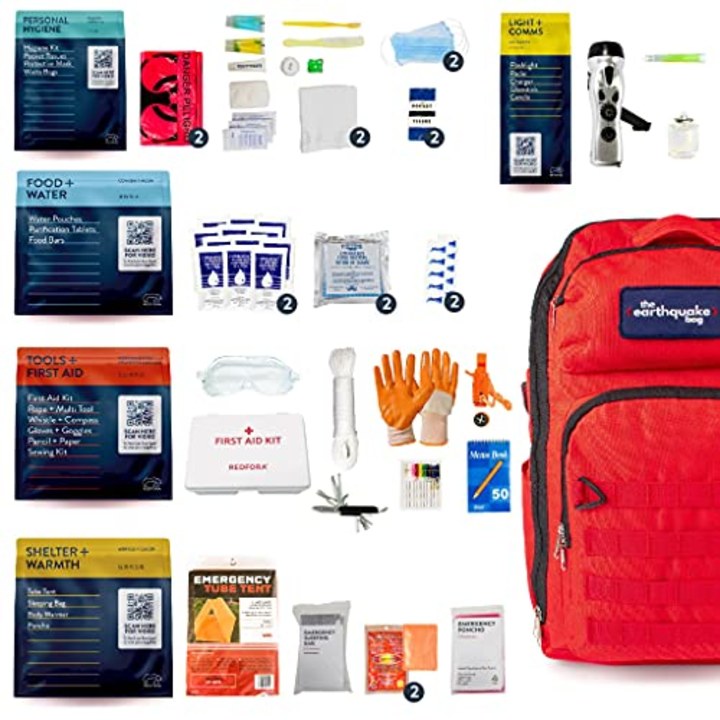
Basic supplies form the heart of any earthquake survival kit. These items support your immediate needs after a quake disrupts daily life. Focus on essentials that keep you safe, healthy, and able to sustain yourself for at least 72 hours. Prepare for water, food, health care, and sanitation. Each category plays a key role in your survival strategy.
Water And Hydration
Water is the most critical supply. Store at least one gallon per person per day. This covers drinking and basic hygiene. Use clean, sealed bottles or water containers. Include water purification tablets or a portable filter for emergencies. Staying hydrated prevents serious health problems fast.
Non-perishable Food
Choose food that lasts without refrigeration. Canned goods, dried fruits, nuts, and energy bars work well. Avoid items needing cooking or much water. Pack enough for several days. Check expiration dates regularly and replace old supplies. Proper nutrition helps maintain energy and strength.
First Aid Essentials
A well-stocked first aid kit is vital. Include bandages, antiseptic wipes, adhesive tape, and scissors. Add pain relievers, allergy medicine, and any personal prescriptions. Learn basic first aid skills to handle injuries. Quick care reduces infection risks and eases pain.
Sanitation Items
Hygiene prevents illness in crowded or dirty conditions. Pack moist towelettes, hand sanitizer, and toilet paper. Disposable gloves and plastic bags help manage waste safely. A small trowel or shovel can dig latrines if needed. Cleanliness supports health and comfort during tough times.

Credit: www.amazon.com
Tools And Equipment
Having the right tools and equipment in your earthquake survival kit can make a huge difference when every second counts. These items help you navigate through darkness, communicate your location, and handle basic tasks that become challenging in emergencies. Think about what you would reach for first if the power went out or you were trapped—your kit should have those essentials ready.
Flashlights And Batteries
A reliable flashlight is a must-have. Power outages are common during earthquakes, and darkness can quickly turn dangerous.
Choose LED flashlights for longer battery life and brighter light. Keep extra batteries stored separately so you don’t lose your only source of light.
Have you checked your flashlight batteries recently? Dead batteries won’t help you signal for help or find your way.
Multi-tool And Knife
A multi-tool combines several functions like screwdrivers, pliers, and scissors into one compact device. It’s perfect for quick repairs or opening packages of supplies.
A sturdy knife is equally important. You might need it to cut rope, fabric, or even food packaging.
Consider the last time you had to improvise a tool—would a multi-tool have made it easier? Pack one that feels comfortable and is easy to use under stress.
Whistle And Signal Devices
A whistle can be heard from far away and doesn’t rely on batteries. It’s a simple but powerful way to alert rescuers to your location if you’re trapped or lost.
Other signal devices, like mirrors or small flares, can also increase your chances of being found quickly.
Have you practiced signaling? Knowing how to use these devices effectively can save valuable time.
Manual Can Opener
Canned food is a staple in survival kits, but without a manual can opener, you might struggle to access it. Electric openers won’t work without power.
Choose a compact, durable can opener that fits easily into your kit. Testing it before an emergency ensures you won’t waste precious moments figuring it out.
Is your can opener ready to perform when you need it most? Small tools like this often get overlooked but are vital.
Clothing And Shelter
Clothing and shelter are essential parts of your earthquake survival kit. They protect you from harsh weather and keep you comfortable during uncertain times. Choosing the right items can make a big difference in how well you cope after a disaster strikes.
Weather-appropriate Clothing
Think about the climate where you live. You’ll want layers that keep you warm in cold weather but are easy to remove if it gets hot. Synthetic fabrics dry quickly and keep you warmer when wet, unlike cotton.
Have you ever been caught outside in damp clothes? It’s uncomfortable and dangerous. Pack a waterproof jacket and thermal underwear if winters are harsh. In warm areas, focus on breathable, lightweight clothes that protect you from the sun.
Sturdy Footwear
After an earthquake, debris and sharp objects often litter the ground. Your shoes need to be tough enough to protect your feet from cuts and punctures. Heavy-duty boots with good ankle support are best.
If you’ve ever tried walking through rubble in flip-flops or sneakers, you know how risky it is. Invest in waterproof boots if you expect wet conditions. Also, keep an extra pair in your kit just in case your main shoes get damaged.
Emergency Blankets
Emergency blankets are lightweight but surprisingly warm. They reflect body heat and take up very little space in your kit. These blankets are lifesavers when temperatures drop unexpectedly.
Remember a time when you needed warmth but had nothing to cover you? An emergency blanket can prevent hypothermia and keep you comfortable overnight. Store at least one per person in your kit.
Tents And Tarps
Having a tent or tarp in your survival kit gives you immediate shelter if your home becomes unsafe. They shield you from rain, wind, and sun. Tarps are especially versatile—they can be used as ground covers, rain catchers, or makeshift shelters.
Choose lightweight and easy-to-assemble options. You don’t want to waste precious energy setting up complicated shelters. Think about the size too; enough space for your group without being too bulky to carry.
Communication And Navigation
Communication and navigation tools are vital in an earthquake survival kit. They help you stay informed and find your way. Without power or internet, these tools become lifesavers. Prepare to stay connected and safe during emergencies.
Battery-powered Radio
A battery-powered radio receives news and emergency alerts. It works without electricity. Choose one with multiple bands like AM, FM, and NOAA. Keep extra batteries to ensure it runs for days. This device keeps you updated on rescue efforts and weather changes.
Extra Phone Chargers
Phones are essential for communication and information. Carry extra phone chargers and power banks. Solar chargers are useful if power is out for long. Make sure chargers fit your phone model. Keep devices charged to call for help or check maps.
Maps And Compass
Electronic devices can fail or lose signal. Paper maps and a compass guide you without batteries. Choose detailed local maps showing streets, landmarks, and evacuation routes. Learn basic compass use before an emergency. These tools help you find safe locations and avoid hazards.
Personal Documents And Money
Personal documents and money are vital in an earthquake survival kit. They help prove your identity and pay for necessary items. Keeping these ready saves time and stress during emergencies.
Copies Of Ids And Insurance
Store photocopies of important IDs like your driver’s license and passport. Include copies of health, home, and car insurance papers. Keep these in a waterproof folder or digital form on a secure device. These documents help with identification and claims after the disaster.
Cash And Coins
Keep some cash in small bills and coins. Credit cards and ATMs may not work after an earthquake. Cash lets you buy food, water, and other essentials quickly. Store money in a hidden, safe spot inside your kit or home.
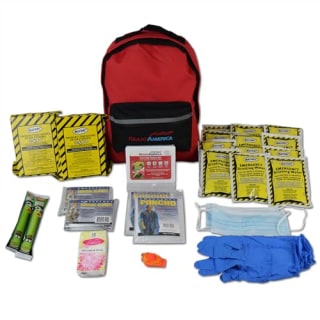
Credit: www.nbcnews.com
Specialty Items
Specialty items in an earthquake survival kit often make the difference between comfort and crisis. These are the personal essentials tailored to your unique needs. Ignoring them can leave you vulnerable when help is not immediately available.
Medications And Prescriptions
Always include at least a week’s supply of your prescription medications in your kit. This includes daily pills, inhalers, insulin, or any other essential treatments. Don’t forget copies of your prescriptions and a list of your doctors’ contact information.
Have you ever faced a situation where you couldn’t refill your medication on time? Keeping extra meds handy prevents that risk. Also, consider adding over-the-counter pain relievers and basic first aid supplies to manage minor injuries.
Infant And Pet Supplies
If you have a baby, your kit must have diapers, formula, baby food, and any comfort items like a favorite toy or blanket. Babies can’t communicate their needs, so being prepared is crucial for their safety and your peace of mind.
Don’t forget your pets. Pack pet food, water, leashes, and any medications your animals need. Pets depend on you completely during emergencies, so their survival items deserve a spot in your kit.
Glasses And Hearing Aids
Imagine being trapped without your glasses or hearing aids. Your vision and hearing are lifelines in chaotic moments. Include an extra pair of glasses and batteries for hearing aids to stay alert and responsive.
Have you checked the condition of your spare glasses lately? Make sure they are up to date and stored safely. These items might seem small but can greatly improve your ability to navigate post-earthquake challenges.
Maintenance And Safety
Keeping your earthquake survival kit ready and safe is as important as packing the right items. Regular maintenance ensures that everything works when you need it most. Safety measures protect you from hazards that might arise during or after an earthquake.
Fire Extinguisher
A fire extinguisher is a must-have in your survival kit, but it needs regular checks. Make sure the pressure gauge is in the green zone and that the extinguisher isn’t expired. Store it in an easy-to-reach spot so you can grab it quickly during an emergency.
Have you ever thought about how many times people overlook this simple step? A non-working extinguisher is just dead weight when a fire breaks out. Test it or have a professional inspect it yearly.
Dust Masks And Gloves
Earthquakes often create a lot of dust and debris, making dust masks and gloves essential for protection. Replace masks if they become dirty or damaged, and check gloves for tears or holes. Keeping these items clean and dry extends their usability.
Think about the last time you used a mask or gloves—did they fit well? Ill-fitting gear can make breathing or handling rubble harder. Try them on now to ensure comfort and effectiveness.
Duct Tape And Plastic Sheeting
Duct tape and plastic sheeting serve multiple purposes, from sealing broken windows to creating temporary shelters. These items can degrade over time, so inspect them regularly for tears or loss of stickiness. Store them in a cool, dry place to prolong their life.
Consider how duct tape saved the day during a minor leak or quick fix in your home. What if you needed it in a bigger crisis? Keeping it fresh and ready can make all the difference.

Credit: www.servpro.com
Frequently Asked Questions
What Essentials Should An Earthquake Kit Contain?
An earthquake survival kit should include water, non-perishable food, a flashlight, batteries, a first-aid kit, and essential medications. It should also have personal hygiene items, a multi-tool, and a whistle. Ensure you have copies of important documents, cash, and emergency contact information.
Customize your kit to meet your family’s specific needs.
How Much Water Is Needed In An Emergency Kit?
For an earthquake survival kit, store at least one gallon of water per person per day. It’s recommended to have a three-day supply for evacuation. If you’re staying at home, aim for a two-week supply. Water is crucial for drinking, cooking, and hygiene needs during emergencies.
Why Are Non-perishable Foods Recommended?
Non-perishable foods are ideal for earthquake kits because they have a long shelf life. They don’t require refrigeration and are easy to store. Choose items like canned goods, dried fruits, nuts, and protein bars. Ensure you have a manual can opener and check expiration dates regularly to maintain freshness.
How Can I Keep My Earthquake Kit Updated?
Regularly check and replace expired items in your earthquake survival kit. Review and refresh your kit every six months. Update it with any new essentials, medications, or personal needs. Consider seasonal changes and adjust clothing or supplies accordingly. Keep a checklist to ensure nothing is overlooked.
Conclusion
A well-packed earthquake survival kit saves lives. It keeps you safe and ready during emergencies. Basic items like water, food, and first aid matter most. Don’t forget tools, flashlights, and important documents. Check your kit often to replace expired supplies.
Stay prepared to reduce fear and stress. Small steps now protect your family later. Safety begins with planning and simple actions. Your kit can make a big difference after a quake. Stay calm. Stay ready. Stay safe.