Imagine facing an unexpected emergency where help isn’t immediately available. Would you feel ready?
Having the right survival kit can make all the difference in keeping you safe and secure. But what exactly should you have in a survival kit in New Zealand? You might think you only need the basics, but the right items can protect you from the unique challenges NZ’s environment throws at you.
Keep reading, and you’ll discover essential tools and supplies that could be lifesavers when you need them most. Don’t leave your safety to chance—prepare your survival kit the smart way.
Basic Survival Essentials
Basic survival essentials form the heart of any survival kit in New Zealand. These items keep you alive and safe during unexpected situations. Choosing the right essentials helps you face harsh conditions with confidence.
Essentials cover three main areas: water, food, and shelter. Each plays a critical role in survival. A well-prepared kit balances these elements for lasting support.
Water And Hydration Tools
Water is the most vital resource for survival. Carry enough clean water or ways to purify it. Tools like water filters and purification tablets are compact and effective. A sturdy water bottle or hydration bladder is necessary for storage. Hydration helps maintain energy and focus in tough environments.
Food Supplies And Nutrition
Food fuels your body during survival situations. Pack non-perishable, high-energy items. Examples include protein bars, nuts, dried fruits, and canned goods. Choose foods that do not require cooking or refrigeration. Balanced nutrition supports strength and mental clarity.
Shelter And Warmth
Shelter protects from weather and keeps body heat. Include a lightweight tent, tarp, or emergency blanket. Warm clothing and insulated sleeping bags are essential for cold nights. Proper shelter prevents hypothermia and improves rest quality, boosting survival chances.
First Aid And Medical Supplies
Your survival kit in New Zealand should always include a well-stocked section of first aid and medical supplies. These items can be lifesaving when you face unexpected injuries or health issues during outdoor adventures or emergencies. Think about the times you’ve scratched your leg or felt a sudden headache while hiking—having the right supplies makes a huge difference.
Bandages And Dressings
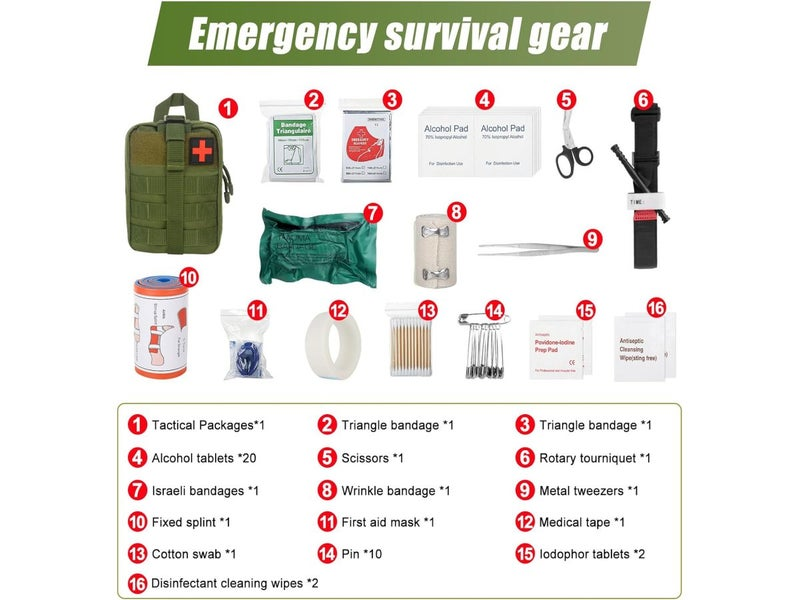
Bandages and dressings protect wounds from infection and help control bleeding. Include different sizes of adhesive bandages for small cuts and butterfly closures for deeper wounds. Sterile gauze pads and rolls are essential for covering larger injuries and can be secured with medical tape.
Don’t forget elastic bandages to support sprains or strains. These can reduce swelling and provide stability, which is crucial if you need to keep moving. Have you ever tried to stop a bleed without proper dressings? It’s much harder than you think.
Medications And Pain Relief
Pack common medications like paracetamol or ibuprofen for pain and fever relief. Antihistamines are important if you have allergies, especially to insect bites common in NZ’s outdoors. Include antiseptic creams or ointments to prevent infection in minor wounds.
Consider any personal prescription medicines you need. Keeping these organized in a waterproof container ensures they stay effective. What’s your go-to medicine when you’re feeling under the weather on a trip?
Tools For Emergencies
Several tools can make managing medical situations easier. A pair of blunt scissors helps cut bandages or clothing without causing further injury. Tweezers are great for removing splinters or ticks, which you might encounter in bush areas.
Also include disposable gloves to protect yourself and others from infection. A digital thermometer can help you track fevers accurately. Having these tools ready means you’re prepared for many common emergencies.
Navigation And Communication Gear
Having reliable navigation and communication gear in your survival kit is essential for staying safe and oriented in New Zealand’s diverse landscapes. These tools help you find your way, signal for help, and stay informed during emergencies. Without them, even the most prepared adventurer can quickly find themselves in trouble.
Maps And Compasses
Physical maps and compasses remain the most dependable way to navigate when technology fails. GPS devices can run out of battery or lose signal in remote areas, but a well-folded topographic map and a quality compass never need power.
Choose maps that cover your specific area, like detailed DOC (Department of Conservation) maps. Practice reading them before you need to use them, so you feel confident in identifying landmarks and plotting routes.
Emergency Radios
Emergency radios are your lifeline to the outside world when other communication methods fail. Look for radios with NOAA weather channels or specific local frequencies for New Zealand’s emergency services.
Many radios offer hand-crank or solar power options, making them perfect for long-term use without batteries. Think about having one that also charges your phone—this can be a game-changer when you need to call for help.
Signal Devices
Signal devices help rescuers find you faster, especially in dense bush or rugged terrain. Simple items like whistles or signal mirrors can attract attention over long distances.
More advanced gear includes personal locator beacons (PLBs) or satellite messengers that send your GPS coordinates directly to emergency responders. Do you know how to use these devices correctly? Practicing with your signal tools can make all the difference in a real emergency.
Tools And Equipment
Your survival kit’s effectiveness depends heavily on the tools and equipment you choose. These items can make the difference between managing a tough situation and struggling through it. Think about what you can realistically carry and use efficiently in an emergency.
Knives And Multi-tools
A sharp knife is one of the most versatile tools you can have. It helps with cutting rope, preparing food, or even crafting shelter. Adding a multi-tool gives you access to screwdrivers, pliers, and scissors in one compact device.
Choose knives with sturdy blades and comfortable grips. Consider brands like Victorinox or Leatherman, known for reliability. Have you ever tried using a dull knife in a survival situation? It’s frustrating and dangerous.
Fire Starting Devices
Fire means warmth, cooking, and signaling for help. Carry multiple fire-starting options like waterproof matches, a lighter, and a ferrocerium rod. Each has its strengths depending on the weather and conditions.
Waterproof matches can fail if not stored properly, so keep them in a sealed container. Ferro rods last almost forever and work even when wet, but they require practice. Do you know how to start a fire without relying on just one method?
Lighting Sources
Reliable lighting is crucial when darkness falls unexpectedly. Include a headlamp for hands-free use and a small flashlight as a backup. LED lights are energy-efficient and last longer on batteries.
Don’t forget extra batteries stored separately to avoid losing all light sources at once. A solar-powered or crank flashlight can also be a smart addition. Have you checked your light sources regularly to ensure they still work?
Clothing And Protection
Having the right clothing and protection in your survival kit is crucial for staying safe and comfortable in New Zealand’s diverse environments. Clothes can be your first defense against harsh weather, insects, and rough terrain. Choosing the right items can make the difference between enduring a situation and struggling through it.
Weather-appropriate Clothing
New Zealand’s weather can change quickly, so packing clothes that suit various conditions is smart. Layers work best: think moisture-wicking base layers, insulating mid-layers, and waterproof outer layers. A lightweight rain jacket is a must, especially in regions prone to sudden downpours.
Have you ever been caught in a cold, wet environment without the right gear? It’s uncomfortable and dangerous. Proper clothing helps regulate your body temperature and keeps you dry, reducing the risk of hypothermia.
Protective Gear
Protection from the elements and insects is vital. A wide-brimmed hat shields you from the sun and rain, while UV-protection sunglasses can save your eyes during long daylight hours. Don’t forget insect repellent clothing or a head net to guard against sandflies and mosquitoes common in many outdoor spots.
Gloves can protect your hands from scrapes and cold, especially if you’re handling rough materials or hiking through dense bush. Think about adding a lightweight, durable poncho that doubles as a shelter or ground cover—versatility matters.
Footwear Essentials
Your feet need strong support and protection. Waterproof hiking boots with good ankle support are ideal for navigating New Zealand’s rocky trails and wet terrain. Make sure your boots are broken in before an emergency; blisters can slow you down or stop you altogether.
Including an extra pair of socks in your kit is a simple but effective way to keep your feet dry and comfortable. Wool or synthetic socks dry faster and reduce the chance of fungal infections. Have you noticed how fresh socks can boost morale during tough hikes?
Credit: grabstore.co.nz
Personal Items And Documentation
When assembling a survival kit in New Zealand, don’t overlook the importance of personal items and documentation. These essentials can make a significant difference during emergencies, especially when normal services are disrupted. Keeping your vital papers and hygiene products handy ensures you stay organized and healthy under pressure.
Important Documents
Gather all essential documents and store them in a waterproof pouch. Include items like your birth certificate, passport, insurance papers, and medical records. Having these ready can save you hours of stress if you need to prove identity or access services quickly.
Think about how you would manage if digital records were inaccessible. Physical copies become your lifeline. Keep them updated and review them periodically to avoid expired documents.
Cash And Identification
Electronic payment systems might fail during a disaster, so always keep some cash in small denominations. This simple step can ensure you buy necessities when cards aren’t accepted or ATMs are down.
Your identification, such as a driver’s license or NZ photo ID, is crucial. It not only confirms who you are but can also speed up emergency assistance and access to shelters. Consider carrying a laminated copy to protect it from damage.
Personal Hygiene Products
Maintaining hygiene during an emergency keeps you healthy and comfortable. Pack items like soap, toothbrush, toothpaste, wet wipes, and hand sanitizer. These basics prevent illness and help you feel more normal in tough situations.
Don’t forget feminine hygiene products if needed. Including a small towel or quick-dry cloth can also be useful for cleaning or cooling off. These little comforts support your well-being when everything else feels uncertain.
Special Considerations For New Zealand
New Zealand’s unique environment demands a survival kit tailored to its specific challenges. Your kit should reflect the country’s natural risks, legal guidelines, and the strong community networks that can support you during emergencies. Thinking about these factors helps you build a kit that is not only practical but also truly lifesaving.
Natural Hazards To Prepare For
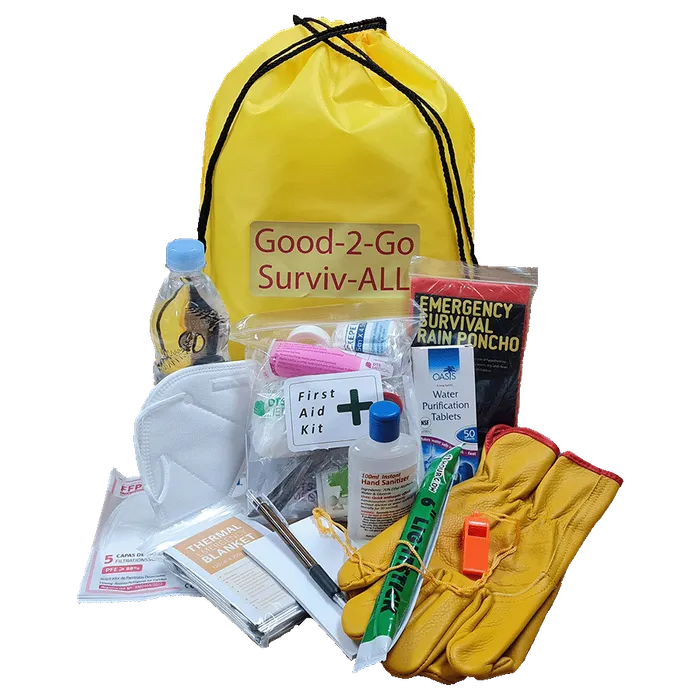
Earthquakes are a constant threat in New Zealand, especially around the Wellington and Christchurch areas. Your kit must include essentials like a sturdy whistle, a dust mask to protect against debris, and a reliable flashlight with extra batteries.
Flooding and severe storms also occur frequently, particularly in coastal and low-lying regions. Consider waterproof bags for important documents and sturdy rain gear to keep you dry if you need to evacuate quickly.
Don’t forget about volcanic activity near the North Island’s volcanic zones. A supply of N95 masks can help filter ash, and goggles will protect your eyes. These small additions can make a huge difference during an eruption.
Local Regulations And Recommendations
New Zealand’s Civil Defence encourages every household to have at least three days’ worth of water and food. They also recommend including a first aid kit and a portable radio to stay informed during emergencies.
Check if your local council has specific advice or mandatory items for your area. Some places ask residents to add items like strong gloves or steel-toed boots to protect against sharp debris.
Remember that some items, like fuel canisters or certain chemicals, may have restrictions. Always verify the rules before adding such items to your kit to avoid legal trouble or safety hazards.
Community Resources And Support
New Zealanders often rely on their community in times of crisis. Local marae (Māori meeting grounds) frequently serve as emergency hubs where you can access food, water, and shelter.
Knowing your neighbourhood’s emergency plan can be a lifesaver. Talk to your neighbours about sharing resources like generators or tools, which can reduce what each person needs to store individually.
Volunteer groups like St John and the Red Cross run training sessions and offer advice on building effective survival kits. Joining these groups can give you hands-on experience and peace of mind.
Credit: www.officemax.co.nz
Credit: ktservices.nz
Frequently Asked Questions
What Essentials Should A Survival Kit Include In Nz?
A survival kit in NZ should include water, food, first-aid supplies, flashlight, batteries, and a multi-tool. It’s important to have a whistle, thermal blanket, and waterproof matches. Consider additional personal items based on your needs, like medication or important documents.
Regularly check and update your kit for safety.
How Often Should I Update My Survival Kit?
You should update your survival kit at least once a year. Regularly check expiration dates on food and batteries. Replace items as needed to ensure everything is functional and safe. Adjust contents based on changing needs, such as family growth or seasonal weather changes, to stay prepared.
Why Is A Multi-tool Important In A Survival Kit?
A multi-tool is versatile and compact, offering multiple functionalities like cutting, screwing, and opening cans. It saves space and weight in your kit. Having a multi-tool ensures you are prepared for various tasks or emergencies. It’s a crucial item for both urban and wilderness survival situations.
How Much Water Should Be In A Survival Kit?
Include at least three days’ worth of water, approximately three liters per person per day. This ensures adequate hydration during emergencies. Consider water purification tablets or a filtration system for extended situations. Having sufficient water is crucial for your health and survival in any emergency scenario.
Conclusion
A good survival kit can help you stay safe in emergencies. Include water, food, and first aid supplies. Don’t forget tools like a flashlight and a knife. Keep important documents and warm clothes inside. Check your kit often to replace old items.
Being ready gives you peace of mind. Stay prepared for any situation in New Zealand. Small steps can make a big difference. Start building your survival kit today. Stay safe and ready at all times.