Have you ever wondered what exactly you should put into a survival kit? When an emergency strikes, having the right items can make all the difference between staying safe or struggling to get by.
Your survival kit isn’t just a box of random things—it’s your lifeline. But how do you decide what’s truly essential? You’ll discover the must-have items that can keep you protected, nourished, and prepared for almost any situation. Keep reading, and you’ll learn how to build a survival kit that you can trust when it matters most.
Credit: www.nbcnews.com
Basic Survival Needs
Building a survival kit means focusing on your basic survival needs first. These are the essentials that keep you alive and functioning in an emergency. Without water, food, and shelter, even the best tools won’t save you.
Water And Hydration Tools
Water is the most critical item in any survival kit. You can only survive a few days without it. Always include a reliable water filter or purification tablets to make natural water sources safe for drinking.
Carrying a durable, reusable water bottle is a smart choice. Some bottles come with built-in filters, saving space and weight. Ask yourself: How will you find and clean water if your supply runs out?
Food And Nutrition Supplies
Energy is vital when you’re in survival mode. Pack lightweight, non-perishable foods like energy bars, nuts, and dried fruits. These foods provide quick calories and last longer without refrigeration.
Don’t forget about variety; different nutrients keep your body strong. I once survived three days on just canned tuna and granola bars—enough to keep me going but definitely not ideal. What high-energy foods do you find easy to carry and eat on the go?
Shelter And Warmth Options
Exposure to cold or harsh weather can be deadly. Include a compact emergency blanket or a lightweight tarp that can shield you from wind and rain. A small, packable sleeping bag can make a huge difference when temperatures drop.
Consider your environment: Will you need insulation from snow, or protection from sun and rain? When I was stranded overnight, a simple mylar blanket saved me from hypothermia. What shelter options can you pack that won’t weigh you down?

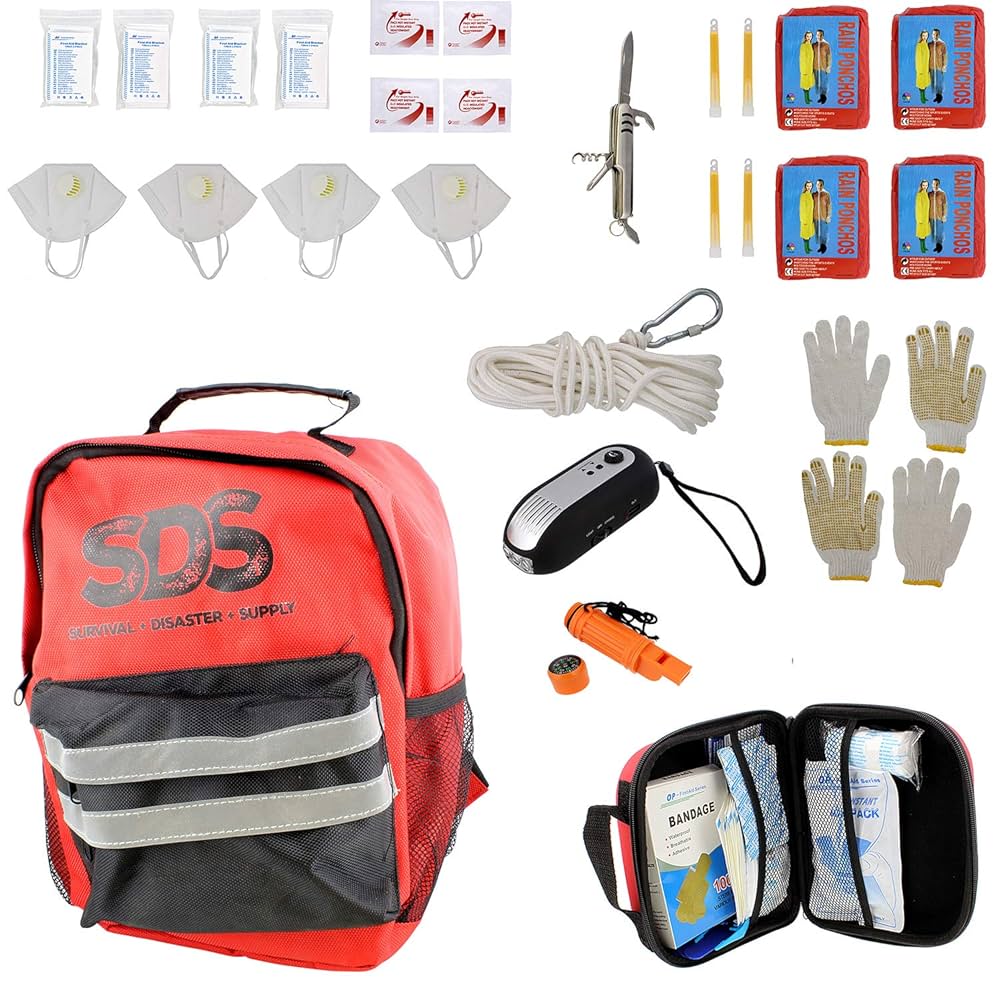
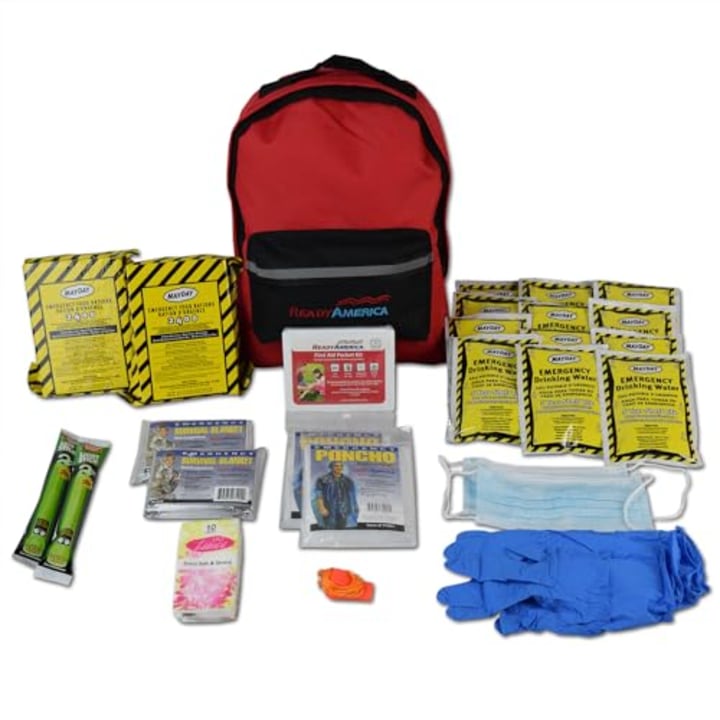
Credit: www.walmart.com
Navigation And Communication
Navigation and communication tools are essential in any survival kit. They help you find your way and call for help. Without them, you might get lost or stranded. Carrying reliable devices can save your life in emergencies.
Compasses And Gps Devices
A compass is a simple, reliable tool for direction. It works without batteries and helps you stay on course. GPS devices offer precise location data using satellites. They need power but provide detailed maps and routes. Both tools complement each other well in survival situations.
Signaling Tools
Signaling tools attract attention in emergencies. Bright whistles make loud sounds over long distances. Mirrors reflect sunlight to signal rescuers from afar. Flashlights with strobe modes send visible distress signals at night. Carry multiple signaling tools for different conditions.
Emergency Communication Devices
Emergency communication devices connect you to help. Two-way radios allow contact with others nearby. Satellite phones work anywhere on Earth, even without cell towers. Personal locator beacons send distress signals with your GPS location. These devices increase your chances of rescue significantly.
First Aid Essentials
Having a well-stocked first aid section in your survival kit can make a huge difference when emergencies strike. It’s not just about having random items thrown together; it’s about carefully choosing tools that can help you treat injuries quickly and effectively. Think about how many small wounds or conditions you’ve faced—would you have handled them better with the right supplies at hand?
Basic Medical Supplies
Start with essentials like adhesive bandages in various sizes. These cover cuts and blisters and protect them from dirt. Add sterile gauze pads and adhesive tape to dress larger wounds securely.
Don’t forget a pair of scissors and tweezers; they help cut tape or remove splinters. Include disposable gloves to keep everything clean and reduce infection risk. A CPR face shield can also be a lifesaver if you need to assist someone with breathing difficulties.
Medicines And Ointments
Keep pain relievers such as ibuprofen or acetaminophen for headaches, muscle pain, or fever. Antihistamines are crucial if allergies or insect bites cause swelling or itching. Include antiseptic wipes or solutions to clean wounds immediately.
Ointments like antibiotic cream speed up healing and prevent infections. Don’t overlook burn creams or aloe vera gel to soothe skin injuries. Ask yourself: What medicines do you or your family use regularly? Adding those can save time and discomfort.
Injury Treatment Tools
Consider including a digital thermometer to check for fever, which helps monitor illness progression. A cold pack can reduce swelling from sprains or bruises. Elastic bandages provide compression and support to injured joints.
Safety pins and a small flashlight with extra batteries are practical tools for securing bandages and inspecting wounds in low light. Your survival kit should empower you to handle common injuries confidently—what injury could you prepare for today?
Fire And Light Sources
Fire and light sources are essential in any survival kit. They help you stay warm, cook food, and signal for help. Light also keeps you safe at night. Choose reliable tools that work in different weather conditions. Compact and lightweight options save space in your kit.
Fire Starters And Lighters
Fire starters should be easy to use and effective in wet or dry conditions. Include waterproof matches, magnesium fire starters, or cotton balls soaked in petroleum jelly. A sturdy lighter is a must-have, but always carry backup options. These tools help you create fire quickly for warmth and cooking.
Flashlights And Headlamps
Flashlights provide focused light for tasks around camp. Headlamps free your hands for work or movement at night. Choose LED models for long battery life and bright light. Waterproof and shockproof designs last longer in rough conditions. Carry both types for flexibility.
Backup Batteries And Chargers
Extra batteries keep your lights working when power runs low. Store different sizes to match your devices. Portable solar chargers or power banks recharge electronics without electricity. Keep these charged and ready to ensure your lights never fail during emergencies.
Tools And Equipment
Tools and equipment form the backbone of any survival kit. They help with daily tasks and urgent needs. The right tools increase chances of staying safe and comfortable. Every item should be useful, durable, and easy to carry.
Multi-tools And Knives
Multi-tools combine many functions into one compact device. They often include pliers, screwdrivers, scissors, and blades. A sharp knife is essential for cutting, preparing food, and self-defense. Choose knives with strong, rust-resistant blades. Keep tools lightweight for easy transport.
Cordage And Repair Kits
Cordage is vital for building shelters, making traps, or securing items. Paracord is popular due to its strength and versatility. Repair kits include needles, thread, duct tape, and patches. These fix torn clothing, gear, or tents. Small repair kits save time and resources in emergencies.
Cooking And Eating Gear
Cooking gear allows preparation of safe, warm meals. Lightweight pots, pans, and portable stoves work well. Include utensils like spoons, forks, and knives for eating. Collapsible cups and plates save space. Clean eating gear helps prevent illness from dirty food.
Clothing And Personal Items
Clothing and personal items play a vital role in any survival kit. They protect the body, maintain hygiene, and keep important documents safe. Choosing the right items ensures comfort and security during emergencies. Focus on essentials that fit the environment and your needs.
Weather-appropriate Clothing
Pack clothes that suit the climate you expect. Include layers for warmth during cold weather. Choose moisture-wicking fabrics to stay dry. Bring a waterproof jacket to protect against rain. Don’t forget sturdy shoes for rough terrain. A hat and gloves help in cold or sunny conditions.
Personal Hygiene Supplies
Hygiene items prevent illness and keep you comfortable. Pack travel-size soap and hand sanitizer. Include a toothbrush and toothpaste. Add wet wipes for quick cleaning. Bring a small towel and feminine products if needed. Keep all items in a waterproof bag.
Important Documents And Money
Keep crucial documents safe and accessible. Include ID cards, medical records, and insurance papers. Store photocopies in a waterproof container. Carry some cash in small bills. Avoid large amounts but enough for emergencies. Secure these items close to your body or in a hidden pouch.
Packing And Maintenance Tips
Packing your survival kit is more than just throwing items into a bag. How you organize and maintain it can make a big difference when you actually need it. Careful attention to these details ensures your kit is ready and reliable at all times.
Organizing Your Kit
Start by grouping items based on their use. Keep first aid supplies together, food and water in another section, and tools like knives and fire starters in a separate pouch. This setup saves precious time when you’re under pressure.
Use clear, resealable bags or small containers to keep things dry and visible. Labeling each section helps you grab exactly what you need without rummaging through everything. Think about what you’ll reach for first in an emergency and put those items on top or in an easy-to-access spot.
Regular Kit Checks
How often do you check your survival kit? Set a reminder to review it every few months. Look for expired food, dead batteries, or worn-out gear that could fail when you need it most.
Replace items before they become useless. This habit can prevent unpleasant surprises. For example, last year I found my flashlight batteries were dead right when I needed light during a power outage. Avoid that by staying proactive.
Customizing For Specific Environments
Your survival kit should fit the environment you’re likely to face. If you’re hiking in a desert, pack extra water and sun protection. For cold climates, include thermal blankets and hand warmers.
Think about local hazards too. Are poisonous plants or insects common? Add treatments or protective gear accordingly. Tailoring your kit increases your chances of staying safe and comfortable no matter where you go.

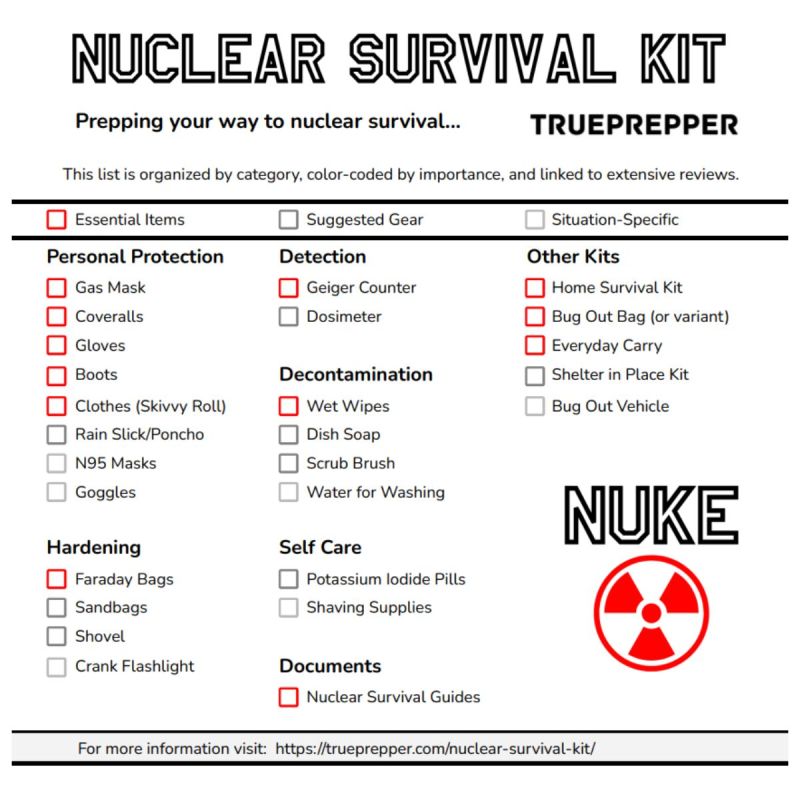
Credit: trueprepper.com
Frequently Asked Questions
What Are The Essential Items For A Survival Kit?
A survival kit should include water, non-perishable food, a first-aid kit, and a flashlight. Don’t forget extra batteries, a whistle, and a multi-tool. It’s crucial to have a map and a compass. Additionally, pack personal hygiene items and any necessary medications.
How Much Water Should Be In A Survival Kit?
Include at least one gallon of water per person per day for three days. This amount ensures sufficient hydration for drinking and basic hygiene needs. Consider packing water purification tablets or a filter as a backup.
Why Is A First-aid Kit Important In Survival Gear?
A first-aid kit is crucial for treating injuries and preventing infections. It should contain bandages, antiseptic wipes, and pain relievers. Having a first-aid kit helps you handle emergencies until professional medical help is available.
Should I Include Personal Documents In A Survival Kit?
Yes, include copies of personal identification, insurance, and emergency contacts. Store documents in a waterproof bag to protect them. These documents can be vital for identification and communication during emergencies.
Conclusion
A survival kit needs essential items for safety and comfort. Pack food, water, and first aid supplies. Include tools like a flashlight and a knife. Clothes and shelter materials help in harsh weather. Keep your kit small but complete. Regularly check and update your supplies.
Being prepared brings peace of mind. Ready for emergencies, you can stay calm. A well-packed kit supports you when it matters most. Simple steps today can make a big difference tomorrow.