When an emergency strikes, having the right food in your kit can make all the difference. You want to be sure that what you pack will keep you energized, healthy, and comfortable when regular meals aren’t an option.
But with so many choices, it’s easy to feel overwhelmed. What should you really include to stay prepared without wasting space or money? Keep reading, and you’ll discover simple, smart food options that fit your needs and help you face any situation with confidence.
Your safety and peace of mind depend on it.
Non-perishable Staples
Non-perishable staples are essential for any emergency kit. They last long without refrigeration. These foods provide energy and nutrition during tough times. Choose items that are easy to store and prepare. Focus on foods that meet your family’s dietary needs.
Canned Goods
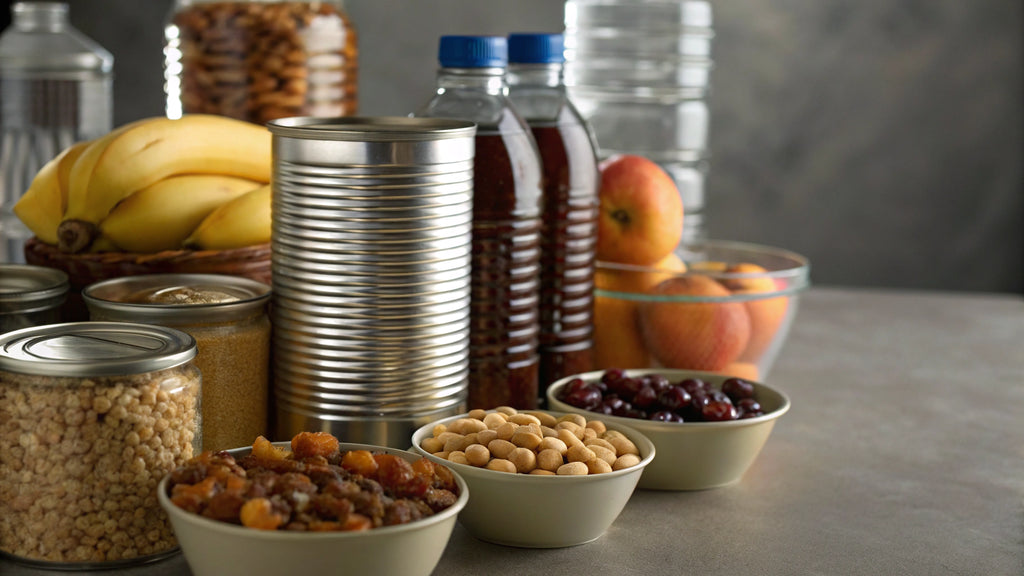
Canned goods offer convenience and a long shelf life. They include vegetables, fruits, beans, and meats. These foods are ready to eat or require minimal heating. Look for cans with easy-open lids. Check expiration dates regularly to keep your stock fresh.
Dry Grains And Pasta
Dry grains and pasta provide a reliable source of carbohydrates. Options like rice, oats, and lentils store well for months. Pasta cooks quickly and can be combined with canned sauces. Store these items in airtight containers to avoid pests and moisture.
Powdered Milk And Dairy Alternatives
Powdered milk is a versatile source of calcium and protein. It lasts much longer than fresh milk. Dairy alternatives like soy or almond powder offer options for lactose intolerance. Mix powdered milk with water for drinking or cooking. Store in a cool, dry place for best results.
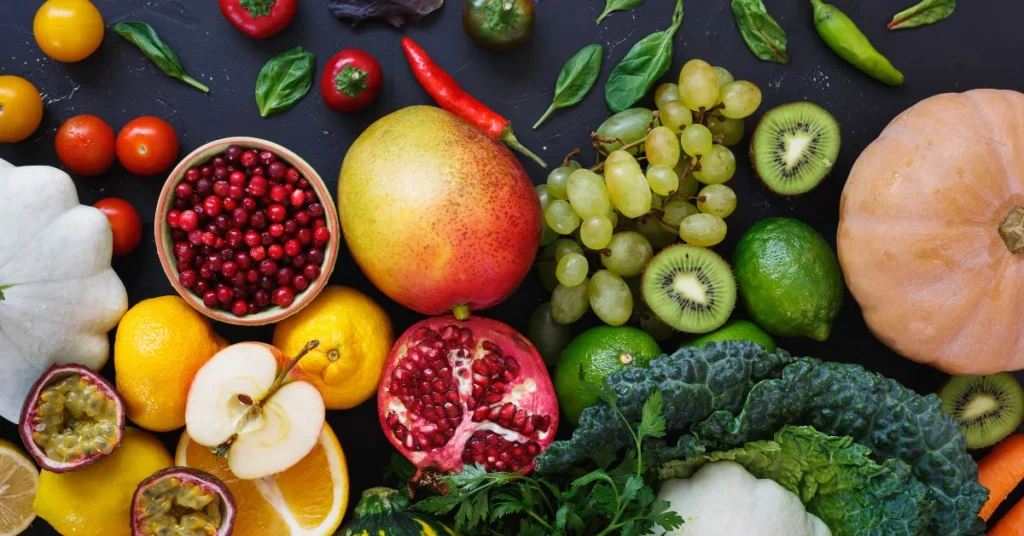
Credit: www.battlbox.com
High-energy Snacks
High-energy snacks are essential in your emergency kit because they provide the calories and nutrients your body needs to stay strong during stressful situations. These snacks are easy to carry, have a long shelf life, and can be eaten on the go without preparation. Choosing the right snacks can make a big difference when you need quick energy and sustained stamina.
Nuts And Seeds
Nuts and seeds pack a powerful punch of protein, healthy fats, and fiber. Almonds, walnuts, sunflower seeds, and pumpkin seeds are great options that don’t spoil easily. Their natural oils keep you energized and help maintain focus during emergencies.
Think about how a handful of almonds gave you that extra boost during a long hike or a busy day. You can rely on these snacks to keep hunger away without feeling weighed down.
Energy Bars
Energy bars are designed for convenience and nutrition. Look for bars with balanced ingredients—protein, carbohydrates, and fats—without too much added sugar. Brands like Clif Bar, RXBAR, or KIND offer tasty options that last long and fuel your body effectively.
Keep in mind that some bars can be heavy or chalky, so test different types ahead of time. Would you prefer a chewy or crunchy bar when you’re on the move? Your choice can affect how satisfied you feel between meals.
Dried Fruits
Dried fruits like apricots, raisins, and cranberries add natural sweetness and important vitamins to your emergency food supply. They are lightweight and don’t need refrigeration, making them perfect for packing.
Pair dried fruits with nuts for a mix of quick sugars and sustained energy. Have you ever noticed how a sweet snack can lift your mood during a stressful moment? Including these in your kit can help keep your spirits up.
Ready-to-eat Meals
Preparing an emergency kit is essential for unexpected situations. Ready-to-eat meals are crucial. They provide nourishment without cooking. These meals are shelf-stable and simple to use. Let’s explore some popular options.
Freeze-dried Options
Freeze-dried meals are lightweight and easy to store. They retain nutrients and flavor. Just add water to rehydrate them. They are available in various flavors. Some popular choices are pasta, rice, and vegetables. These meals have a long shelf life.
Mres (meals Ready To Eat)
MREs are military-grade meals. They require no cooking. Each pack includes an entree, side, and dessert. MREs come with utensils and heating elements. They are durable and easy to carry. Their shelf life is typically five years.
Instant Soups And Stews
Instant soups and stews offer warmth and comfort. They are simple to prepare. Just add hot water and stir. They are rich in flavor and nutrients. Varieties include chicken noodle, beef stew, and vegetable soup. These meals are also compact and easy to store.
Hydration Essentials
Staying hydrated is vital during emergencies. Water supports all body functions and keeps you alert. Without enough water, dehydration can happen fast. Your emergency kit must have reliable hydration options. These will help you stay safe and healthy.
Bottled Water
Bottled water is the easiest hydration source to store. Choose sealed bottles with long shelf lives. Store at least one gallon per person each day. Rotate bottles regularly to keep water fresh. Keep them in a cool, dark place to avoid damage.
Water Purification Methods
Purification methods help make unsafe water drinkable. Carry water purification tablets or drops in your kit. Portable water filters are lightweight and effective. Boiling water for at least one minute also kills germs. These methods ensure access to clean water anywhere.
Electrolyte Packets
Electrolyte packets replace vital minerals lost through sweat. They help prevent cramps and fatigue in stressful situations. Packets are lightweight and easy to carry. Add them to water for a quick hydration boost. Keep a supply to maintain energy and balance.
Special Dietary Needs
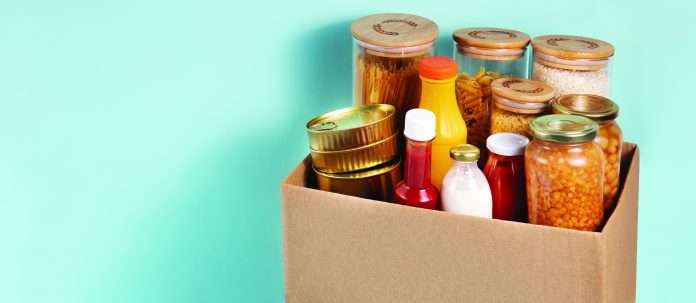
Special dietary needs require careful food choices in an emergency kit. People with allergies, intolerances, or specific diets need safe options. Stocking foods that meet these needs ensures everyone stays nourished and healthy during emergencies. Planning ahead can reduce stress and health risks.
Gluten-free Choices
Gluten-free foods protect those with celiac disease or gluten sensitivity. Include items like:
- Rice cakes and puffed rice snacks
- Gluten-free crackers and bread
- Canned beans and vegetables
- Nut butters
- Gluten-free granola or cereal
Check labels carefully to avoid hidden gluten. Choose shelf-stable products with long shelf lives.
Allergy-friendly Foods
Common allergies include nuts, dairy, and shellfish. Select safe, allergy-friendly foods such as:
- Seed butters like sunflower or pumpkin seed butter
- Dairy-free milk alternatives in shelf-stable cartons
- Fresh or canned fruits and vegetables
- Rice, quinoa, and lentils
- Allergen-free snack bars
Separate allergen-free items clearly. Prevent cross-contamination in storage and packing.
Vegetarian And Vegan Options
Plant-based diets need protein and nutrient-rich foods. Stock these for vegetarians and vegans:
- Canned beans and chickpeas
- Nut and seed mixes
- Dehydrated or freeze-dried vegetables
- Whole grain crackers and cereals
- Vegan protein powders
Ensure variety to cover essential vitamins and minerals. Keep meals balanced and satisfying.
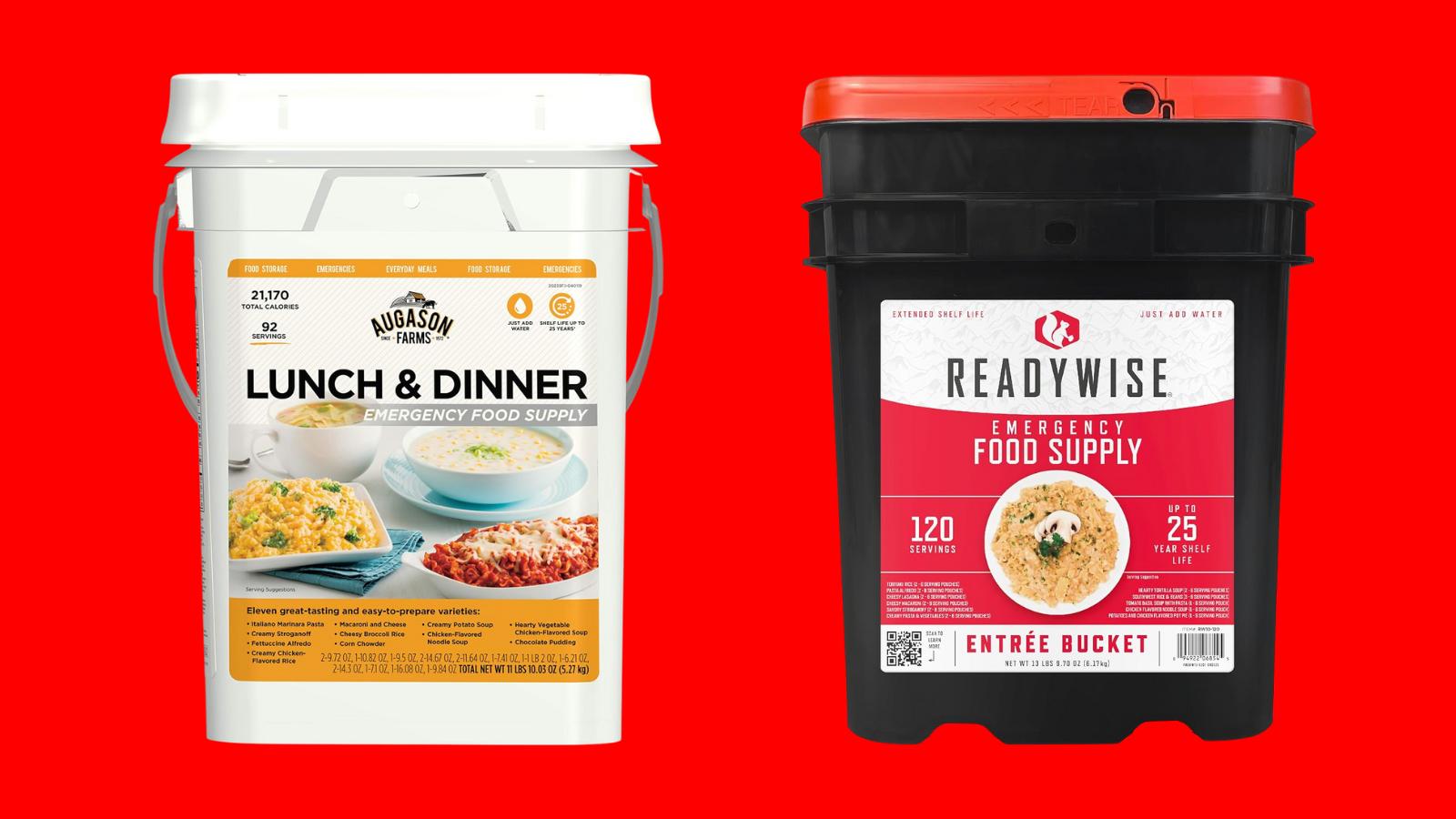
Credit: mycalgary.com
Storage And Shelf Life
Storing food for emergencies needs careful thought. Proper storage keeps food safe and edible for a long time. Understanding shelf life helps prevent waste and ensures you have good food when needed. This section covers sealing, rotation, and temperature to help your emergency kit last.
Proper Sealing And Packaging
Seal food tightly to stop air and moisture. Use airtight containers or vacuum bags. This prevents spoilage and insect damage. Packaging should also block light to keep food fresh longer. Keep original packaging if it is sealed well.
Rotation And Expiration Management
Rotate food regularly to use older items first. Check expiration dates and replace soon-to-expire products. Write the date you stored the food on the package. Keep a list of items and update it after each use or check.
Temperature Considerations
Store food in a cool, dry place. Avoid places with temperature changes or direct sunlight. High heat shortens shelf life and can spoil food. Ideal storage temperature is between 50°F and 70°F (10°C to 21°C).
Additional Survival Food Tips
Building an emergency food kit needs more than just picking items off a shelf. Careful thought ensures the food lasts and fuels your body well. These additional survival food tips help you prepare smarter. They focus on managing portions, meeting calorie needs, and balancing nutrition effectively.
Portion Control
Portion control keeps food lasting longer during emergencies. Eating too much too fast can leave you without supplies. Divide meals into small, manageable servings. This method helps avoid waste and controls hunger better.
Use airtight containers or resealable bags for portions. Label each with the amount and date stored. This keeps your kit organized and easy to use.
Calorie Requirements
Calories give energy to stay active and alert. Your emergency kit should include enough calories per day. On average, adults need 2,000 to 2,500 calories daily. This varies by age, size, and activity level.
Pack calorie-dense foods like nuts, dried fruits, and energy bars. These provide more energy in smaller amounts. Avoid low-calorie foods that fill you up but lack energy.
Balancing Nutrition
Nutrition balance prevents health problems during long emergencies. Include foods with protein, carbohydrates, fats, vitamins, and minerals. Each plays a role in keeping your body strong.
- Proteins: canned beans, jerky, powdered eggs
- Carbohydrates: rice, pasta, crackers
- Fats: nuts, seeds, peanut butter
- Vitamins and minerals: dried vegetables, multivitamin tablets
Rotate foods regularly to keep vitamins fresh. Avoid items with too much sugar or salt. Aim for simple, wholesome ingredients that support your health.

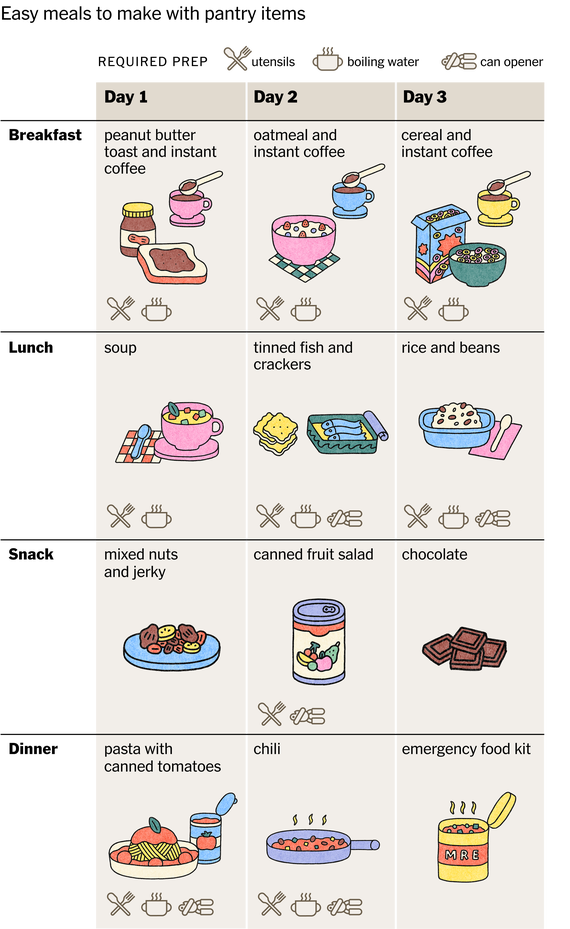
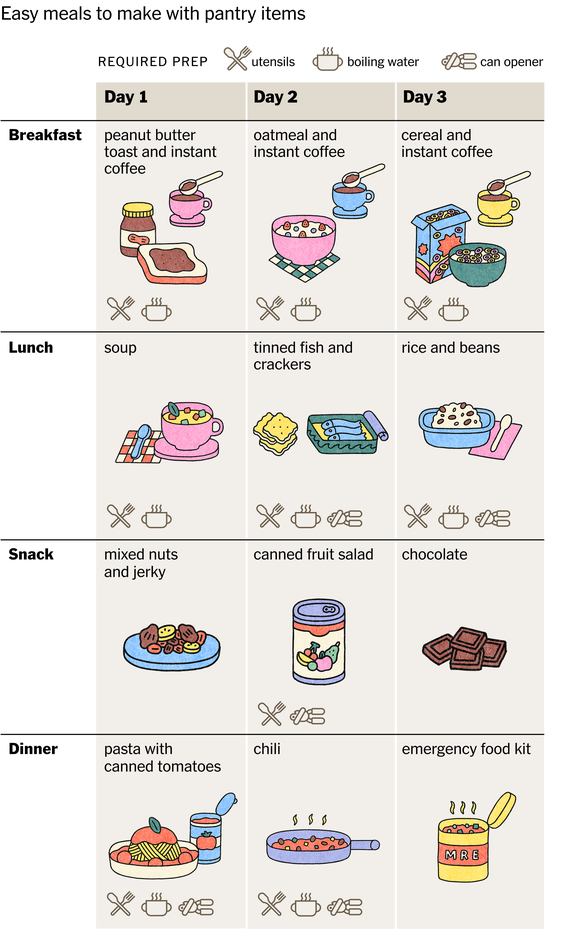
Credit: www.nytimes.com
Frequently Asked Questions
What Are The Best Non-perishable Foods For Emergency Kits?
Non-perishable foods like canned beans, rice, pasta, and dried fruits last long. They provide essential nutrients and require minimal preparation.
How Much Food Should I Store In An Emergency Kit?
Store at least a three-day supply of food per person. Include extra for dietary needs and unexpected delays.
Can I Include Fresh Food In An Emergency Kit?
Fresh food is not ideal due to spoilage. Focus on long-lasting, shelf-stable items instead for safety and convenience.
Should I Include Special Diet Foods In My Emergency Kit?
Yes, include gluten-free, diabetic-friendly, or allergy-safe foods. Personalize your kit to meet all dietary restrictions.
Conclusion
Choosing the right food for an emergency kit saves lives and comforts. Pack items that last long and need little water or heat. Think about nutrition, taste, and easy preparation. Don’t forget to rotate your supplies regularly for freshness. Keep your kit ready for unexpected situations.
Being prepared brings peace of mind. Simple steps today can make a big difference tomorrow. Stay safe and eat well in any emergency.