When disaster strikes, having the right food stored can make all the difference for you and your loved ones. But what exactly should you put in your emergency food storage?
Choosing the right items isn’t just about filling a shelf—it’s about ensuring safety, nutrition, and peace of mind when you need it most. You’ll discover simple, practical tips to build a food supply that keeps you prepared and confident no matter what happens.
Keep reading to learn how to make your emergency food storage truly reliable.
Credit: weather.com
Key Criteria For Emergency Foods
Choosing the right foods for emergency storage requires careful thought. The foods must last long, provide good nutrition, and be easy to prepare. They should also offer enough energy to keep you going during tough times. These factors help ensure your emergency food supply is reliable and effective.
Shelf Life And Durability
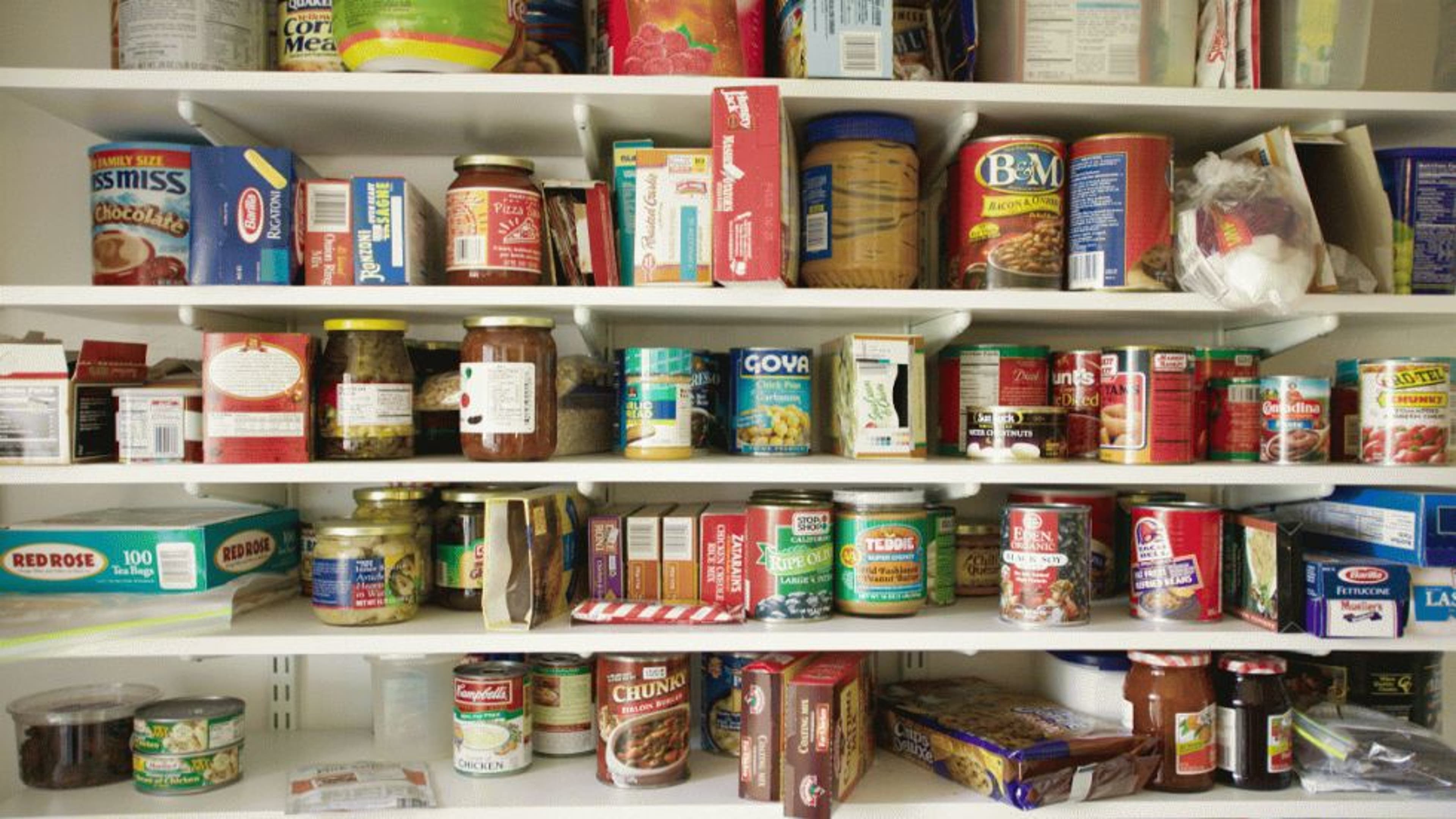
Foods with a long shelf life reduce the need for frequent replacement. Items like dried beans, rice, and canned goods can last for years. Packaging also matters; airtight containers and vacuum-sealed bags keep food fresh. Durable foods resist damage from moisture, pests, and temperature changes.
Nutritional Value
Emergency foods should provide essential vitamins and minerals. Protein, carbohydrates, and fats are necessary to maintain health. Include a variety of foods to cover different nutrients. Fortified products can help fill gaps in your diet during emergencies.
Ease Of Preparation
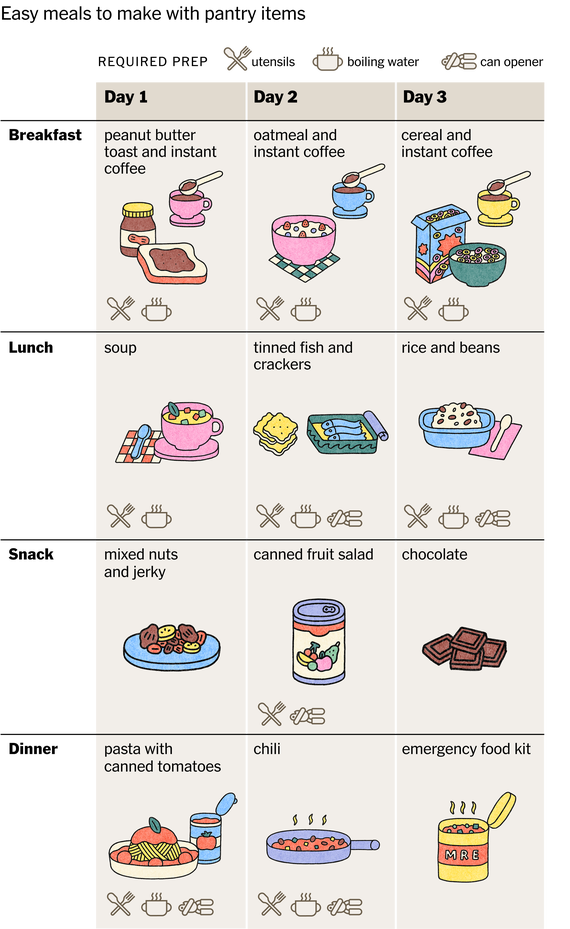
Simple cooking is best when resources are limited. Foods that require little water, heat, or equipment save time and effort. Ready-to-eat items or those needing only boiling water are practical choices. This ease helps reduce stress in difficult situations.
Caloric Density
High-calorie foods supply needed energy in small amounts. Nuts, seeds, and energy bars are good examples. Dense calories help maintain strength when food is scarce. Focus on items that pack energy without too much bulk or weight.

Credit: www.hawaiianelectric.com
Staple Grains And Legumes
Staple grains and legumes form the foundation of any reliable emergency food storage. They are affordable, shelf-stable, and packed with nutrients to keep you energized during tough times. Choosing the right types ensures you have versatile ingredients that can last long and support various meals.
Rice Varieties
Rice is a classic staple that stores well and cooks quickly. White rice has a longer shelf life—up to 30 years when stored properly—making it a top choice for emergencies. Brown rice offers more nutrients but has a shorter shelf life due to its oils, so rotate it more often.
Consider stocking different types like jasmine, basmati, and long-grain rice to add variety to your meals. Each type brings a unique texture and flavor, keeping your menu interesting when fresh food isn’t available. Do you know how to store rice to maximize its shelf life? Airtight containers in a cool, dry place are key.
Dried Beans And Lentils
Dried beans and lentils are nutrient-dense powerhouses packed with protein, fiber, and essential minerals. Varieties like black beans, chickpeas, kidney beans, and red lentils offer different tastes and cooking times. These legumes expand when cooked, making a small amount go a long way.
They require soaking or longer cooking times, so plan your emergency cooking methods accordingly. Using a pressure cooker can save fuel and time. Have you tried mixing different beans and lentils to create rich stews or hearty salads? Experimenting now can prepare you for emergency meal planning.
Oats And Cereals
Oats and cereals are excellent for quick, nutritious breakfasts and snacks. Rolled oats, steel-cut oats, and instant oats each offer different cooking speeds and textures. Oats are rich in fiber and can help regulate digestion during stressful times.
Adding cereals like wheat flakes or cornmeal can diversify your stored grains. These options cook quickly and provide energy without complicated preparation. Do you have your favorite cereal recipes ready? Preparing and testing them now can ensure you’re comfortable using your stored grains efficiently.
Protein Sources
Protein is essential in your emergency food storage because it helps maintain muscle strength, supports your immune system, and keeps you feeling full longer. Without enough protein, your body can weaken quickly, especially during stressful situations. Choosing the right protein sources ensures you have the energy and nutrients needed to stay healthy and alert.
Canned Meats And Fish
Canned meats and fish are reliable protein options that last for years without refrigeration. Items like canned chicken, turkey, tuna, and salmon provide high-quality protein and healthy fats. Plus, they are easy to open and prepare, making them practical for emergencies.
Look for cans with BPA-free linings to avoid harmful chemicals. Rotate your stock regularly to keep your supplies fresh. Have you checked your canned goods’ expiration dates lately?
Powdered And Freeze-dried Options
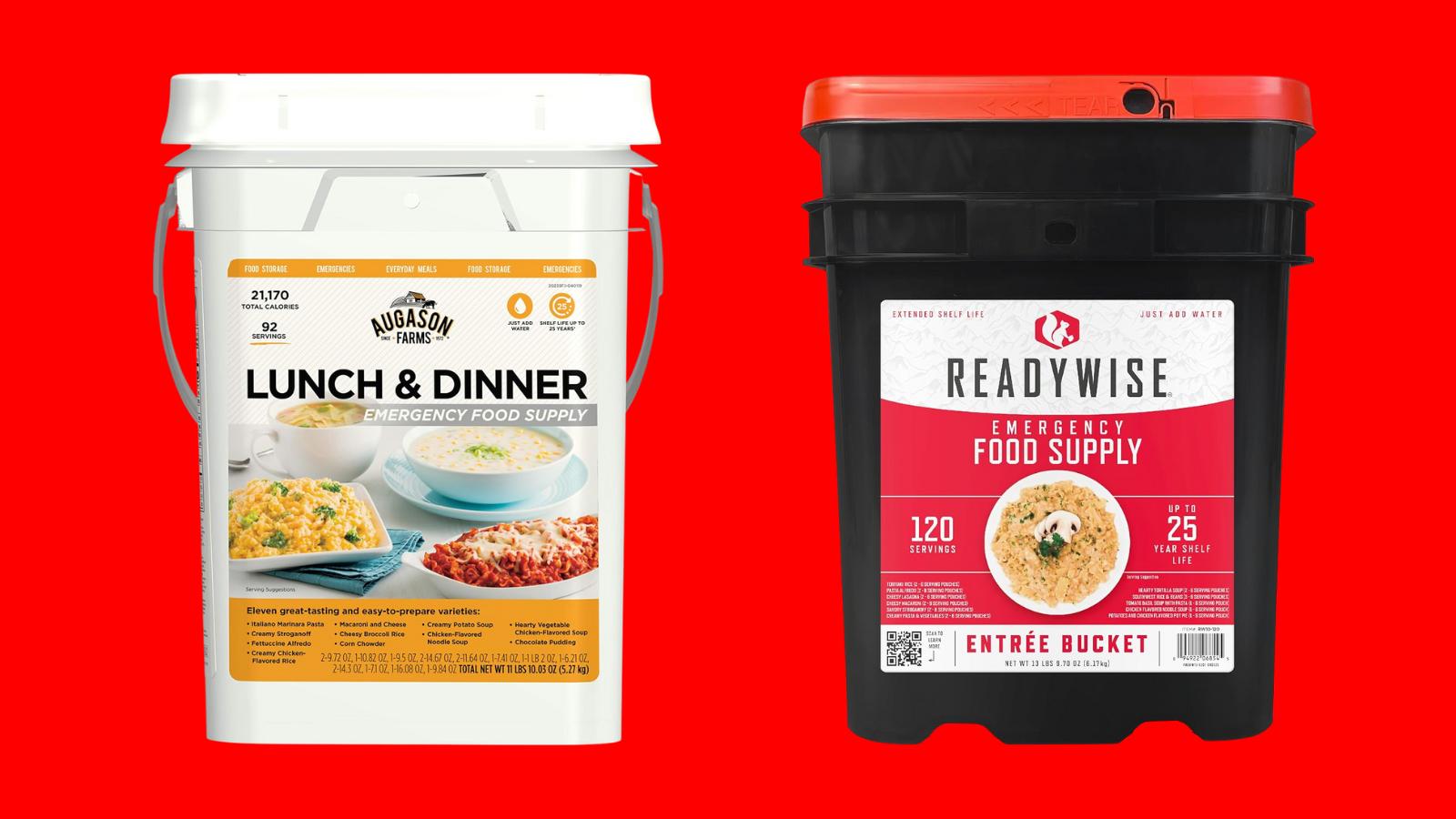
Powdered and freeze-dried proteins offer lightweight and long-lasting alternatives to canned goods. Freeze-dried beef, chicken, or eggs can be rehydrated quickly with water, providing a near-fresh taste and texture. These options are especially useful if you need to carry your emergency supplies or have limited storage space.
Powdered protein powders, like whey or soy, can be mixed into shakes or meals for a quick boost. Keep in mind that some powders may require extra water, so plan accordingly. Are you prepared to use these versatile protein forms when fresh food isn’t available?
Nuts And Seeds
Nuts and seeds are not only excellent sources of protein but also packed with healthy fats and fiber. Almonds, walnuts, pumpkin seeds, and sunflower seeds store well and don’t need refrigeration. They make great snacks or can be added to meals for extra nutrition.
Be aware of potential allergies if you share your storage with others. Also, buying in bulk and portioning into airtight bags can help keep them fresh longer. Have you included a variety of nuts and seeds in your emergency stash?
Fruits And Vegetables
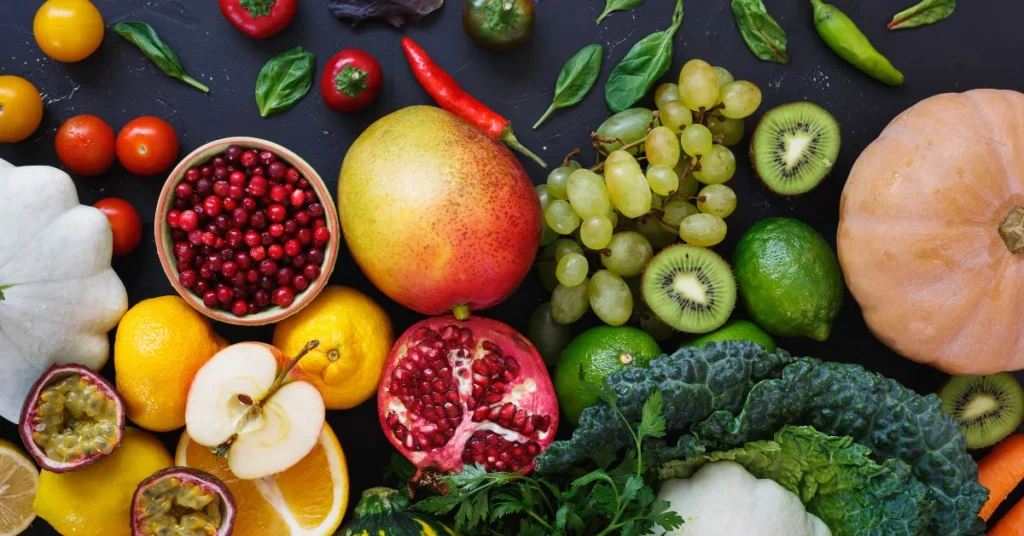
Fruits and vegetables are essential components of your emergency food storage. They provide vital vitamins, minerals, and fiber that help maintain your energy and health during tough times. Choosing the right forms of produce can make all the difference in taste, shelf life, and nutrition.
Canned And Jarred Produce
Canned fruits and vegetables are reliable staples for any emergency kit. They usually come pre-cooked and ready to eat, saving you time and effort during stressful situations. Look for low-sodium vegetables and fruits packed in natural juice to avoid excess sugar and salt.
Some favorites to store include canned green beans, corn, peaches, and pineapple. Don’t forget to rotate your stock every year to keep them fresh. Have you checked the expiry dates on your canned goods lately?
Dehydrated And Freeze-dried Choices
Dehydrated and freeze-dried fruits and vegetables last for years without refrigeration. These options keep most of their nutrients intact and rehydrate quickly when you add water. Freeze-dried strawberries, peas, and carrots are popular picks that add variety and nutrition to meals.
They take up less space, making them perfect for small storage areas. However, they can be pricier, so balance your budget by mixing these with canned goods. Do you have enough room to store lightweight, long-lasting produce?
Shelf-stable Fruit Snacks
Shelf-stable fruit snacks are convenient for quick energy boosts. Items like fruit leather, dried mango slices, and apple rings can satisfy sweet cravings without spoiling fast. They’re also easy to pack in grab-and-go emergency bags.
Watch out for added sugars and preservatives that reduce their health benefits. Choose snacks with simple ingredients to keep your diet clean and nutritious. How often do you snack on fruit products that are truly natural?
Fats And Oils
Fats and oils provide essential energy and help absorb vitamins in emergency food storage. Choose stable options like coconut oil or olive oil for longer shelf life. Store them in airtight containers to keep freshness and prevent spoilage.
Fats and oils play a crucial role in your emergency food storage. They provide essential nutrients and calories, which are vital during a crisis. Without them, meals can become bland and lack the energy your body needs to stay active and alert. Including a variety of fats and oils ensures you have versatile options for cooking and nutrition.Cooking Oils
Cooking oils are a staple in any emergency food storage. They’re incredibly versatile and can be used for frying, baking, or even dressing salads. Opt for oils that have a longer shelf life, such as coconut oil or olive oil, which can last up to two years if stored properly. Consider storing oils in a cool, dark place to maintain their quality. Have you ever tried making a simple stir-fry with just a bit of oil and canned vegetables during a power outage? It’s a lifesaver! Keeping a variety of oils ensures you can whip up a nutritious meal even in tough times.Nut Butters
Nut butters are not just delicious; they’re packed with healthy fats and protein. Peanut butter, almond butter, or even sunflower seed butter can be great additions to your emergency supplies. They offer a quick energy boost and are perfect for snacking or adding to meals. Nut butters have a decent shelf life, generally up to a year if unopened, making them a reliable choice. Imagine a spoonful of peanut butter smoothing out the edges of a stressful day. It’s comforting, isn’t it? Ensure you rotate these items regularly to keep your stock fresh.Shelf-stable Margarine
Shelf-stable margarine is another excellent fat source for your emergency food storage. It doesn’t require refrigeration until opened, making it ideal for long-term storage. Margarine can be used in cooking, baking, or simply spreading on bread, adding flavor and richness to meals. Its longer shelf life compared to butter makes it a practical choice. Have you considered how a small addition of margarine can transform a bland meal into something satisfying? Stocking up on shelf-stable margarine ensures you have a valuable fat source when you need it most.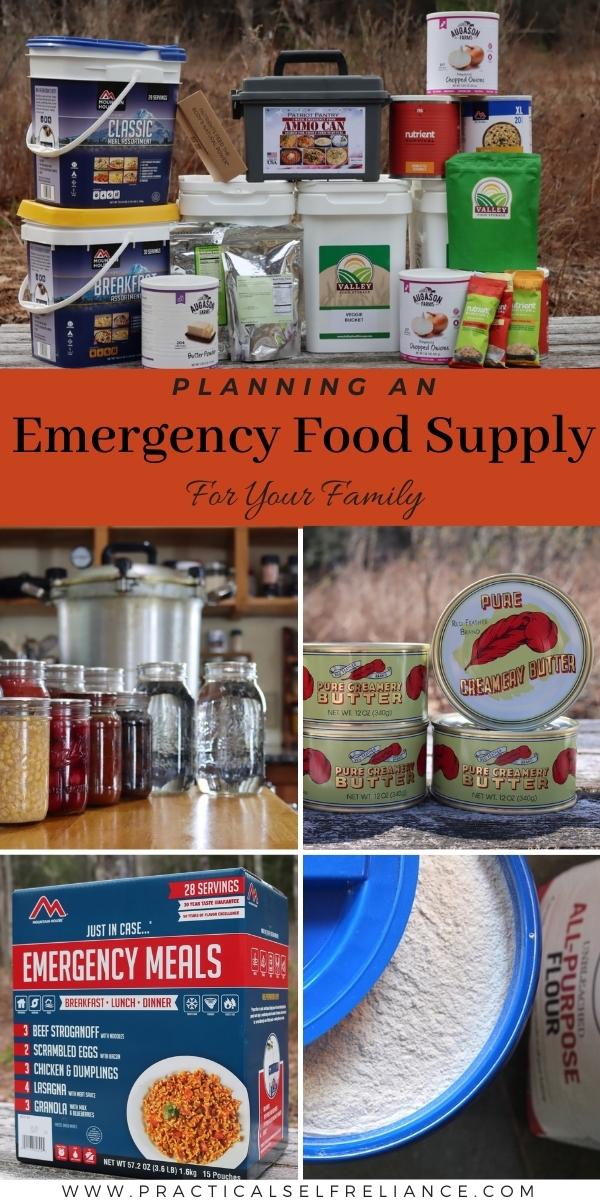
Credit: practicalselfreliance.com
Hydration Essentials
Hydration is a key part of emergency food storage. Water keeps your body working well. Staying hydrated supports energy and health. Plan for clean water sources and ways to refresh it. Also include options to replace lost minerals. A variety of drinks can help maintain fluid balance and morale.
Water Storage And Purification
Store enough water for each person. Experts suggest one gallon per day. Use food-grade containers to keep water safe. Keep water in a cool, dark place. Change stored water every six months.
Purification options are vital. Water filters remove dirt and germs. Boiling water kills bacteria and viruses. Chemical tablets can disinfect water quickly. Have multiple methods ready for different situations.
Electrolyte Powders
Electrolyte powders restore minerals lost through sweat. They help prevent dehydration symptoms like cramps and fatigue. Choose powders that mix easily with water. Store in airtight containers to keep freshness. These powders are lightweight and last long.
Beverage Mixes
Beverage mixes add flavor and variety. Options like powdered juice or tea can boost morale. Choose low-sugar or no-sugar varieties for health. These mixes are easy to store and prepare. They provide comfort during stressful times.
Comfort And Extras
When you think about emergency food storage, the focus often falls on calories and shelf life. But what about the little things that make meals enjoyable and comforting? Adding comfort and extras to your food storage can boost morale and make tough times a bit easier to handle.
Spices And Seasonings
Plain food can quickly become tiresome, especially during extended emergencies. Spices and seasonings add flavor and variety, helping you enjoy your meals more. Keep essentials like salt, pepper, garlic powder, paprika, and dried herbs on hand.
Think about your favorite dishes and which spices make them special. Even a pinch of cinnamon or chili powder can transform a simple meal into something satisfying. Small containers or vacuum-sealed packets save space and keep spices fresh longer.
Sweeteners
Sweeteners do more than just sweeten your food; they provide comfort and energy. Pack honey, sugar, and powdered sugar substitutes like stevia or erythritol. Honey is especially useful since it lasts indefinitely and has natural antibacterial properties.
Sweet treats can lift your spirits during stressful times. Imagine a warm cup of tea with honey or a spoonful of sugar stirred into oatmeal. These small comforts can make a big difference in your daily routine.
Coffee And Tea
Many people rely on coffee or tea to start their day or unwind. Having these beverages available during emergencies can provide a sense of normalcy. Store instant coffee packets, ground coffee sealed in airtight containers, and a variety of teas like black, green, or herbal.
Consider how a simple cup of tea calmed you after a long day. Wouldn’t it be nice to have that same moment during a crisis? Don’t forget to include sugar, creamer, or powdered milk if you use them, so your drinks taste just right.
Packaging And Storage Tips
Proper packaging and smart storage can make all the difference in how long your emergency food lasts and how easy it is to access when you need it. The right containers protect your supplies from moisture, pests, and air, which are the main culprits behind food spoilage. Taking time to organize and maintain your food storage will save you from unpleasant surprises later.
Choosing Containers
Pick containers that are airtight and durable. Mylar bags paired with oxygen absorbers work great for long-term storage of dry goods like rice and beans. For smaller quantities, mason jars with sealed lids keep food fresh and let you easily see the contents.
Plastic buckets with gamma seal lids offer a solid option for bulk storage and can be stacked to save space. Avoid thin plastic bags or containers that can easily tear or let air in. Think about how often you will need to access your food; containers with easy-open lids can be a real time-saver.
Rotation And Maintenance
Do you know what’s sitting in your emergency stash right now? Rotating your food storage ensures nothing expires unnoticed. Label each container with the date you stored it and plan to use older items first.
Set reminders every six months to check for signs of spoilage or pests. Even sealed containers can sometimes fail, so it’s important to open and inspect your supplies regularly. This practice keeps your storage fresh and reliable.
Storage Location Considerations
Where you keep your emergency food matters as much as how it’s packaged. Store food in a cool, dark place to slow down spoilage. Basements or closets away from heat sources work well.
Think about humidity too. High moisture areas can cause mold or rust on cans. If your storage area is prone to humidity, consider adding desiccant packs or using airtight containers to protect your food.
Ask yourself: Is this spot easy to reach in an emergency? You want quick access without having to move a mountain of boxes. Organize your storage so you can grab what you need without hassle.
Frequently Asked Questions
What Are The Best Long-term Emergency Foods?
Best long-term emergency foods include rice, beans, canned vegetables, and freeze-dried meals. These items have a long shelf life and provide essential nutrients. They are easy to store and prepare during emergencies.
How Much Water Should I Store For Emergencies?
Store at least one gallon of water per person per day. Plan for a minimum of three days. Water is vital for drinking, cooking, and hygiene during emergencies.
Which Snacks Are Ideal For Emergency Food Storage?
Choose high-calorie, non-perishable snacks like nuts, granola bars, and dried fruits. These provide quick energy and have a long shelf life. They’re convenient for on-the-go situations.
Should I Include Vitamins In Emergency Food Storage?
Yes, include multivitamins to supplement your diet. Emergency foods might lack some nutrients. Vitamins help maintain health during prolonged emergencies.
Conclusion
Emergency food storage keeps you safe during tough times. Choose foods that last long and give good energy. Include grains, canned goods, and dried fruits. Don’t forget water and some comfort snacks. Rotate your supplies to keep them fresh. Store food in a cool, dry place.
Plan your storage based on your family’s needs. Being ready brings peace and confidence. Start building your emergency food supply today. Small steps make a big difference later. Stay prepared, stay safe.