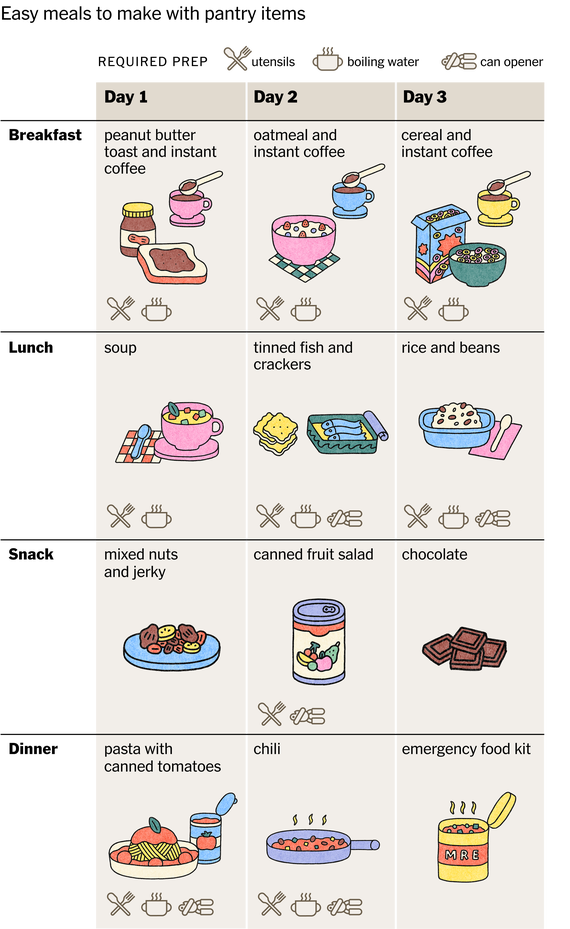
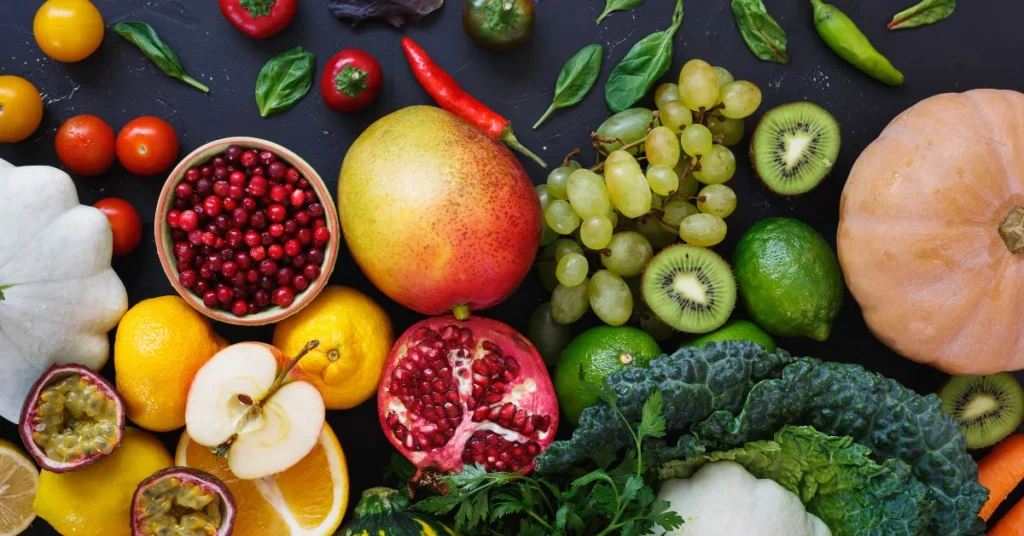
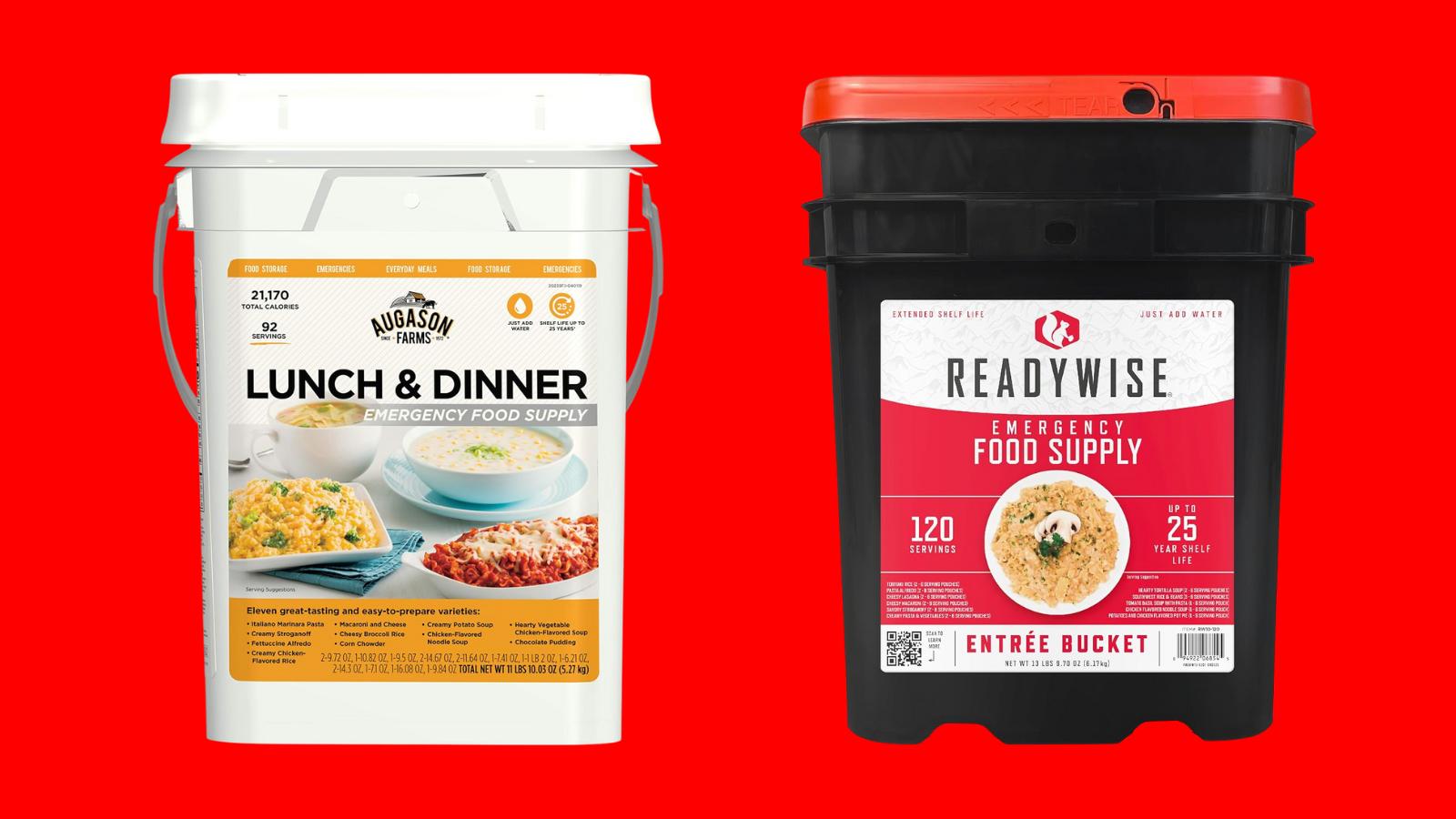
Imagine facing an emergency without the right food to keep you going. Would you know what to reach for?
Having the right food on hand can make all the difference when power is out or stores are closed. You want options that are easy to store, last a long time, and give you the energy you need. You’ll discover exactly what foods you should keep ready so you’re never caught off guard.
Keep reading to learn simple, smart choices that protect you and your family when it matters most.
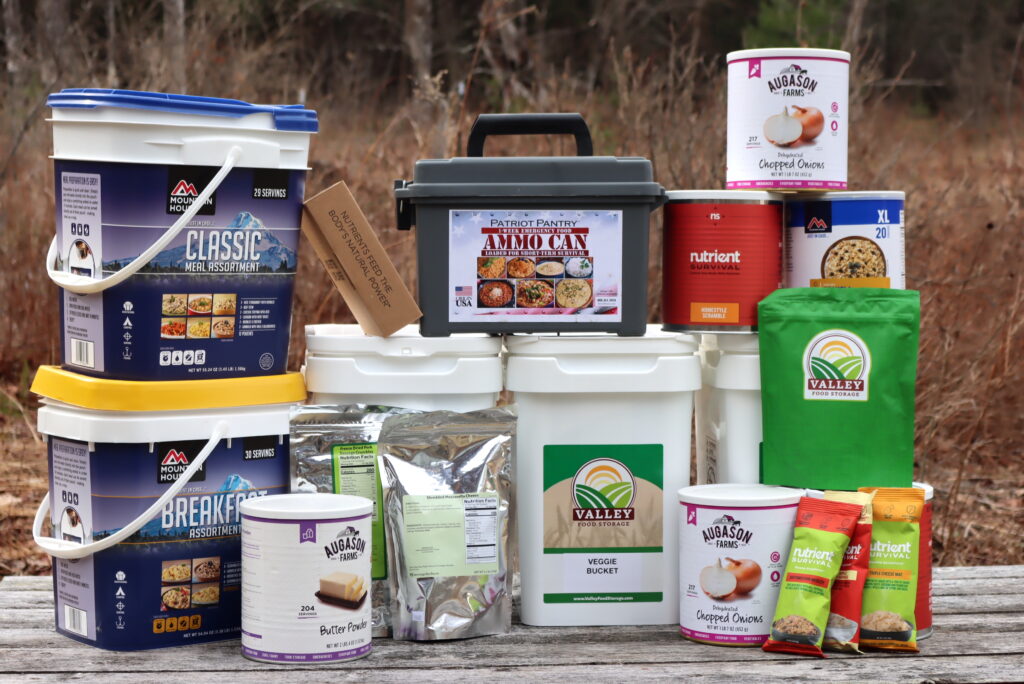
Credit: practicalselfreliance.com
Non-perishable Staples
Non-perishable staples form the backbone of any emergency food supply. These foods last long without refrigeration and provide essential nutrients. They help maintain energy and strength during uncertain times. Stocking a variety of non-perishables ensures balanced meals and reduces food waste.
Canned Proteins
Canned proteins offer a ready source of nutrition. They include:
- Tuna and salmon – rich in omega-3 fatty acids
- Chicken and turkey – lean and easy to prepare
- Beans and lentils – plant-based protein options
- Spam or canned ham – long shelf life and filling
These items require no cooking or minimal preparation. They keep well for years and are easy to store.
Dried Grains And Legumes
Dried grains and legumes provide energy and fiber. Examples include:
- Rice – versatile and stores for a long time
- Quinoa – a complete protein and easy to cook
- Beans and lentils – good protein and fiber sources
- Oats – ideal for quick breakfasts
These foods need water and heat to cook but last for months. They form the base of many emergency meals.
Powdered And Shelf-stable Dairy
Powdered and shelf-stable dairy provides calcium and protein. Common options are:
- Powdered milk – easy to rehydrate for drinking or cooking
- Evaporated milk – creamy and shelf-stable
- Shelf-stable cheese – lasts without refrigeration
- Non-dairy milk alternatives – long shelf life and variety
These products add flavor and nutrients to meals. They help maintain a balanced diet during emergencies.
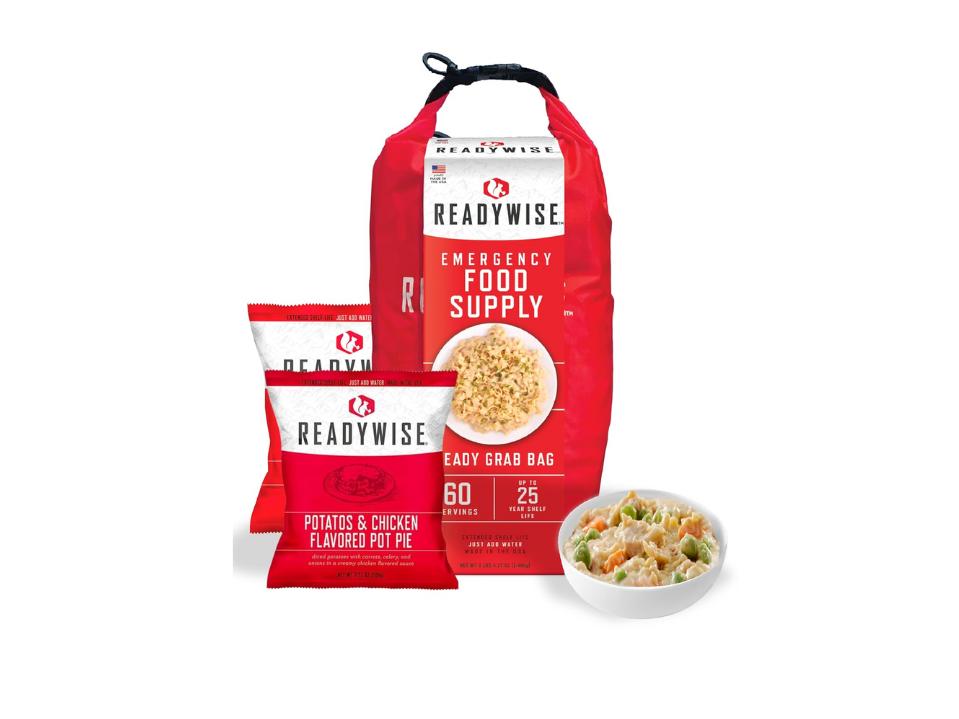
Credit: www.forbes.com
Nutrient-dense Snacks
Keep nutrient-dense snacks like nuts, seeds, and dried fruits ready for emergencies. These foods provide energy and essential vitamins in a small package. Easy to store and long-lasting, they help maintain strength during tough times.
Nutrient-dense snacks are essential during emergencies. They provide energy and essential nutrients. Stocking up on these snacks ensures you stay nourished when food supplies are limited. They are compact, easy to store, and have a long shelf life.Nuts And Seeds
Nuts and seeds are perfect emergency snacks. They are rich in healthy fats and proteins. Almonds, walnuts, and sunflower seeds are top choices. These snacks also offer fiber, which aids digestion. Store them in airtight containers to keep them fresh.Energy Bars And Trail Mix
Energy bars are compact and nutrient-rich. They deliver quick energy and are easy to carry. Choose bars with whole grains, nuts, and minimal sugar. Trail mix combines nuts, seeds, and dried fruits. It offers a balanced mix of carbohydrates, fats, and proteins. Pack them in small, resealable bags for convenience.Dehydrated Fruits
Dehydrated fruits are lightweight and nutritious. They retain most of their vitamins and minerals. Popular choices include apples, bananas, and apricots. These snacks satisfy sweet cravings without added sugar. Store them in cool, dry places to extend their shelf life.Hydration Essentials
Staying hydrated is vital during any emergency. Water keeps your body working well and helps avoid health problems. Having the right hydration supplies ready can make a big difference. Prepare to meet your body’s water needs safely and easily.
Bottled Water Storage
Store enough bottled water for each person. Aim for at least one gallon per day. Keep water in a cool, dark place to maintain freshness. Use containers made for water storage. Replace stored water every six months to keep it safe.
Water Purification Methods
Water may not always be clean during emergencies. Have several ways to purify water. Boiling water for one minute kills most germs. Use water purification tablets for quick treatment. Portable water filters remove dirt and bacteria. These options help ensure safe drinking water.
Electrolyte Solutions
Electrolytes help maintain fluid balance in the body. Include electrolyte powders or ready-made drinks in your supplies. They help prevent dehydration, especially after illness or heat exposure. Choose low-sugar options to stay healthy. Keep these solutions handy for quick use.
Cooking And Preparation Supplies
Having the right cooking and preparation supplies during an emergency can make a big difference in how well you manage your food resources. Without reliable tools, even the best emergency food stockpile can go to waste. Think about your last camping trip—did you struggle with limited cooking gear? That frustration highlights why preparing now is so important.
Portable Cooking Equipment
Choose lightweight, compact cooking gear that suits your emergency needs. A small camping stove or a portable gas burner works well because it’s easy to carry and quick to set up.
Look for options that can cook multiple types of meals, like a single burner with adjustable heat settings. Avoid bulky equipment that’s hard to store or maintain.
Fuel And Fire Starters
Fuel is just as important as the cooking device. Stock up on fuel that matches your stove, such as propane canisters or solid fuel tablets. Keep extras in a safe, dry place.
Don’t rely only on fuel; pack fire starters like waterproof matches, lighters, or fire steel rods. These give you backup options to ignite your stove or start a fire in different conditions.
Utensils And Containers
Invest in durable, multi-purpose utensils. A sturdy pot, pan, and a set of eating utensils are essential. Choose materials that are easy to clean and won’t break under stress.
Also, have containers for storing leftovers or carrying meals. Leak-proof, stackable containers save space and keep food fresh longer. What utensils do you find indispensable when cooking outdoors or during power outages?
Special Dietary Needs
Special dietary needs require careful planning during emergencies. Stocking the right foods ensures everyone stays nourished and healthy. People with allergies or dietary restrictions must have safe, suitable options on hand. This section highlights choices for gluten-free, vegetarian, vegan, and allergy-sensitive diets.
Gluten-free Options
Gluten-free foods prevent reactions for those with celiac disease or gluten sensitivity. Include canned beans, rice, and gluten-free pasta. Keep gluten-free snacks like nuts, seeds, and dried fruits. Gluten-free flours such as almond or coconut flour also last long. Check labels carefully to avoid hidden gluten ingredients.
Vegetarian And Vegan Picks
Plant-based diets need protein and nutrients from non-meat sources. Store canned lentils, chickpeas, and black beans for protein. Include shelf-stable tofu or tempeh if refrigeration is possible. Choose whole grains like quinoa and brown rice. Keep nuts, seeds, and nut butters for healthy fats. Fortified plant milks can provide calcium and vitamin D.
Allergy-friendly Foods
Allergy-friendly foods avoid common triggers like nuts, dairy, and soy. Opt for canned vegetables, fruits, and meats without additives. Use seeds such as sunflower or pumpkin as nut substitutes. Store rice, potatoes, and gluten-free grains as safe carb sources. Always read ingredient lists to prevent accidental exposure to allergens.
Long-term Storage Tips
Storing food for emergencies requires careful planning. Long-term storage keeps food safe and edible for months or years. Proper techniques protect food from damage and spoilage. Follow these tips to extend shelf life and maintain quality.
Proper Sealing And Packaging
Seal food tightly to block air and moisture. Use airtight containers, vacuum bags, or mylar bags with oxygen absorbers. Avoid plastic bags alone, as they can tear easily. Label packages with dates and contents for easy tracking.
Optimal Storage Conditions
Store food in a cool, dry, and dark place. Temperatures between 50°F and 70°F are ideal. Avoid sunlight, heat sources, and humidity. Keep food off the floor to prevent pests and water damage. Use shelves or pallets for better air circulation.
Rotation And Shelf Life
Practice the “first in, first out” method. Use older items before newer ones. Check expiration dates regularly and replace expired food. Keep a list of stored items and update it often. Rotate stock every six to twelve months for best results.

Credit: www.amazon.ca
Frequently Asked Questions
What Are The Best Non-perishable Emergency Foods?
The best non-perishable emergency foods include canned beans, rice, pasta, peanut butter, and dried fruits. These items last long and provide essential nutrients during emergencies.
How Much Food Should I Store For Emergencies?
Store at least a three-day supply of food per person. For longer emergencies, consider a two-week supply to ensure adequate nutrition and energy.
Which Foods Provide The Most Energy In Emergencies?
High-calorie foods like nuts, granola bars, and peanut butter provide quick energy. They are easy to store and consume without preparation.
Can I Store Fresh Fruits And Vegetables For Emergencies?
Fresh fruits and vegetables have a short shelf life. Instead, opt for canned or dried varieties to ensure availability during emergencies.
Conclusion
Having the right food ready can ease stress during emergencies. Choose items that last long and need little prep. Keep a mix of proteins, grains, and fruits. Water is just as important as food. Regularly check your supplies to avoid spoilage.
Simple steps now can protect you later. Stay prepared, stay safe.