Imagine you find yourself in a situation where you need to stay safe and protected from harsh weather, wild animals, or unexpected dangers. Do you know how to build an emergency survival shelter that can keep you warm and secure?
Your ability to create a reliable shelter could make all the difference between comfort and danger. You will learn simple, step-by-step techniques to build a shelter using materials you can find around you. By the end, you’ll feel confident and ready to face any emergency with a safe place to stay.
Keep reading, because your safety might depend on it.
Choosing The Right Location
Choosing the right location for your emergency survival shelter is a crucial decision that affects your safety and comfort. The spot you pick can protect you from harsh weather, keep you hidden from danger, and provide easy access to essentials. Take your time to evaluate your surroundings carefully before settling down.
Assessing Terrain And Safety
Look for flat ground to build your shelter. Uneven or rocky terrain can make setting up difficult and uncomfortable. Avoid low spots where water could collect during rain, turning your shelter into a swampy trap.
Check for signs of animal activity. You don’t want to build near dens or trails that wild animals use. Also, make sure there’s enough natural cover like bushes or trees to shield you from wind and help you stay hidden.
Avoiding Natural Hazards
Stay clear of areas prone to flooding, landslides, or falling rocks. A steep hillside may seem like a good vantage point but can be dangerous if debris starts rolling down. Watch out for dead trees or branches overhead that might fall during storms.
Think about the direction of prevailing winds and sun exposure. Positioning your shelter away from strong winds can reduce heat loss, while morning sun can help warm you up after cold nights. Can you spot any nearby signs of unstable ground or water runoff?
Proximity To Resources
Your shelter should be near vital resources but not too close to attract unwanted attention. Water sources are essential, but setting up right next to a river or lake can expose you to insects or flooding. Aim for a spot within a reasonable walking distance to fresh water.
Consider nearby food sources like edible plants or areas with game. Also, check if you can gather firewood easily. How far are you willing to travel each day to collect what you need without risking exhaustion or exposure?
Selecting Shelter Types
Choosing the right type of shelter is vital for survival. It protects from weather, animals, and cold. Different situations call for different shelters. Understanding each type helps you pick the best one fast. Consider your environment, materials, and time available.
Natural Shelters
Natural shelters use existing features in the environment. Examples include caves, rock overhangs, and dense trees. These spots offer good protection without building effort. They block wind and rain effectively. Always check for safety before using. Beware of animals or unstable ground.
Man-made Structures
Man-made shelters provide sturdy protection if found nearby. Look for abandoned huts, cabins, or sheds. These offer solid walls and roofs. They save time and energy in emergencies. Inspect them carefully for damage or hazards. Clean the area and make it livable quickly.
Improvised Options
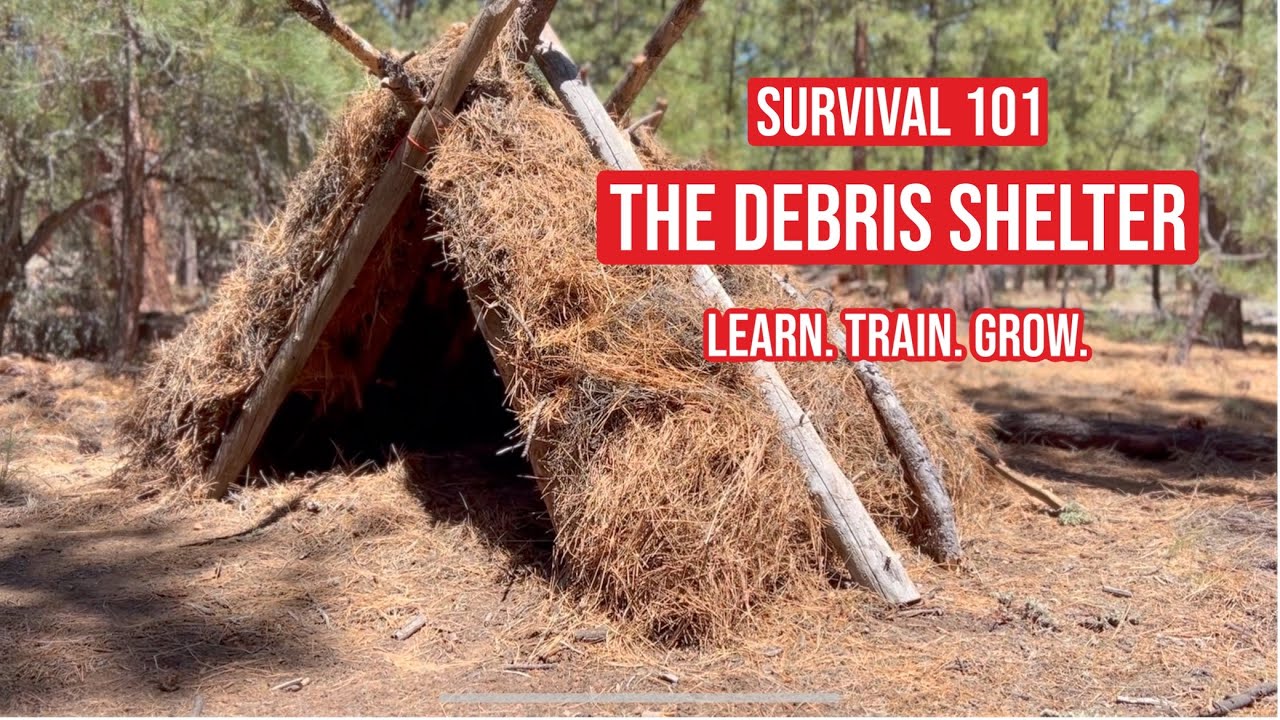
Improvised shelters use available materials to build quickly. Branches, leaves, tarps, or clothing help create cover. Shapes like lean-tos, debris huts, or A-frames work well. Focus on insulation and waterproofing. Build low to the ground to hold heat. These shelters suit short-term survival needs.
Gathering Materials
Collect dry branches, leaves, and sturdy sticks from nearby areas. Choose materials that are easy to carry and provide good insulation. Gather enough to build a strong and warm shelter quickly.
Gathering materials for an emergency survival shelter is a crucial step that can determine the safety and comfort of your refuge. The right materials not only provide protection from the elements but also ensure that your shelter is sturdy and reliable. Let’s dive into the essentials of gathering materials effectively.Using Natural Resources
Nature offers a treasure trove of materials that can be used to build a shelter. Look around for fallen branches, leaves, and rocks. These can be the backbone of your structure, providing both support and insulation. Consider the terrain and the availability of resources. In a forest, branches and leaves are abundant, while in rocky areas, stones can be used as a solid foundation. Always remember to use what nature provides without causing harm to the environment.Essential Tools And Supplies
To efficiently gather and use materials, having the right tools is essential. A sturdy knife or multi-tool can be invaluable for cutting and shaping wood. If you’re planning ahead, pack a lightweight tarp or emergency blanket for additional coverage. Think about what you can easily carry in a backpack. Rope or cordage can be used to tie structures together, while a small shovel can help in clearing or leveling ground. These tools make the construction process faster and more efficient.Transporting Materials
Once you’ve identified your materials, the next challenge is transporting them to your shelter site. Use a backpack or carry them by hand, depending on the distance and weight. Organize your trips to minimize energy expenditure. Consider building a simple sled or using a piece of fabric to drag heavier items. This can save you time and energy, especially if you’re alone. Always balance the effort of transporting materials with their necessity for your shelter. Are there other creative ways you can think of to make transporting easier? Engage with your environment and think outside the box to find solutions.
Credit: www.youtube.com
Building The Shelter Frame
Building the shelter frame is the backbone of your emergency survival shelter. Without a solid frame, the entire structure can fail under pressure from weather or weight. Focus on creating a frame that balances strength with simplicity, so you can build it quickly and rely on it when it matters most.
Designing A Stable Structure
Start by choosing a simple design that suits your environment, like an A-frame or lean-to. These shapes naturally shed rain and snow, reducing the risk of collapse. Think about the size you need—too big, and it becomes hard to manage; too small, and you might not have enough space to stay comfortable.
Use sturdy, straight branches or poles for the main frame. Avoid weak or rotten wood, as it can snap easily. Lay out your frame on the ground first to check stability before raising it upright.
Securing Support Elements
Once your frame is designed, focus on securing each part tightly. Use natural cordage like vines or bark strips, or carry lightweight paracord in your survival kit. Tying strong knots is crucial; a poor knot can undo hours of work.
- Cross joints at angles to improve rigidity.
- Double-tie critical points for extra security.
- Check for wobbling as you build and adjust.
Have you ever felt your shelter shake in the wind? That’s a sign you need to reinforce those joints. Don’t rush—taking a little extra time here pays off in safety.
Creating A Durable Roof
The roof protects you from the elements, so it must be waterproof and strong. Start by layering branches or sticks across the top frame. Then, cover them with leaves, pine needles, or any available greenery to block rain.
If you have a tarp or plastic sheet, use it as a final layer for better waterproofing. Make sure the roof slopes enough to let water run off easily. A flat or poorly angled roof invites leaks and potential collapse.
Try pressing your hand against the roof during a rainstorm to spot weak spots. This simple test can save you from getting soaked and cold when you least want it.
Insulating And Weatherproofing
Insulating and weatherproofing your emergency survival shelter is vital for staying warm and dry. Proper insulation keeps the heat inside, while weatherproofing blocks rain, snow, and wind. These steps make your shelter safer and more comfortable in harsh conditions.
Adding Insulation Layers
Use natural materials like leaves, pine needles, or grass to add insulation. Place a thick layer on the floor to stop cold from the ground. Build walls with branches and cover them with moss or bark for extra warmth.
Cloth, blankets, or even plastic bags can help trap heat inside. Layer materials to create air pockets that hold warmth. Avoid leaving gaps where cold air can enter.
Waterproofing Techniques
Keep water out by using tarps, plastic sheets, or large leaves on the shelter roof. Secure the covering tightly to prevent leaks. Overlap materials like shingles to guide water away.
Seal gaps with mud, clay, or pine resin to block water entry. Avoid materials that absorb water, as they can make the shelter damp.
Wind Protection Methods
Build your shelter near natural windbreaks such as trees or rocks. Position the entrance away from prevailing winds. Use thick walls made from wood or packed earth to block strong gusts.
Fill gaps with leaves or snow to stop cold air from entering. Tie down loose coverings to prevent them from blowing away during storms.

Credit: www.youtube.com
Enhancing Shelter Comfort
Creating a shelter is not just about protection. Comfort plays a big role in survival. A comfortable shelter helps keep spirits high and energy levels steady. Small changes can make a big difference in how you feel inside your shelter. Focus on flooring, ventilation, and lighting to boost comfort.
Flooring Solutions
Cold, wet ground can cause discomfort and illness. Use natural materials like leaves, pine needles, or grass to make a soft floor layer. This layer adds insulation and keeps moisture away. If available, bring foam pads or blankets to create a warmer base. Elevate your sleeping area using logs or rocks to avoid dampness. A dry and cushioned floor improves rest and warmth.
Ventilation Tips
Proper airflow prevents stuffiness and reduces moisture build-up. Design small vents near the top and bottom of your shelter for fresh air. Avoid large openings to keep cold air out. Use flaps or adjustable covers on vents to control airflow. Good ventilation stops mold and keeps air fresh for breathing.
Lighting And Safety
Natural light brightens your shelter during the day and lifts your mood. Position your shelter near a natural light source if possible. For night, use battery-powered lanterns or solar lights to avoid fire risks. Keep a flashlight handy for emergencies. Clear pathways inside and outside the shelter to prevent trips and falls. Good lighting helps you stay safe and organized.
Maintaining And Repairing Shelter
Keeping your emergency survival shelter in good shape is key for safety and comfort. Regular care helps your shelter last longer and protects you from harsh weather. Simple checks and quick fixes keep the shelter strong and reliable.
Regular Inspections
Check your shelter often to spot problems early. Look for cracks, leaks, or weak spots. Pay attention to the roof, walls, and floor. Inspect after storms or strong winds. Use a flashlight to see dark corners. Write down any damage you find. Early detection saves time and effort later.
Fixing Structural Issues
Repair damage as soon as you find it. Replace broken branches or poles supporting the shelter. Patch holes in walls with leaves, cloth, or plastic. Tighten loose ropes or ties. Clear debris from the roof to stop leaks. Use natural materials nearby to fix small problems. Keep tools like a knife and rope handy for quick repairs.
Adapting To Changing Conditions
Change your shelter based on the weather and season. Add more insulation during cold months. Create more ventilation in hot weather to stay cool. Raise the floor if the ground gets wet. Move the shelter if the area floods. Adjust the entrance to block wind or rain. Stay flexible to keep your shelter safe and comfortable.

Credit: m.youtube.com
Frequently Asked Questions
What Materials Are Best For Emergency Survival Shelters?
Use natural materials like branches, leaves, and bark for insulation. Tarps, ponchos, or plastic sheets work well as waterproof covers. Choose materials that are lightweight, durable, and easy to find in your environment. Combining both natural and synthetic materials offers optimal protection.
How Long Does It Take To Build A Survival Shelter?
Building a basic emergency shelter usually takes 30 minutes to 2 hours. The time varies depending on available materials and shelter complexity. Practice simple designs like debris huts for faster construction. Quick shelters provide immediate protection from weather and help conserve energy.
Where Should I Build An Emergency Survival Shelter?
Choose a dry, flat area away from hazards like flooding or falling branches. Shelter near natural windbreaks such as rocks or dense trees. Avoid low spots that collect water. Location affects warmth, safety, and comfort during survival situations.
How Can I Insulate An Emergency Shelter Effectively?
Use leaves, pine needles, or grass to create thick insulation layers inside the shelter. Insulation traps body heat and keeps cold air out. Avoid using wet materials as they reduce insulation. Proper insulation boosts warmth and improves shelter comfort.
Conclusion
Building a strong emergency survival shelter takes planning and care. Use simple materials you can find around you. Keep your shelter dry and warm to stay safe. Practice building it before an emergency happens. A good shelter protects you from wind, rain, and cold.
Remember, your safety depends on how well you prepare. Stay calm, stay ready, and trust your skills. Shelter is your first step to survive in the wild. Keep learning and improving your shelter-building skills every day.


