Have you ever wondered how long you could survive without shelter? Imagine being exposed to the elements with no protection from rain, wind, or extreme temperatures.
Your body relies on shelter more than you might think. You’ll discover the surprising limits of human endurance without a safe place to rest and how different conditions affect your chances of survival. Keep reading to learn what really happens when you face the wild without shelter—and what you can do to stay alive longer.

Credit: blanchethouse.org
Survival Basics Without Shelter
Surviving without shelter requires understanding key basics. Shelter protects the body from harsh conditions. Without it, the body struggles to maintain warmth and safety. Knowing how shelter affects survival helps in tough situations.
Role Of Shelter In Human Survival
Shelter shields from rain, wind, and cold. It keeps the body temperature stable. Without shelter, the risk of hypothermia rises quickly. Shelter also offers protection from insects and animals. It creates a safe space to rest and recover energy.
Impact Of Weather Conditions
Weather greatly affects survival time without shelter. Cold weather can cause frostbite and hypothermia in hours. Hot weather may lead to heatstroke and dehydration. Rain and wind lower body temperature fast. Dry climates increase water loss from the body.
Essential Needs Beyond Shelter
- Water is crucial to prevent dehydration.
- Food provides energy to keep warm and alert.
- Fire helps with warmth, cooking, and signaling for help.
- Clothing offers some protection if no shelter is available.
- Rest is vital to maintain strength and focus.
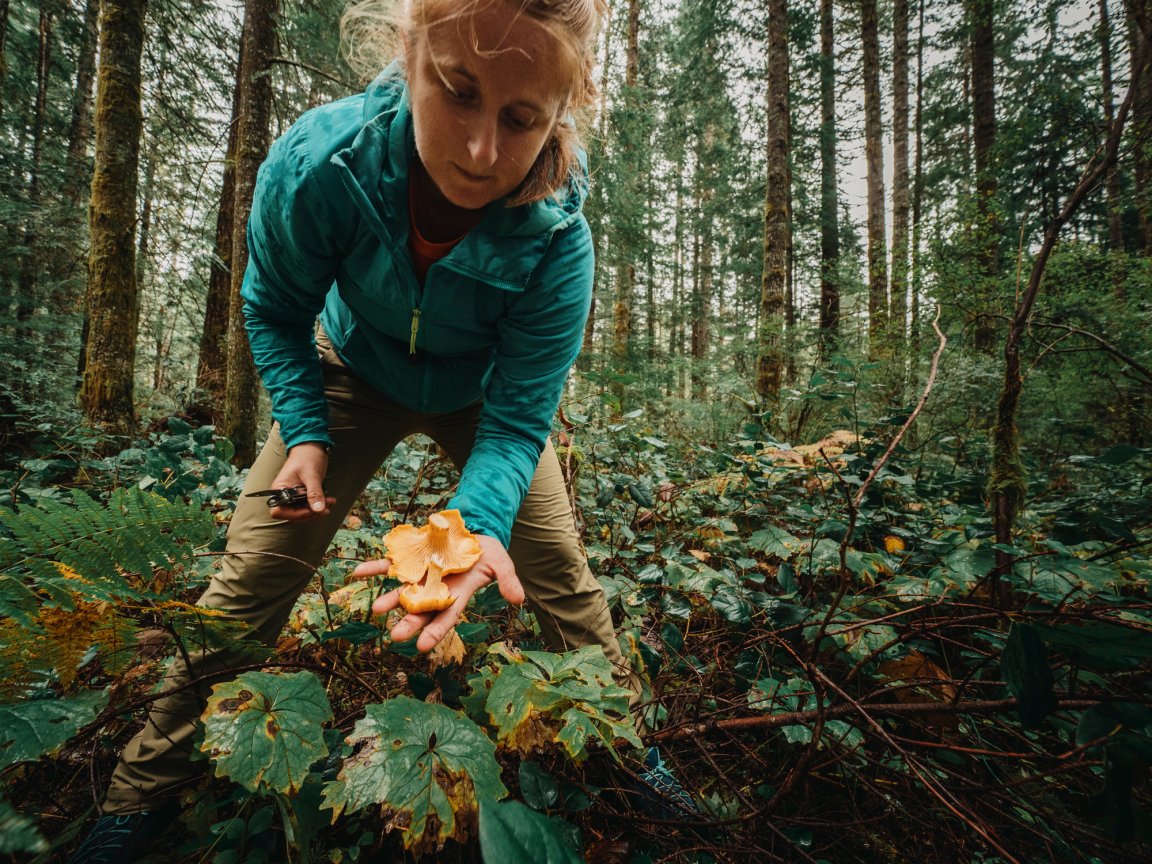
Credit: www.outdoorlife.com
Time Limits For Survival
Survival without shelter depends greatly on the environment. The body’s ability to maintain heat and hydration defines how long a person can last. Exposure to harsh weather speeds up physical decline. Understanding time limits in various conditions helps prepare for emergencies. The risks vary widely between extreme cold, heat, and wet conditions.
Survival In Extreme Cold
Cold weather is one of the most dangerous conditions for survival. The body loses heat faster than it can produce it. Without shelter, hypothermia can develop in minutes to hours. Wet clothes and wind increase heat loss dramatically. Frostbite may occur within 30 minutes in very low temperatures.
- Below freezing, survival time can be less than 3 hours.
- Strong wind chills speed up heat loss.
- Dry cold conditions allow slightly longer survival.
Warm clothing and insulation are critical. Shelter slows heat loss and extends survival time.
Survival In Extreme Heat
High temperatures cause dehydration and heatstroke quickly. Without shade or shelter, the body overheats fast. Heat exhaustion can occur in a few hours. Heatstroke, a life-threatening condition, may develop within 6 hours or less.
- Exposure to direct sun increases risk.
- Water loss through sweating reduces survival time.
- Resting in shade extends survival potential.
Finding or creating shade is crucial. Staying hydrated slows the effects of heat.
Effects Of Rain And Wind Exposure
Rain and wind together increase the risk of hypothermia, even in mild temperatures. Wet clothes lose insulating properties. Wind removes body heat quickly. Survival time reduces from hours to minutes in some cases.
- Wet and windy conditions can lower body temperature fast.
- Prolonged exposure may cause hypothermia below 50°F (10°C).
- Windproof and waterproof layers improve chances.
Shelter protects from moisture and wind, crucial for survival.
Body’s Response To Exposure
The body struggles to keep warm and dry without shelter, risking hypothermia quickly. Dehydration and heat loss weaken survival chances in harsh conditions. Exposure time varies but can be deadly within hours in extreme weather.
Experiencing the harshness of nature without shelter can significantly impact your body. Exposure to extreme temperatures, whether hot or cold, triggers specific responses in your body that can be life-threatening. Understanding these responses can help you take immediate action if you ever find yourself in such a situation.Hypothermia And Its Stages
When you are exposed to cold temperatures, your body loses heat faster than it can produce it. This can lead to hypothermia, a dangerous drop in body temperature. Initial symptoms include shivering and confusion. As it progresses, shivering stops, which is a critical sign that your body is losing the ability to generate heat. Severe hypothermia can lead to unconsciousness, and without intervention, it can be fatal. Recognizing these stages early is crucial for survival.Heatstroke And Dehydration
On the flip side, excessive heat exposure can lead to heatstroke. This is when your body overheats and can’t cool down by sweating. Symptoms include a rapid pulse and hot, dry skin. Unlike hypothermia, you won’t feel cold, but the situation is just as dire. Dehydration can exacerbate these conditions, as your body loses essential fluids and salts. Ensuring you have access to water can make a significant difference.Physical And Mental Effects
Exposure isn’t just a physical battle; it also takes a mental toll. Prolonged exposure can lead to fatigue and confusion, impairing your judgment. Your body may feel weak, and simple tasks become challenging. Mentally, the stress of survival can lead to anxiety and panic. Have you ever wondered how long you could keep your wits about you in such situations? Staying calm and focused can be your best ally. Understanding how your body responds to exposure can help you make better decisions in critical moments. Always prioritize finding shelter or protection against the elements. Your body is resilient, but it needs your help to survive.Real-life Survival Stories
Real-life survival stories reveal how long a person can endure without shelter under extreme conditions. These accounts show not just the limits of human endurance but also the power of quick thinking and resilience. They offer practical lessons that can prepare you for unexpected situations.
Cases Of Extended Exposure
One striking story involves a hiker lost for nine days in freezing temperatures without proper shelter. Despite the cold, the hiker survived by creating a makeshift snow cave and conserving body heat. This shows that even simple shelter alternatives can dramatically increase survival chances.
Another case is a man stranded in the desert for over a week with no shade or shelter. He focused on rationing water and finding natural sun protection like sparse bushes and rock formations. This highlights the importance of using the environment to shield yourself when no proper shelter is available.
These examples raise a question: How would you use your surroundings if you suddenly lost your shelter? Would you know what to look for or how to protect yourself from the elements?
Lessons From Survival Experts
Survival experts stress that shelter is a top priority after securing water and warmth. They teach techniques such as building lean-tos, debris huts, or even digging trenches to block wind. These methods can be learned quickly and used with minimal tools.
Experts also emphasize the value of staying calm and assessing your environment carefully. Panicking wastes energy and can lead to poor choices. Instead, focus on finding or creating shelter that protects from wind, rain, heat, or cold.
- Always carry lightweight materials like a tarp or emergency blanket for quick shelter.
- Learn basic knots and lashings to build sturdy, improvised shelters.
- Practice shelter-building skills in safe environments to be ready when needed.
How prepared are you to build or find shelter if you found yourself exposed to harsh weather? Your survival could depend on your ability to act quickly and wisely.
Improvised Shelter Techniques
Improvised shelter techniques can greatly increase survival chances in harsh environments. Shelter protects from wind, rain, cold, and sun. Creating a shelter using available resources is a vital skill. Simple and quick methods can provide warmth and safety. Understanding materials and construction tips helps build effective shelters fast.
Natural Materials For Shelter
Natural materials offer excellent options for building shelters. Leaves, branches, and bark provide insulation and cover. Pine needles and moss make soft, warm bedding. Large leaves or broad bark pieces work well as roofing. Stones can create windbreaks or support walls. Using what nature offers reduces the need for tools.
- Branches and sticks for framework
- Leaves and grass for insulation
- Bark for waterproof covering
- Rocks to anchor or protect
- Moss or pine needles for bedding
Quick Shelter Building Tips
Speed matters in shelter building during survival. Choose a location protected from wind and water flow. Build small, simple structures first to save time. Use a lean-to or debris hut design for fast assembly. Layer natural materials thickly to keep warmth inside. Secure the shelter well against weather and animals.
- Pick dry, flat ground
- Face entrance away from wind
- Start with a strong frame
- Layer leaves and branches thickly
- Make the shelter just big enough
Preventing Danger Without Shelter
Surviving without shelter exposes you to many dangers, but taking smart actions can greatly reduce risks. Your ability to prevent harm depends on how well you manage your body’s needs and environment. Simple choices about warmth, location, and communication can make a critical difference.
Staying Warm And Dry
Cold and wet conditions are your biggest enemies without shelter. Staying dry is essential because water steals heat from your body much faster than cold air. Use any available materials like leaves, clothing, or plastic to create a barrier against moisture.
Layer your clothing to trap body heat. Even if you don’t have a jacket, stuffing dry leaves inside your clothes can help. Remember, shivering is an early warning sign your body is losing heat—take it seriously before it gets worse.
Finding Safe Locations
Choosing where to stay can protect you from hazards like wind, flooding, and animals. Look for natural windbreaks such as dense bushes, rock formations, or fallen trees. Avoid low spots where cold air settles or water collects.
Think about safety beyond just weather. Is the area free from insect nests or signs of large animals? A spot near a water source is good, but only if it doesn’t flood or attract predators. Your instincts can guide you—trust them.
Signaling For Help
Without shelter, rescue might take longer, so signaling is vital. Use bright or contrasting materials to catch attention. You can create ground signals with rocks or sticks arranged in an SOS pattern or large arrows pointing to your location.
If you have a whistle or mirror, use them to make noise or reflect sunlight toward rescuers. Even simple tapping on metal or shouting at intervals can increase your chances of being found. Ask yourself: How visible are you from the air or distance right now?

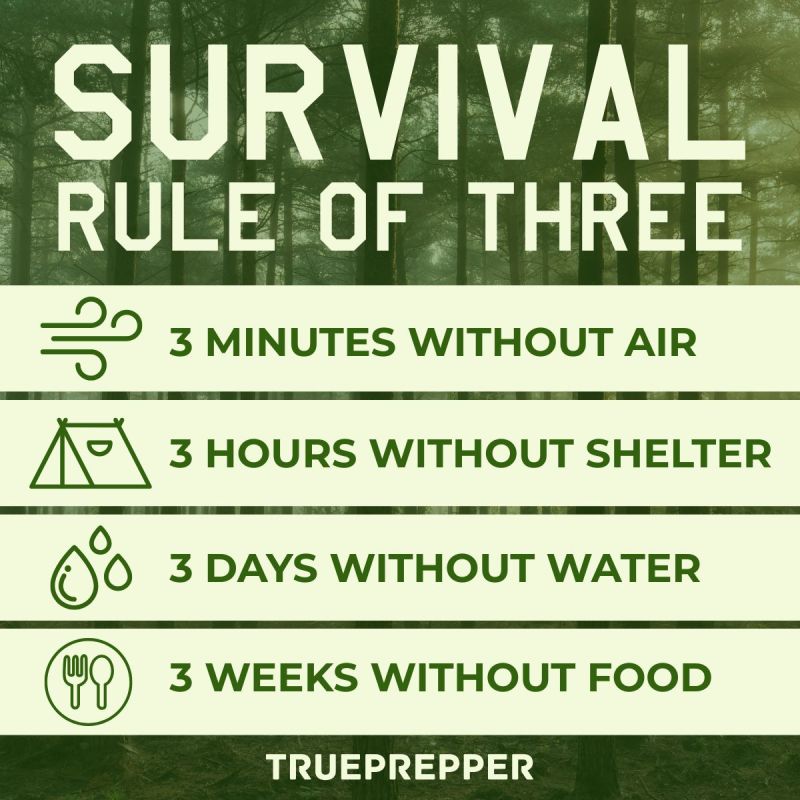
Credit: trueprepper.com
Frequently Asked Questions
How Long Can A Person Survive Without Shelter?
A person can survive from a few hours to several days without shelter. Survival depends on weather, temperature, and access to water. Cold and wet conditions reduce survival time drastically. Shelter protects against hypothermia, heatstroke, and other environmental dangers.
What Factors Affect Survival Without Shelter?
Survival depends on weather, temperature, hydration, clothing, and physical condition. Cold weather and rain increase risk quickly. Heat and sun exposure also pose threats. Access to water and food helps extend survival time significantly.
Can Someone Survive Without Shelter In Extreme Cold?
Without shelter, survival in extreme cold is limited to a few hours. Hypothermia risk increases rapidly without protection from wind and moisture. Insulated clothing and fire can extend survival time but shelter is crucial.
Does Shelter Improve Chances Of Survival Outdoors?
Yes, shelter greatly improves survival chances. It provides protection from weather, conserves body heat, and reduces exposure risks. Shelter helps maintain body temperature and prevents hypothermia or heat-related illnesses.
Conclusion
Surviving without shelter depends on many factors. Weather, health, and available resources matter most. Cold and rain can shorten survival time quickly. Finding protection from elements is very important. People can last days or weeks in good conditions. But exposure can cause serious harm fast.
Shelter helps keep the body safe and warm. Always prepare for emergencies to stay safe outside. Understanding risks helps people make better choices. Shelter is not just comfort—it can save lives.


