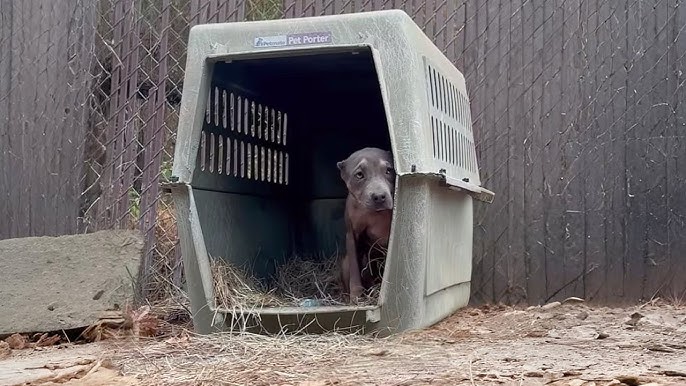
Have you ever wondered if animals really need shelter to survive? You might think they can just live anywhere, but shelter plays a huge role in their lives.
It protects them from harsh weather, predators, and helps them raise their young safely. Understanding why shelter matters for animals can change the way you see the natural world around you. Keep reading, and you’ll discover surprising facts that will make you appreciate how vital shelter is for every creature’s survival.

Credit: www.mondou.com
Importance Of Shelter For Animals
Shelter plays a vital role in animal survival. It offers a safe space for animals to live, grow, and protect themselves. Without shelter, animals face many dangers that can threaten their lives. Shelter is not just a place to rest; it supports their health and wellbeing in many ways.
Protection From Weather
Shelter shields animals from harsh weather conditions. It keeps them warm during cold days and cool during hot weather. Shelter also protects animals from rain, snow, and strong winds. This protection helps animals avoid illness and stay healthy.
Safety From Predators
Shelter offers a safe hiding place from predators. Animals use shelter to avoid attacks and escape danger. It acts as a barrier that keeps them out of reach. This safety increases their chances of survival in the wild.
Rest And Reproduction
Animals need shelter for rest and to raise their young. A secure place helps them sleep without stress. It also provides a safe area for babies to grow. Shelter supports family care and the continuation of species.

Credit: www.animalsasia.org
Types Of Animal Shelters
Animals need shelter to protect themselves from weather and predators. Shelters provide safety and comfort. Different animals use different types of shelters. These shelters can be natural or built by humans. Some shelters are temporary, while others last a long time. Understanding these types helps us see how animals survive in nature.
Natural Shelters
Natural shelters are made by the environment. Animals use trees, caves, and bushes for protection. These shelters are easy to find and blend with nature. Birds nest in trees. Bears hide in caves. Small animals burrow underground. Natural shelters keep animals safe from rain, heat, and enemies.
Built Shelters
Built shelters are made by humans or animals. Beavers build dams and lodges with sticks. Humans create birdhouses and animal shelters for pets. These shelters offer extra protection and comfort. Built shelters can be strong and safe. They help animals survive in harsh weather and urban areas.
Temporary Vs Permanent
Temporary shelters are used for short times. Animals may use leaves or snow to build quick shelters. Birds rest in nests during breeding season. Permanent shelters last longer. Some animals build homes they use for years. Examples include beaver lodges or termite mounds. Both types help animals stay safe and survive.
Shelter Needs Across Species
Animals rely on shelter to protect themselves from dangers and harsh weather. Different species have unique shelter needs based on their habitats and lifestyles. Shelter offers safety, warmth, and a place to raise young. Understanding these needs helps us appreciate how animals survive and thrive.
Mammals
Mammals use various shelters depending on their size and environment. Many build dens or burrows underground for safety. Others find caves, hollow trees, or thick vegetation to hide. Shelter keeps them warm and safe from predators. It also provides a secure place to care for their young.
Birds
Birds build nests to protect their eggs and chicks. Nests can be made from twigs, leaves, mud, or feathers. Some birds nest in trees, while others use cliffs or ground spaces. Shelter helps birds hide from predators and bad weather. It supports their survival during breeding seasons.
Reptiles And Amphibians
Reptiles and amphibians often seek shelter to control body temperature and avoid predators. They hide under rocks, logs, or in burrows. Some burrow into the soil to stay cool or moist. Shelter is vital for their protection and to regulate their environment. It helps them survive in varied climates.
Adaptations For Shelter
Animals have developed remarkable adaptations to secure shelter, which plays a crucial role in their survival. These adaptations go beyond just finding a safe place; they involve clever strategies that protect them from predators, harsh weather, and other dangers. Understanding these behaviors can change how you see the natural world around you.
Camouflage And Concealment
Many animals use camouflage to blend into their surroundings, making it hard for predators to spot them. This natural disguise acts like a mobile shelter, providing safety without the need for a physical structure.
Take the leaf-tailed gecko, for example. Its body mimics the shape and color of leaves, allowing it to hide in plain sight. Have you ever noticed how some insects look just like twigs or bark? This trick isn’t just for show; it’s a survival tool that helps them avoid danger.
Burrowing And Nesting
Some animals dig burrows or build nests to create their own shelters underground or above ground. These homes offer protection from extreme temperatures and predators.
Consider rabbits, which dig extensive tunnels to stay safe and raise their young. Birds build nests in trees or on cliffs, choosing locations that provide both comfort and security. What kind of shelter would you create if you had to survive outside?
Social Sheltering Behaviors
Many species rely on group living to enhance their sheltering capabilities. By huddling together or building communal nests, they share warmth and protection.
Penguins, for instance, cluster tightly to survive freezing Antarctic winds. Some ants build large, intricate nests that house thousands, working as a collective fortress. How does working together change the way you think about shelter?
Impact Of Shelter Loss
Shelter is more than just a physical space for animals; it is essential for their survival, protection, and reproduction. When animals lose their shelter, the consequences ripple through their lives and ecosystems. Understanding the impact of shelter loss helps you see why protecting these spaces matters deeply.
Habitat Destruction
Habitat destruction strips animals of their homes. Forests cleared for agriculture or urban development leave many species homeless, forcing them into unfamiliar and unsafe areas. Without shelter, animals become vulnerable to predators and harsh weather.
Think about a bird that nests in a tree. When that tree is cut down, where does the bird go? Often, there is no easy answer, and survival rates drop significantly. You can witness this in areas where logging has rapidly increased, seeing fewer birds and small mammals.
Climate Change Effects
Climate change alters the availability and quality of shelter for animals. Rising temperatures and extreme weather events can destroy natural shelters like burrows or dens. Floods, droughts, and wildfires reshape landscapes, leaving animals exposed and stressed.
Consider how melting ice affects polar bears. Their shelter, the sea ice, disappears, forcing them to travel longer distances for food and safety. This loss pushes them to the brink and highlights how shelter is tied to survival in a changing climate.
Human Interference
Human activities often unintentionally remove or damage animal shelters. Construction, pollution, and even recreational activities can disturb nesting sites and shelters. Noise and lights from cities disrupt animal behaviors and their use of shelter.
Have you noticed how some urban areas have fewer birds or small mammals? This is not a coincidence. Animals struggle to find safe places amid human interference. You can help by supporting wildlife-friendly policies and creating shelter-friendly spaces in your community.
How Humans Can Help
Providing safe spaces like nests or shelters helps animals stay protected from weather and predators. Humans can build or preserve these shelters to support wildlife survival. Simple actions like planting trees or leaving natural areas undisturbed make a big difference.
Animals across the globe face the constant challenge of finding adequate shelter, which is crucial for their survival. As humans, you have a significant role to play in ensuring these creatures have a safe haven. Whether through conservation efforts or by supporting wildlife habitats, there are actionable steps you can take to make a difference.Conservation Efforts
Conservation efforts are pivotal in providing natural shelters for animals. You can get involved in local conservation projects, which often aim to protect and restore natural habitats. Volunteering your time or donating to reputable conservation organizations can help maintain these critical environments. Every effort counts, no matter how small. Supporting policies that promote habitat conservation can lead to meaningful change. Consider attending community meetings or participating in campaigns that advocate for the protection of natural habitats.Creating Artificial Shelters
Humans can also assist by creating artificial shelters, especially in urban areas. Simple structures like birdhouses, bat boxes, and bug hotels can offer refuge to various species. Building these shelters can be a fun family activity, allowing you to contribute directly to animal welfare. Think about the unique needs of different species. For instance, a small pond can be a haven for frogs and other amphibians. By understanding and catering to these needs, you create a more inclusive environment for wildlife.Supporting Wildlife Habitats
Supporting wildlife habitats can be as straightforward as maintaining a wildlife-friendly garden. Incorporating native plants can attract and sustain local species. This not only benefits the animals but also enriches your own outdoor space with diverse flora and fauna. Consider reducing your pesticide use. Chemicals can harm animals and degrade their habitats. Opting for natural pest control methods can make your garden a safer place for wildlife. Are there ways you can connect with local wildlife initiatives? Engaging with community-driven projects can amplify your impact. By supporting wildlife habitats, you are actively contributing to the survival of countless animals.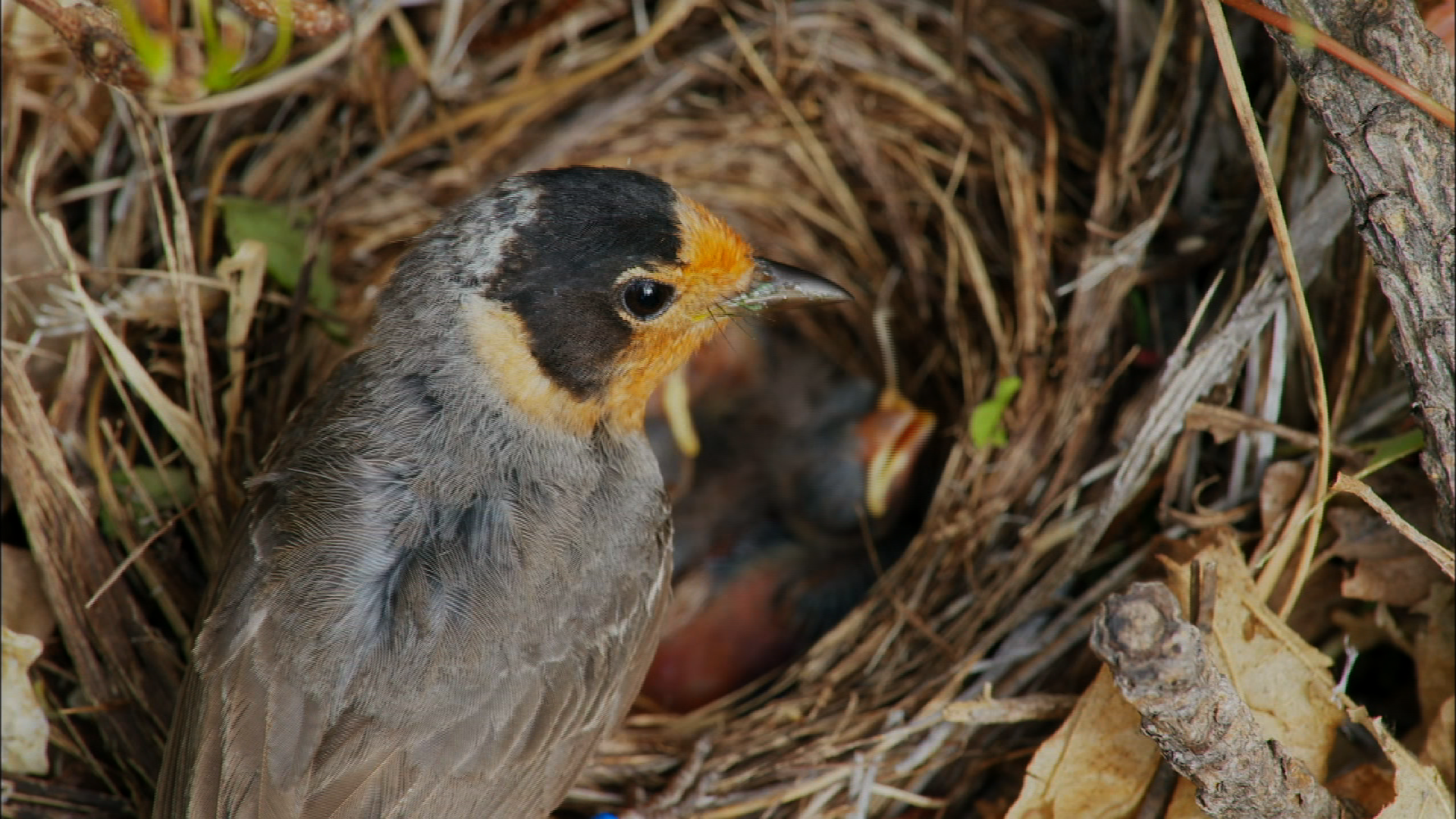
Credit: www.pbslearningmedia.org
Frequently Asked Questions
Why Do Animals Need Shelter To Survive?
Animals need shelter to protect themselves from harsh weather and predators. Shelter helps regulate body temperature and provides a safe space for resting and raising young. Without shelter, many animals struggle to survive in extreme environmental conditions.
How Does Shelter Help Animals During Extreme Weather?
Shelter shields animals from rain, snow, wind, and extreme heat. It prevents hypothermia in cold and heatstroke in hot climates. By offering protection, shelter increases animals’ chances of survival during harsh weather events.
What Types Of Shelters Do Wild Animals Use?
Wild animals use natural shelters like caves, burrows, tree hollows, and dense vegetation. These shelters provide safety, camouflage, and protection from predators. Animals often adapt their shelter choice based on their environment and survival needs.
Can Animals Survive Without Any Shelter?
Most animals cannot survive long without shelter, especially in extreme climates. Shelter is essential for protection, temperature regulation, and reproduction. Some species may survive temporarily but face higher risks of predation and environmental stress.
Conclusion
Animals need shelter to stay safe and healthy. Shelter protects them from weather and predators. It helps them rest and raise their young. Without shelter, animals struggle to survive in nature. Providing safe spaces is key for animal well-being. Nature shows us how important shelter is for life.
Shelter is not just a place. It is a lifeline for many creatures. Understanding this helps us care for animals better. Shelter matters for survival and comfort alike.


