Have you ever wondered how long the coronavirus can live on your clothes? Knowing this can help you stay safer and keep your loved ones protected.
Whether it’s your favorite shirt or a mask you wear every day, understanding how the virus behaves on cloth matters more than you might think. You’ll discover clear, simple facts that can help you make smart choices about washing, handling, and caring for your fabrics.
Keep reading to learn how to reduce risks and feel more confident in your daily routine.
Coronavirus Survival On Different Fabrics
The survival time of coronavirus on fabric varies significantly depending on the type of material. Understanding how long the virus can live on different fabrics helps you decide how to handle your clothes safely. Let’s look at what happens with various fabric types and what that means for your daily routine.
Cotton And Natural Fibers
Coronavirus tends to survive for a shorter time on cotton and other natural fibers. These materials absorb moisture quickly, which can reduce the virus’s lifespan. If you’ve ever left a cotton shirt damp, you know it dries fast—this dryness helps inactivate the virus.
Washing cotton fabrics in warm water with detergent further cuts down any risk. Have you noticed how your cotton clothes feel fresher after a good wash? That’s more than just cleanliness; it’s also about virus removal.
Synthetic Fabrics
On synthetic fabrics like polyester and nylon, the virus can survive longer. These materials don’t absorb moisture well, allowing droplets to stay on the surface for extended periods. If you wear sportswear made from synthetics, you might want to wash it more frequently.
Think about your workout gear after a sweaty session—it can feel damp longer. This lingering moisture may create a safer spot for the virus to live unless properly cleaned. So, regular washing with hot water is key here.
Mixed Fabric Blends
Blended fabrics, such as cotton-polyester mixes, show survival times somewhere between pure cotton and pure synthetic fabrics. The exact time depends on the ratio of fibers and how tightly the fabric is woven. Denser blends can trap moisture, making virus survival more likely.
When choosing clothes, consider how easy they are to wash and dry quickly. Have you checked the care labels recently? Prioritizing fabrics that dry fast and can be washed at high temperatures may help keep you safer.
Credit: www.consumerreports.org
Factors Influencing Virus Longevity
The time coronavirus survives on cloth depends on several key factors. These factors affect how long the virus stays active and infectious. Understanding them helps reduce risk and manage safety.
Virus longevity changes with environment and fabric characteristics. Some conditions speed up virus decay. Others help it survive longer. Here are the main factors that influence virus survival on cloth.
Temperature And Humidity
Higher temperatures tend to kill the virus faster on fabric. Warm environments reduce its survival time. Low temperatures help the virus stay alive longer. Humidity also plays a role. Dry air can shorten virus life. Very humid conditions might protect the virus.
Sunlight Exposure
Sunlight, especially UV rays, damages the virus on cloth. Direct sunlight reduces virus survival significantly. UV light breaks down the virus’s outer layer. Indoor or shaded areas allow the virus to last longer. Fresh air and sunlight together speed up virus decay.
Fabric Treatment And Coatings
Treated fabrics can kill viruses faster than untreated ones. Some cloths have antimicrobial coatings. These coatings disrupt the virus structure. Regular washing removes the virus effectively. Special treatments on cloth offer extra protection.
Comparative Analysis With Other Surfaces
Understanding how long the coronavirus survives on different surfaces helps you make smarter choices about cleaning and safety. Cloth, metal, plastic, wood, paper, and glass all behave differently when it comes to virus survival. Comparing these surfaces gives you a clearer picture of where you might need to be extra cautious.
Metal And Plastic
Coronavirus can survive the longest on metal and plastic surfaces, sometimes up to 72 hours. These materials are smooth and non-porous, which allows the virus to remain active longer. Think about your phone, door handles, or kitchen countertops—they can all harbor the virus if not cleaned regularly.
Have you ever noticed how often you touch metal and plastic objects throughout the day? This frequent contact increases the chance of transmission if these surfaces aren’t disinfected. Using disinfectant wipes on these surfaces daily can reduce your risk significantly.
Wood And Paper
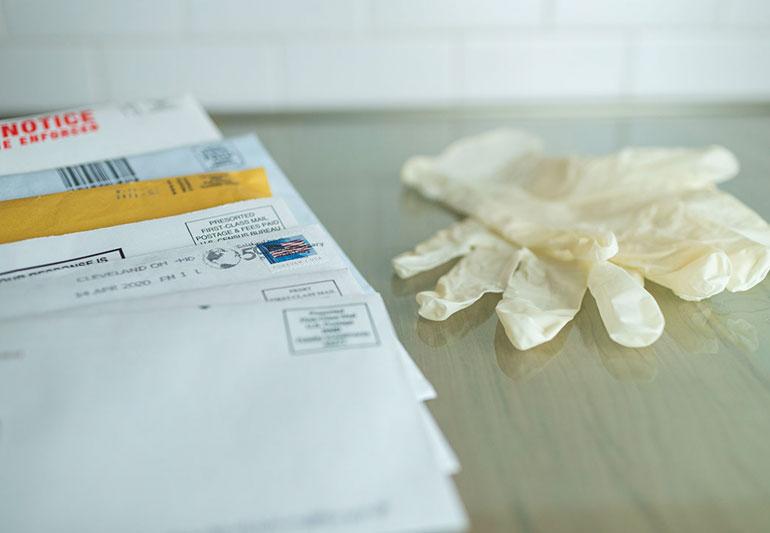
Wood and paper are porous materials, which means the virus doesn’t last as long on them—usually less than 24 hours. The porous nature absorbs moisture and traps the virus, causing it to lose viability faster. This is why mail or paper packages are less likely to be a source of infection compared to metal or plastic.
Even though the virus survives shorter on these surfaces, it’s still a good idea to wash your hands after handling paper products. Simple habits like this can protect you without adding extra stress to your routine.
Glass Surfaces
Glass surfaces fall somewhere between metal/plastic and porous materials. The virus can survive up to 48 hours on glass, especially if the surface is smooth and clean. You might not think about your eyeglasses or tablet screens as potential hotspots, but they can carry the virus too.
Cleaning glass surfaces regularly with alcohol-based solutions can help keep you safe. Do you wipe your phone or glasses every day? If not, this is a practical habit worth starting today.

Credit: health.clevelandclinic.org
Impact Of Laundering On Virus Viability
Laundering plays a key role in reducing the coronavirus on cloth. Proper washing and drying can lower the virus’s chances of survival. Understanding how detergents, water temperature, and drying affect the virus helps keep fabrics safer.
Effectiveness Of Detergents
Detergents break down the virus’s outer layer. This action weakens and removes the virus from fabric fibers. Using enough detergent is important to clean clothes well. Both liquid and powder detergents work against viruses.
Role Of Water Temperature
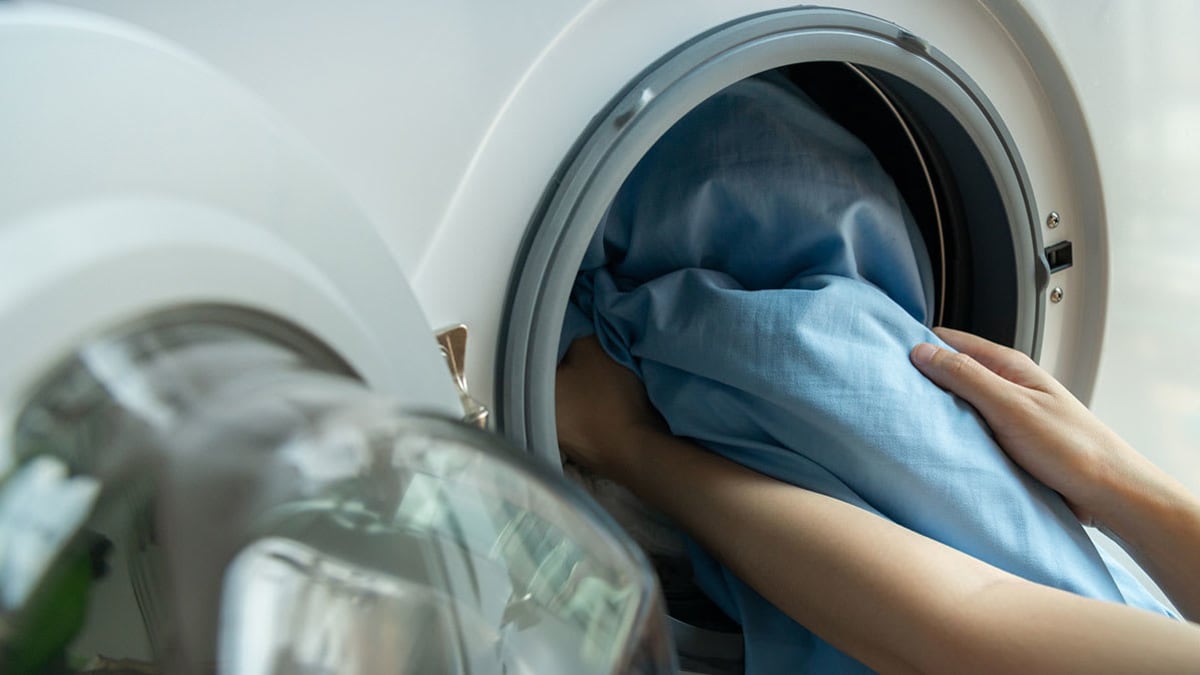
Hot water helps kill viruses faster than cold water. Washing at 60°C (140°F) or higher is more effective. Cold water may not remove all virus particles. Use the hottest water safe for your fabric type.
Importance Of Drying Methods
Drying also reduces virus survival on cloth. High heat from a dryer can kill remaining virus particles. Sunlight and air drying help but take longer. Always dry fabrics completely to lower virus risks.
Safe Handling And Cleaning Practices
Handling and cleaning cloth safely is important to reduce coronavirus risk. The virus can survive on fabric for hours to days. Following correct steps helps protect you and others from infection. Proper washing, storing, and laundry habits keep fabrics safe and clean.
Guidelines For Washing Clothes
- Use the warmest water safe for the fabric.
- Choose regular laundry detergent.
- Wash clothes completely; don’t overload the machine.
- Dry clothes fully using a dryer or sunlight.
- Handle dirty clothes with gloves when possible.
Storage Recommendations
- Keep clean clothes in a dry, clean space.
- Store laundry bags separately for used and clean items.
- Avoid piling dirty clothes on clean surfaces.
- Ventilate storage areas to reduce moisture and germs.
- Wash reusable bags regularly after use.
Protective Measures For Laundry
- Wear gloves when handling contaminated fabrics.
- Wash hands immediately after touching dirty laundry.
- Disinfect laundry baskets and hampers often.
- Keep laundry areas clean and dry.
- Use a mask if handling clothes from sick persons.
Latest Research And Findings
Understanding how long coronavirus can survive on cloth is crucial for your daily safety practices. Recent research sheds light on this topic with precise data and expert insights. Let’s dive into the latest findings to help you make informed decisions about handling fabrics during the pandemic.
Recent Studies And Results
Multiple studies have tested the survival time of coronavirus on different types of cloth. Results show the virus can live anywhere from a few hours up to two days, depending on fabric type and environmental conditions like humidity and temperature.
One study found that the virus survived longer on synthetic fibers compared to natural ones. Another revealed that frequent washing with soap and water drastically reduces the virus’s presence within minutes. This means your regular laundry routine plays a key role in keeping fabrics safe.
Expert Opinions
Virologists emphasize that while the virus can survive on cloth, the risk of transmission through fabric is relatively low. Experts highlight that the virus’s ability to infect decreases rapidly after it leaves the host.
They recommend focusing on hand hygiene after touching fabrics, especially if you are in public spaces. Wearing masks made of multiple layers of cloth can also reduce exposure, but it’s important to wash these masks regularly to maintain their effectiveness.
Future Research Directions
Ongoing studies aim to explore how different washing methods and detergents affect virus removal from cloth. Researchers are also investigating how fabric treatments, like antiviral coatings, might help reduce virus survival time.
Would you feel more confident if your everyday clothes were treated to neutralize viruses? As science progresses, practical solutions to enhance fabric safety could become part of your routine. Keep an eye out for updates that might change how you handle cloth items in your home and workplace.
Credit: health.clevelandclinic.org
Frequently Asked Questions
How Long Does Coronavirus Survive On Cloth Surfaces?
Coronavirus can survive on cloth for up to 1-2 days, depending on fabric type and environmental conditions. Proper washing and drying effectively remove the virus from cloth surfaces, reducing infection risk.
Does Fabric Type Affect Coronavirus Survival Time?
Yes, virus survival varies by fabric. Porous fabrics like cotton reduce virus lifespan faster than synthetic, non-porous materials. Environmental factors like humidity and temperature also influence survival time.
Can Washing Clothes Kill Coronavirus Effectively?
Yes, washing clothes with detergent in warm water effectively kills coronavirus. Using the highest safe temperature and drying thoroughly helps eliminate the virus and prevents transmission.
Is It Safe To Reuse Cloth Masks Without Washing?
No, reusing cloth masks without washing is unsafe. The virus can survive on masks for up to two days. Washing masks regularly ensures they remain clean and effective.
Conclusion
Coronavirus can survive on cloth for hours to days. Cleaning clothes regularly helps reduce risks. Drying fabrics in sunlight also lowers virus presence. Avoid touching your face after handling unwashed cloth. Washing hands often protects you best. Staying cautious keeps you and others safe.
Simple habits make a big difference now. Keep your environment clean and fresh. Small actions help stop virus spread effectively. Stay informed and follow health advice closely.


