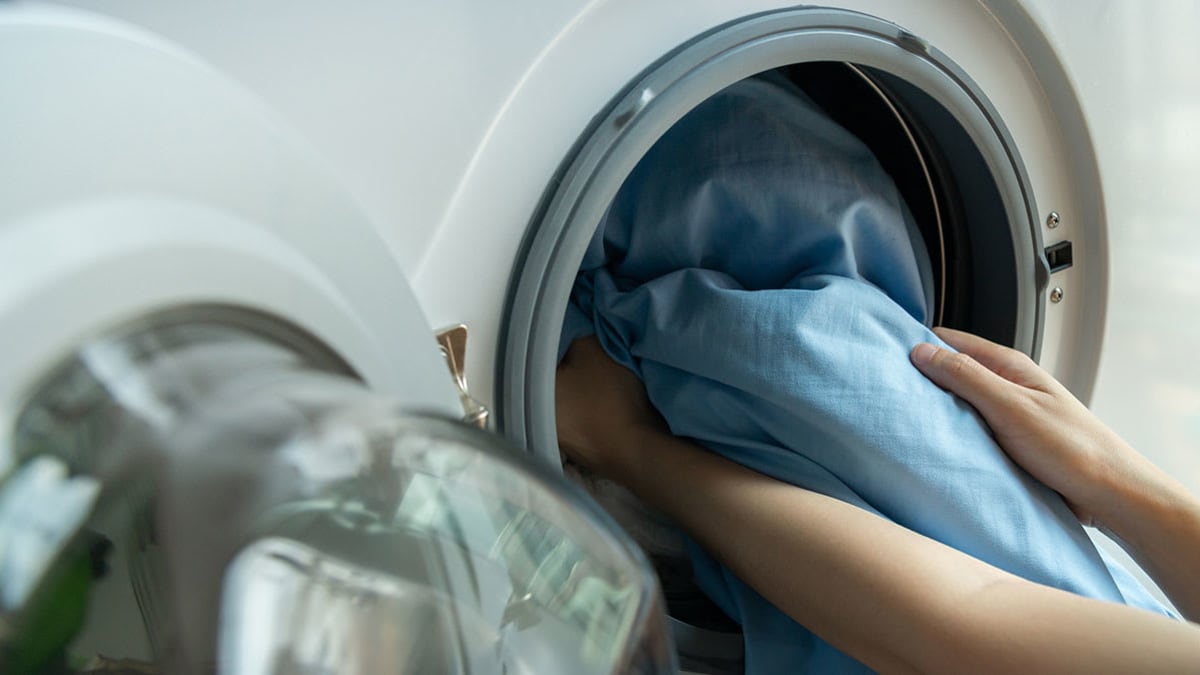
Have you ever wondered if your clothes, after a long day, still carry hidden germs even after a spin in the dryer? You might think that the heat from your dryer is enough to kill all the bacteria and viruses, but is that really true?
Understanding whether infected clothes can survive a dryer is more important than you realize—it’s about keeping you and your loved ones safe. Keep reading, and you’ll discover surprising facts that could change how you handle your laundry forever.
Credit: www.consumerreports.org
The Science Behind Laundry And Germs
Laundry does more than clean clothes. It also fights germs and bacteria.
Understanding how germs survive laundry helps keep clothes safe and fresh. Heat, detergent, and drying play key roles.
How Heat Affects Germs In Laundry
Heat kills many types of germs. Washing clothes in hot water helps remove bacteria and viruses. Dryers use heat too. High temperatures in dryers can kill germs left on clothes after washing.
The Role Of Detergents
Detergents break down dirt and oils on clothes. Germs hide in these layers. Removing dirt also removes many germs. Some detergents have ingredients that kill bacteria directly. Using enough detergent is important for good cleaning.
Can Germs Survive The Dryer?
Dryers use heat and tumbling to dry clothes. Heat reduces germs but does not kill all types. Some germs can survive if the dryer is too cool or clothes stay damp. Drying clothes fully and at high heat lowers the chance of germ survival.
Common Germs Found On Clothing
Clothes can carry more than just dirt; they often harbor germs that stick around longer than you might expect. Understanding the types of germs commonly found on your clothing can help you decide how to clean them effectively. These germs can survive everyday wear and even some washing cycles, raising the question: can your dryer really kill them all?
Bacteria
Bacteria are tiny organisms that thrive in moist and warm environments—conditions often found in sweaty clothes. Common types include Staphylococcus aureus, which can cause skin infections, and E. coli, linked to gastrointestinal issues. If you’ve ever noticed a persistent odor on gym clothes, that’s often bacterial growth at work.
Regular washing helps reduce bacteria, but some strains can survive if the water temperature is too low. Have you checked if your laundry detergent is strong enough to tackle these microscopic invaders?
Viruses
Viruses can cling to clothing fibers, especially after exposure to coughs, sneezes, or contaminated surfaces. Influenza and common cold viruses are examples that might linger briefly on your clothes. While viruses don’t multiply on fabrics, they can still transfer to your hands and face.
Dryers with high heat settings can inactivate many viruses, but lower heat may not be enough. Think about how often you dry your clothes on a gentle cycle—are you fully eliminating viral threats?
Fungi
Fungi, including molds and yeasts, can grow on damp clothing left in laundry baskets or washers for too long. Athlete’s foot fungus is a notorious example that spreads through socks and shoes. Fungal spores thrive in dark, moist environments, making your laundry room a potential hotspot.
Proper drying and airing out clothes quickly can prevent fungal growth. Have you ever felt itchy or noticed skin irritation after wearing clothes that sat damp too long?
How Heat Affects Germs
Heat plays a crucial role in killing germs on your clothes. Understanding how different temperatures and exposure times affect bacteria and viruses can help you decide if using a dryer is enough to sanitize your laundry. Let’s break down the science behind heat and germs to see what really happens inside your drier.
Temperature Thresholds
Most germs start to die off when exposed to temperatures above 140°F (60°C). However, some bacteria and viruses are tougher and need even higher heat to be completely eliminated.
For instance, common cold viruses can be inactivated at around 140°F, but certain bacteria like Staphylococcus require temperatures closer to 160°F (71°C). Your home dryer usually reaches temperatures between 125°F and 135°F, which might not be enough to kill all pathogens.
Have you ever wondered if your dryer’s heat is enough to protect your family during flu season? Knowing the exact temperature your machine reaches can make a big difference.
Duration Of Heat Exposure
Heat alone isn’t the full story. How long your clothes stay hot matters just as much.
Brief exposure to high heat may reduce some germs, but longer drying cycles increase the chance of complete germ kill. For example, maintaining 140°F for at least 30 minutes can effectively kill most bacteria and viruses.
Think about your usual drying time. Does it last long enough to ensure your clothes are germ-free, or are you rushing through cycles that might leave some germs alive?
Effectiveness Of Household Dryers
Household dryers play a key role in laundry routines. They help remove moisture and reduce germs on clothes. Understanding how well dryers kill bacteria and viruses is important. This knowledge helps keep clothes safe and fresh after washing.
Standard Dryer Settings
Most dryers have settings like low, medium, and high heat. These settings change how hot the dryer gets and how long it runs. Standard cycles aim to dry clothes completely. Drying removes water that germs need to survive.
Dryers also use tumbling to expose all fabric parts to heat. This movement helps heat reach germs hiding in folds. However, drying time and temperature impact germ removal. Short cycles may not kill all bacteria or viruses.
High Heat Vs. Low Heat
High heat settings reach temperatures above 130°F (54°C). These temperatures can kill many common germs. High heat dries clothes faster and reduces moisture effectively. It is best for items that can handle strong heat.
Low heat settings use gentler temperatures around 100°F (38°C). These settings protect delicate fabrics but may not kill all germs. Low heat dries clothes more slowly, leaving some moisture behind. Germs survive better in damp environments.
Choosing the right heat depends on fabric type and hygiene needs. High heat offers better germ-killing power. Low heat preserves fabric but may not fully disinfect clothes.
Factors Influencing Germ Survival
The survival of germs on clothes after drying depends on several key factors. These factors influence how well a drier can eliminate bacteria, viruses, and other microbes. Understanding these helps improve laundry hygiene and reduce infection risks.
Germs react differently based on the fabric type, moisture left in the clothes, and the cleaning agents used. Each of these plays a crucial role in determining if infected clothes remain a threat after drying.
Type Of Fabric
Different fabrics have unique textures and fibers. Natural fibers like cotton absorb more moisture, which can protect germs. Synthetic fibers dry faster but may trap some bacteria in tight weaves. The fabric’s ability to hold moisture affects germ survival during drying.
Moisture Levels
Moisture is key to germ life. Wet clothes provide a perfect environment for germs to survive. Clothes that stay damp after drying keep germs alive longer. Fully dry clothes expose germs to heat and air, helping to kill them effectively.
Presence Of Detergents
Detergents help remove dirt, oils, and germs from clothes. Some detergents have disinfecting properties that kill bacteria and viruses. Using the right amount of detergent improves germ removal. Without detergent, drying alone may not eliminate all germs.
Credit: www.nursingtimes.net
Alternative Methods To Disinfect Clothes
Disinfecting clothes requires more than just drying. Some germs survive heat from driers. Choosing the right method helps kill bacteria and viruses effectively. Various alternatives work well to keep clothes safe and clean.
Using Hot Water Wash
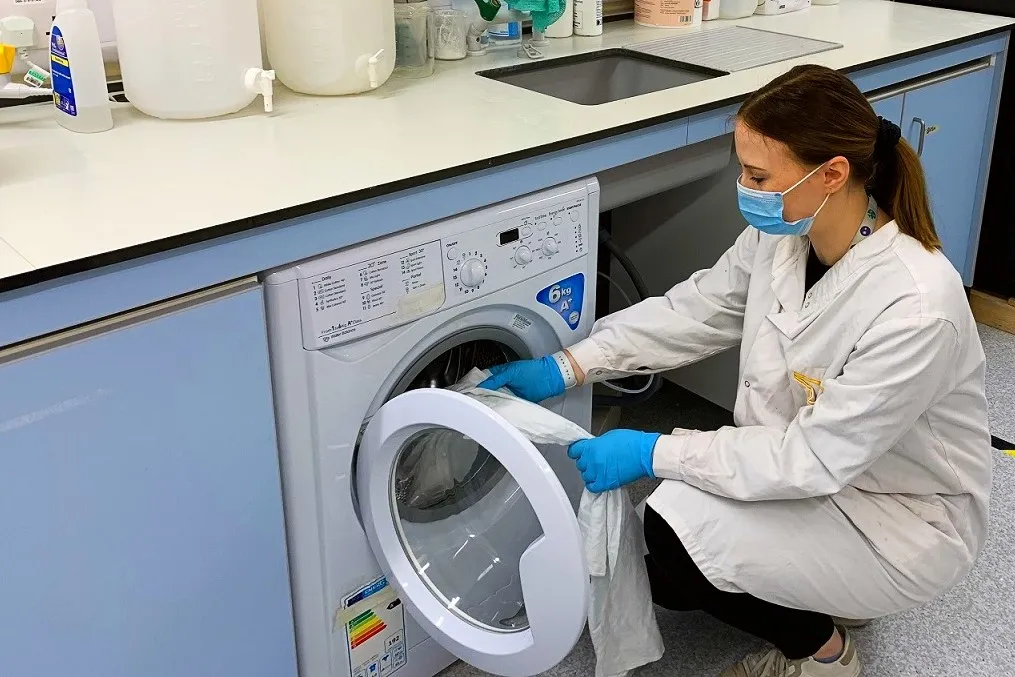
Washing clothes in hot water helps destroy many germs. Set your washing machine to at least 60°C (140°F). This temperature breaks down germs’ structure. Use a good detergent to boost cleaning power. Hot water also removes dirt and oils that protect microbes.
Chemical Disinfectants
Chemical disinfectants kill germs that water alone cannot. Add disinfectants designed for laundry to your wash cycle. Common options include bleach or hydrogen peroxide. Follow product instructions carefully for safe use. Avoid mixing chemicals to prevent harmful reactions.
Sun Drying
Sunlight is a natural disinfectant due to ultraviolet (UV) rays. Dry clothes outside under direct sunlight for several hours. UV rays damage bacteria and viruses on fabric surfaces. This method works best on clear, sunny days. Sun drying also helps remove moisture and odors.
Best Practices For Laundry Hygiene
Maintaining laundry hygiene is crucial to ensure your clothes are not only clean but also free from harmful germs and bacteria. Infected clothes can carry pathogens that may survive regular washing and drying if not handled properly. Applying the right practices can help you protect your household and improve the effectiveness of your laundry routine.
Washing Recommendations
Use the hottest water safe for your fabric to kill most germs. Cold water might save energy but isn’t as effective at removing bacteria and viruses.
Add a disinfectant laundry additive or bleach if the fabric allows it. These boost the cleaning power, especially for clothes exposed to infections.
Separate heavily soiled or infected clothes from the rest. This prevents cross-contamination and helps you focus extra care on those items.
Consider washing infected clothes twice or running an extra rinse cycle to ensure all soap and germs are removed.
Dryer Maintenance Tips
Clean the lint filter before every load. Lint buildup reduces dryer efficiency and can trap germs.
Check and clear the dryer vent regularly to promote proper airflow. A well-ventilated dryer dries clothes faster and more thoroughly, reducing the chances of bacteria survival.
Run your dryer on the highest heat setting safe for your clothes. Heat plays a key role in killing pathogens that survive washing.
Don’t overload your dryer; clothes need space to tumble freely. Overcrowding leaves damp spots where germs can thrive.
Have you ever noticed a musty smell on clothes after drying? It might be a sign your dryer needs cleaning or airing out to prevent bacteria buildup.
Myths And Misconceptions
There are plenty of ideas floating around about whether infected clothes can survive a trip through the dryer. Some of these beliefs make it seem like the dryer is a magic germ-killing machine, while others suggest it does nothing at all. Sorting fact from fiction can help you handle your laundry more safely and effectively.
Common Laundry Myths
Many people think the heat from a dryer automatically kills all bacteria and viruses on clothes. But heat levels and drying times vary, so this isn’t always true.
Another popular myth is that washing clothes in cold water followed by drying will completely sanitize them. While drying helps, cold water alone doesn’t remove or kill all germs.
Some assume that if clothes look clean, they’re free of any infection risk. Visual cleanliness doesn’t guarantee that pathogens are gone.
Truth About Dryers And Germs
Dryers can reduce the number of germs on your clothes, but they don’t sterilize fabric. The heat may weaken some bacteria and viruses, but it won’t eliminate all of them, especially if the cycle is short or on a low heat setting.
Think about your own experience: Have you ever noticed that damp clothes sometimes still smell musty after drying? That’s a sign that some microbes survived the process.
If you want to use your dryer to help reduce infection risk, try these tips:
- Use the highest heat setting that is safe for your fabric.
- Run the dryer for a full cycle rather than just a few minutes.
- Combine drying with proper washing using detergent and, if needed, disinfectants.
Are you relying solely on your dryer to keep your clothes germ-free? Understanding its limits can help you make smarter choices for your family’s health.

Credit: www.amazon.ca
Frequently Asked Questions
Can Dryers Kill Bacteria On Infected Clothes?
Dryers can kill some bacteria if clothes reach high temperatures. However, not all bacteria survive typical drying cycles. Use high heat settings and ensure clothes are fully dried for better disinfection.
Does Drying Infected Clothes Prevent Virus Spread?
Drying clothes at high heat can reduce viruses but may not eliminate all. Washing with detergent before drying is crucial to effectively prevent virus spread.
How Long Should Infected Clothes Dry In A Dryer?
Dry clothes for at least 30-40 minutes on high heat. This duration helps reduce most germs and viruses but depends on dryer and fabric type.
Can Low-heat Drying Save Infected Clothes From Germs?
Low-heat drying may not effectively kill germs on infected clothes. High heat is necessary to destroy most pathogens during the drying process.
Conclusion
Infected clothes may not fully get clean in a dryer alone. Heat helps, but germs can still survive on fabric. Washing with soap and hot water works best to kill bacteria. Dryers can support cleaning but should not replace washing.
Taking proper steps keeps you and your family safe. Clean clothes mean fewer chances of spreading infections. Always wash first, then dry for the best results. Simple care protects health every day.


