Have you ever wondered how Australian Aborigines manage to live comfortably without clothes in the harsh, sun-baked landscape? It might seem surprising, but their way of life holds secrets that you can learn from.
Understanding how they adapt to the environment can change the way you think about survival, comfort, and even your own connection to nature. Keep reading, and you’ll discover fascinating insights into their skills, traditions, and the clever methods they use to thrive without the clothes we all rely on.
Traditional Lifestyle And Environment
The traditional lifestyle of Australian Aborigines is deeply connected to the environment they live in. Their survival without clothes is not simply about the absence of fabric but about how they adapt to nature’s conditions. Understanding this connection helps you appreciate the practical wisdom behind their way of life.
Adaptation To Climate And Terrain
Australian Aboriginal people live in varied climates, from the hot, dry deserts to tropical forests. Their bodies have adjusted to these conditions over thousands of years. For example, in desert areas, minimal clothing helps with heat regulation and prevents overheating during scorching days.
Have you ever noticed how wearing less can sometimes make you feel cooler in extreme heat? Aboriginal people use this natural advantage daily, showing you that sometimes less is more.
Natural Body Protection
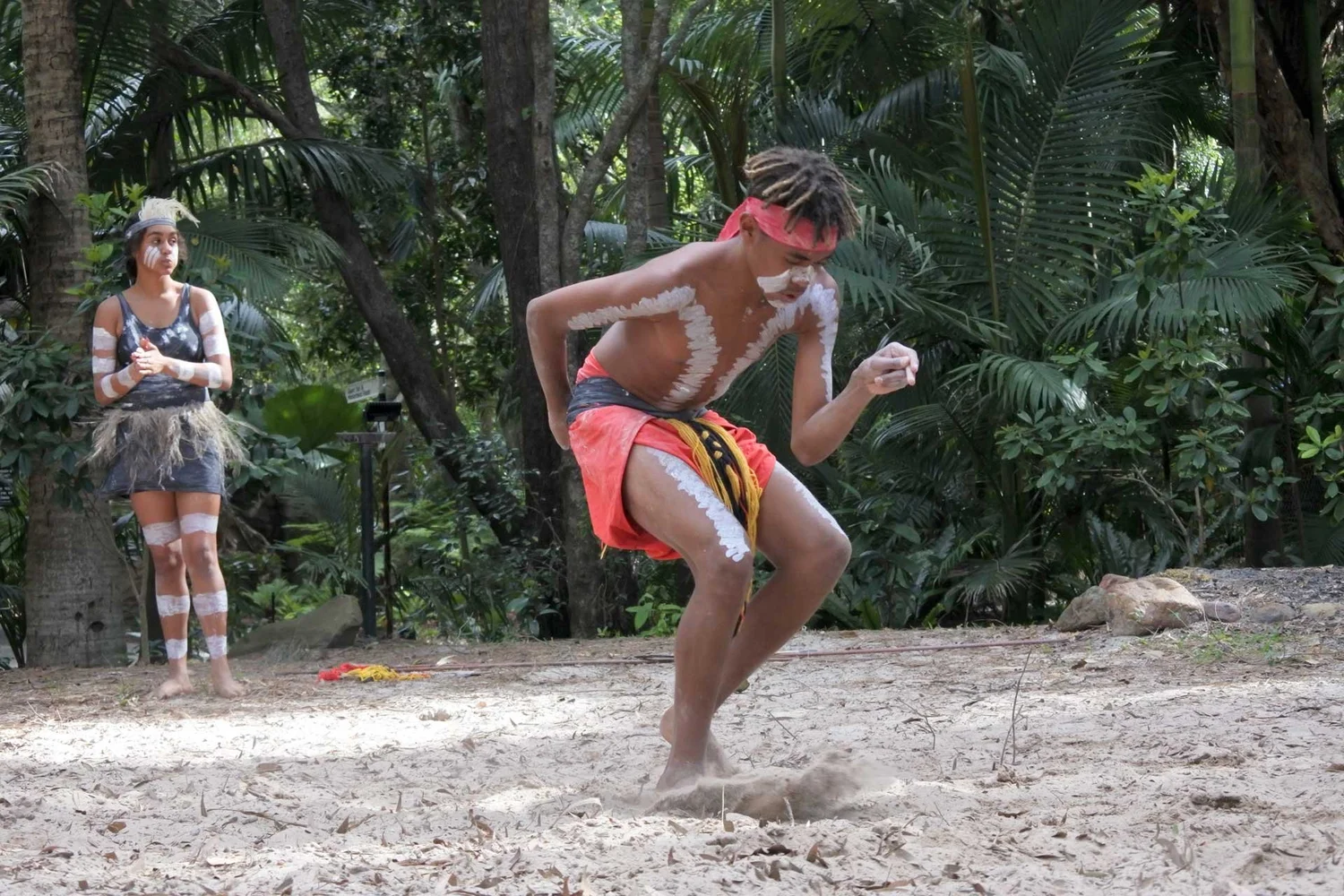
Without clothes, Aboriginal people rely on other ways to protect their skin. They use natural substances like ochre, a type of clay, to shield their skin from the sun and insects. This practice also helps retain moisture and prevents sunburn.
Imagine using natural paints that protect your skin better than sunscreen. This is an example of how their environment provides practical solutions.
Movement And Daily Activities
Their lifestyle involves a lot of movement—hunting, gathering, and walking long distances. Wearing no clothes allows greater freedom and agility. It also prevents fabric from getting caught on branches or hindering their activities in dense bushland.
Think about how your clothing choices affect your movement. Aboriginal people’s clothing—or lack of it—is perfectly suited for their daily tasks and environment.
Social And Cultural Significance
Clothing is not just practical but tied to cultural identity and traditions. Body paint and adornments take the place of clothes in ceremonies and social events. These customs connect them to their ancestors and land.
Would you consider how your clothing reflects who you are and where you come from? Aboriginal traditions show a unique way of expressing identity without fabric.

Credit: www.abc.net.au
Cultural Significance Of Clothing
Clothing holds deep meaning in Australian Aboriginal culture. It goes beyond simple protection from weather. Clothing connects people to their land, traditions, and identity. It plays a role in ceremonies and storytelling. Even without modern garments, Aboriginal people express culture through body paint, decorations, and natural materials.
Understanding this cultural role helps explain why traditional clothing may seem minimal. It is not about lack but about meaningful expression.
Cultural Identity And Connection To Land
Clothing and body decorations show a person’s clan and family ties. Designs often reflect the land where a group lives. These patterns tell stories about the environment and ancestors. Wearing them keeps traditions alive and honors the country.
Role In Ceremonies And Rituals
Special clothing and body paint are used in rituals. They symbolize spiritual beliefs and roles in the community. These items help participants enter sacred states and connect with ancestral spirits. Each design and color has specific meanings.
Materials And Techniques Used
Traditional clothing comes from natural materials. Bark, feathers, ochre, and animal skins are common. Skills to make these items pass down through generations. This knowledge links people to their heritage and environment.
Expression Through Body Art
Body painting often replaces clothing. It uses ochre and natural pigments to create patterns. These designs mark important events and social status. They also serve as protection and spiritual symbols.
Adaptations To Climate
Australian Aborigines have thrived in some of the most extreme climates on Earth without relying on clothing. Their bodies and behaviors have naturally adapted to handle both scorching heat and chilly nights. These adaptations help them maintain comfort and survive in an environment where modern clothing is absent.
Heat Management Strategies
In the blistering heat of the Australian outback, staying cool is essential. Aboriginal people use shade and water sources cleverly to avoid overheating. Moving slowly during the hottest hours and resting in shaded areas helps their bodies regulate temperature effectively.
Their skin pigmentation also plays a role. Darker skin provides protection against harmful UV rays while allowing sweat to evaporate efficiently, which cools the body. Have you noticed how your own skin reacts to sun exposure and heat?
- Seeking natural shade under trees or rock formations
- Timing activities to avoid midday sun
- Utilizing sweat evaporation to cool down
Cold Weather Adaptations
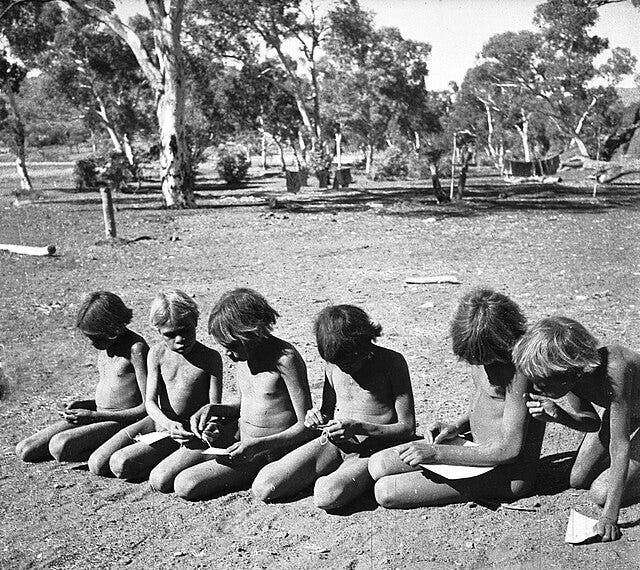
Despite the heat, desert nights can get very cold. Aboriginal people have developed ways to stay warm without clothes. They use natural materials like animal skins and leaves to cover themselves when needed.
Fire plays a crucial role in warming up during cold nights. Sitting close to a fire not only provides heat but also helps maintain social bonds. Can you imagine how simple tools like fire become vital for survival in such conditions?
- Using natural coverings from the environment
- Building and maintaining fires for warmth
- Huddling together to share body heat
Credit: medium.com
Connection To Nature
The connection between Australian Aborigines and nature goes far beyond simple survival. Their deep understanding of the environment shapes how they live, move, and even dress—or don’t dress. This bond influences every choice they make, including how they manage without conventional clothing.
Use Of Natural Resources
Aborigines use what nature provides with great respect and skill. Instead of fabric, they might use bark, leaves, or animal skins when protection is needed.
These materials are not just random picks. They are carefully chosen for their availability, comfort, and function.
- Bark strips can shield skin from harsh sun.
- Animal fats often serve as natural sunscreens or insect repellents.
- Plant fibers may be woven for temporary coverings or tools.
Imagine walking barefoot with only a thin bark wrap—your skin toughens, and you become part of the land itself. This relationship teaches you to respect nature’s limits and gifts alike.
Seasonal Variations And Clothing Choices
The climate in Australia changes, and so do the Aborigines’ approaches to body covering. In colder months, they use more natural materials to keep warm.
During warmer seasons, minimal covering helps the body stay cool and allows sweat to evaporate easily. This is practical and energy-efficient.
Have you ever thought about how your clothing changes with seasons? Aborigines adapt to nature’s rhythm, not just fashion trends.
This adaptive lifestyle shows how you can live comfortably with less by paying attention to your environment and adjusting accordingly.
Role Of Body Art And Ornamentation
The role of body art and ornamentation among Australian Aborigines goes beyond mere decoration. It serves as a powerful form of communication, identity, and survival. These practices connect individuals to their land, culture, and community, offering protection and meaning even without conventional clothing.
Symbolism In Body Painting
Body painting uses natural pigments to create intricate designs that tell stories and mark important events. Each pattern represents a specific clan, ancestral tale, or spiritual belief. You might wonder how these symbols help in daily life—well, they can signal social status, readiness for ceremonies, or even warnings to outsiders.
Different colors carry specific meanings, such as white for peace and red for strength. When you see these patterns, you’re witnessing a living language that has survived for thousands of years. This visual storytelling replaces the need for written words and builds a strong sense of identity.
Cultural Jewelry And Adornments
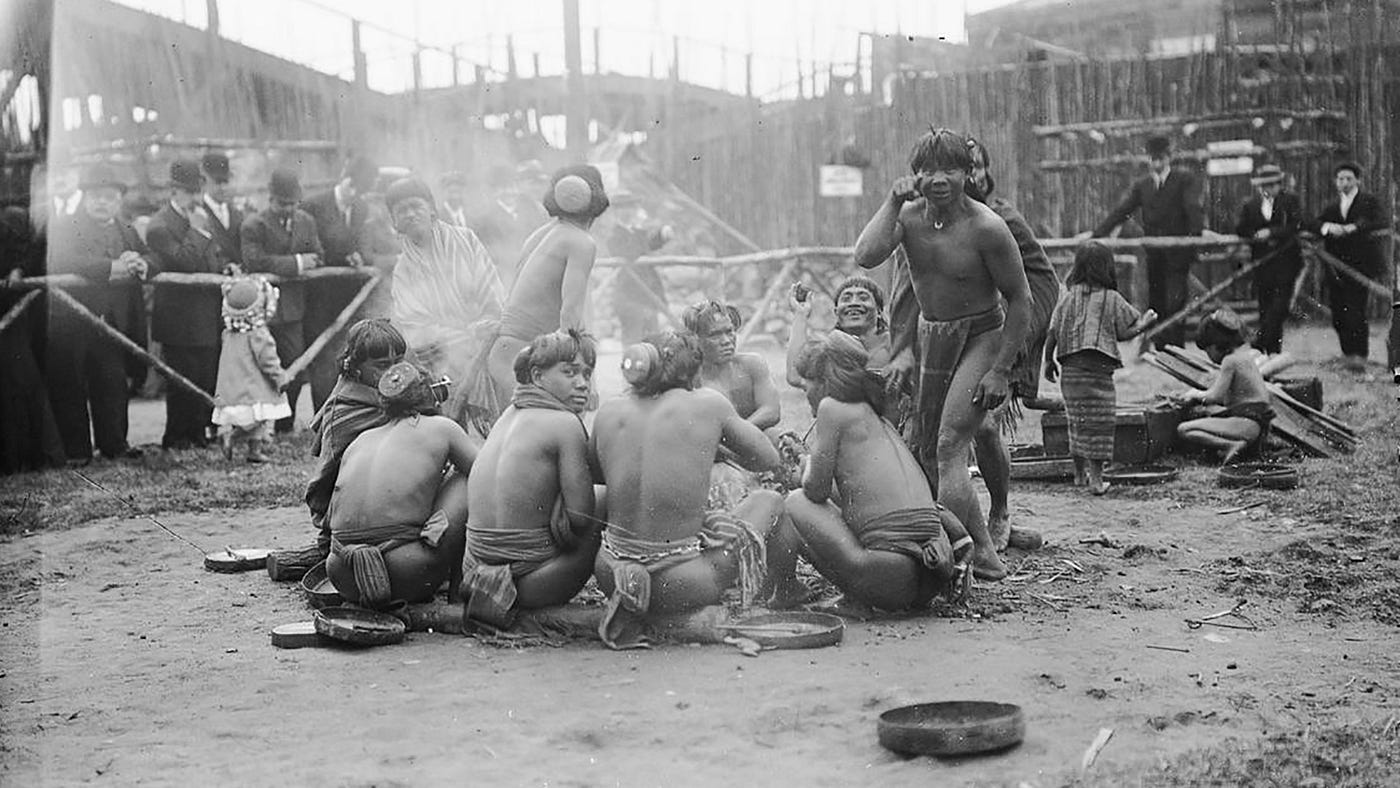
Jewelry and adornments made from shells, bones, and feathers play a crucial role in Aboriginal culture. These items are not just beautiful; they carry deep spiritual significance and connect wearers to their ancestors. Think about how you might use a piece of jewelry to remember someone or mark a special moment—it’s similar here but on a cultural scale.
Adornment also serves practical purposes, like protection from insects or the sun. You’ll often see necklaces, armbands, and headpieces worn during rituals or hunting, signaling belonging and respect. These elements work together with body paint to create a complete cultural expression that supports survival without clothes.
Credit: medium.com
Social Structures And Customs
Australian Aboriginal societies thrive through strong social structures and customs. These traditions guide daily life and survival without modern clothing. The community’s roles and ceremonies create a sense of belonging and identity. Respect for each person’s part helps maintain harmony and balance. Social rules connect individuals with nature and each other.
Community Roles And Responsibilities
Every member has specific duties to support the group. Elders pass down knowledge about survival and culture. Hunters provide food, while gatherers collect plants and resources. Children learn skills through observation and participation. Leaders make decisions that benefit the entire community. Cooperation ensures safety and resource sharing in harsh environments.
Ceremonial Attire And Practices
Clothing is not always necessary for daily life but important during ceremonies. Body paint and decorations express identity and spiritual beliefs. Designs often tell stories about ancestors and the land. Ceremonies include dances, songs, and rituals to honor culture. These practices strengthen bonds and pass traditions to younger generations. The use of natural materials highlights respect for the environment.
Modern Influences And Changes
Australian Aborigines have lived in harmony with nature for thousands of years. Their lifestyle and survival methods adapted to harsh environments without relying on clothes. Modern times brought new influences that changed many traditional ways.
These changes affect their culture, lifestyle, and how they express identity. Some traditions face challenges, while others find new life in modern settings. Understanding these influences helps appreciate the balance between old and new.
Impact Of Western Culture
Western culture introduced clothing, technology, and new social rules. Many Aboriginal communities adopted clothes for comfort and practicality. Schools and workplaces require clothing, which shifted daily habits.
Western medicine and education changed how health and knowledge spread. New tools and resources helped improve living standards. Yet, these changes sometimes cause loss of traditional skills and customs.
Preservation Of Traditions
Despite modern influences, many Aboriginal people work hard to keep traditions alive. They teach young generations about old stories, ceremonies, and survival skills. Art, dance, and language play key roles in cultural preservation.
Communities hold festivals and gatherings to celebrate heritage. Some blend traditional clothing with modern styles during special events. This mix shows respect for the past while living in the present.
Frequently Asked Questions
How Do Aboriginal People Protect Their Skin Without Clothes?
Australian Aborigines use natural elements like ochre and plant oils to protect their skin. These substances shield them from sunburn, insects, and dryness, acting as natural sunscreen and insect repellent. Their deep knowledge of the environment helps maintain skin health despite minimal clothing.
What Materials Do Aborigines Use Instead Of Clothing?
Aborigines traditionally use body paint, leaves, and animal skins for protection and cultural expression. These materials are lightweight, breathable, and suited to the hot climate. Their minimal use of clothing aligns with their lifestyle and environmental adaptation.
How Do Aboriginal People Stay Warm Without Clothes?
They stay warm by building fires and using natural shelters like caves and huts. Their body fat and physical activity also help maintain body temperature. Additionally, their traditional knowledge of weather patterns allows them to prepare for cold nights effectively.
Why Don’t Australian Aborigines Need Modern Clothing?
Their bodies and lifestyles are adapted to the Australian climate through generations. They have developed cultural practices and survival skills that reduce reliance on clothing. Minimal clothing suits their environment, allowing freedom of movement and comfort in hot weather.
Conclusion
Australian Aborigines survive without clothes through deep knowledge of nature. Their skin adapts well to heat and cold. They use natural materials like mud and ash for protection. Their lifestyle and culture teach them how to stay safe and comfortable.
This way of living shows human strength and connection to the earth. It reminds us that clothing is not always needed to thrive. Their survival skills come from centuries of experience and respect for the land. A unique way of life, simple but effective.


