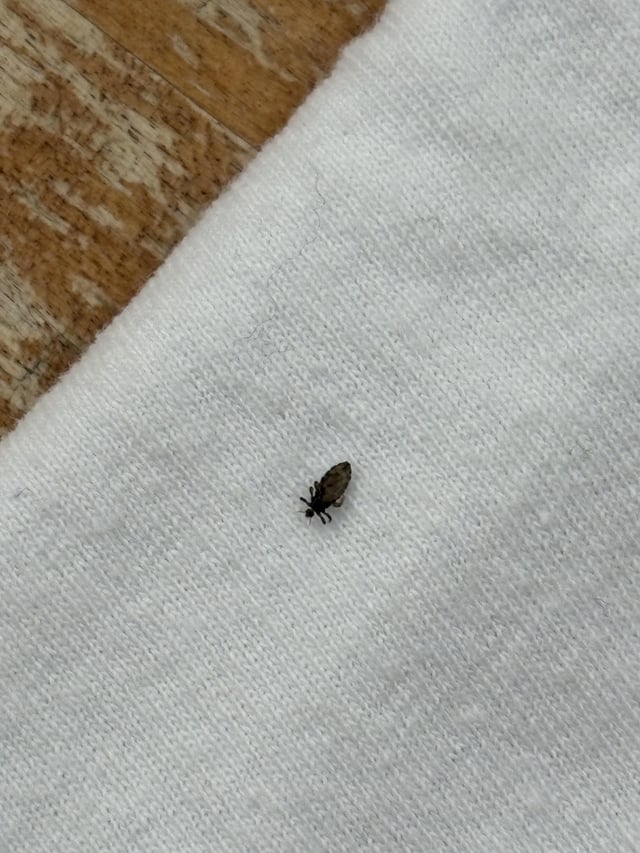
Have you ever wondered if nits can survive on your clothes? If you’re dealing with head lice, this question might be keeping you up at night.
Knowing whether these tiny pests can cling to your clothes is key to stopping their spread and protecting your family. You’ll discover the truth about nits on clothing and learn simple steps to keep your home lice-free. Keep reading—you’ll want to know exactly how to tackle this problem before it gets out of hand.

Credit: www.medicalnewstoday.com
Life Cycle Of Nits
The life cycle of nits is a key factor in understanding whether they can survive on clothes. Nits are the eggs of head lice, and their development stages determine how long they can stay alive away from the human scalp. Knowing this cycle helps you decide the best ways to treat and prevent infestations.
Egg Stage
Nits start as tiny eggs firmly attached to hair shafts near the scalp. They need warmth and humidity to develop, which the human scalp provides perfectly. Away from the scalp, such as on clothes, these eggs quickly lose moisture and rarely survive beyond a few days.
Nymph Stage
Once the egg hatches, a nymph emerges. This young louse looks like a smaller version of an adult but needs blood meals to grow. Without a host, a nymph cannot survive long, making clothes an unlikely place for them to thrive.
Adult Louse Stage
Adult lice feed on blood and can live up to 30 days on a person’s head. They lay more eggs and continue the cycle. Off the scalp, adults typically die within 1-2 days, especially without access to blood, so clothes do not support their survival.
What This Means For Your Clothes
- Nits on clothes usually don’t hatch because of lack of warmth.
- Even if they hatch, lice need blood to survive and won’t last long on fabric.
- Regular washing and drying at high temperatures effectively kill any lice or nits on clothing.
Have you ever wondered why lice treatments focus so much on the scalp and less on clothing? It’s because the life cycle of nits depends heavily on the environment. By understanding this, you can focus your efforts where they matter most, avoiding unnecessary stress over your clothes.
Common Myths About Nits
Nits cause a lot of worry, especially about how they spread. Many common myths confuse people about their survival outside the scalp. Clearing up these myths helps in handling lice better and avoiding unnecessary fear.
Can Nits Live Long On Clothes?
Many believe nits can live for days on clothes. Actually, nits need the warmth and moisture of the scalp to survive. On clothes, they usually die within a few hours.
Do Nits Jump From Clothes To Heads?
People often think nits jump or fly from clothes to heads. Nits cannot jump or fly. They spread mainly through direct head-to-head contact.
Is Washing Clothes Enough To Kill Nits?
Some say washing clothes in cold water kills nits. Cold water does not kill nits effectively. Hot water and high heat drying are needed to remove them from fabrics.
Can Nits Spread Through Shared Clothing?
Sharing hats or scarves is believed to easily spread nits. While possible, it is rare. Nits struggle to survive long away from the scalp, making spread through clothes less common.
Can Nits Live On Fabric?
Nits are tiny lice eggs that stick close to hair strands. Many wonder if these eggs can survive on clothes or fabric. Understanding this helps in controlling lice spread effectively.
Nits need warmth and food to survive. Hair provides both, but fabric does not. This limits how long nits can live on clothes.
How Nits Attach To Surfaces
Nits use a glue-like substance to stick firmly. This glue works best on hair shafts. It does not hold well on smooth fabric fibers.
Survival Time Of Nits On Fabric
Without a human host, nits dry out quickly. They usually die within 1-2 days on clothes. Fabric does not offer the warmth or moisture they need.
Risk Of Nits Spreading Through Clothes
Chances of nits spreading via clothes are very low. Nits rarely hatch or survive long on fabric. Direct head-to-head contact is the main cause of spread.
Best Ways To Treat Clothes For Nits
- Wash clothes in hot water (130°F or higher).
- Use a high heat dryer cycle to kill any eggs.
- Seal non-washable items in plastic bags for 2 weeks.
- Vacuum areas where clothes are stored.

Credit: globalnews.ca
Nits’ Survival Tactics
Nits, the tiny eggs laid by head lice, have developed clever survival tactics that allow them to cling to fabrics and resist many common cleaning attempts. Understanding these tactics can help you better protect your clothes and home from infestation. Let’s take a closer look at how nits manage to survive on clothes and what you can do about it.
How Nits Attach To Clothing Fibers
Nits use a strong, glue-like substance to stick firmly to hair strands, but they can also latch onto certain clothing fibers. They prefer rough or textured materials like wool or cotton because these fibers offer better grip. Smooth fabrics like silk or polyester make it harder for nits to hold on.
Have you noticed that some clothes seem more prone to lice problems? That’s not a coincidence. Choosing smoother fabrics for hats or scarves can reduce the chance of nits surviving on your clothing.
Resistance To Washing And Drying
Many people assume a quick wash will remove nits from clothes, but the reality is different. Nits can survive a regular cold or warm wash because their protective shell keeps them safe. They can also endure drying at low temperatures.
High heat is essential to kill nits on clothes. Washing at temperatures above 130°F (54°C) and drying on a hot cycle can effectively eliminate them. If you’re unsure about the heat tolerance of your clothes, using a sealed plastic bag for two weeks can also starve them out.
Survival Time Outside The Scalp
Nits rely on the warmth and humidity of the scalp to hatch and thrive. Once on clothes, their survival time drops significantly. Most nits die within 1-2 days away from the human scalp.
This short lifespan means that immediate washing of potentially infested clothes isn’t always urgent. However, leaving clothes untouched for at least 48 hours in a sealed bag can help ensure any nits present are no longer viable.
Preventing Reinfestation Through Clothing Care
- Use hot water washes and high heat drying for hats, scarves, and bedding.
- Store unworn clothes in sealed bags for 48 hours or more.
- Choose smoother fabrics when possible to reduce nit attachment.
- Regularly inspect clothing after potential exposure to lice.
Have you ever found yourself wondering if your clothes could be the reason for a persistent lice problem? Knowing these survival tactics gives you the power to break the cycle and keep your wardrobe safe.
Impact Of Environment On Nits
The environment plays a significant role in whether nits can survive on clothes. Temperature, humidity, and exposure to sunlight all affect their chances of staying alive. Understanding these factors can help you prevent the spread of lice through contaminated clothing.
Temperature Sensitivity Of Nits
Nits are sensitive to temperature changes. They cannot survive extreme heat or cold for long periods.
Washing clothes in hot water above 130°F (54°C) kills both nits and lice. On the other hand, freezing clothes for 24-48 hours also eliminates them effectively.
Have you ever wondered if simply leaving clothes out in the cold could stop nits? It can, but only if the temperature is low enough and sustained for a long time.
Humidity And Its Effect On Nits
Humidity affects the survival rate of nits on fabric. High moisture levels can help nits stay alive longer.
Dry environments tend to be less hospitable for nits because they need moisture to survive. This means clothes stored in damp places may be more likely to harbor live nits.
Think about where you usually keep your clothes. Is it a dry closet or a damp basement? This could make a difference in whether nits survive.
Impact Of Sunlight On Nits
Sunlight exposure significantly reduces the viability of nits on clothes. UV rays damage their shells and dry them out.
Hanging clothes outside in direct sunlight for several hours can help kill nits naturally. This is an easy and eco-friendly method to reduce lice risk.
Next time you’re drying clothes after treatment, try sunlight instead of just using a dryer. It may give you extra peace of mind.
Effective Ways To Remove Nits
Removing nits from clothes requires more than just a quick wash. Nits, the tiny eggs of lice, can cling stubbornly to fabric fibers. You need targeted actions to ensure they don’t survive and cause re-infestation.
Washing And Drying Techniques
Start with hot water washing—using water at least 130°F (54°C) kills nits effectively.
Use a heavy-duty cycle to agitate clothes thoroughly, loosening nits from fabric.
Dry clothes on the highest heat setting for at least 30 minutes; the heat destroys any remaining eggs.
If clothes can’t be washed, sealing them in plastic bags for two weeks starves nits and lice of oxygen.
Use Of Specialized Products
There are sprays and powders designed specifically to kill lice and nits on fabrics.
Look for products labeled safe for textiles and effective against lice eggs.
Apply as directed, usually after washing and drying, to catch any missed nits.
These products can be a lifesaver if you have delicate clothes that can’t handle high heat.
Natural Remedies
Some natural oils, like tea tree or neem oil, have insecticidal properties that can help.
Add a few drops to your laundry detergent or dilute in water and spray on clothes.
Vinegar rinses can loosen nits from fibers but don’t rely on vinegar alone to kill them.
These options are gentle but require consistency and patience to see results.
Preventing Nits Infestation
Preventing a nits infestation requires consistent care and attention. Nits can cling to clothes, bedding, and personal items, making it easy for them to spread. Taking simple steps can reduce the risk of infestation and keep your environment clean. Focus on cleaning habits and personal hygiene to stop nits from multiplying.
Regular Cleaning Practices
Clean clothes and bedding regularly to remove any nits or lice. Use hot water and a strong detergent for the best results. Vacuum carpets, furniture, and car seats to catch stray nits. Store clean clothes in sealed bags or containers to prevent contact with nits. Avoid sharing towels, hats, or scarves to limit spreading.
- Wash clothes and bedding weekly in hot water
- Vacuum living areas and furniture often
- Keep clothes in closed storage
- Do not share personal items
Personal Hygiene Tips
Regular hair washing helps remove lice and nits. Use a fine-toothed comb to check for nits after washing. Avoid close head contact during play or sleep to reduce spreading. Encourage family members to follow hygiene routines to prevent reinfestation. Teach children not to share combs or hats with others.
- Wash hair with shampoo regularly
- Use a nit comb after washing
- Keep distance from others’ heads
- Do not share combs or hats
When To Seek Professional Help
Knowing when to seek professional help is important in dealing with nits and lice. Home treatments can work well for many. Yet some situations need expert advice to stop the problem fast.
Professional help can offer stronger treatments and advice. They can check if nits survive on clothes or just the scalp. This can save time and avoid repeated infections.
Signs Home Treatments Are Not Working
After several tries, nits still appear. It may mean the treatment is weak or misused. Persistent itching and scratching can show lice are still alive.
Look for live lice moving on the scalp. If these signs last more than two weeks, seek help.
Severe Infestation And Spread
If many family members have lice, it shows a severe infestation. This can be hard to control alone. Schools or workplaces may notice a spread, needing expert intervention.
Professional lice removal can quickly reduce spread and re-infestation.
Allergic Reactions Or Skin Problems
Some people get skin rashes from lice bites or treatments. Swelling, redness, or pain needs medical advice. A doctor can provide safe options to stop discomfort.
Concerns About Nits On Clothes
Nits rarely live long on clothes but can cause worry. If unsure about cleaning or preventing spread, professionals can guide. They offer tips on washing and handling fabrics safely.
Credit: www.rch.org.au
Frequently Asked Questions
Can Nits Survive On Clothes After Washing?
Nits rarely survive on clean clothes after washing. Hot water and detergent effectively kill nits and lice. Proper drying further ensures no live nits remain. However, untreated clothes can harbor nits for a short time. Regular washing helps prevent lice spread via clothing.
How Long Can Nits Live On Clothes?
Nits can survive on clothes for up to 48 hours without a host. They need human scalp warmth to hatch and grow. Beyond two days, nits typically die due to lack of feeding. Timely washing and drying of clothes reduce this risk.
Can Lice Transfer Through Sharing Clothes?
Yes, lice can transfer by sharing clothes, hats, or scarves. Nits or lice cling to fabric fibers temporarily. Direct head-to-head contact remains the most common transmission method. Avoid sharing personal clothing to reduce lice spread risks.
What’s The Best Way To Clean Clothes From Nits?
Wash clothes in hot water above 130°F (54°C) to kill nits. Use a strong detergent and dry clothes on high heat. Seal unwashable items in a plastic bag for two weeks. Regular cleaning disrupts lice life cycles and prevents reinfestation.
Conclusion
Nits rarely survive long on clothes without a human host. They need warmth and food to live. Clothes can hold nits briefly but not for days. Washing clothes in hot water helps remove nits and eggs. Drying on high heat also kills them quickly.
Regular cleaning and care reduce the risk of spreading nits. Staying informed helps protect your family from head lice. Simple actions keep your home safe and clean. Don’t ignore the small signs of lice presence. Act fast to stop nits from spreading further.


