Are you worried about your aloe vera plant when the cold weather hits? You’re not alone.
Aloe vera is known for its healing properties and easy care, but can it really survive freezing temperatures? If you want to keep your plant healthy through chilly days, you need to know how cold affects it and what steps you can take to protect it.
Keep reading to discover simple tips that will help your aloe vera thrive, no matter the weather.
Aloe Vera’s Natural Habitat
Aloe vera thrives in warm and dry climates. It is native to regions with mild temperatures and plenty of sunlight. This succulent plant stores water in its leaves, helping it survive droughts. Understanding its natural habitat helps us know how well aloe vera can handle cold weather.
Geographical Origins Of Aloe Vera
Aloe vera originally grew in the Arabian Peninsula. It also spread to North Africa and the Canary Islands. These areas have hot, dry climates with little frost. The plant adapted to survive in sandy and rocky soils.
Climate Conditions In Aloe Vera’s Habitat
The natural habitat of aloe vera features warm days and cool nights. Rainfall is scarce but occasional, allowing aloe to store water efficiently. Temperatures rarely drop below freezing, which aloe vera cannot tolerate.
Soil And Sunlight Preferences
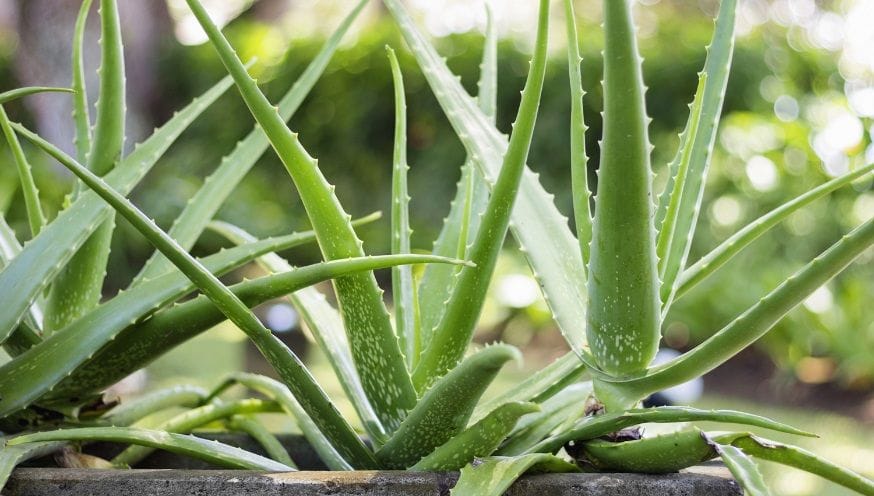
Aloe vera prefers well-drained, sandy soils. It needs full sunlight for most of the day. Shade or wet soil can harm the plant. These conditions help aloe grow strong and healthy.
Credit: plnts.com
Cold Weather Challenges
Cold weather can be a tough opponent for aloe vera plants. These succulent beauties thrive in warm, sunny environments, so dropping temperatures can cause serious stress. Understanding the challenges they face during cold spells can help you protect your aloe and keep it healthy.
Understanding Frost Damage
Frost is one of the biggest threats to aloe vera in cold weather. Even a light frost can cause the plant’s leaves to become mushy and discolored. I once left my aloe outside overnight during an unexpected cold snap, and the next day the leaves were soft and turning brown.
Frost damages the plant’s cells, leading to permanent injury if not addressed quickly. Protecting your aloe from frost is crucial to its survival.
How Low Temperatures Affect Growth
Cold weather slows down aloe vera’s growth dramatically. The plant’s metabolism drops, so it stops producing new leaves and may even shed older ones. If temperatures stay below 50°F (10°C) for long periods, your aloe might enter a dormant state.
This dormancy can be a defense mechanism, but it also means your plant becomes more vulnerable to diseases and pests. Have you noticed your aloe looking dull or lifeless during winter? That’s a sign of slowed growth due to cold.
Moisture And Cold: A Risky Combination
Cold weather often comes with increased moisture, either from rain or humidity. Aloe vera hates sitting in wet soil, especially when it’s cold. Excess moisture combined with low temperatures can lead to root rot.
I once overwatered my aloe during a chilly winter, and the roots started to rot quickly. The key is to reduce watering and ensure well-draining soil during colder months.
Protective Measures Against Cold Stress
- Move your aloe indoors or to a sheltered spot when frost is expected.
- Use frost cloths or blankets to cover the plant overnight.
- Place aloe near sunny windows to maximize warmth and light.
- Water sparingly to avoid soggy soil in cold weather.
Could a simple change in placement save your aloe this winter? Sometimes small adjustments make a big difference in how your plant handles the cold.
Signs Of Cold Stress In Aloe Vera
Spotting signs of cold stress in your aloe vera plant early can save it from serious damage. Aloe vera is a succulent that thrives in warm climates, so cold weather can quickly affect its health. Knowing what to look for helps you act fast and protect your plant.
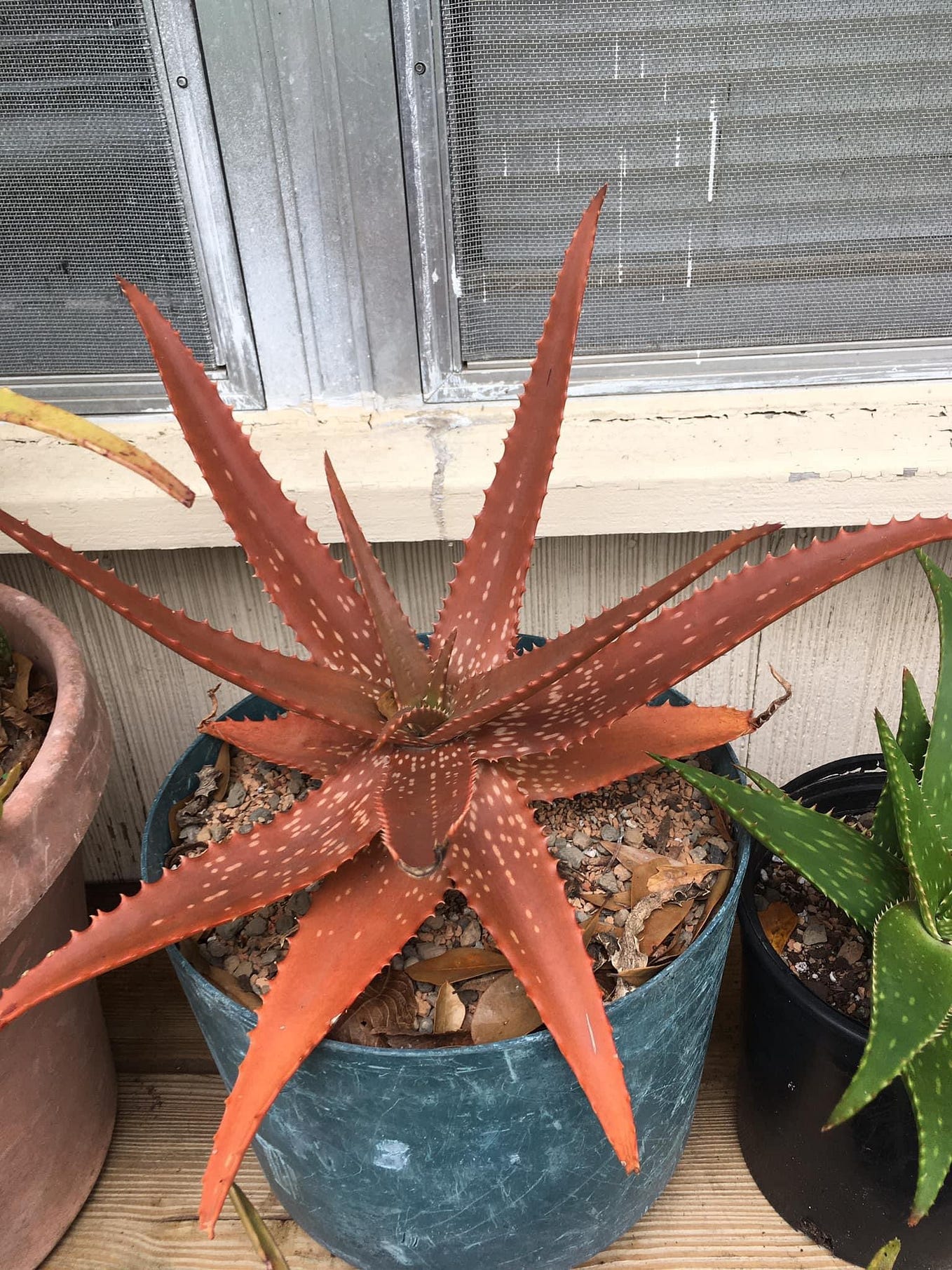
Discoloration of LeavesOne of the first signs of cold stress is a change in leaf color. Your aloe’s vibrant green may turn pale, yellow, or even brown. These color shifts indicate that the plant cells are damaged by the cold.
Have you noticed your aloe’s leaves looking dull or blotchy after a cold night? This is a clear warning signal that the plant is under stress.
Soft or Mushy Leaf TextureCold temperatures can cause aloe leaves to become soft or mushy. This happens because freezing damages the water-filled cells inside the leaves. Softness is a sign the plant is struggling to survive the cold.
Touch your aloe leaves regularly during cold spells. If they feel unusually soft or limp, it’s time to move the plant to a warmer spot.
Leaf Curling or DroopingWhen aloe vera faces cold stress, the leaves may curl inward or droop downward. This is the plant’s way of conserving energy and moisture. If you see this, your aloe is clearly uncomfortable and needs help.
Have you ever seen your aloe’s leaves curl up like this? It’s a natural defense but also a cry for warmth.
Black or Dark SpotsDark spots or blackened areas on the leaves are signs of frost damage. These spots usually indicate dead tissue caused by freezing temperatures. If ignored, these damaged spots can spread and harm your plant further.
Keep an eye out for any black patches after cold nights—they’re a red flag for cold injury.
Slow or No GrowthCold stress slows down aloe vera’s growth significantly. If your plant stops producing new leaves or looks stagnant, the cold could be the culprit. Growth halt is a subtle but serious sign of stress.
Ask yourself: has your aloe stopped growing even though you’re caring for it properly? Cold weather might be the hidden reason.
Indoor Relocation Strategies
Moving your aloe vera plant indoors during cold weather can be a game changer for its survival. Aloe vera is sensitive to frost and low temperatures, so bringing it inside before the cold hits is crucial. But simply relocating it isn’t enough—you need to create the right environment indoors for your plant to thrive through the winter months.
Choosing The Best Indoor Spot
Find a bright location with plenty of indirect sunlight. Aloe vera loves light, but harsh direct sun through a window can scorch its leaves. A south or west-facing window with filtered light often works well.
Have you noticed some spots near your window get colder at night? Avoid placing your aloe too close to drafty windows or doors. Cold drafts can stress the plant just as much as outdoor frost.
Maintaining Proper Temperature And Humidity
Aloe vera prefers temperatures between 55°F and 80°F indoors. Try to keep the room temperature stable and avoid sudden drops.
Indoor air can be dry during winter. You can place a small humidifier nearby or set the pot on a tray filled with water and pebbles to gently raise humidity without waterlogging the roots.
Since aloe vera slows growth in winter, it needs less water indoors. Overwatering can cause root rot quickly in cooler, less sunny environments.
Water only when the top 1-2 inches of soil feels dry. This might mean watering once every 3-4 weeks, but check the soil regularly to be sure.
Using Suitable Containers And Soil
Make sure your aloe is in a pot with drainage holes to prevent standing water. Good drainage is key to healthy roots.
Using a well-draining cactus or succulent mix keeps the soil light and prevents moisture buildup. If you’ve been using garden soil, repotting can make a big difference.
Regular Monitoring And Care
Keep an eye on your aloe’s leaves for signs of stress like browning tips or mushy spots. These can indicate issues with light, water, or temperature.
Do you talk to your plants? I’ve found that checking in regularly helps me catch problems early. Aloe vera might not respond to words, but it shows its needs clearly if you watch closely.
Using Protective Covers
Using protective covers is a smart way to help your aloe vera survive cold weather. These covers act as a shield against frost and chilly winds that can damage the plant. You don’t need fancy materials—simple household items can do the trick if used correctly.
Choosing The Right Material
Not all covers work the same. You want something that keeps the cold out but still lets air and moisture pass through. Garden fabric, burlap, or even old bedsheets are great options. Avoid plastic directly on the plant because it traps moisture and can cause rot.
Think about how thick your cover needs to be. Thicker fabrics offer better insulation but can block light. You might try layering a thin sheet over burlap for a balance. Have you checked your local garden store for frost cloths? They’re designed specifically for protecting plants in cold weather.
How To Secure Protective Covers
Simply draping a cover over your aloe won’t keep it safe if wind blows it away. You need to secure it well. Use garden stakes, bricks, or even heavy pots around the edges.
Make sure the cover doesn’t touch the leaves directly, as this can cause damage if frost forms. You can build a small frame with sticks or wire hoops to keep the cover elevated. This method has saved my aloe many times during unexpected frosts.
Timing Your Cover Use
When should you put the cover on? It’s best to cover your aloe when temperatures drop below 50°F (10°C) at night. Remove the cover during the day if the sun is out to prevent overheating.
Leaving the cover on too long can cause humidity to build up, which may harm your plant. Check weather forecasts regularly and adjust your covering schedule. Do you notice your aloe responds better when you remove covers during sunny days?
Credit: www.theguardian.com
Adjusting Watering Routine
Adjusting the watering routine is essential for aloe vera during cold weather. Aloe vera stores water in its leaves, so it needs less water when temperatures drop. Overwatering can cause root rot and damage the plant. The key is to reduce watering frequency and ensure the soil dries out between waterings.
Cold weather slows aloe vera’s growth, lowering its water needs. Pay close attention to the soil’s moisture before watering. If the soil feels damp, wait a few more days. This simple change keeps the plant healthy and prevents water stress.
Check Soil Moisture Before Watering
Use your finger to check soil moisture at least an inch deep. If the soil is still wet, do not water. Aloe vera prefers dry soil in cold months. This step helps avoid overwatering and root problems.
Reduce Watering Frequency
Water aloe vera less often in cold weather. A good rule is to water every 3 to 4 weeks. This depends on indoor temperature and humidity. Less water matches the plant’s slower growth and keeps it safe.
Use Well-draining Soil
Make sure aloe vera is in well-draining soil. Soil that holds water too long can harm roots. Add sand or perlite to improve drainage. This adjustment prevents water buildup during colder months.
Water Early In The Day
Water aloe vera in the morning, allowing excess water to evaporate. This timing reduces the risk of cold damage. Wet soil overnight can freeze and hurt the plant.
Observe Plant Signs
Watch aloe vera for signs of overwatering or underwatering. Yellowing leaves suggest too much water. Wrinkled or shriveled leaves show the plant needs more water. Adjust watering based on these signs to keep aloe healthy.
Temperature And Humidity Control
Controlling temperature and humidity is key to helping your aloe vera plant endure colder months. These factors directly affect its health and ability to recover from cold stress. Understanding how to manage them can make a big difference in your plant’s survival.
Temperature Range Aloe Vera Can Tolerate
Aloe vera thrives best between 55°F and 80°F. Temperatures below 50°F can cause damage, especially if they drop suddenly. You might have noticed your aloe’s leaves turning brown or mushy after a chilly night—that’s a clear sign it’s struggling.
Keeping your aloe above 50°F during cold spells is crucial. If you live in a cold climate, consider moving your plant indoors or to a sheltered spot when temperatures dip. Have you checked your local frost dates to plan ahead?
Maintaining Proper Humidity Levels
Aloe vera prefers dry air with humidity levels around 40% to 50%. High humidity combined with cold temperatures increases the risk of fungal infections and root rot. I once kept my aloe in a bathroom with high humidity, and it quickly developed soft spots—something to avoid.
Using a dehumidifier or ensuring good airflow helps keep humidity in check. If you notice your plant’s leaves looking soggy or discolored, check the air moisture around it. Could your plant benefit from some fresh, dry air?
Practical Tips For Temperature And Humidity Control
- Bring your aloe indoors before the first frost hits.
- Place it near a south-facing window for warmth and sunlight.
- Use a thermometer and hygrometer to monitor the environment.
- Ventilate the room regularly to prevent excess humidity buildup.
- Keep soil dry during cold months to avoid waterlogging.
These simple steps can protect your aloe vera from cold damage. Have you tried adjusting your plant’s environment this way yet?
Choosing The Right Pot And Soil
Choosing the right pot and soil is essential for aloe vera to survive cold weather. A proper pot keeps the roots safe from freezing. Good soil drains well and prevents water from freezing around the roots. Both factors help aloe vera stay healthy during cold months.
Choosing A Pot With Good Drainage
Aloe vera needs pots with holes at the bottom. This allows extra water to flow out. Standing water makes roots rot and die. Terracotta pots are great because they breathe and dry faster. Plastic pots hold moisture longer, which can harm the plant in cold weather.
Selecting The Right Size Of Pot
Choose a pot slightly bigger than the aloe vera’s root ball. Too big pots hold too much water. Too small pots limit root growth and stress the plant. A snug fit keeps the soil dry and warm around the roots.
Using Well-draining Soil Mix
Aloe vera prefers sandy or gritty soil. Use cactus or succulent mix for best results. You can mix regular potting soil with sand or perlite. This mix dries quickly and stops water from freezing. Avoid heavy, clay soils that trap moisture.
Adding Insulating Materials
Place a layer of small stones or broken pottery at the pot’s bottom. This helps water drain faster. Mulch the top of the soil with dry leaves or straw. Mulch keeps the soil warm and protects roots from cold air.
Fertilization Tips For Cold Months
Aloe vera needs special care during cold months. Fertilizing helps keep it strong and healthy. Using the right fertilizer supports its growth even in chilly weather. Avoid overfeeding, as aloe vera grows slower in cold.
Choose fertilizers with balanced nutrients. Focus on formulas with nitrogen, phosphorus, and potassium. These nutrients help aloe vera build roots and leaves.
Choosing The Right Fertilizer
Select a fertilizer with a low nitrogen content. High nitrogen can harm aloe during cold months. Look for a balanced or cactus-specific fertilizer. These types suit aloe vera best.
Frequency Of Fertilization
Fertilize aloe vera less often in cold weather. Once every 6 to 8 weeks is enough. Too much fertilizer can damage the plant.
How To Apply Fertilizer
- Dilute fertilizer to half the recommended strength.
- Apply to moist soil to avoid root burn.
- Use liquid fertilizer for even distribution.
Signs Of Overfertilization
Watch for yellow or brown leaf tips. Leaves may also become soft or mushy. If these signs appear, reduce feeding immediately.
Monitoring And Maintenance
Keeping your aloe vera healthy during cold weather demands careful monitoring and maintenance. This isn’t just about watching the temperature; it’s about understanding your plant’s unique responses and adjusting care accordingly. Small actions can make a big difference in helping aloe vera survive and even thrive despite the chill.
Checking For Signs Of Cold Stress
Look closely at your aloe vera leaves every few days. Are they turning brown, mushy, or showing black spots? These are clear signs the plant is struggling with cold.
Touch the leaves to feel for softness or wateriness—signs of frost damage. Early detection allows you to act fast and prevent permanent harm.
Adjusting Watering Habits
During cold spells, aloe vera needs less water. Overwatering can cause root rot, especially in chilly soil.
Feel the soil before watering; if it’s still damp, wait longer. Your plant’s needs shift with the weather, so be ready to adjust.
Using Protective Measures
Cover your aloe vera with frost cloths or move it indoors when temperatures drop below 50°F (10°C). This simple step shields it from damaging cold.
If you keep the plant indoors, place it near a sunny window but away from cold drafts. Monitoring temperature and light exposure daily helps you keep conditions just right.
Regularly Inspecting The Soil And Pot
Check that the pot has good drainage to avoid water buildup. Cold weather combined with soggy soil can be fatal to aloe vera roots.
Repot if you notice mold or a foul smell—these indicate poor soil health. Clean pots and fresh soil improve your plant’s chances during winter.
Credit: aloehoarder.medium.com
Frequently Asked Questions
Can Aloe Vera Survive Freezing Temperatures?
Aloe vera is sensitive to freezing temperatures below 32°F (0°C). Prolonged frost can damage or kill the plant. Protect aloe vera by bringing it indoors or covering it during cold spells.
How Cold Is Too Cold For Aloe Vera?
Temperatures below 50°F (10°C) can stress aloe vera. It thrives best between 55°F and 80°F. Avoid exposing it to cold drafts or frost to keep it healthy.
What Are Signs Aloe Vera Is Cold Damaged?
Cold damage causes aloe vera leaves to turn brown, soft, or mushy. The plant may wilt or develop black spots. Prompt care can sometimes help recovery if damage is minor.
How To Protect Aloe Vera In Cold Weather?
Move aloe vera indoors or to a warmer spot when cold approaches. Use frost cloths or blankets for outdoor plants. Ensure good drainage and avoid overwatering during cold months.
Conclusion
Aloe vera struggles in cold weather below freezing. Protect it by bringing it indoors or using covers. Keep the plant away from frost and ice. Water it less during cold months to avoid root rot. With simple care, aloe vera can survive cooler days.
Watch the weather and act quickly to save your plant. Growing aloe vera outside works best in warm climates. Cold weather does not mean the end for your aloe. Just follow these tips to help it stay healthy.


