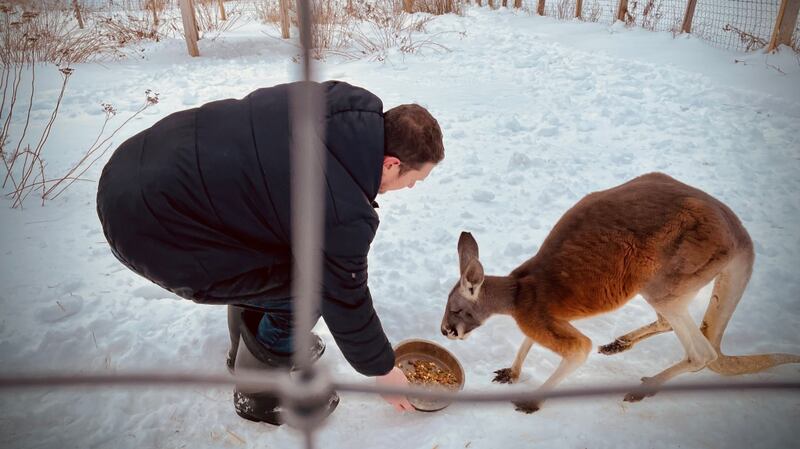
Have you ever wondered if kangaroos, those iconic Australian animals, can survive in cold weather? You might picture them bouncing around sunny, warm landscapes and assume chilly climates would be impossible for them.
But what if the truth is more surprising? Understanding how kangaroos handle cold weather could change the way you think about these fascinating creatures—and nature itself. Keep reading to discover how kangaroos adapt, what challenges cold weather brings, and whether they can truly thrive when the temperature drops.
Your curiosity is about to be rewarded.

Credit: www.istockphoto.com
Kangaroo Adaptations To Climate
Kangaroos are often linked to the warm, sun-drenched landscapes of Australia. But what happens when temperatures drop? Their ability to handle different climates comes down to some clever natural adaptations. These traits help them manage heat, cold, and everything in between.
Physical Features That Help Regulate Temperature
Kangaroos have thick fur that acts like insulation, keeping cold air out during chilly weather. The fur also traps warmth close to their bodies, much like wearing a cozy jacket. Interestingly, their fur changes slightly with the seasons, becoming denser in colder months to boost warmth.
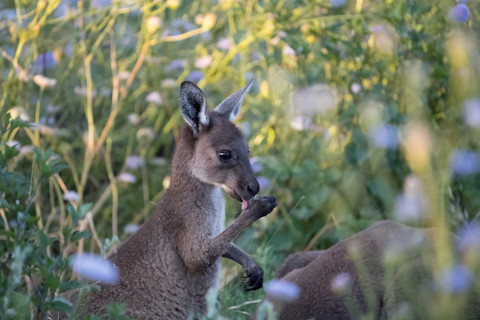
Have you noticed how kangaroos lick their forearms? This behavior cools them down in heat, but in cold weather, the same area helps conserve body heat by reducing blood flow. This simple action shows how their bodies adjust to temperature shifts.
Behavioral Adaptations For Climate Control
When the weather turns cold, kangaroos often huddle together. This group behavior shares body heat and reduces heat loss. They also seek shelter in thick bushes or rocky areas that block cold winds.
During colder months, kangaroos may reduce their activity to conserve energy. Less movement means less heat loss, helping them maintain their body temperature. Have you ever seen kangaroos resting more during winter? That’s no coincidence.
Diet And Water Use In Different Climates
Kangaroos adapt their diet based on what’s available in their environment. In colder times, they eat more fibrous plants that provide steady energy. Their efficient digestive system extracts maximum nutrients to help them stay warm.
Water is crucial, but kangaroos can survive with minimal intake. They get moisture from the plants they eat, which helps them endure cold, dry conditions. This ability is key for survival when water sources freeze or become scarce.
Natural Habitat Of Kangaroos
Kangaroos are iconic animals native to Australia. Their natural habitat affects how well they cope with weather changes. Understanding where kangaroos live helps us know if they can survive cold weather. Their habitat includes the climate and geography where kangaroos thrive.
Typical Climate Conditions
Kangaroos live mostly in warm and dry climates. They prefer areas with mild winters and hot summers. Rainfall in these regions is often low and seasonal. Temperatures rarely drop below freezing where kangaroos are found. They are not built for very cold or snowy weather. Their fur and body structure suit warmer environments.
Geographical Distribution
Kangaroos are found mainly across Australia. They live in grasslands, woodlands, and open forests. Some species also live in desert areas. They avoid cold, mountainous regions and dense rainforests. Kangaroos are rarely seen in southern parts of Australia where winters are colder. Their range matches areas with moderate to high temperatures year-round.
Physiological Traits For Temperature Regulation
Understanding how kangaroos manage their body temperature reveals why some can cope with colder climates better than you might expect. Their physiological traits play a key role in regulating heat, helping them stay warm when temperatures drop. Let’s look closely at the features that make this possible.
Fur And Body Heat Retention
Kangaroos have thick fur that acts as natural insulation against cold weather. The fur traps air close to their skin, creating a warm layer that slows heat loss. You might notice that their fur feels dense and soft, which is no accident—it’s designed to keep them cozy.
Interestingly, some species, like the red kangaroo, grow longer and denser fur in winter. This seasonal change boosts their ability to retain body heat when the environment gets chilly. If you see a kangaroo in colder regions, pay attention to how plush their coat looks compared to those in warmer areas.
Energy Conservation Mechanisms
Kangaroos reduce their energy use to maintain body heat during cold spells. They limit movement and rest more, which helps conserve calories needed for warmth. This strategy ensures they don’t burn too much energy trying to stay warm.
Additionally, kangaroos can slow their metabolism to lower heat loss. This metabolic adjustment means they produce less internal heat but also require less food, which is crucial when resources are scarce in winter. Have you ever noticed how animals become less active in cold weather? Kangaroos do the same to survive.
Credit: www.discovermagazine.com
Behavioral Adaptations In Cold Environments
Kangaroos have evolved unique behaviors to handle colder weather, helping them survive when temperatures drop. These behavioral adaptations are crucial since kangaroos don’t grow thick fur like some other animals. Instead, they rely on smart strategies to stay warm and find food during chilly days.
Sheltering And Group Dynamics
Kangaroos often seek shelter in dense bushes or behind rocks to block cold winds. You might notice that they huddle together in groups, sharing body heat to keep warm during cold spells. This social behavior reduces heat loss and provides protection, especially for younger kangaroos who are more vulnerable to cold.
Have you ever seen a group of kangaroos resting closely on a cold morning? This simple action is a powerful survival technique. Staying in groups also helps them stay alert against predators while conserving energy.
Foraging Habits
Cold weather changes kangaroos’ eating patterns. They tend to forage during the warmest parts of the day, avoiding early mornings and late evenings when frost is common. This helps them maintain their body temperature and reduces energy loss.
Kangaroos also switch to eating more fibrous, high-energy plants available in winter. This shift provides the extra calories needed to keep their metabolism working efficiently. Think about how adjusting your meal times and diet could help you handle colder days better—animals do this naturally.
Case Studies Of Kangaroos In Cold Climates
Kangaroos are often seen as creatures of warm, sun-drenched landscapes, but what happens when the temperature drops? Examining real-life examples of kangaroos living in colder regions offers surprising insights into their adaptability. These case studies challenge what you might think about kangaroos and cold weather survival.
Kangaroos In Tasmania
Tasmania, known for its cooler climate and chilly winters, is home to several kangaroo populations. These kangaroos have adapted by growing thicker fur during the colder months, which helps retain body heat.
They also tend to reduce their activity during the coldest parts of the day, seeking shelter in dense bushland or hollow logs. This behavior minimizes energy loss and exposure to harsh weather.
Have you noticed how they huddle together? This social behavior is a natural way to share warmth, showing you that even kangaroos rely on community in tough conditions.
Observations In Unusual Weather Patterns
In some regions, kangaroos have faced unexpected cold snaps that test their survival skills. During these unusual weather events, kangaroos often change their feeding habits, opting for higher-energy food sources to fuel their bodies.
Observers have recorded kangaroos using their strong tails and limbs to dig through frost-covered grass to reach food underneath. This shows you how resourceful they can be when their environment changes suddenly.
Sometimes, kangaroos are seen resting in sunny spots for longer periods, maximizing warmth from limited sunlight. This simple action can make a big difference in their ability to cope with cold.

Credit: www.hindustantimes.com
Challenges And Threats In Cold Conditions
Kangaroos face many challenges in cold weather. Their bodies are built for warm climates, making cold seasons tough. Survival becomes harder due to low temperatures and limited resources. Cold weather can bring risks that affect their health and safety. Understanding these threats helps explain why kangaroos avoid cold places.
Predation And Food Scarcity
Cold weather reduces the availability of plants kangaroos eat. Snow and frost cover grass and leaves, making food scarce. Starvation risk grows as kangaroos struggle to find enough nutrition. Weaker kangaroos become easy targets for predators. Predators like foxes and wild dogs find hunting simpler in winter. Food scarcity and predation create a dangerous cycle.
Health Risks And Diseases
Cold conditions increase health problems for kangaroos. Their fur does not insulate well in freezing temperatures. Hypothermia is a real threat during long cold spells. Wet and cold environments can cause infections and illnesses. Parasites and diseases spread faster when kangaroos are weak. Ill kangaroos have less chance of survival in cold weather.
Conservation Efforts And Research
Kangaroos face challenges in cold weather, making conservation vital. Scientists and conservationists work hard to protect these unique animals. Their efforts focus on preserving habitats and studying kangaroo behavior and survival.
Habitat Preservation Strategies
Protecting kangaroo habitats is key to their survival. Many regions create reserves to keep natural areas safe. These zones help kangaroos find food and shelter during cold seasons.
Efforts include:
- Preventing land clearing that destroys homes
- Restoring damaged grasslands and woodlands
- Controlling invasive species that compete for resources
- Creating wildlife corridors for safe movement
These actions ensure kangaroos have space to adapt to temperature changes.
Scientific Studies And Findings
Research helps understand how kangaroos manage cold weather. Scientists track their behavior, diet, and body temperature through seasons. Results show kangaroos seek shelter and reduce activity in cold times.
Key findings include:
- Kangaroos grow thicker fur to stay warm
- They huddle together to share body heat
- Some species prefer milder climates and avoid extreme cold
- Energy use drops during cold spells to conserve warmth
These insights guide better protection and care strategies for kangaroo populations.
Frequently Asked Questions
Can Kangaroos Live In Cold Climates?
Kangaroos are adapted to warm environments. They struggle to survive in cold climates without shelter or heat sources. Their thin fur and lack of fat make cold weather challenging.
How Do Kangaroos Stay Warm In Winter?
Kangaroos use behavioral adaptations like huddling together and seeking shelter. They reduce activity to conserve energy and find sunny spots for warmth during cold weather.
Are Kangaroos Endangered By Cold Weather?
Cold weather alone does not endanger kangaroos. However, prolonged cold spells can affect their food supply and health, potentially impacting survival in colder regions.
Can Kangaroos Adapt To Colder Environments?
Kangaroos have limited ability to adapt to cold. Their physiology suits warmer areas, so long-term survival in cold regions is unlikely without human intervention or climate change.
Conclusion
Kangaroos are built for warm climates, not cold weather. Their bodies do not handle freezing temperatures well. They need heat to stay active and healthy. In cold places, kangaroos might struggle to find food and shelter. This makes surviving tough for them.
Still, some kangaroos can live in mild cold if they find good shelter. Nature helps, but severe cold is risky. So, kangaroos and cold weather do not mix easily. Their best home stays warm and sunny.


