
Imagine you’re standing in the blazing desert sun. The heat is intense, and your skin feels like it’s burning.
You might think that wearing as little as possible is the best way to stay cool. But what if heavy clothing could actually help you survive in this harsh environment? It sounds strange, right? Yet, the right kind of heavy clothing can protect you from the sun, keep your body temperature steady, and even save your life.
Want to know how this works and what you should wear if you ever find yourself in the desert? Keep reading, because understanding this simple secret could make all the difference when facing extreme heat.
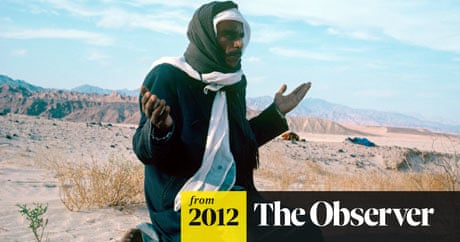
Credit: www.theguardian.com
Desert Survival Challenges
Surviving in the desert is no easy task. The harsh environment tests your body and mind every step of the way. Understanding the main survival challenges can help you make better decisions about what to wear and carry.
Extreme Temperature Fluctuations
Deserts aren’t just scorching hot during the day—they can become freezing cold at night. Your clothing needs to adapt to this drastic change. Wearing heavy clothing might seem counterintuitive in the heat, but it can actually protect you from the sun and help retain warmth after sunset.
Dehydration Risks
High temperatures increase your risk of dehydration. Heavy clothing can trap sweat, making it harder for your body to cool down. But if chosen wisely, thick, loose fabrics can shield your skin and reduce water loss. Have you thought about how your clothing affects your hydration levels?
Sun Exposure And Skin Protection
Sunburn and heatstroke are common dangers in desert survival. Heavy clothing can act as a barrier, blocking harmful UV rays. Instead of slathering on sunscreen repeatedly, covering up might provide longer-lasting protection.
Sand And Wind Hazards
Sandstorms and wind are relentless in the desert. Heavy, tightly woven clothes can keep sand out of your eyes, nose, and mouth. Think about how a simple scarf or long sleeves could shield you from abrasive particles swirling around.
Mobility And Heat Management
Bulky clothing might limit your movement and increase heat retention. However, the right heavy fabrics can still breathe while offering protection. Finding this balance is key—how will you choose clothes that protect without weighing you down?
Role Of Heavy Clothing
Heavy clothing might sound like the last thing you’d want in a desert, but it actually plays a significant role in survival. The key lies in how heavy clothing interacts with your body and the harsh desert environment. It offers more than just warmth—it can protect, insulate, and even help regulate your body temperature.
Protection From Sun And Sand
Heavy clothing acts as a physical barrier against the intense sun rays that can cause burns and heatstroke. It blocks direct sunlight from reaching your skin, reducing the risk of dehydration caused by sunburn. Additionally, it shields you from blowing sand, which can irritate your skin and eyes.
Insulation Against Temperature Swings
The desert is known for extreme temperature changes between day and night. Heavy clothing helps trap a layer of air close to your skin, providing insulation. This keeps you cooler during the day by reflecting sunlight and warmer at night by retaining body heat.
Reducing Sweat Evaporation And Dehydration
You might assume heavy clothing causes more sweating, but it can actually reduce water loss. By covering your skin, it slows down sweat evaporation, helping your body hold onto moisture longer. This can be crucial when water is scarce and dehydration is a serious threat.
Choosing The Right Heavy Clothing
- Opt for breathable fabrics like cotton or linen, which allow air circulation despite their weight.
- Loose-fitting garments work better than tight clothes, letting sweat evaporate and air flow.
- Light colors reflect sunlight, so choose heavy but light-colored clothing for the best effect.
Have you ever thought about how something as simple as clothing could become your best survival tool in the desert? Next time you plan a trip, consider packing heavier, loose clothes instead of just light, minimal gear.
Temperature Regulation
Temperature regulation is a key factor when surviving in the desert, where daytime heat can be intense and nights can be surprisingly cold. Heavy clothing might seem counterintuitive at first, but it can actually help manage your body temperature effectively. Understanding how this works can improve your chances of staying safe and comfortable.
How Heavy Clothing Affects Heat Absorption And Retention
Heavy fabrics often have tightly woven fibers that limit direct sunlight from reaching your skin. This reduces the risk of sunburn and helps keep your body cooler during the day.
At the same time, these clothes trap a layer of air close to your skin, which acts as insulation. This trapped air can slow down heat loss when temperatures drop at night, helping you retain warmth.
Breathability And Moisture Control
Not all heavy clothing is the same. Natural fabrics like cotton or wool can absorb sweat and allow air to circulate, which helps your skin breathe. This moisture control prevents overheating and keeps you cooler.
On the other hand, synthetic heavy fabrics might trap sweat and heat, which can cause discomfort and increase dehydration risk. Choosing heavy but breathable materials is crucial.
The Role Of Color And Layering
Dark heavy clothing absorbs more heat, so lighter colors are often better for daytime desert wear. They reflect sunlight and reduce temperature buildup inside your clothes.
Layering heavy clothes gives you flexibility. You can remove layers during the hottest part of the day and add them back when the temperature drops at night. This adaptability supports better temperature regulation.
Practical Tips For Using Heavy Clothing In The Desert
- Opt for loose-fitting heavy clothes to allow airflow and reduce heat buildup.
- Wear a wide-brimmed hat with heavy fabric to protect your head and neck from sun exposure.
- Use heavy scarves or shawls to shield your face from wind and sand while conserving moisture.
Have you ever tried wearing heavy layers in extreme heat? Observing how your body reacts can teach you a lot about managing temperature in harsh environments.
Protection From Sun Exposure
Desert sun exposure is intense and relentless. Your skin can burn quickly, leading to dehydration and heatstroke. Wearing heavy clothing might seem counterintuitive, but it offers unique protection from harmful UV rays.
How Heavy Clothing Shields Your Skin
Heavy fabrics create a physical barrier between your skin and the sun. Unlike thin or loose clothing, dense materials block more ultraviolet rays, reducing the risk of sunburn. This barrier also keeps your skin cooler by preventing direct sunlight from hitting it.
The Role Of Fabric Color And Texture
Dark and tightly woven fabrics absorb UV rays better than light, thin ones. They prevent radiation from reaching your skin, even if they feel warmer to touch. Have you noticed how certain desert dwellers wear dark robes? They use this principle to stay safe under harsh sunlight.
Breathability And Moisture Management
Heavy clothing doesn’t have to trap heat if designed correctly. Natural fibers like cotton or linen allow airflow and wick sweat away from your skin. This keeps you cooler and less prone to heat exhaustion while still offering sun protection.
Practical Tips For Using Heavy Clothing In The Desert
- Choose long sleeves and full-length pants to cover as much skin as possible.
- Opt for fabrics with tight weaves and natural fibers for better protection and breathability.
- Wear a wide-brimmed hat or headscarf made from heavy material to shield your face and neck.
- Layer clothing if temperatures drop at night, but keep the outer layer heavy to block UV rays.
Have you ever tried wearing heavy clothing in the desert heat? It might surprise you how much it helps reduce sunburn and heat stress. Protecting your skin starts with what you wear, not just sunscreen or shade.
Moisture Retention Benefits
Heavy clothing plays a key role in keeping moisture close to the skin in desert conditions. This retention helps slow down the rapid loss of water through sweat. Moisture stays trapped between the skin and fabric, creating a small humid layer.
This layer reduces dehydration by limiting evaporation. It also helps the body maintain a more stable temperature. Heavy fabrics absorb sweat but do not let it dry too fast, which keeps skin cooler.
How Heavy Clothing Traps Moisture
Thick materials have more fibers to hold sweat. These fibers create a barrier that slows moisture escape. The trapped moisture forms a thin, damp zone next to the skin.
This zone helps prevent the skin from drying out too quickly. It also reduces the feeling of dryness and irritation common in deserts.
Benefits Of Moisture Retention For Skin
- Prevents excessive dryness and cracking
- Protects against wind and sand abrasion
- Maintains skin elasticity and comfort
Impact On Body Hydration
By slowing sweat evaporation, heavy clothing helps conserve body fluids. Less water lost means longer endurance under harsh desert heat. This can lower the risk of heat exhaustion and dehydration.

Credit: www.furrociousfurr.com
Potential Drawbacks
Wearing heavy clothing in the desert might seem like a smart way to shield yourself from the harsh sun and blowing sand. However, this approach comes with some significant risks that could make your survival even harder. It’s important to weigh these drawbacks before deciding on your desert attire.
Heat Exhaustion Risks
Heavy clothing can trap heat close to your body, making it difficult for sweat to evaporate and cool you down. This increases your risk of heat exhaustion, which can cause dizziness, nausea, and even fainting. I once saw a hiker underestimate this risk; despite wearing full coverage, he ended up overheating badly because his clothes didn’t breathe.
Ask yourself: Is the protection from sunburn worth the risk of overheating? You need clothing that balances coverage with ventilation to stay safe under the desert sun.
Mobility Limitations
Bulky and heavy clothes can restrict your movement, making it harder to walk long distances or climb over uneven terrain. In a desert environment, where you may need to move quickly or adjust your path frequently, this can be a serious disadvantage.
Imagine trying to escape a sandstorm or reach shelter while weighed down by thick layers. Your clothing should allow you to move freely without adding unnecessary weight or bulk.
Expert Opinions
Experts bring valuable insights into whether heavy clothing can aid survival in desert conditions. Their views help you understand the practical benefits and drawbacks of wearing heavy garments under intense heat and sun exposure. Let’s see what survival specialists and clothing designers say about this topic.
Survival Specialists
Survival specialists often emphasize protection from the sun as a top priority in deserts. They point out that heavy clothing, especially if loose and light-colored, can shield your skin from harmful UV rays and prevent dehydration by reducing direct sun exposure.
One expert shared how a thick cotton shirt helped him avoid severe sunburn during a desert trek. However, they warn that heavy fabrics can trap heat if they don’t allow airflow, which may increase the risk of overheating.
They recommend balancing coverage with breathability and suggest layering with lightweight, moisture-wicking fabrics underneath. Could your choice of clothing be the difference between overheating and staying cool?
Clothing Designers
Clothing designers who specialize in outdoor gear often focus on fabric technology to solve desert survival challenges. They develop heavy but breathable materials that block sunlight while allowing sweat to evaporate, keeping you cooler than you might expect.
Designers also highlight the importance of garment structure—features like ventilation panels and adjustable sleeves help regulate body temperature. According to one designer, heavy clothing doesn’t mean heavy heat if it’s engineered correctly.
They encourage considering the fabric’s weight, weave, and color when picking desert attire. Are you selecting clothes based on just weight, or are you thinking about how they interact with your body and environment?
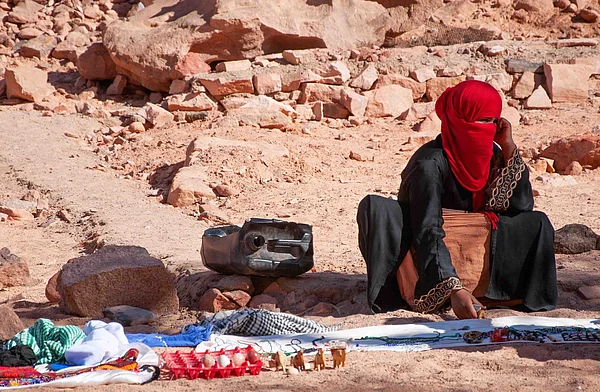
Credit: www.khaleejtimes.com
Comparative Analysis
Understanding whether heavy clothing can help you survive in the desert requires a clear comparison with other clothing options. The desert environment challenges your body with intense heat, dry air, and strong sun exposure. Comparing different types of attire helps you make informed choices that improve comfort and safety.
Lightweight Vs Heavy Attire
Lightweight clothing often feels more comfortable because it allows air to circulate, helping sweat evaporate quickly. However, it may not always protect you from the harsh sun or sudden temperature drops at night. Heavy clothing, on the other hand, can block direct sunlight and create a barrier against sand and wind, but it might trap heat and cause overheating if not chosen carefully.
Think about a time you wore a thick jacket on a hot day. Did it help or hinder your comfort? In desert conditions, heavy garments made from breathable fabrics may perform better than thin, synthetic materials that stick to your skin. You need to balance protection with breathability to stay safe.
Material Considerations
The type of material plays a crucial role in how effective heavy clothing can be in the desert. Natural fabrics like cotton and linen tend to breathe well but can absorb moisture and dry slowly. Wool is surprisingly good at regulating temperature and can keep you cool during the day and warm at night, despite being heavy.
Synthetic fabrics often dry faster but may trap heat and cause skin irritation. Some modern blends combine the benefits of both, offering UV protection and moisture-wicking properties. You might want to test different fabrics during your desert trips to see what works best for your body and activity level.
Ask yourself: Would you rather carry extra clothing that offers protection, or risk skin damage and dehydration by wearing less? The answer depends on your plans and the specific desert conditions you face.
Practical Tips For Desert Clothing
Choosing the right clothing for the desert is more than just picking heavy fabrics. It’s about balancing protection from the sun, managing heat, and staying comfortable during extreme temperature swings. Here are some practical tips to help you dress wisely and stay safe in harsh desert conditions.
Choose Breathable Fabrics That Still Cover Your Skin
Breathability helps your body cool down, but bare skin invites sunburn and dehydration. Look for lightweight, natural fabrics like cotton or linen that allow air to flow while shielding you from direct sunlight.
Loose-fitting clothes work better than tight ones. They create a layer of air between your skin and fabric, which helps with ventilation. Have you noticed how a loose shirt feels cooler on a hot day than a tight one?
Wear Light Colors To Reflect The Sun
Dark colors absorb heat, making you feel hotter. Light-colored clothing reflects sunlight, keeping your body temperature lower. White, beige, and pastel shades are excellent choices to stay cooler under the blazing sun.
Cover Your Head And Neck
The head and neck are vulnerable spots where heat enters your body. A wide-brimmed hat or a scarf can provide essential shade and reduce the risk of sunstroke.
I once underestimated the power of a simple scarf until I spent hours walking under the desert sun. Wrapping it around my neck and head made a huge difference in comfort and energy.
Layer Up To Manage Temperature Changes
Desert temperatures drop quickly after sunset. Having layers allows you to add warmth without carrying bulky items. A lightweight jacket or an extra shirt can keep you comfortable through cold desert nights.
Protect Your Eyes And Skin From Sand And Wind
Sandy winds can cause irritation and damage. Sunglasses with UV protection and a face covering, like a bandana, help shield your eyes and skin. This simple gear can prevent discomfort and keep your vision clear.
Frequently Asked Questions
Can Heavy Clothing Protect From Desert Sunburn?
Yes, heavy clothing can shield your skin from harsh sun rays. It blocks UV radiation and reduces sunburn risk, keeping you safer under intense desert sunlight.
Does Heavy Clothing Help Keep You Cool In Deserts?
Surprisingly, yes. Loose, heavy clothing traps sweat and allows evaporation, cooling your skin. It also prevents direct sun exposure, reducing heat absorption.
What Type Of Heavy Clothing Is Best For Deserts?
Light-colored, breathable fabrics like cotton or linen are ideal. They reflect sunlight and allow airflow, balancing protection and comfort in desert heat.
Can Heavy Clothing Cause Overheating In Deserts?
Improper heavy clothing can increase heat stress. However, suitable loose, breathable garments prevent overheating by promoting ventilation and moisture evaporation.
Conclusion
Heavy clothing can protect you from the sun’s harsh rays. It helps keep your skin from burning and stops sweat from drying too fast. Loose, light-colored clothes work best in the desert heat. They allow air to flow and keep you cooler.
Wearing the right clothes can prevent heatstroke and dehydration. Always choose fabrics that breathe well and cover your body. Staying safe in the desert means thinking about clothing as much as water. Dress smart, stay cool, and respect the desert’s power.
Survival depends on small choices like these.


