
Have you ever wondered if norovirus can cling to your clothes and cause an infection? You might think washing your hands is enough, but what about the germs hiding in your laundry?
Understanding whether norovirus survives on fabrics can help you protect yourself and your loved ones from unexpected outbreaks. Keep reading to discover how long this virus can live on your clothes and what you can do to stay safe.
Credit: medium.com
What Is Norovirus?
Understanding what Norovirus is can help you protect yourself and your loved ones from unexpected outbreaks. This virus is a common cause of stomach flu and can spread rapidly, especially in close environments. Knowing its nature is the first step toward effective prevention.
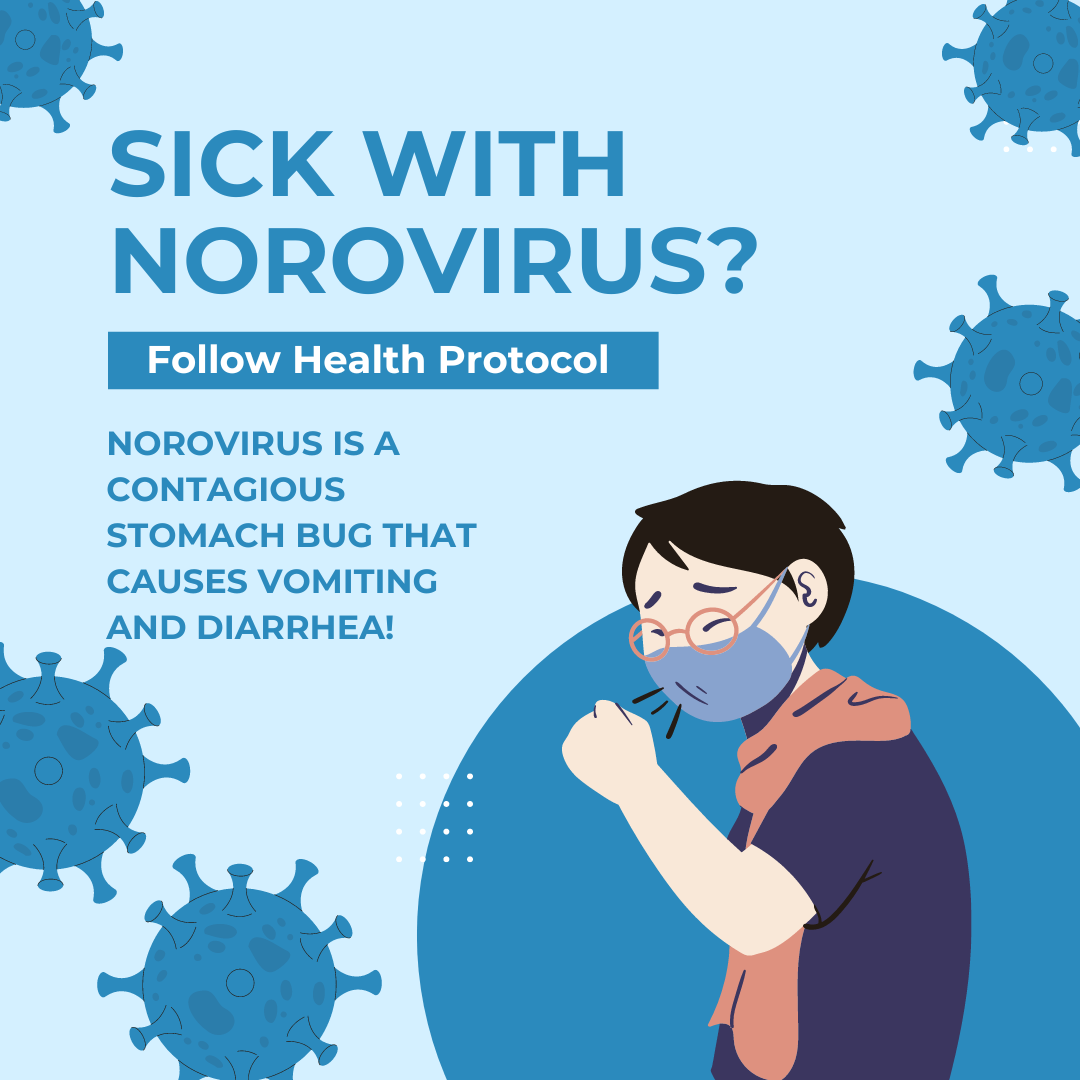
Norovirus is a highly contagious virus that causes inflammation of the stomach and intestines. This leads to symptoms like vomiting, diarrhea, and stomach pain. It spreads quickly through contaminated food, water, surfaces, and close contact with infected people.
How Does Norovirus Spread?
The virus can survive on surfaces, including clothes, for days. Touching contaminated fabrics and then touching your mouth can infect you. That’s why hygiene is critical in stopping its spread.
Why Norovirus Is So Contagious?
- Only a small number of virus particles are enough to cause illness.
- It resists many common disinfectants.
- People can spread it before they feel sick and even after symptoms stop.
Common Symptoms Of Norovirus
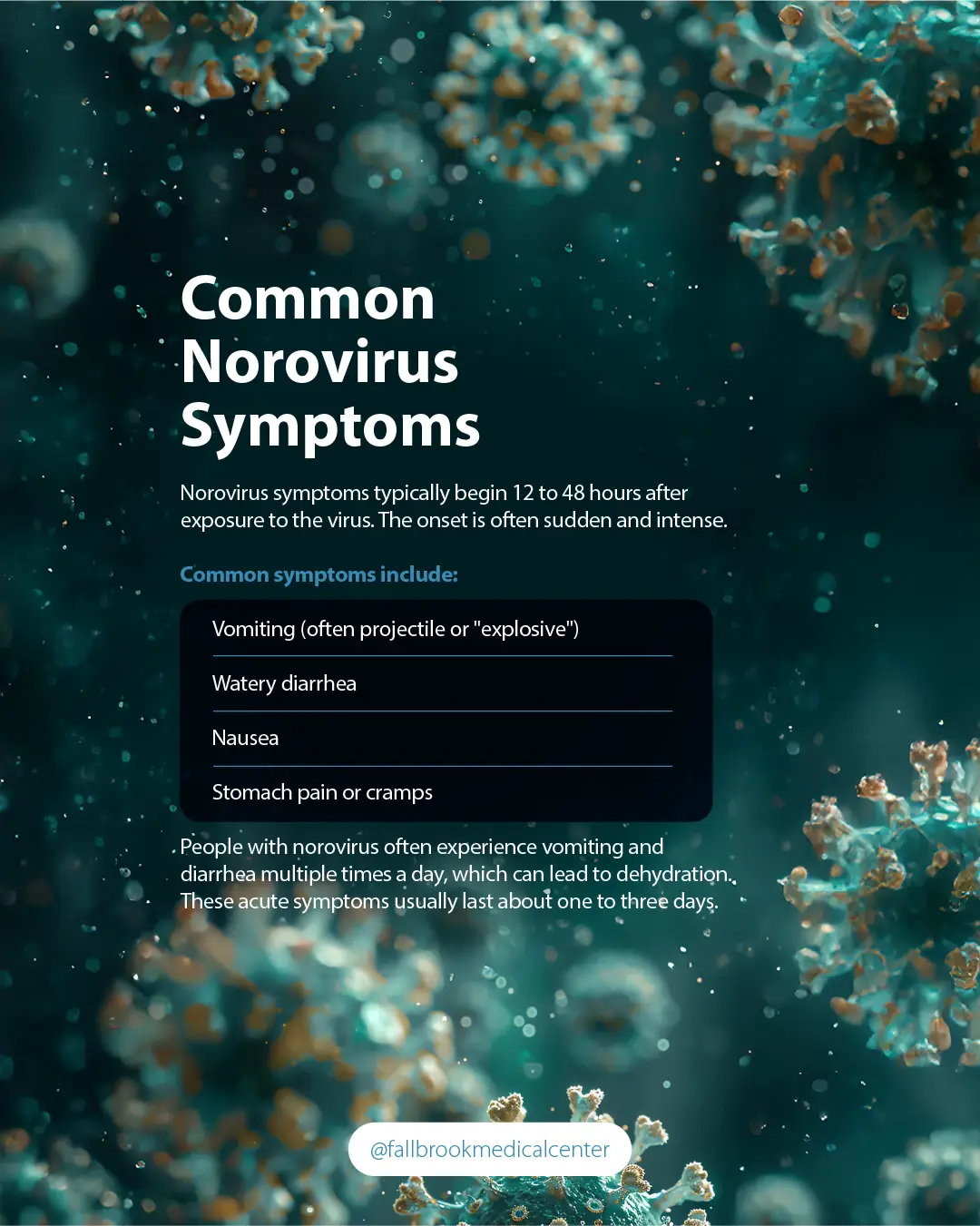
Symptoms usually appear 12 to 48 hours after exposure. You might experience:
- Nausea and vomiting
- Diarrhea
- Stomach cramps
- Low-grade fever and chills
These symptoms can last for one to three days but can feel intense during that time.
Can You Get Norovirus More Than Once?
Yes, you can catch Norovirus multiple times. The virus has different strains, and immunity from one strain doesn’t protect you from others. This means staying vigilant about hygiene remains important.

Credit: www.army.mil
Transmission Of Norovirus
Norovirus spreads quickly and easily, which is why understanding its transmission is crucial. This virus can linger on surfaces and objects, making it easy to catch even without direct contact. Knowing how it moves from one host to another can help you avoid getting sick and protect those around you.
Person-to-person Spread
Norovirus often passes directly from one person to another. This happens when you shake hands with someone who has the virus or share food and drinks. Even tiny amounts of the virus from vomit or diarrhea can infect you.
Have you ever noticed how fast a stomach bug spreads in a family or office? That’s because close contact allows the virus to jump quickly. Avoiding crowded places when feeling unwell and washing your hands frequently are simple ways to stop this chain.
Contaminated Surfaces And Objects
Norovirus can survive on clothes, doorknobs, and other surfaces for days. Touching these contaminated items and then touching your mouth or face can infect you without direct contact with an infected person.
Think about your daily routine—how often do you touch your phone, keyboard, or kitchen towel? These everyday objects can harbor the virus. Regular cleaning and disinfecting of commonly used items reduce your risk significantly.
Norovirus Survival On Fabrics
Norovirus can survive on many surfaces, including fabrics. Clothes can carry the virus and spread infection. Understanding how long norovirus lives on fabrics helps reduce risks. Cleaning and handling fabrics properly is important to stop the virus.
Lifespan On Clothing
Norovirus can survive on clothing for hours to days. The virus stays infectious longer on dry fabrics than on wet ones. Studies show norovirus may live up to 12 days on some materials. The exact time depends on the fabric type and environment.
Factors Affecting Longevity
- Fabric type:Smooth fabrics like polyester hold the virus longer than rough ones.
- Moisture:Dry conditions help norovirus survive longer on clothes.
- Temperature:Cooler temperatures extend virus survival on fabrics.
- Sunlight:Direct sunlight can reduce the virus lifespan quickly.
- Contamination amount:More virus particles increase survival chances on clothing.
Credit: www.fallbrookmedicalcenter.com
Impact Of Norovirus On Health
Norovirus is a highly contagious virus that affects the stomach and intestines. It spreads easily and causes sudden illness. Its impact on health can be severe, especially for young children, older adults, and people with weak immune systems. Understanding the symptoms and complications helps in managing the infection better.
Common Symptoms
- Nausea and vomiting
- Diarrhea
- Stomach pain and cramps
- Fever and chills
- Muscle aches
- Headache
- Fatigue
Symptoms usually start 12 to 48 hours after exposure. Most people recover within 1 to 3 days. The illness can cause dehydration due to fluid loss.
Potential Complications
- Severe dehydration
- Hospitalization, especially for vulnerable groups
- Worsening of chronic health problems
- Rare cases of kidney failure
- Spread to others in close environments
Dehydration is the most common and serious problem. It needs quick treatment with fluids and electrolytes. Prompt care reduces risks and speeds up recovery.
Cleaning And Disinfecting Clothes
Norovirus can stick to clothes and spread easily. Proper cleaning and disinfecting stop the virus from spreading. Clothes need special care to remove the virus safely. Using the right washing techniques and disinfectants is key to keeping clothes safe.
Effective Washing Techniques
Use hot water to wash clothes, ideally above 60°C (140°F). Hot water kills many germs, including norovirus. Use a good detergent to help remove dirt and germs. Wash clothes separately from other laundry to avoid cross-contamination.
Dry clothes in a hot dryer or under direct sunlight. Heat helps kill any virus that remains after washing. Avoid shaking clothes before washing to reduce virus spread in the air.
Use Of Disinfectants
Disinfectants can kill norovirus on clothes, but use them carefully. Choose products labeled safe for fabrics. Follow instructions on the label for correct use and dilution. Avoid mixing disinfectants with detergents to keep them effective.
For tough stains or heavy contamination, soak clothes in a disinfectant solution before washing. Use bleach solutions only on white or color-safe fabrics. Always rinse clothes thoroughly after disinfecting to remove chemical residues.
Preventive Measures
Preventive measures play a key role in stopping norovirus from spreading through clothes. The virus can survive on fabric for days, making cleanliness vital. Taking the right steps can protect you and others from infection. Simple habits and careful handling of contaminated clothing lower the risk effectively.
Personal Hygiene Practices
Good personal hygiene helps prevent norovirus contamination. Always wash hands with soap and water after using the bathroom. Hand sanitizers do not kill norovirus well, so hand washing is best. Avoid touching your face, especially mouth and eyes, without clean hands. Cover your mouth and nose with a tissue when coughing or sneezing. Dispose of tissues properly and wash hands immediately. These habits reduce the chance of transferring the virus to clothes and surfaces.
Handling Contaminated Clothing
Clothes exposed to norovirus require careful handling. Wear disposable gloves when touching soiled fabric. Avoid shaking or tossing clothes to prevent spreading virus particles in the air. Wash contaminated clothes in hot water above 60°C (140°F). Use regular laundry detergent and add bleach if the fabric allows. Dry clothes on high heat to help kill the virus. Clean and disinfect laundry baskets and surfaces after handling dirty clothes. Always wash hands thoroughly after laundry tasks.
Common Myths And Misconceptions
Norovirus is a common cause of stomach illness. Many people have wrong ideas about how it spreads. These myths can cause confusion about safety and cleaning. Understanding the truth helps prevent infection better.
Norovirus Cannot Survive On Clothes
Some believe norovirus dies quickly on fabric. This is false. The virus can live on clothes for days. It clings to fibers and stays infectious. Washing clothes properly is important to remove it.
Regular Washing Is Enough To Kill Norovirus
Many think normal laundry removes norovirus. Plain water and cold wash may not kill it. Hot water and strong detergent work best. Using bleach helps destroy the virus on fabrics.
Drying Clothes Kills Norovirus
People assume drying in the sun or dryer kills the virus. Heat helps but does not guarantee full removal. Virus particles may survive low heat. Combine drying with thorough washing for safety.
Norovirus Only Spreads Through Food And Water
Norovirus spreads through many ways. Clothes, surfaces, and hands can carry it. Touching contaminated fabric and then mouth can cause infection. Cleaning clothes carefully reduces this risk.
Wearing Gloves Always Prevents Norovirus Spread
Gloves protect hands but are not foolproof. Virus can transfer from gloves to clothes or surfaces. Changing gloves often and washing hands remain crucial. Avoid touching face with contaminated gloves.
When To Seek Medical Attention
Norovirus can cause sudden stomach illness. Most people recover quickly without medical help. Sometimes, symptoms get worse or last longer. Knowing when to seek medical attention is important to stay safe.
Signs Of Severe Dehydration
Watch for dry mouth and extreme thirst. Feeling dizzy or lightheaded after standing up can happen. Little or no urine for eight hours is a warning. Sunken eyes and weakness are serious signs. These symptoms need prompt medical care.
Persistent Vomiting Or Diarrhea
Vomiting or diarrhea lasting more than three days is a concern. Losing too much fluid can harm the body. Medical help is needed to avoid complications. Doctors can provide fluids and medicines if necessary.
High Fever Or Blood In Stool
A fever higher than 101.5°F (38.6°C) may signal infection. Blood in stool is not normal and needs checking. Both signs require a visit to the doctor. Early treatment can prevent serious problems.
Weak Immune System Or Chronic Illness
People with weak immune systems need extra care. Chronic illnesses like diabetes or heart disease increase risk. Contact a healthcare provider if symptoms appear. Early action can protect health and speed recovery.
Frequently Asked Questions
Can Norovirus Live On Clothes For Days?
Yes, norovirus can survive on clothes for several days. It remains infectious on fabric, making proper cleaning essential to prevent spread.
How Can I Disinfect Clothes Contaminated With Norovirus?
Use hot water and bleach or a strong detergent. Wash clothes separately and dry thoroughly to kill norovirus effectively.
Is Washing Clothes In Cold Water Enough To Kill Norovirus?
No, cold water alone does not kill norovirus. Hot water and appropriate disinfectants are necessary to ensure the virus is eliminated.
Can Norovirus Transfer From Clothes To Hands?
Yes, norovirus can transfer from contaminated clothes to hands. Proper handwashing after handling infected fabrics reduces infection risk.
Conclusion
Norovirus can survive on clothes for hours or even days. This makes it easy to spread if clothes are not cleaned well. Washing clothes with hot water helps remove the virus. Drying clothes completely also reduces the risk. Always wash your hands after handling dirty clothes.
Keeping clothes clean helps stop norovirus from spreading. Small actions make a big difference in staying healthy. Stay careful and protect yourself and others. Clean clothes, clean hands—simple steps to stay safe.


