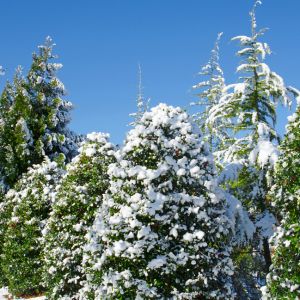
Are you worried about which trees will thrive in your chilly garden? Choosing the right trees that can survive cold weather is key to keeping your outdoor space green and lively all year round.
Imagine having beautiful trees that not only withstand freezing temperatures but also add charm to your yard. You’ll discover easy-to-grow trees built to handle the cold, helping you make smart choices that keep your garden healthy and stunning no matter the season.
Keep reading to find out which trees are perfect for your cold-weather landscape.
Factors Influencing Tree Survival In Cold Climates
Trees face many challenges in cold climates. Their survival depends on several important factors. These factors decide which trees can live and grow well despite freezing temperatures.
Understanding these factors helps gardeners and landscapers choose the right trees. It also aids in protecting trees during harsh winters. The following sections explain key influences on tree survival in cold weather.
Genetic Adaptation To Cold
Some trees have natural traits to resist freezing. These traits develop over many years in cold regions. Such trees can survive frost, ice, and snow better than others. Their cells produce substances that act like antifreeze.
Hardiness Zone
The hardiness zone is a guide to a tree’s cold tolerance. Zones are based on average minimum temperatures. Trees suited to a zone will likely survive its winter weather. Checking the zone helps select trees that fit local climates.
Tree Age And Size
Young trees are more vulnerable to cold damage. Smaller trunks and shallow roots offer less protection. Mature trees have thicker bark and deeper roots. These features help them withstand freezing temperatures.
Soil Conditions
Good soil improves tree survival in cold weather. Well-drained soil prevents water from freezing around roots. Nutrient-rich soil supports tree health and strength. Poor soil can increase cold stress and damage.
Snow Cover And Wind Protection
Snow acts as insulation for tree roots and lower trunks. It keeps the ground temperature more stable. Wind can dry out and chill trees quickly. Natural or artificial windbreaks reduce these effects and protect trees.

Credit: www.hgtv.com
Adaptations For Cold Tolerance
Trees that survive cold weather have special adaptations. These changes help them avoid damage from frost and freezing temperatures. Their ability to endure harsh winter conditions is fascinating and vital for survival.
Adaptations vary among species. Some trees protect their cells from freezing. Others reduce water loss or enter a dormant state. These strategies allow trees to thrive in cold climates.
Thick Bark For Insulation
Thick bark acts like a warm coat. It protects the tree’s inner layers from cold air. This insulation helps prevent frost damage. Trees like pines and spruces have thick, rough bark.
Antifreeze Compounds In Cells
Trees produce natural antifreeze chemicals. These compounds lower the freezing point inside cells. This prevents ice crystals from forming. Sugar and proteins often serve this purpose in cold-hardy trees.
Leaf And Needle Structure
Needles have a waxy coating to reduce water loss. Their small surface area limits exposure to cold air. Many evergreen trees keep needles through winter, staying green and alive.
Dormancy And Growth Cycles
Trees enter dormancy to conserve energy. Growth slows down or stops during the cold months. This pause helps trees avoid damage from frost and ice.
Root System Adaptations
Roots grow deeper to access unfrozen soil layers. This keeps the tree nourished despite frozen ground. Deep roots also anchor the tree against winter winds.
Deciduous Vs. Evergreen In Cold Regions
Choosing between deciduous and evergreen trees for cold regions can shape your outdoor space throughout the year. Both types have unique ways to survive harsh winters, and knowing their differences helps you pick the right tree for your garden or landscape. Let’s break down how each type handles the cold and what that means for your planting choices.
How Deciduous Trees Adapt To Cold Weather
Deciduous trees lose their leaves in the fall to protect themselves from winter damage. This leaf drop reduces water loss and prevents ice from weighing down branches.
Many deciduous trees enter a dormant state during winter, slowing down their metabolism to conserve energy. Have you noticed how bare branches look fragile but are actually well-prepared to handle freezing temperatures?
Species like maple, birch, and oak are great examples of deciduous trees that thrive in cold climates. Their ability to shed leaves helps them survive long, cold winters without damage.
Evergreens: Staying Green Through The Cold
Evergreens keep their needles all year, which might seem risky in cold weather but actually offers some advantages. Their needle-shaped leaves have a thick, waxy coating that prevents water loss and protects them from freezing.
Unlike deciduous trees, evergreens continue photosynthesis during the winter, although at a slower rate. This constant activity means they can stay green and vibrant even when snow covers the ground.
Common evergreens in cold regions include pine, spruce, and fir trees. Their resilience makes them a popular choice if you want greenery through the winter months.
Which Tree Type Is Right For Your Cold Climate Garden?
Think about what you want from your trees in winter. Do you prefer the changing seasons with bare branches and colorful leaves, or do you want a green backdrop year-round?
Consider maintenance too. Deciduous trees drop leaves that need raking, while evergreens may drop needles gradually but less mess overall.
Ask yourself how much wind and snow your area gets. Evergreens can provide shelter for wildlife and reduce wind chill, but heavy snow can break weaker branches. Deciduous trees might handle snow better but offer less wind protection.
Top Cold-hardy Tree Species
Choosing the right trees for cold climates can transform your garden into a vibrant, year-round landscape. Some species not only survive freezing temperatures but also thrive, offering beauty and resilience. Knowing which trees handle frost and snow well helps you make smart planting decisions that save time and effort.
Conifers Suited For Freezing Temperatures
Conifers are often the first choice for cold regions. Their needle-like leaves resist frost damage and retain moisture during dry winter months. These trees also provide evergreen color, brightening dull winter days.
- Colorado Blue Spruce: Famous for its steel-blue needles, this spruce tolerates temperatures as low as -40°F. Its dense branches shield against harsh winds.
- Eastern White Pine: Fast-growing and hardy, it adapts well to snowy conditions. Its soft needles add texture to winter landscapes.
- Norway Spruce: Known for its strong branches, it handles heavy snow loads without breaking. This tree also offers excellent privacy screening.
- Douglas Fir: It survives cold weather and grows tall, making it a great windbreak. Its cones add seasonal interest.
Have you noticed how these conifers keep their color and shape even in deep winter? That’s their secret strength—staying green when others lose their leaves.
Deciduous Trees For Frosty Environments
Deciduous trees may lose their leaves in winter, but many are tough enough to endure freezing weather. They often have a dormant period that protects them from frost damage. Plus, their bare branches create beautiful winter silhouettes.
- Paper Birch: Its white bark stands out against snowy backdrops. This tree thrives in cold climates and grows quickly.
- Quaking Aspen: Known for its trembling leaves in summer, it tolerates cold winters well. Its bright fall color adds seasonal charm.
- Red Maple: This tree offers stunning red foliage in autumn and can survive harsh winters. It’s a favorite for adding color contrasts.
- American Hornbeam: Also called musclewood for its bark, it is highly frost-resistant. It adapts well to various soil conditions.
Have you ever thought about the beauty of a leafless tree? Their unique branch patterns and bark textures bring a different kind of charm to winter gardens.
Popular Hardy Trees For Urban Areas
Choosing the right trees for cold urban environments can transform your outdoor space. Hardy trees not only survive harsh winters but also add beauty and shade to city streets and parks. Knowing which trees can withstand cold weather helps you plan landscapes that last year after year.
Japanese Maple (acer Palmatum)
Japanese Maples bring vibrant color to urban settings, especially in fall. They tolerate cold weather well, surviving temperatures as low as -20°F (-29°C). These trees stay relatively small, making them ideal for tight city spaces.
Imagine your small yard glowing with red and orange leaves while snow blankets the ground. That’s the kind of charm a Japanese Maple offers through winter’s bite.
Eastern White Pine (pinus Strobus)
The Eastern White Pine is a fast-growing evergreen that thrives in cold climates. It can withstand urban pollution and compacted soils, common challenges in city environments. This tree offers year-round greenery and provides shelter for urban wildlife.
If you want a tree that stays green all winter without much fuss, this pine is a solid choice for your street or park.
Honeylocust (gleditsia Triacanthos)
Honeylocust trees are popular in cities because they tolerate cold, drought, and poor soil. Their delicate, fern-like leaves create dappled shade that cools sidewalks without blocking sunlight completely. They also drop less leaf litter than many other deciduous trees.
Have you noticed how some city trees drop leaves in piles that make cleanup a nightmare? Honeylocusts help avoid that problem while still providing shade and beauty.
Redbud (cercis Canadensis)
Redbuds are small trees that brighten cold urban areas with stunning pink flowers in early spring. They handle winter cold well and adapt to urban soils. Their unique blossoms can lift the mood of any gray city street after a long winter.
Planting a Redbud in your yard or community space might just make the anticipation of spring more enjoyable for you and your neighbors.
Serviceberry (amelanchier Spp.)
Serviceberries are tough, cold-hardy trees that produce beautiful white flowers in spring and edible berries in summer. They support urban wildlife by attracting birds and pollinators. These trees also display striking fall colors, adding seasonal interest to any urban landscape.
Would you like a tree that feeds local birds and adds charm across multiple seasons? Serviceberry might be the perfect pick for your cold-weather garden.

Credit: naturehills.com
Benefits Of Planting Cold-resistant Trees
Planting cold-resistant trees offers many benefits. These trees survive harsh winters and keep landscapes alive. They add color and life to winter scenes. Their presence supports local wildlife through the cold months.
Cold-resistant trees also protect soil from erosion. Their roots hold the ground tight against wind and rain. This helps keep gardens and parks healthy year-round.
Improved Landscape Durability
Cold-resistant trees stay strong through winter storms. They reduce damage to your garden and property. This means fewer repairs and less maintenance work. Their sturdy nature makes outdoor spaces last longer.
Support For Wildlife In Winter
These trees provide shelter for birds and small animals. Their branches offer protection from cold winds. Some trees produce seeds or berries, feeding wildlife when food is scarce.
Energy Savings And Windbreaks
Planting cold-resistant trees near homes blocks cold winds. This lowers heating costs by keeping warmth inside. Trees act as natural windbreaks, making outdoor areas more comfortable.
Enhanced Air Quality All Year
Cold-resistant trees continue to clean air even in winter. They absorb carbon dioxide and release oxygen. Their presence helps reduce pollution levels around your home.
Increased Property Value
Landscapes with healthy, hardy trees look attractive. This can raise the value of your property. Buyers often prefer homes with strong, well-maintained trees around.
Tips For Planting And Caring For Hardy Trees
Planting and caring for hardy trees require careful attention to ensure they thrive in cold weather. Choosing the right spot, preparing the soil, and protecting the tree from harsh conditions can make a big difference. Proper care helps these trees grow strong and healthy despite low temperatures.
Choosing The Best Location For Hardy Trees
Select a spot with good sunlight and shelter from strong winds. Avoid low areas where cold air settles. Space trees far enough apart to allow air circulation. Good location reduces stress and helps trees survive winter.
Preparing Soil For Cold-resistant Trees
Test soil to check pH and nutrients. Add organic matter like compost to improve texture and drainage. Well-drained soil prevents roots from freezing and rotting. Healthy soil supports strong root growth before winter.
Proper Planting Techniques For Winter Survival
Dig a hole twice as wide as the root ball. Place the tree at the same depth it grew in the nursery. Water the tree well after planting to settle soil around roots. Mulch the base to keep soil temperature steady.
Watering And Mulching Tips
Water trees deeply but less often in cold months. Avoid overwatering to prevent root rot. Use mulch like wood chips or straw around the tree base. Mulch keeps roots warm and retains moisture during winter.
Protecting Trees From Winter Damage
- Wrap trunks with tree guards or burlap to prevent sunscald and frost cracks.
- Remove snow gently to avoid breaking branches.
- Prune dead or weak branches before winter starts.
Protection helps trees avoid injury and stress from cold weather.
Credit: www.hgtv.com
Frequently Asked Questions
What Types Of Trees Survive Extreme Cold Weather?
Evergreens like pine, spruce, and fir thrive in cold climates. These trees have adapted needles and antifreeze-like sap to resist freezing. Deciduous trees like birch and maple also endure cold by shedding leaves. Choosing native species improves survival rates during harsh winters.
How Do Trees Adapt To Cold Winter Climates?
Trees adapt by entering dormancy, reducing metabolic activity to conserve energy. Needle-like leaves reduce water loss, while thick bark protects from freezing temperatures. Some trees produce antifreeze proteins to prevent ice formation inside cells. These adaptations ensure survival in freezing conditions.
Can Fruit Trees Grow In Cold Weather Regions?
Yes, certain fruit trees like apple, cherry, and pear tolerate cold climates. They require a chilling period to break dormancy and produce fruit. Proper selection of cold-hardy varieties and winter protection enhances their chances of thriving in cold zones.
What Care Do Cold-hardy Trees Need During Winter?
Cold-hardy trees need minimal care but benefit from mulching to insulate roots. Avoid excessive watering to prevent root rot. Protect young trees from frost damage using wraps or barriers. Regular pruning before winter helps maintain tree health and structure.
Conclusion
Cold-hardy trees add life to chilly gardens. Pines, spruces, and firs stand strong through frost. Deciduous trees like birch and maple lose leaves but survive. Choosing the right tree helps your garden thrive. Protect young trees during harsh winters for best results.
Watch your landscape stay green and healthy all year. Trees that endure cold bring beauty and calm. Embrace nature’s resilience in cold weather zones. Your garden can look vibrant despite the chill. Start planting trees that love the cold today.


