Have you ever wondered how long your cat can stay safe outside when the temperature drops? Cold weather can be tough on our furry friends, and knowing how much time they can handle the chill is crucial.
If you care about your cat’s health and comfort, this article will give you the answers you need. Keep reading to discover what signs to watch for, how to protect your cat, and why understanding their limits could save their life.
Factors Affecting Cats’ Cold Tolerance
Cats have different levels of tolerance to cold weather. Several factors influence how long they can survive in low temperatures. Understanding these factors helps keep cats safe during winter months.
Breed And Fur Type
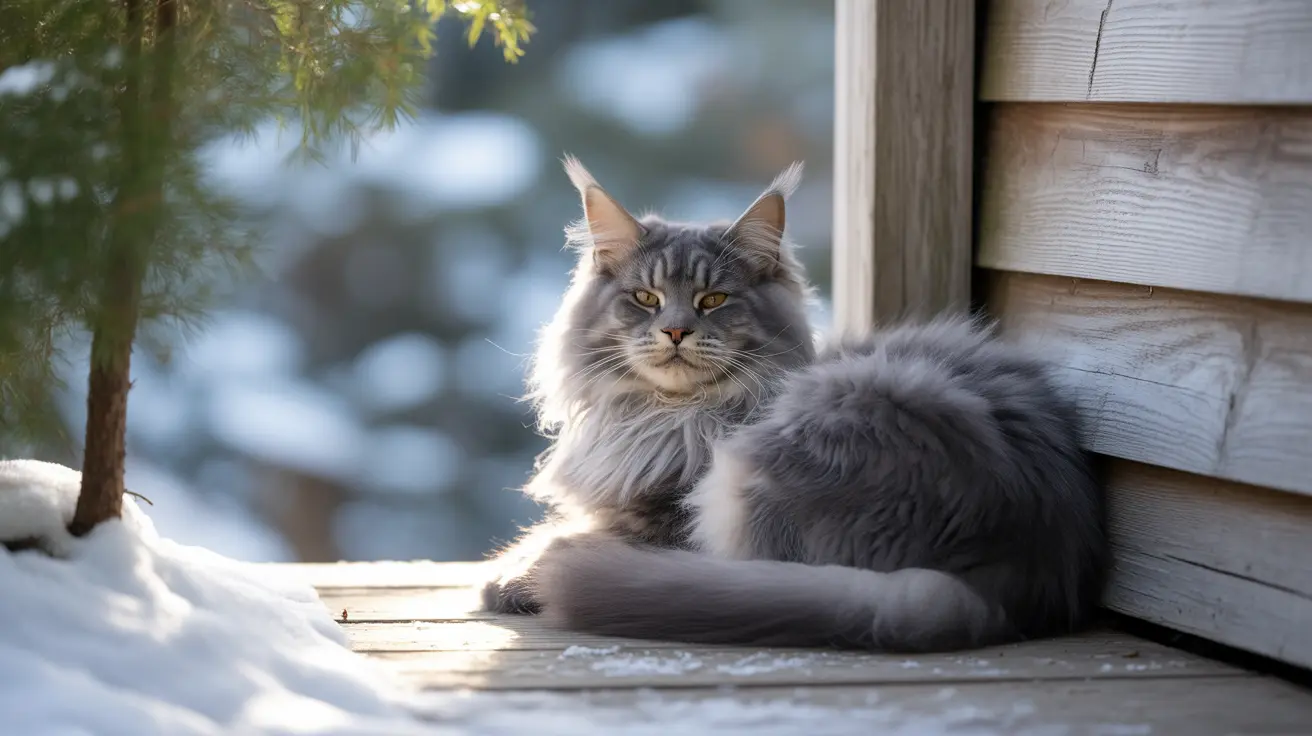
Some cat breeds have thick fur that protects them from cold. Breeds like Maine Coons and Norwegian Forest Cats have dense, water-resistant coats. Short-haired or hairless cats lose heat faster. Fur length and density play a big role in cold tolerance.
Age And Health Status
Young kittens and old cats handle cold poorly. Their bodies cannot regulate temperature well. Cats with health problems may also struggle to stay warm. Strong, healthy cats have better chances in cold weather.
Acclimatization To Cold
Cats that live in colder areas adapt over time. Their bodies adjust to lower temperatures gradually. Sudden exposure to cold is dangerous. Slow acclimatization helps cats develop some resistance to cold.
Credit: pethelpful.com
Recognizing Signs Of Cold Stress
Recognizing cold stress in cats is crucial for their safety during chilly weather. Cats may not always show obvious signs. Watching closely can help you act quickly. Early detection prevents serious health problems like hypothermia or frostbite.
Behavioral Indicators
- Cat hides in warm, enclosed spaces
- Reduced movement or reluctance to play
- Shivering or trembling
- Seeking shelter near heaters or warm surfaces
- Decreased appetite or water intake
- Restlessness or pacing as if uncomfortable
Physical Symptoms
- Cold ears, paws, and tail tips
- Blue or pale gums and skin
- Slow breathing or shallow breaths
- Stiff muscles or difficulty walking
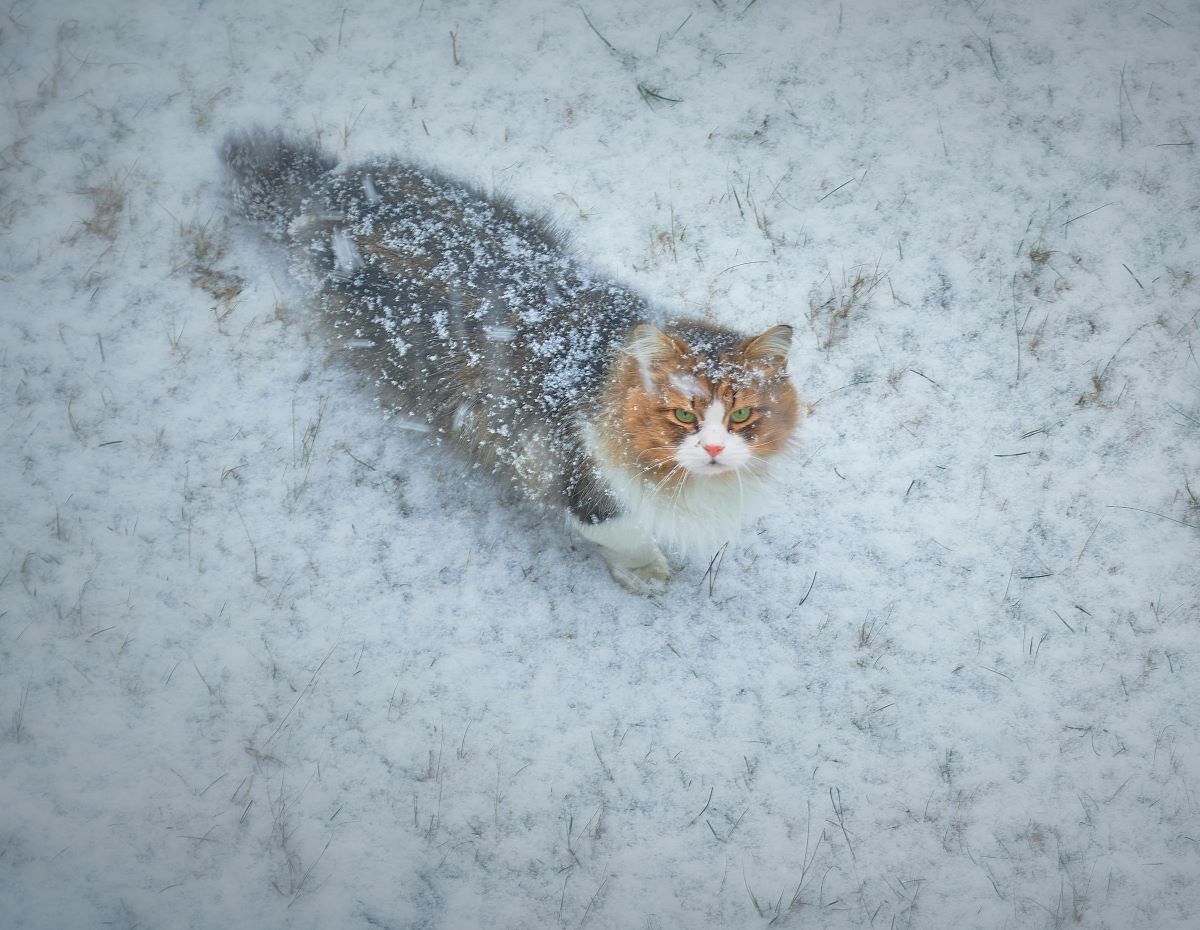
- Fur appears wet or matted from snow or ice
- Unusual lethargy or weakness
Optimal Temperature Range For Cats
Cats feel comfortable within a certain temperature range. This range keeps them active and healthy. Too cold or too hot can stress their bodies. Knowing the optimal temperature helps keep cats safe.
Indoor Vs. Outdoor Cats
Indoor cats live in controlled temperatures. Homes usually stay between 65°F and 75°F. This range is ideal for most cats. They don’t face harsh weather changes.
Outdoor cats face more risks. They must tolerate colder or hotter weather. Their fur helps, but not always enough. Outdoor cats need shelter during very cold days. Prolonged cold below 45°F can be dangerous.
Seasonal Variations
Temperature changes with seasons affect cats differently. In winter, cats seek warm places. They curl up to save heat. Cold weather below 40°F can cause hypothermia.
In summer, cats avoid heat above 85°F. They find shade to cool down. Both extremes cause stress and health issues. Adjusting care with seasons keeps cats safe.
Credit: www.jackery.com
Creating A Warm Environment
Keeping cats warm in cold weather is vital for their health and survival. Creating a cozy space helps protect them from harsh temperatures. Simple changes can make a big difference in their comfort and safety. Warm environments reduce the risk of illness and stress.
Insulated Shelters
Insulated shelters block cold wind and trap body heat. Use materials like foam or straw for walls and floors. Place the shelter off the ground to avoid dampness. A small entrance helps keep warmth inside. Position the shelter in a quiet, sheltered spot. Make sure it is dry and protected from rain or snow.
Warm Bedding Options
Soft bedding keeps cats comfortable and warm. Use blankets, old towels, or pet-safe heating pads. Straw is a good natural insulator because it stays dry. Avoid cotton or materials that hold moisture. Change bedding regularly to keep it clean and dry. Layer bedding for extra warmth on very cold nights.
Nutritional Needs In Cold Weather
Keeping your cat nourished during cold weather is more than just offering regular meals. Their bodies work harder to stay warm, which means their nutritional needs shift. Understanding these changes helps you support their health and energy levels effectively.
High-calorie Diets
Cold weather demands extra energy from your cat. Providing a high-calorie diet fuels their body to maintain warmth and stay active.
Look for cat foods rich in proteins and fats. These nutrients are essential for generating heat and repairing tissues.
If your cat spends time outdoors, consider increasing their meal portions or adding calorie-dense treats. Have you noticed your cat’s appetite change with the seasons? Adjusting their diet accordingly can make a big difference.
Hydration Considerations
Hydration is just as crucial in winter as in summer. Cats often drink less in cold weather, which can lead to dehydration.
Ensure fresh water is always available and easy to access. Heated water bowls can encourage your cat to drink more by preventing the water from freezing.
Wet food can also boost hydration while providing necessary nutrients. Have you tried mixing wet food into your cat’s diet during chilly months? It’s a simple way to keep them hydrated and satisfied.
Preventing Hypothermia
Hypothermia is a serious risk for cats in cold weather. It happens when their body temperature drops too low. Preventing hypothermia keeps cats safe and healthy during winter. Watch for signs like shivering, weakness, and slow movements. Quick action can save a cat’s life.
Monitoring Weather Conditions
Keep track of the temperature outside daily. Cold, windy, and wet weather increases the risk of hypothermia. Avoid letting cats stay outside for long periods in these conditions. Use weather apps or local forecasts to plan outdoor time. Bring cats inside before the weather gets too cold.
Emergency Measures
If a cat shows signs of hypothermia, act fast. Move the cat to a warm, dry place immediately. Wrap the cat in blankets or towels to trap body heat. Use a heating pad on low or warm water bottles, but avoid direct skin contact. Offer warm fluids if the cat is alert. Seek veterinary help right away for severe cases.
Essential Outdoor Gear For Cats
Keeping cats safe in cold weather needs the right outdoor gear. Cats feel cold just like people. Their fur helps, but extra protection is often needed. Outdoor gear can keep cats warm and healthy. It also protects them from ice, snow, and cold winds. Choosing the right gear helps cats enjoy the outdoors safely.
Protective Clothing
Protective clothing helps keep a cat’s body warm. Jackets or sweaters made for cats block cold air. Lightweight materials that fit snugly work best. Look for clothes that cover the chest and belly. Avoid items that restrict movement or cause stress. Clothes should be easy to put on and take off. Choose waterproof or water-resistant fabrics to stay dry. Dry fur means better warmth and comfort.
Paw Protection
Paws are very sensitive to cold and ice. Snow and salt can cause pain or injury. Booties or paw wax protect the pads from harsh conditions. Booties should fit well but not be too tight. They prevent cuts and frostbite. Paw wax creates a barrier against salt and ice. Regular paw checks help catch problems early. Clean paws after outdoor time to remove salt and ice.
When To Seek Veterinary Assistance
Knowing when to seek veterinary assistance is crucial for cats exposed to cold weather. Early action can save your cat’s life and prevent serious health problems. Watch your cat closely for signs of distress or illness. Cold weather affects cats differently, so understanding symptoms helps you decide when to get help.
Identifying Severe Symptoms
Look for these serious signs in your cat:
- Shivering or trembling constantly
- Weakness or difficulty standing
- Slow or shallow breathing
- Pale or blue gums and tongue
- Unresponsiveness or extreme lethargy
- Frostbite on ears, paws, or tail
- Vomiting or diarrhea after cold exposure
These symptoms indicate your cat is in danger. Immediate veterinary care is essential.
Prompt Medical Interventions
Veterinarians provide treatments like warming your cat safely. They may give fluids to prevent dehydration. Oxygen therapy helps if breathing is poor. Frostbite needs special care to avoid tissue damage. Your vet can also check for other cold-related illnesses. Acting fast reduces risks and speeds recovery.

Credit: ahconnects.org
Frequently Asked Questions
How Long Can Outdoor Cats Survive In Cold Weather?
Outdoor cats can survive a few hours to a day in cold weather. Survival depends on shelter, health, and temperature. Prolonged exposure below freezing is dangerous and can cause hypothermia or frostbite.
What Signs Show A Cat Is Suffering From Cold?
Signs include shivering, lethargy, weakness, and cold ears or paws. Cats may also seek warmth or hide. Immediate warming and veterinary care are crucial if these signs appear.
How Can I Keep My Cat Safe In Winter?
Provide warm shelter, dry bedding, and fresh water. Limit outdoor exposure during extreme cold. Use heated mats or indoor heating to keep cats comfortable and healthy.
Can Cats Survive Freezing Temperatures Without Shelter?
Cats rarely survive long without shelter in freezing temperatures. Prolonged exposure causes hypothermia and frostbite. Shelter and warmth are essential for survival in cold weather.
Conclusion
Cats can survive cold weather for a short time only. Their fur helps, but it is not enough. Prolonged exposure can cause serious harm or death. Providing shelter and warmth is very important. Always watch for signs of cold stress in cats.
Keeping them indoors during freezing weather is safest. Protect your pets and stay aware of the risks. Cold weather can be dangerous, so act wisely. Caring for cats means keeping them warm and safe.


