Imagine finding yourself in a situation where help is far away, and your safety depends on what you have with you. What would you need in a survival kit to stay safe, healthy, and calm?
You might think it’s just about food or water, but there’s more to it. Your survival kit can be the difference between feeling helpless and staying in control. Keep reading, because knowing exactly what to include could save your life—and the lives of those you care about.

Credit: www.servpro.com
Basic Necessities
Basic necessities form the core of any survival kit. They ensure your body stays alive and functioning. Without these essentials, survival becomes much harder. The key needs are clean water, food, and shelter. Each item must be reliable and easy to carry. Focus on items that last and serve multiple purposes.
Water Filtration Systems
Clean water is the most critical need. Carry a lightweight water filter or purification tablets. These remove harmful bacteria and parasites. Avoid drinking untreated water from unknown sources. A good filter can provide safe water for days. Choose filters that work fast and are easy to use.
Non-perishable Food Items
Food keeps your energy high during tough times. Pack foods that last long without refrigeration. Look for items rich in calories and nutrients. Examples include:
- Energy bars
- Dried fruits
- Canned beans
- Nut butters
- Dehydrated meals
Pick foods that are compact and light to carry. Avoid items that spoil quickly or need cooking.
Shelter And Warmth
Protection from weather saves your life. A lightweight tent or emergency blanket is vital. These provide shelter from rain, wind, and cold. Include a compact sleeping bag or thermal blanket. Warmth prevents hypothermia and keeps energy levels stable. Always pack items that are easy to set up and carry.

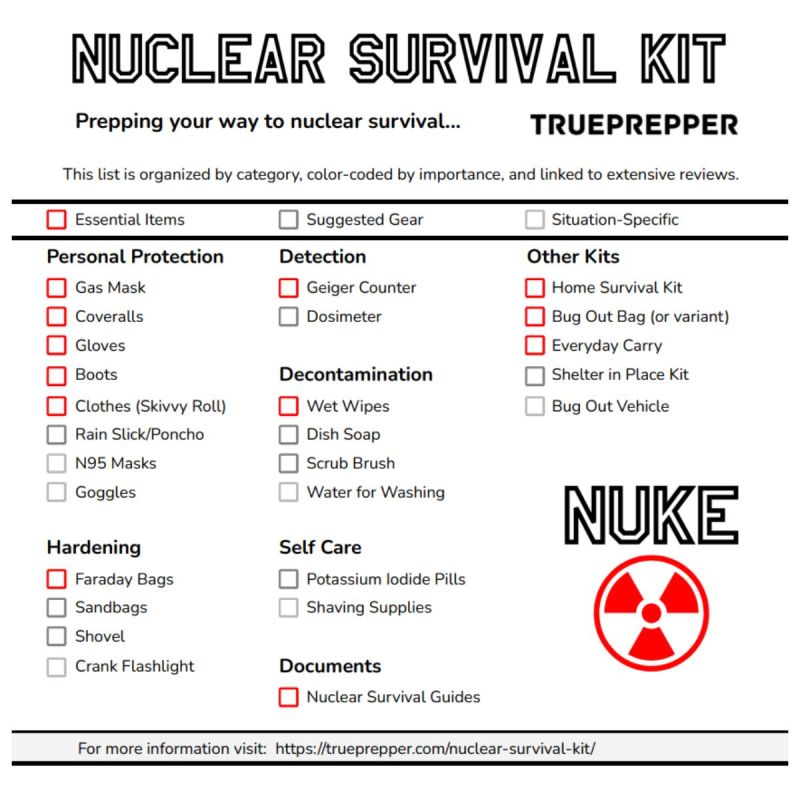
Credit: trueprepper.com
First Aid Essentials
First aid essentials form the core of any survival kit. They help treat injuries and prevent infections quickly. A well-stocked first aid kit supports safety and comfort in emergencies.
Knowing what to include makes the difference between being prepared and vulnerable. Focus on supplies that handle common wounds and minor illnesses.
Basic First Aid Supplies
- Adhesive bandages in various sizes
- Sterile gauze pads and adhesive tape
- Antiseptic wipes or solution
- Elastic bandages for sprains
- Scissors and tweezers
- Disposable gloves
- CPR face shield or mask
- Instant cold packs
- Thermometer
Emergency Medications
- Pain relievers such as ibuprofen or acetaminophen
- Antihistamines for allergic reactions
- Antacid tablets for stomach relief
- Anti-diarrhea medication
- Oral rehydration salts
- Antibiotic ointment for cuts and scrapes
Personal Hygiene Items
- Alcohol wipes for cleaning skin
- Hand sanitizer gel
- Sanitary pads or tampons
- Small pack of tissues or wet wipes
- Toothbrush and travel-sized toothpaste
Navigation And Communication
Navigation and communication tools are vital in any survival kit. They help you find your way and call for help if needed. Without these tools, getting lost or stranded becomes more dangerous. A good survival kit includes reliable items for both navigation and communication.
Maps And Compasses
Maps show your location and the surrounding area. Paper maps work without batteries or signals. Compasses guide you by pointing north, helping you stay on course. Together, they are simple but effective tools. Always keep maps folded and protected from water. Learn basic map reading skills for better navigation.
Emergency Radios
Emergency radios provide important news and weather alerts. Many radios run on batteries, solar power, or hand crank. They keep you informed during disasters or power outages. Some radios have built-in flashlights and USB ports. Choose a compact, durable radio with multiple power options.
Signal Mirrors And Whistles
Signal mirrors reflect sunlight to attract attention over long distances. They are small and easy to carry. Whistles create loud sounds that can be heard far away. Both tools help rescuers find you quickly. Keep these items accessible and practice using them before an emergency.
Tools And Equipment
Having the right tools and equipment in your survival kit can make a huge difference when you face unexpected situations. The right gear helps you stay safe, build shelter, prepare food, and navigate your surroundings. You don’t need a heavy load, but selecting versatile and reliable items is key.
Multi-tools And Knives
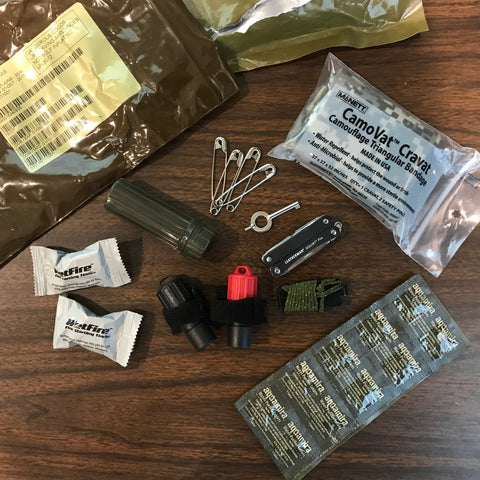
A good multi-tool combines several functions like pliers, screwdrivers, and scissors into one compact device. It saves space and adds flexibility to your kit. A sturdy knife is just as important—it can be used for cutting rope, preparing food, or even self-defense.
Choose knives with a fixed blade for strength or folding knives for convenience. Think about the tasks you might face: Are you camping, hiking, or staying put? This helps you pick the right size and type of tool.
Fire Starting Gear
Fire is essential for warmth, cooking, and signaling for help. Carry multiple fire-starting options like waterproof matches, a lighter, and a ferrocerium rod. Each has its strengths; for instance, a ferro rod works even when wet and can last thousands of strikes.
Make sure your fire gear is easy to access and protected from moisture. Do you have a small container to keep tinder dry? Remember, sparks alone won’t start a fire without good tinder and kindling.
Rope And Cordage
Strong rope or cordage is invaluable for shelter building, securing gear, and even first aid. Paracord is a popular choice because it’s lightweight, strong, and has multiple inner strands you can use separately.
Think about packing at least 10 to 20 feet. You never know when you’ll need to tie down a tarp, make a clothesline, or create a splint. How often do you overlook rope until it’s the one thing you really need?
Clothing And Protective Gear
Your survival kit’s effectiveness often depends on the clothing and protective gear you choose. These items shield you from harsh environments and keep you comfortable during unexpected situations. Picking the right gear means balancing protection, durability, and comfort.
Weather-appropriate Clothing
Choosing clothing that matches the climate you expect to face is crucial. In cold weather, layering with moisture-wicking base layers, insulating mid-layers, and waterproof outer shells prevents hypothermia. Warm gloves and thermal socks also make a big difference.
For hot climates, lightweight, breathable fabrics protect you from sunburn and overheating. Long sleeves and pants help keep bugs and plants from scratching your skin. Think about packing a quick-dry shirt that you can rinse and wear again.
Protective Footwear
Your feet carry you through every challenge, so sturdy, waterproof boots are a must. Look for boots with strong ankle support to prevent injuries on rough terrain. Don’t forget thick, moisture-wicking socks to avoid blisters and fungal infections.
Have you ever underestimated how painful a blister can be during a long hike? Trust me—it’s worth investing in quality footwear that fits well and protects your feet from the elements. Slip-on gaiters can also keep debris and water out.
Gloves And Hats
Gloves protect your hands from cuts, burns, and cold. Choose durable materials like leather or synthetic fabrics that allow some dexterity. Having multiple pairs—one for warmth and one for work—can be very useful.
A hat shields your head and face from sun, rain, and cold. A wide-brimmed hat works well in sunny environments, while insulated caps help retain heat in freezing conditions. Do you have the right hat packed to keep your head safe and comfortable?
Personal Defense Items
Personal defense items are crucial in any survival kit. They protect you from threats during emergencies. Safety is a priority when you are alone or in unfamiliar environments. Choosing the right tools can make a big difference in protecting yourself.
Self-defense Tools
Self-defense tools help you stay safe from human threats. Some popular options include:
- Pepper spray – effective and easy to carry
- Tactical flashlight – can blind attackers temporarily
- Compact stun gun – delivers a quick shock to stop threats
- Folding knife – useful for defense and utility tasks
- Personal alarm – loud noise to scare off attackers
Choose tools that fit local laws and your comfort level. Practice using them safely before any emergency.
Animal Repellents
Wild animals can pose dangers in survival situations. Animal repellents keep you safe from bites or attacks. Common repellents include:
- Bear spray – designed for large predators
- Noise makers – scare animals with loud sounds
- Ultrasonic devices – emit high-frequency sounds to deter animals
- Natural repellents – sprays made from strong smells
Store repellents where you can reach them quickly. Understanding animal behavior helps you use repellents effectively.
Miscellaneous Items
Miscellaneous items might seem like small additions to your survival kit, but they often prove to be lifesavers. These are the tools and resources that don’t fit neatly into categories like food, water, or shelter but play a crucial role in overcoming unexpected challenges. Including the right miscellaneous items can make your kit more versatile and ready for anything.
Duct Tape And Repair Kits
Duct tape is one of the most powerful tools you can carry. It fixes gear, patches holes in tents, and even creates makeshift splints or bandages. Think about the last time a zipper broke or a strap snapped—duct tape saved the day.
Alongside duct tape, add small repair kits for essential equipment like backpacks, shoes, and electronics. Needle and thread, safety pins, and extra buckles might seem minor, but they can keep your gear functional in tough conditions.
Solar Chargers And Batteries
Keeping your devices powered is vital, especially if you rely on GPS or communication tools. Solar chargers offer a renewable energy source when you’re off the grid. Don’t just pack one charger; bring extra batteries to ensure you never run out of power.
Ask yourself: how long can you survive if your phone or flashlight dies? Investing in compact, high-capacity solar chargers and rechargeable batteries can keep your kit running longer and reduce your dependence on disposable batteries.
Survival Manuals And Guides
Carrying a survival manual might seem old-fashioned, but it’s a treasure trove of knowledge when your phone is dead or you have no signal. Choose guides that cover basic first aid, shelter building, navigation, and edible plants in your region.
Having printed instructions can boost your confidence and decision-making during stress. It’s like having a survival expert in your backpack, guiding you step-by-step through critical situations.

Credit: m.youtube.com
Frequently Asked Questions
What Are The Essential Items In A Survival Kit?
Essential survival kit items include water, food, a first aid kit, a flashlight, and a multi-tool. These basics ensure safety, hydration, and the ability to handle emergencies effectively.
How Much Water Should A Survival Kit Contain?
A survival kit should have at least one liter of water per person per day. Water is crucial for hydration and survival during emergencies or outdoor adventures.
Why Include A First Aid Kit In A Survival Kit?
A first aid kit helps treat injuries and prevent infections. It provides essential medical supplies to manage cuts, burns, and other emergencies quickly and safely.
What Tools Are Necessary For A Survival Kit?
Necessary tools include a multi-tool, knife, fire starter, and whistle. These tools assist with building shelter, making fire, and signaling for help.
Conclusion
A good survival kit keeps you ready for tough times. Essentials like water, food, and a first aid kit matter most. Tools such as a flashlight and knife add safety. Don’t forget warmth and shelter items. Keep your kit simple but complete.
Check and update it often. Being prepared brings peace of mind. Small steps now can help a lot later. Ready for any challenge. Stay safe, stay prepared.