
Losing your home or belongings to fire is devastating, and finding clothes that survived the flames can feel like a small victory. But now, you face a new challenge: how to clean those clothes safely and effectively.
You might wonder if it’s even possible to remove the smoke, soot, and odors without ruining your garments. In this guide, you’ll discover simple, proven steps to restore your fire-damaged clothes. Keep reading to learn how to bring your clothes back to life and protect your health at the same time.
Assessing Fire Damage
Assessing fire damage is the first step to saving clothes that survived a fire. It helps decide how to clean and treat the fabric. Careful inspection stops more damage and prevents stains from setting. This stage also reveals which clothes are safe to keep.
Identifying Smoke And Soot Impact
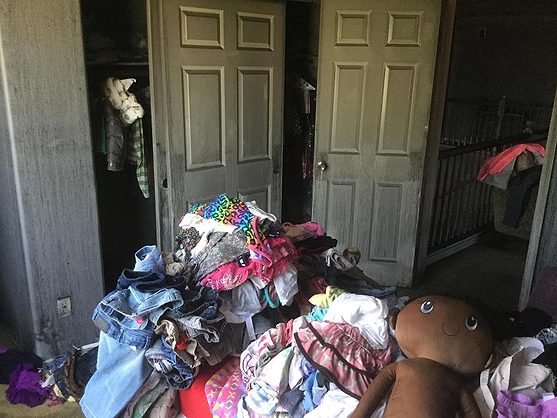
Smoke and soot leave dark marks on clothes. They can smell very strong and stick deep into fabric. Look for black or gray patches on the surface. The smell might stay even after washing. Check inside seams and folds for hidden soot. These areas often trap more residue.
Evaluating Fabric Condition
Fire may weaken cloth fibers. Check for holes, burns, or thin spots. Feel the fabric for rough or brittle areas. Fragile spots can tear easily during washing. Some fabrics can shrink or change color. Knowing the condition helps choose the safest cleaning method.
Pre-cleaning Preparations
Before you dive into washing clothes that have survived a fire, it’s crucial to prepare properly. The right preparations can protect your fabrics and make the cleaning process more effective. Skipping this step might lead to permanent damage or lingering odors that just won’t go away.
Sorting Fabrics By Type
Different fabrics react differently to fire damage and cleaning methods. Separate your clothes into groups such as cotton, synthetics, wool, and delicate materials. This helps you choose the safest cleaning technique for each type and avoid shrinking or color fading.
Think about the last time you washed a delicate sweater with a heavy cotton shirt—did the sweater come out looking worse? The same principle applies here, especially after fire exposure. Sorting also makes it easier to spot items that need special attention or professional cleaning.
Gathering Necessary Supplies
Having the right supplies on hand will save you time and frustration. You’ll need mild detergents, stain removers designed for smoke damage, gloves, and odor-neutralizing agents. Avoid harsh chemicals that could further weaken the fabric.
Consider adding white vinegar or baking soda to your list; they’re natural and effective at reducing smoke smells. Also, prepare buckets or basins for soaking your clothes before washing. Do you have all the essentials ready before you start? If not, take a moment to gather them now—it makes a big difference.
Removing Soot And Debris
Removing soot and debris is the first and crucial step after clothes survive a fire. Soot can stain fabric and cause unpleasant odors. Debris may include ash, burnt fibers, and dirt. Handling these contaminants carefully protects your clothing and prepares them for proper washing.
Cleaning soot and debris requires gentle but effective methods. Avoid rubbing the fabric hard, as it may push soot deeper. Using the right tools makes a big difference in restoring your clothes.
Using A Vacuum Cleaner
A vacuum cleaner with a brush attachment works well to remove loose soot particles. Use a low suction setting to avoid damaging delicate fabrics. Gently run the brush over the fabric surface, lifting soot away. Focus on seams and folds where soot tends to gather.
Vacuuming reduces the amount of soot that can spread during washing. It also prevents staining by removing dry particles first. Always keep the vacuum cleaner nozzle slightly above the fabric.
Brushing Off Loose Particles
Use a soft-bristled brush to sweep off remaining debris. Brush outdoors or over a trash bin to avoid indoor mess. Brush in one direction, lifting soot away from the fabric fibers. Do not scrub or rub hard, as this can embed soot deeper.
Brushing helps reach tight areas like collars and cuffs. It also removes ash and burnt fibers that the vacuum missed. Regular brushing before washing improves the overall cleaning outcome.

Credit: www.aarbf.org
Neutralizing Smoke Odor
Smoke odor clings tightly to clothes that have been near fire. Removing this smell is vital to restore freshness. Simple household items can help neutralize the smoke scent effectively. These solutions penetrate fabric and break down odor molecules.
Applying Vinegar Solutions
Vinegar is a natural deodorizer that cuts through smoke smells. Use white vinegar for best results.
- Mix one part vinegar with four parts cold water.
- Soak clothes in this solution for 30 minutes.
- Rinse thoroughly with clean water after soaking.
- Wash the clothes as usual with detergent.
The vinegar smell fades quickly, leaving clothes fresher. Vinegar also helps soften fabric and remove residue.
Using Baking Soda Treatments
Baking soda absorbs and neutralizes stubborn smoke odors well. It is safe for most fabrics.
- Sprinkle baking soda evenly on dry clothes.
- Let the clothes sit overnight or at least 8 hours.
- Shake off the baking soda before washing.
- Wash clothes normally with detergent to remove any leftover powder.
Baking soda can also be added directly to the wash cycle for extra odor removal. It brightens clothes while neutralizing smells.
Washing Techniques For Fire-affected Clothes
Cleaning clothes that have been through a fire requires more than just tossing them in the washing machine. You need to approach the process with care to remove soot, odors, and chemical residues without damaging the fabric further. Understanding the right washing techniques can make a big difference in restoring your fire-affected garments.
Choosing The Right Detergent
Not all detergents are created equal, especially when dealing with fire-damaged clothes. You want a detergent that targets heavy dirt and odors but is gentle enough to preserve fabric integrity.
Look for detergents labeled as heavy-duty or formulated for removing smoke and soot. These often contain enzymes and oxygen-based cleaners that break down stubborn residues. Avoid detergents with harsh bleach or optical brighteners, as they can weaken fibers already compromised by heat.
Have you ever noticed how some detergents leave your clothes smelling fresher and cleaner after tough stains? That’s because they are designed with specific ingredients that tackle deep-seated grime. Choosing the right detergent is your first step to effective cleaning.
Setting The Correct Water Temperature
Water temperature plays a crucial role in washing fire-affected clothes. Too hot, and you risk setting stains or shrinking delicate fabrics; too cold, and the detergent might not work effectively.
Generally, warm water works well to dissolve grease and loosen soot without causing damage. However, for delicate or synthetic fabrics, cooler water is safer. Check the care label on your clothing to find the ideal temperature range.
If you’re dealing with strong odors, adding a vinegar rinse can help neutralize smells without needing extremely hot water. Have you tried adjusting water temperature based on fabric type before? It can change the cleaning outcome dramatically.
Drying And Storing Cleaned Clothes
After washing clothes that survived fire, drying and storing them properly is vital. Proper drying prevents odors and damage. Correct storage keeps clothes safe and fresh for future use. Handle these steps with care to maintain fabric quality and cleanliness.
Air Drying Vs. Machine Drying
Air drying helps preserve fabric strength and color. It prevents shrinking and heat damage common with machines. Hang clothes outside or in a well-ventilated room. Use hangers or drying racks to keep shape.
Machine drying is faster but may harm delicate fibers. Use low heat settings to reduce risk. Remove clothes promptly to avoid wrinkles and stiffness. Check care labels before choosing drying method.
Safe Storage Practices
Store cleaned clothes in a dry, cool place away from sunlight. Use breathable garment bags or cotton covers to avoid moisture buildup. Avoid plastic bags that trap dampness and cause mildew.
Fold heavy items to prevent stretching. Hang lighter garments on sturdy hangers. Keep clothes away from chemicals or strong odors. Regularly check stored clothes for any signs of damage or dampness.
Seeking Professional Help
Clothes that survive a fire often need more than simple washing. Smoke, soot, and chemicals can settle deep in fabric fibers. Seeking professional help ensures these tough stains and odors are properly treated. Experts use special methods and equipment to restore your garments safely.
When To Consult A Specialist
- Clothes have strong smoke or chemical odors.
- Visible soot or ash remains on fabric.
- Fabric feels stiff or damaged after fire exposure.
- Items are delicate or expensive, like silk or wool.
- Home washing failed to remove stains or smells.
Benefits Of Professional Cleaning Services
- Advanced cleaning removes deep odors and stains.
- Special treatments protect fabric quality and color.
- Professionals use equipment not found in homes.
- Faster and safer restoration of fire-damaged clothes.
- Helps preserve sentimental or valuable garments.

Credit: www.aol.com
Credit: www.randrmagonline.com
Frequently Asked Questions
How To Clean Fire-damaged Clothes Safely At Home?
First, check fabric labels for washing instructions. Use cold water and mild detergent to avoid damage. Pre-soak clothes in vinegar solution to remove soot. Avoid machine drying; air dry instead to prevent setting stains.
Can Fire Smoke Be Removed From Clothes Completely?
Yes, smoke odor can be minimized. Use odor-neutralizing detergents and multiple washes. Adding baking soda or vinegar helps absorb smells. Professional cleaning may be needed for severe odor.
Is It Safe To Wear Clothes After A Fire?
Inspect clothes for burns, holes, or chemical residue. If fabric is intact and odor-free after washing, it is safe. Otherwise, discard damaged items to avoid skin irritation or health risks.
What Detergents Work Best On Fire-damaged Fabrics?
Choose mild, fragrance-free detergents with stain-fighting agents. Avoid harsh chemicals that can worsen fabric damage. Enzyme-based detergents help break down soot and smoke particles effectively.
Conclusion
Washing clothes after a fire needs care and patience. Start by removing soot gently. Use mild detergent and cold water to clean. Avoid harsh scrubbing to protect fabric. Dry clothes in fresh air, not direct sunlight. Some stains may stay, but cleaning helps a lot.
This process saves clothes from permanent damage. Keep safety first and handle fabrics softly. Small steps can make your clothes wearable again. Take your time and follow these tips for best results.


