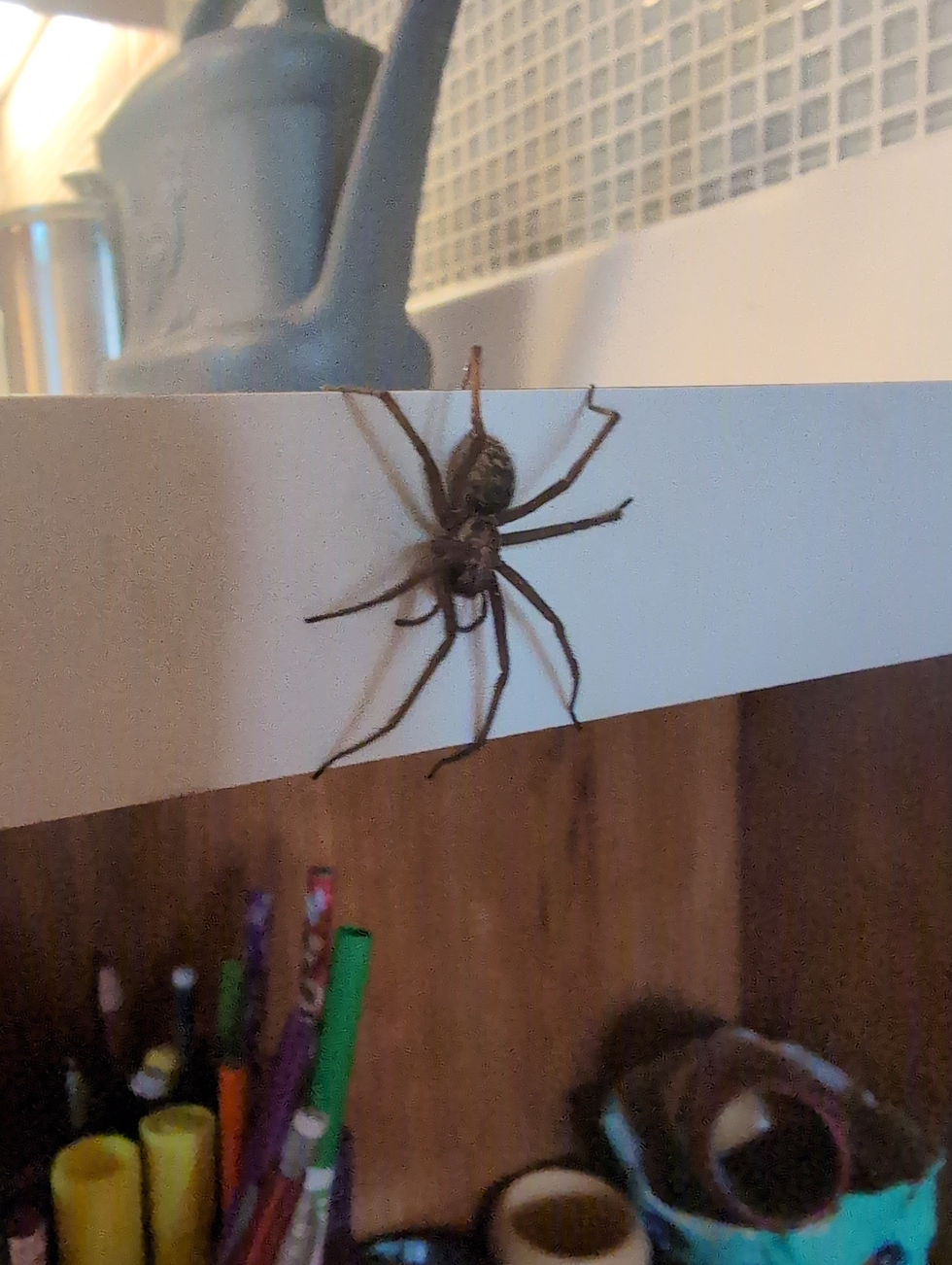
Have you ever wondered what happens to spiders when the cold weather sets in? You might think these creepy crawlies disappear or freeze, but the truth is much more fascinating.
Understanding how spiders survive chilly temperatures can change the way you see them—maybe even help you feel less uneasy when you spot one indoors during winter. Keep reading, and you’ll discover surprising facts about their survival tricks that could make you look at spiders in a whole new light.
Spiders And Cold Climates
Spiders live in many parts of the world, including cold places. Their presence in these areas shows they have ways to handle cold weather. Understanding how spiders survive in cold climates helps us learn about their strength and habits. They do not just vanish when it gets cold; they adapt and find ways to keep going.
Adaptations To Temperature Drops
Spiders use several tricks to survive cold temperatures. Some spiders produce special chemicals in their bodies. These chemicals act like antifreeze to stop ice from forming inside them.
Others find safe places to hide during winter. They may stay under leaves, stones, or inside cracks. Staying in these spots keeps them warmer than the outside air.
Many spiders slow down their body functions. This state is like a deep sleep and helps save energy. They wait until the weather gets warmer to become active again.
Distribution In Cold Regions
Spiders live in many cold regions around the world. They are found in places like northern forests, mountains, and tundra areas.
Some spider species are more common in cold zones. These spiders have adapted well to freezing temperatures. They can survive harsh winters and short summers.
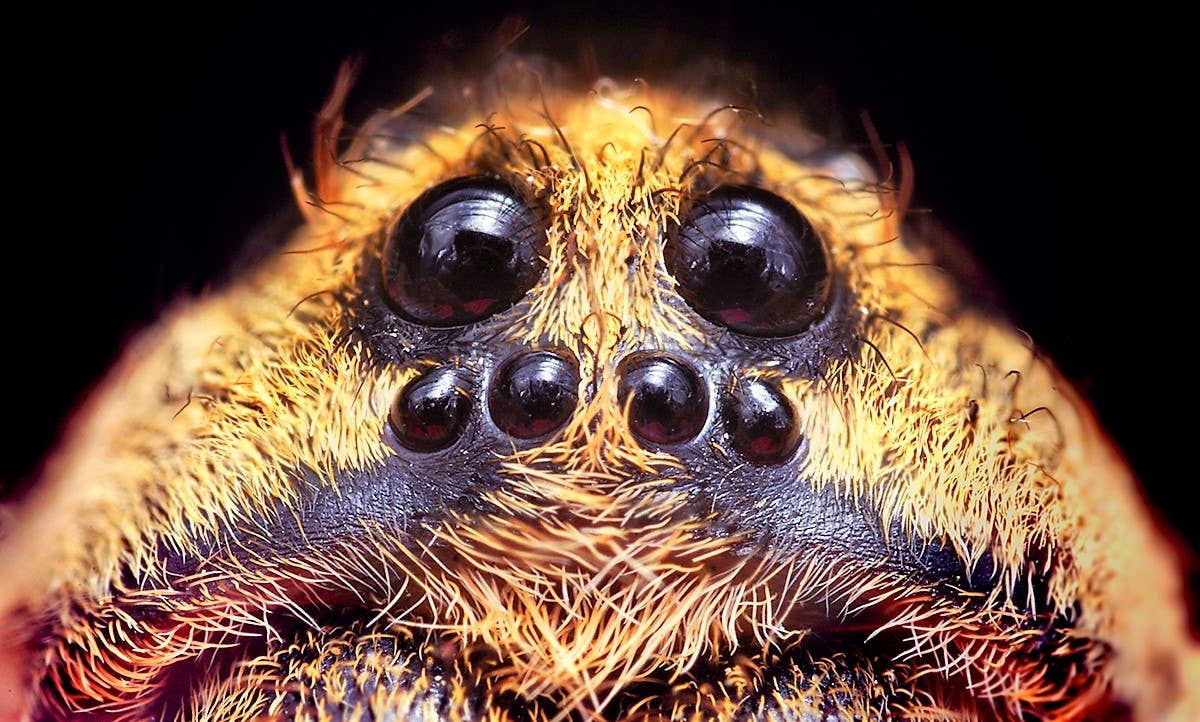
Cold-region spiders often have thick hair on their bodies. This hair helps protect them from wind and cold. Their webs are usually built in sheltered places to avoid frost damage.
Credit: owlcation.com
Behavioral Strategies
Spiders use clever behavioral strategies to survive the harsh cold months. These tactics help them conserve energy and avoid freezing temperatures. Understanding these behaviors can change how you see these often misunderstood creatures during winter.
Seeking Shelter In Winter
Spiders don’t just freeze in place when temperatures drop. Instead, they actively look for warm, hidden spots to wait out the cold. You might find them tucked away under tree bark, inside leaf litter, or even in the corners of your home.
One winter, I noticed a cluster of tiny webs in an old garden shed. It turned out spiders had chosen that spot because it stayed slightly warmer than the outside air. Have you ever checked behind your shutters or in garage cracks for these quiet survivors?
By seeking shelter, spiders reduce their exposure to freezing air and wind. This behavior is a key survival tactic to avoid the lethal effects of cold weather.
Changes In Activity Levels
Spiders don’t hibernate like bears, but their activity slows dramatically in cold weather. You’ll see fewer webs and less movement as they enter a state similar to dormancy. This helps them save energy when food is scarce and conditions are tough.
Think about how your own energy changes in winter. Spiders do something similar, reducing their metabolism to stretch out limited resources. Have you noticed how some garden spiders disappear completely during the coldest months?
These shifts in activity are vital. They allow spiders to survive until temperatures rise and insects become active again, providing a fresh food supply.
Physiological Adaptations
Spiders face harsh challenges during cold weather. Their survival depends on special physiological changes. These changes help them endure freezing temperatures. They prepare their bodies to resist cold damage. Understanding these adaptations reveals how spiders thrive in winter.
Antifreeze Proteins
Spiders produce antifreeze proteins to protect their cells. These proteins stop ice crystals from forming inside their bodies. Ice crystals can cause cell damage and death. Antifreeze proteins lower the freezing point of their bodily fluids. This keeps spiders safe even when temperatures drop below zero. These proteins work like natural antifreeze in cars. They are vital for spiders living in cold climates.
Metabolic Rate Adjustments
Spiders reduce their metabolic rate during cold periods. This slows down their body functions and saves energy. Lower metabolism means they need less food to survive. It also helps them survive long winters with little activity. Spiders enter a state similar to hibernation. Their heart and breathing rates decrease significantly. This adaptation allows spiders to wait out the cold safely.

Credit: phys.org
Species-specific Survival Techniques
Spiders use unique methods to survive cold weather. Each species adapts differently. These survival techniques help them endure freezing temperatures. Some spiders seek shelter, while others change their body chemistry.
Understanding these species-specific methods reveals how spiders thrive in harsh climates. It also shows nature’s diversity and resilience.
Common House Spider
Common house spiders avoid cold by hiding indoors. They find warm corners in houses or buildings. These spots protect them from frost and ice.
They reduce their activity during winter. Their metabolism slows down to save energy. This state is similar to hibernation in other animals.
House spiders also produce antifreeze-like chemicals. These substances prevent ice crystals from forming in their bodies. It helps them survive sudden cold snaps.
Arctic Wolf Spider
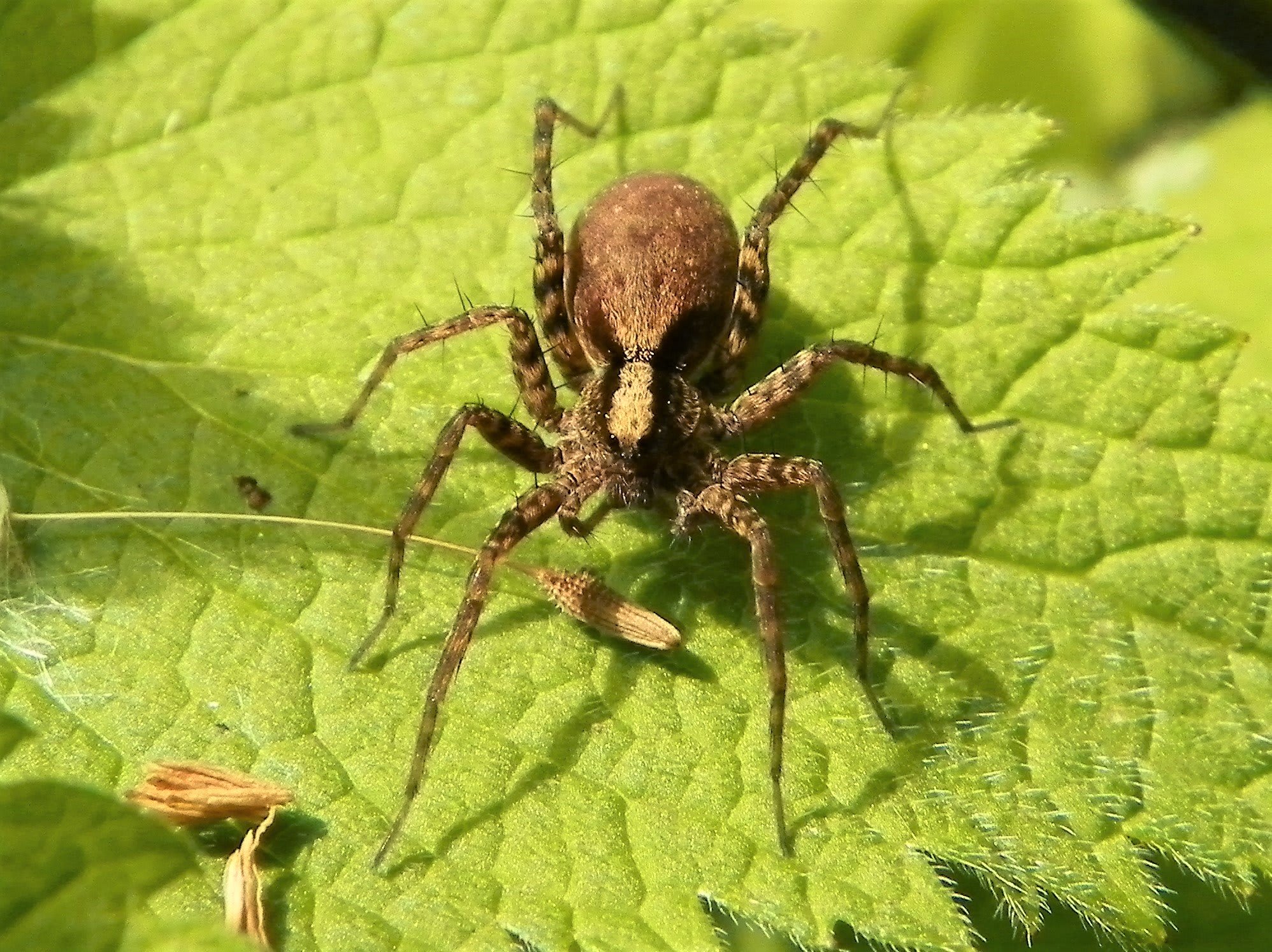
The Arctic wolf spider lives in some of the coldest places on Earth. It survives winter by burrowing under snow and soil.
Snow acts as insulation, keeping temperatures stable. The spider enters a dormant phase called diapause. Its body stops growing and uses little energy.
This spider produces glycerol, a natural antifreeze. Glycerol lowers the freezing point of its body fluids. It stops ice from damaging its cells.
These adaptations allow the Arctic wolf spider to stay active during the short summer months. It quickly hunts and reproduces before cold returns.
Impact Of Climate Change
Climate change affects many living creatures, including spiders. These tiny animals face new challenges as the world warms. Understanding how climate change impacts spiders helps us see the bigger picture.
Rising Temperatures
Warmer winters may seem good for spiders. Less cold means they survive longer in some places. But too much heat can hurt them. Some spiders need cold to rest and grow properly. Rising temperatures can disturb this balance.
In some areas, spiders breed earlier due to warmth. This can change their life cycles and food sources. Not all spiders adapt well, leading to fewer spiders in certain regions.
Changing Habitats
Climate change alters where spiders live. Some habitats become too hot or dry. Others may flood or freeze less often. Spiders must move or find new homes.
New habitats bring new challenges. Predators and food availability may differ. Some spiders thrive, but others struggle to survive. These shifts affect spider populations worldwide.
Spider Myths And Misconceptions
Spiders have fascinated and frightened people for centuries. This has led to many myths and misconceptions about their behavior, especially in cold weather. Some stories about spiders surviving freezing temperatures are more fiction than fact. Understanding the truth helps us appreciate these creatures better.
Debunking Survival Myths
One common myth claims spiders freeze solid in winter and come back to life in spring. This is false. Spiders use other strategies to survive cold weather.
Many spiders find warm places like under tree bark or inside homes. Some produce antifreeze-like chemicals in their bodies. These chemicals stop their tissues from freezing.
Spiders do not hibernate like bears. They enter a state called diapause, slowing their metabolism. This helps them survive low temperatures without freezing.
Fact Vs. Fiction
- Not all spiders die in winter. Many survive by hiding or slowing down.
- Spiders do not freeze solid and thaw out later.
- Some spiders lay eggs that survive cold, ensuring the next generation.
- Spiders are more resilient to cold than many think.
Knowing these facts clears up common fears. Spiders are part of nature’s balance, even in winter.
Credit: owlcation.com
Frequently Asked Questions
Can Spiders Survive Freezing Winter Temperatures?
Yes, many spiders survive cold winters by entering dormancy. They produce antifreeze-like chemicals to prevent ice damage in their bodies.
How Do Spiders Adapt To Cold Weather?
Spiders adapt by seeking shelter in insulated places like leaf litter or burrows. They reduce activity and metabolic rates to conserve energy.
Do Spiders Die In Cold Climates?
Not all spiders die in cold climates. Some species have evolved survival strategies, while others migrate or produce cold-resistant eggs.
What Happens To Spider Webs In Winter?
Spider webs often become less visible or abandoned in winter. Spiders focus on survival over web-building during harsh cold conditions.
Conclusion
Spiders have ways to survive cold weather. Some hide in warm places. Others slow down their body activities. They can survive even harsh winters. Not all spiders live outside all year. Many find shelter in homes or under leaves. Nature helps spiders adapt to cold.
This shows how tough and smart spiders are. Understanding this helps us respect these creatures more. Spiders play important roles in our world. They control pests and keep balance in nature. Cold weather is not the end for spiders. They find ways to stay alive and thrive.


