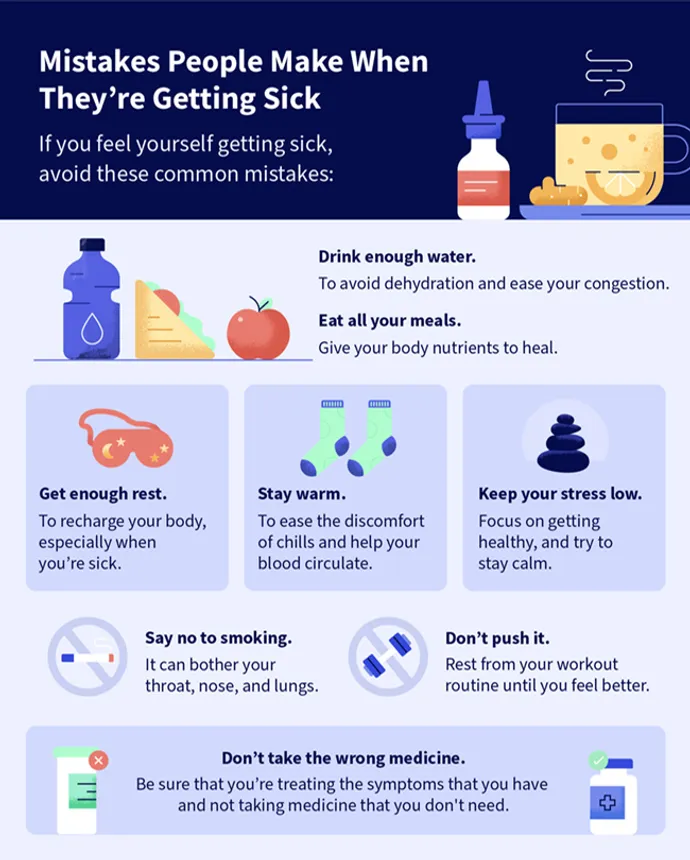
Have you ever wondered how long Covid can stay alive on your clothes? Knowing this can help you protect yourself and your loved ones better.
When you touch your jacket, bag, or even a favorite shirt, are you sure it’s safe? Understanding how long the virus survives on cloth can change the way you handle your daily items and keep your home safer. Keep reading to discover simple, clear facts that can help you stay one step ahead.
Virus Survival On Cloth
Understanding how long the Covid virus can survive on cloth is crucial for keeping yourself and others safe. Cloth surfaces, like masks, clothes, or upholstery, can hold the virus for varying lengths of time depending on several factors. Knowing these details helps you decide when and how to clean your fabrics effectively.
Factors Affecting Virus Survival On Cloth
The type of fabric plays a big role in how long the virus stays alive. Smooth, synthetic fabrics tend to hold the virus longer than porous, natural ones like cotton. Temperature and humidity also impact survival—higher heat and moisture generally reduce the virus’s lifespan.
Typical Survival Time Of Covid On Different Fabrics
| Fabric Type | Approximate Virus Survival Time |
|---|---|
| Cotton | Up to 1 day |
| Polyester | Up to 2-3 days |
| Blended Fabrics | Up to 1-2 days |
These times can vary, but they give you a guideline for when to wash or isolate your fabrics. Think about how often you touch your clothes—are you unknowingly spreading the virus?
How Washing Cloth Removes Covid Virus
Washing with regular detergent and warm water is highly effective in removing the virus from fabric. The soap breaks down the virus’s outer layer, which disables it. Adding a hot water cycle can improve the cleaning power but isn’t always necessary.
Practical Tips To Keep Cloth Surfaces Safe
- Wash clothes and masks regularly, especially after exposure to public places.
- Use warm water and detergent for best results.
- Dry fabrics completely, as moisture can help the virus survive longer.
- Consider isolating unwashed clothes for 1-2 days if immediate washing is not possible.
Have you ever paused to think about how often you touch your clothing throughout the day? Taking simple steps can drastically reduce your risk of spreading Covid through fabrics.

Credit: www.amazon.com
Factors Affecting Longevity
Understanding how long Covid survives on cloth depends on several key factors that influence the virus’s longevity. These factors can vary widely, changing the risk levels in everyday situations. Knowing what affects the virus’s survival on fabrics helps you make smarter choices about cleaning and handling your clothes.
Material Type
Different fabrics can hold the virus for varying lengths of time. Smooth, synthetic materials like polyester tend to allow the virus to survive longer than natural fibers such as cotton. This happens because the virus particles can cling more easily to certain surfaces, making some clothes riskier than others.
Have you noticed that your workout clothes, often made of synthetic blends, might need more frequent washing? That’s because those materials can harbor viruses longer, increasing the chance of transmission if you touch them without washing your hands.
Environmental Conditions
Temperature and humidity play a big role in how long Covid stays active on cloth. The virus tends to survive longer in cool, dry places, while heat and moisture help break it down faster. This means a damp, warm environment like a sweaty gym bag might reduce the virus’s life more quickly than a dry jacket hanging in a cold room.
Think about where you leave your clothes after a day out. Could leaving them in sunlight or a warm place help reduce any viral presence? Small changes like this can make a difference in minimizing risk.
Presence Of Contaminants
Other substances on fabric can either protect or destroy the virus. Oils, sweat, and dirt can sometimes shield the virus, allowing it to survive longer. On the other hand, detergents and disinfectants break down the virus quickly, which is why washing clothes thoroughly is crucial.
Have you ever noticed that visibly dirty clothes feel “stickier” or smell stronger? Those contaminants might be helping the virus survive, so it’s important to clean your clothes regularly, especially after being in crowded places.
Research Findings
Understanding how long Covid survives on cloth is crucial for making smart choices about cleaning and handling your fabrics. Research findings reveal a range of survival times influenced by factors like fabric type, humidity, and temperature. Let’s look at what science has uncovered to help you protect yourself and your loved ones better.
Key Studies Overview
Several studies have tested how long the Covid virus remains active on cloth surfaces. One notable study found that the virus can survive up to 2 days on cotton under typical indoor conditions. However, the virus’s ability to infect reduces significantly after 24 hours.
Another experiment showed that the virus fades faster on synthetic fabrics, lasting less than 24 hours in many cases. Factors like moisture and airflow also play a big role in how quickly the virus dies on cloth.
- Humidity:Higher humidity tends to shorten the virus’s survival time.
- Temperature:Warmer temperatures speed up virus inactivation.
- Fabric type:Natural fibers like cotton may hold the virus longer than synthetic blends.
Have you ever wondered why some fabrics feel safer to touch than others? These findings suggest that not all cloth materials carry the same risk, which could guide your choices in clothing and home textiles.
Comparative Analysis With Other Surfaces
When you compare cloth to hard surfaces like plastic or stainless steel, the virus behaves quite differently. Covid can survive up to 3 days on plastic but usually less than 2 days on cloth.
| Surface | Virus Survival Time | Notes |
|---|---|---|
| Cloth (Cotton) | Up to 2 days | Virus loses infectivity after 24 hours |
| Synthetic Fabric | Less than 24 hours | Depends on material and moisture |
| Plastic | Up to 3 days | Virus remains infectious longer |
| Stainless Steel | Up to 3 days | Similar to plastic surface |
This comparison highlights why regular washing of cloth items is effective and necessary, while disinfecting hard surfaces often requires stronger chemicals. Do you prioritize washing your clothes differently based on where you wear them? Adjusting your habits based on these insights can reduce your risk of exposure.
Credit: ucnj.org
Impact Of Washing And Drying
Washing and drying your cloth items play a crucial role in reducing the survival of Covid on fabric. The process removes dirt, oils, and potentially infectious particles. But not all washing and drying methods are equally effective at eliminating the virus.
Effectiveness Of Detergents
Detergents break down the fatty layer that surrounds the Covid virus, making it easier to wash away. Using a good quality detergent is essential—you don’t need special antiviral soaps, but regular laundry detergent works well.
Adding detergent to your wash disrupts the virus’s outer membrane, which is key to its survival. Have you noticed how your clothes look cleaner and fresher after washing? That same cleaning action helps remove viral particles.
Simply rinsing with water isn’t enough. The detergent molecules actively attack the virus, so make sure you use the recommended amount of detergent for your load size.
Role Of Temperature
Temperature is another important factor in killing Covid on cloth. Washing clothes in warm or hot water increases the chances of inactivating the virus.
Studies show that water temperatures above 60°C (140°F) are more effective at reducing viral presence. However, not all fabrics can handle high heat, so check care labels carefully.
Drying also matters. Using a hot dryer cycle can further reduce virus survival. If you air dry your clothes, make sure they are completely dry before wearing to minimize risk.
Have you ever wondered if your laundry routine is enough to protect your family? Adjusting detergent use and temperature settings might be a simple step you haven’t fully considered yet.
Safety Measures For Fabrics
Fabrics can hold onto viruses like Covid for varying amounts of time, making safety around clothes and textiles crucial. Understanding how to handle and clean fabrics properly helps you reduce the risk of spreading germs in your home or workplace. Let’s look at practical safety steps you can take with your fabrics every day.
Proper Handling Techniques
When dealing with potentially contaminated fabrics, avoid shaking or tossing them. This action can release viral particles into the air, increasing the chance of inhalation or surface contamination.
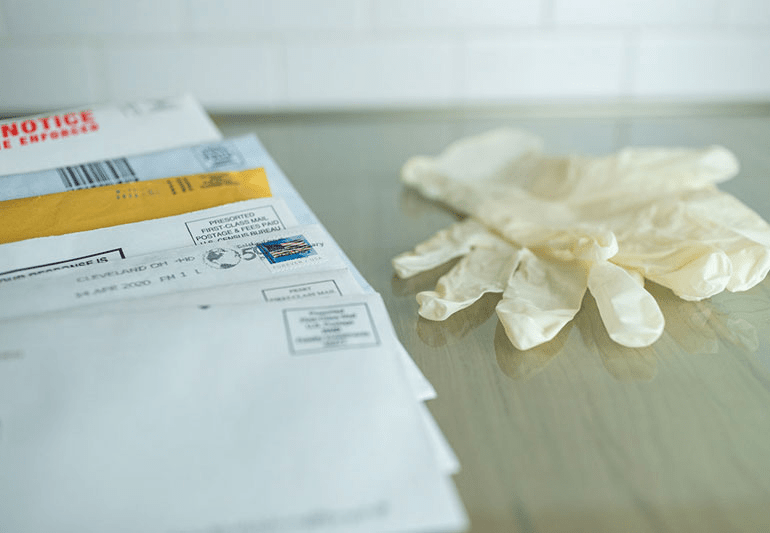
Always wear gloves if you suspect the fabric has been exposed to the virus, especially when handling items from public places or hospitals. After handling, wash your hands thoroughly with soap and water for at least 20 seconds.
Separate potentially contaminated clothes from other laundry. Use a designated bag or hamper to keep them apart until washing. This simple step limits cross-contamination.
Guidelines For Laundry Practices
Wash fabrics using the warmest water safe for the material. Hot water helps deactivate the virus more effectively, but always check care labels to avoid damaging your clothes.
Add a regular detergent and consider using a disinfectant approved for laundry use. These products can significantly reduce viral presence on fabrics.
Dry clothes completely on the highest heat setting suitable for the fabric. The combination of heat and drying time helps kill any remaining virus particles.
Have you ever thought about how your laundry routine might affect your family’s health? Small changes, like washing clothes promptly after returning from outside, can make a big difference in keeping your environment safer.
Credit: health.clevelandclinic.org
Implications For Public Health
Understanding how long Covid survives on cloth is crucial for protecting public health. Cloth surfaces are everywhere—from your clothes to public seating—making it important to know the risks and how to reduce them. This knowledge shapes guidelines that keep you and your community safer every day.
Transmission Risks From Cloth Surfaces
Covid can survive on cloth for several hours to a couple of days, depending on factors like humidity and fabric type. This means touching contaminated fabric and then your face can lead to infection. Have you ever grabbed a jacket from a public coat rack and wondered if it was safe? That moment highlights why regular cleaning matters.
Effective Cleaning Practices
Washing cloth items with detergent at high temperatures kills the virus efficiently. Using a hot water cycle of at least 60°C (140°F) is key. If washing isn’t possible, disinfectant sprays designed for fabrics can help reduce risk.
Public Health Recommendations
Health authorities advise frequent laundering of cloth masks and clothing worn in public spaces. They also recommend avoiding sharing clothes or towels, especially if someone in your household is ill. Simple habits like these can drastically lower transmission rates.
Impact On Community Behavior
Knowing the virus’s survival on cloth encourages people to be more mindful about hygiene. It can change how you handle laundry, interact with shared fabrics, and even how businesses manage uniforms or seating. What small change can you make today to reduce your risk?
Frequently Asked Questions
How Long Does Covid Survive On Cloth Surfaces?
Covid can survive on cloth for up to 2 days. Factors like fabric type and humidity affect virus longevity. Regular washing with detergent effectively removes the virus from cloth materials.
Does Fabric Type Affect Covid Survival Duration?
Yes, fabric type influences virus survival. Porous materials like cotton tend to hold the virus for shorter periods. Synthetic fabrics may retain the virus slightly longer but still under 48 hours typically.
Can Washing Clothes Kill The Covid Virus?
Washing clothes with detergent and warm water effectively kills the Covid virus. Use the highest safe temperature for the fabric. Drying clothes thoroughly further reduces any viral presence.
Is Covid Transmission From Cloth Common?
Transmission from cloth is considered low risk. The virus mainly spreads through respiratory droplets. Frequent handwashing and avoiding face touching reduce potential risks from contaminated fabrics.
Conclusion
Covid can stay on cloth for hours to days, depending on conditions. Washing clothes often helps remove the virus effectively. Drying fabric in sunlight or using heat also lowers the risk. Always handle used cloth carefully to avoid spreading germs.
Clean hands after touching potentially contaminated fabric. Staying aware helps protect yourself and others. Simple habits make a big difference in safety. Keep your environment clean and safe every day.


