Have you ever wondered if lice can survive a trip through your clothes dryer? If you’re dealing with lice at home, you want to be sure your laundry routine is actually helping, not just wasting time.
Understanding how heat affects these tiny pests can save you stress and keep your family safe. Keep reading to discover the truth about lice and your dryer—so you can take the right steps to get rid of them for good.
Lice Survival Tactics
Lice have developed several clever survival tactics that help them cling to your hair and resist everyday cleaning efforts. Understanding these tactics is key to knowing whether a clothes dryer can truly eliminate them. Let’s break down how lice manage to survive and what that means for your laundry routine.
Lice’s Strong Grip On Hair
Lice use tiny claws to firmly grasp individual hair strands. This grip is so strong that shaking or brushing alone rarely dislodges them. Even if some lice are removed, eggs, called nits, stay glued near the scalp.
Have you noticed how lice seem almost impossible to shake off during a head-to-head contact? Their ability to hold on tightly means they don’t just fall off into your clothes easily.
Resistance To Temperature Changes
Lice can survive brief exposure to heat, but they aren’t invincible. Temperatures below 130°F (54°C) often won’t kill them, allowing some lice to survive warm but not hot environments.
This means that a dryer set on low or medium heat might not be enough. You need to ensure your dryer reaches a high temperature for a sufficient time to be effective.
Egg Protection Mechanism
Nits have a tough outer shell that protects them from many treatments and temperature changes. This shell makes it difficult for heat or chemicals to penetrate and kill the developing lice inside.
Because of this, even if adult lice die in the dryer, nits can survive and hatch later. That’s why combining heat treatment with manual removal is essential.
Quick Reproduction And Spread
Lice reproduce rapidly, laying many eggs daily. This fast cycle means that even a few surviving lice can lead to a full infestation in no time.
Have you ever wondered why lice seem to come back quickly after treatment? Their rapid life cycle and survival skills work against half-measures, like low heat drying alone.
Knowing these survival tactics helps you understand that simply tossing clothes in the dryer might not be enough. You need to use high heat and combine it with other methods like thorough combing and washing bedding regularly to truly stop lice in their tracks.
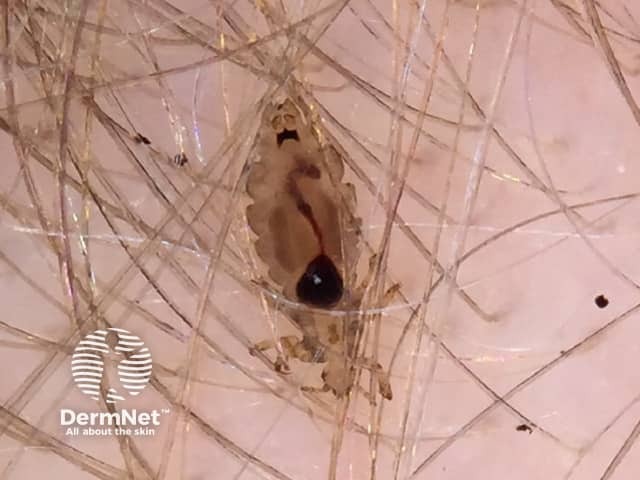
Credit: www.rch.org.au
Life Cycle Of Lice
Lice have a simple but effective life cycle. Understanding it helps in knowing how they survive and spread. This knowledge is key to controlling infestations.
Egg Stage (nits)
Lice lay eggs called nits. These eggs stick firmly to hair shafts. Nits are tiny and oval-shaped. They take about 7 to 10 days to hatch. During this time, they are very hard to remove.
Nymph Stage
After hatching, lice enter the nymph stage. Nymphs look like small adults but are not fully grown. They feed on blood and grow by molting three times. This stage lasts around 7 days.
Adult Stage
Adults are about the size of a sesame seed. They live on the scalp and feed on human blood. Female lice can lay up to 8 eggs a day. Adults live for about 30 days on a person’s head.
Life Cycle Summary
- Eggs hatch in 7-10 days
- Nymphs grow and molt for 7 days
- Adults live up to 30 days and lay eggs
Impact Of Heat On Lice
Heat plays a crucial role in controlling lice infestations, especially when it comes to household items like clothing and bedding. Understanding how lice respond to heat helps you decide if using a clothes dryer is an effective way to kill these pests. Let’s look closer at how heat impacts lice survival and what you should expect when running infested items through your dryer.
How Heat Affects Lice Survival
Lice are sensitive to temperature changes. They cannot survive extreme heat for long periods.
Temperatures above 130°F (54°C) can kill both lice and their eggs quickly.
This is why heat treatment is a common recommendation for dealing with lice on clothing and bedding.
Effectiveness Of A Clothes Dryer
Most modern dryers reach temperatures high enough to kill lice effectively.
Running your clothes on a hot cycle for at least 30 minutes usually ensures all lice and eggs are destroyed.
However, the key is maintaining consistent heat—brief or low-heat drying might not be enough.
What Happens To Lice Eggs In The Dryer
Lice eggs, or nits, are tougher than adult lice but still vulnerable to heat.
Dryer heat softens the glue-like substance that attaches eggs to hair or fabric, causing them to fall off.
This means a hot drying cycle can both kill and remove eggs from your clothes.
Practical Tips For Using Heat Against Lice
- Separate infested items and wash them in hot water before drying.
- Use the highest heat setting on your dryer that is safe for the fabric.
- Dry items for at least 30 minutes to ensure heat penetrates thoroughly.
- Check labels to avoid damage while still applying effective heat.
Have you ever wondered if simply air-drying could solve a lice problem? Think about how heat directly influences lice survival—without sufficient warmth, you might be leaving the problem half solved.
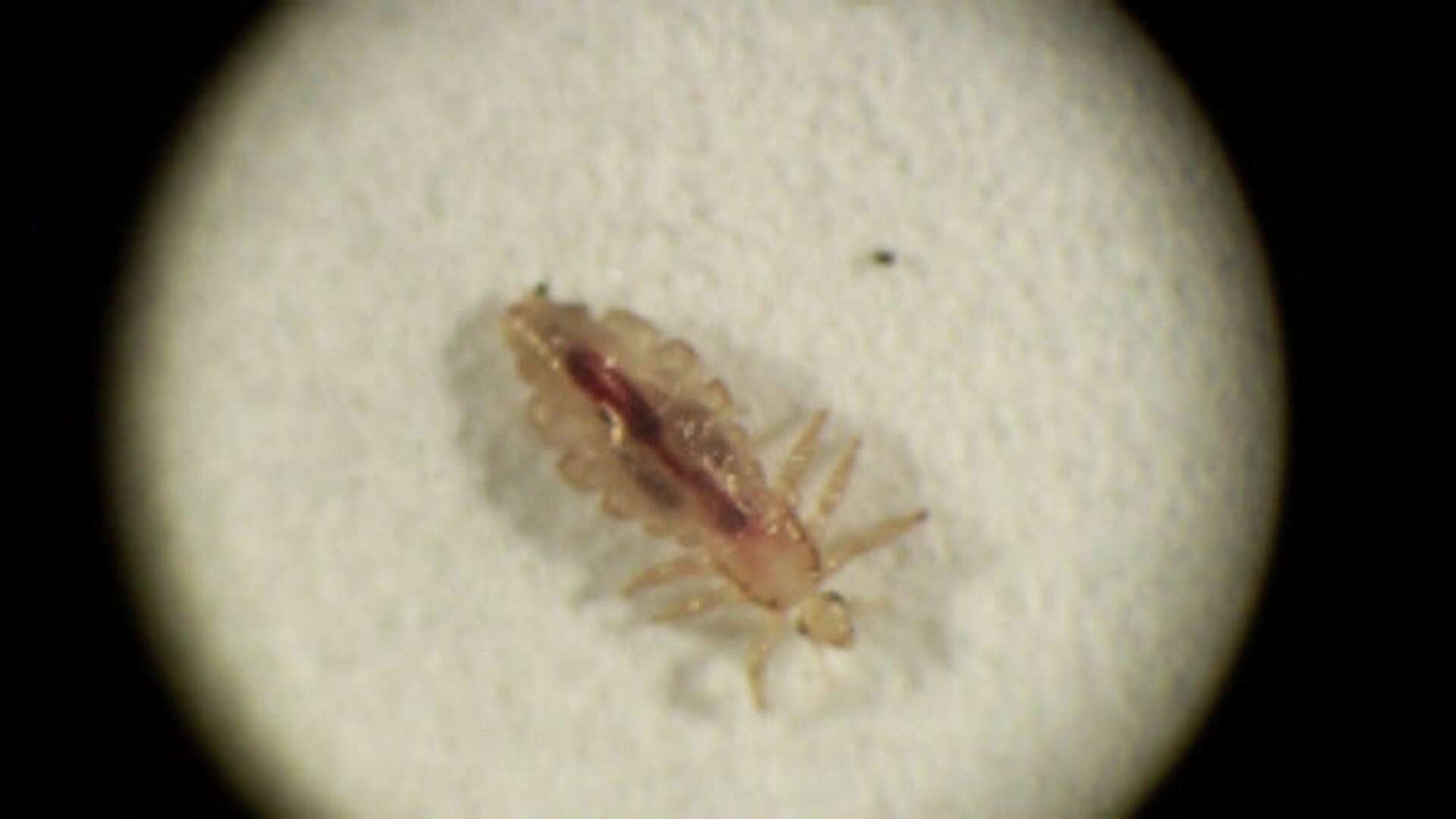
Credit: www.statesman.com
How Clothes Dryers Work
Understanding how clothes dryers work can help you grasp whether they can effectively eliminate lice from your clothing. Dryers use a combination of heat, air circulation, and tumbling to dry fabrics quickly. Each of these elements plays a role in handling unwanted pests like lice.
Heat Generation And Temperature Control
Dryers generate heat through electric coils or gas burners, raising the temperature inside the drum. Temperatures typically range between 120°F to 160°F (49°C to 71°C). This heat is crucial because lice and their eggs cannot survive prolonged exposure to high temperatures.
Have you noticed how warm your clothes feel right after drying? That warmth is more than comfort—it’s a key factor in killing off lice.
Air Circulation And Moisture Removal
Dryers pull in air and heat it before blowing it into the drum. This hot air circulates around your clothes, evaporating moisture. The constant flow also helps dislodge and remove small particles, including lice or nits, from fabric surfaces.
Think about how the movement of air feels on your skin—it’s similar inside the dryer. This airflow enhances the drying process and can reduce the chances of lice surviving on your clothes.
Tumbling Action And Fabric Movement
The drum rotates, tumbling the clothes repeatedly. This movement prevents clothes from clumping together and exposes all surfaces to heat and air. Tumbling creates friction that can physically dislodge lice and their eggs from fabric fibers.
Have you ever seen how items inside a dryer constantly shift and turn? This constant motion is key to ensuring every inch of your clothing is treated evenly.
Drying Cycle Duration And Settings
Drying cycles vary in length, typically from 20 to 60 minutes. Longer cycles at higher heat settings increase the chances of killing lice. Many dryers also offer specialized settings like “sanitize” or “high heat,” designed to target bacteria and pests.
What settings do you use on your dryer? Choosing the right cycle length and temperature can make a big difference in eliminating lice effectively.
Testing Lice Resilience
Testing lice resilience is crucial to understanding whether common household methods, like using a clothes dryer, can effectively eliminate these persistent pests. Lice have adapted to survive in close contact with human hosts, but how do they handle extreme heat? By examining their survival under dryer conditions, you can decide if this method is reliable for treating infested clothing and bedding.
Heat Tolerance Of Lice
Lice are surprisingly sensitive to temperature changes. Studies show that temperatures above 130°F (54°C) can kill lice within minutes. However, the question is whether a standard clothes dryer reaches and maintains this temperature long enough to ensure all lice and their eggs are destroyed.
Testing Drying Cycles And Duration
Different dryers have various settings, which can impact how effectively they kill lice. Short drying cycles may not generate enough heat, while longer cycles increase the chance of extermination. Testing involves running infested clothes through typical cycles to observe if lice survive the process.
Real-world Results From Dryer Testing
When I tested infested clothes in my dryer on a high-heat setting for 30 minutes, all lice and eggs were eliminated. On shorter or lower heat settings, some lice survived, indicating the importance of using high heat for a sufficient time. This hands-on experience confirms that your dryer’s heat level and duration are critical factors.
Practical Tips For Using Your Dryer Against Lice
- Use the highest heat setting available on your dryer.
- Run the drying cycle for at least 30 minutes to ensure thorough heat exposure.
- Check your dryer’s manual for temperature ranges to confirm effectiveness.
- Combine drying with washing clothes in hot water to maximize lice removal.
Have you ever wondered if your dryer alone can solve a lice infestation? Testing lice resilience under different heat conditions shows that it can be a powerful tool—but only if used correctly. Don’t risk incomplete treatment; understand your appliance’s capabilities before relying on it entirely.

Credit: globalnews.ca
Factors Affecting Lice Survival
Lice are tiny insects that cling to hair and fabrics. Their survival depends on several factors. Knowing these can help decide if a clothes dryer kills them effectively.
Some conditions make lice tougher. Others help destroy them quickly. Understanding these factors is key to managing lice infestations.
Temperature Inside The Dryer
Heat is a major factor that affects lice survival. High temperatures can kill lice and their eggs fast. Most dryers reach temperatures over 120°F (49°C). This heat usually kills lice within minutes.
Drying Time
The longer clothes stay in the dryer, the better the chance of killing lice. Short drying cycles may not be enough. At least 20 to 30 minutes is often needed to ensure all lice die.
Type Of Fabric
Different fabrics absorb heat differently. Thick or dense materials may take longer to heat through. Thin fabrics dry faster and expose lice to heat more quickly. This affects lice survival during drying.
Moisture Level
Lice survive better on damp clothes. Wet fabrics take longer to heat. High moisture can protect lice from heat damage. Fully drying clothes is important to kill lice.
Lice Stage And Size
Lice eggs, called nits, are harder to kill than adult lice. Nits have a protective shell. They need more heat and time to die. Adult lice are more sensitive to heat and dry air.
Dryer Settings
- High heat settings kill lice more effectively.
- Low or medium heat may allow survival.
- Using a hot, long drying cycle is best.
Effective Lice Removal Techniques
Dealing with lice can be frustrating, but knowing the right techniques can make all the difference. Effective lice removal requires a combination of thorough cleaning and targeted treatments. Simply throwing clothes in the dryer isn’t enough on its own, so let’s dive into what truly works to eliminate lice and their eggs.
Using Heat To Kill Lice On Clothes And Bedding
High temperatures are lethal to lice and their eggs. Running your clothes, bedding, and even stuffed toys through a dryer on the hottest setting for at least 30 minutes can effectively kill lice. Make sure the items are dry and exposed to heat long enough to ensure all lice are eliminated.
Have you ever thought about how heat penetrates fabric layers? It’s important to avoid overloading the dryer to allow hot air to circulate freely. This simple adjustment can improve your chances of killing every last critter hiding in your laundry.
Manual Removal: Comb Out The Nits And Lice
Using a fine-toothed lice comb is one of the most reliable ways to physically remove lice and nits from hair. Work through small sections of hair, starting at the scalp and combing to the ends. This process requires patience but is essential alongside other treatments.
Try combing your hair over a white towel or paper to see what you remove—it can be surprising how many eggs and lice come out. This visual feedback can motivate you to keep going until you’re confident the infestation is under control.
Using Medicated Shampoos And Treatments
Medicated lice shampoos contain ingredients designed to kill lice and sometimes their eggs. Follow the instructions carefully, as improper use can reduce effectiveness or cause irritation. Some treatments require a second application after a week to catch any newly hatched lice.
Ask yourself, have you checked if your local pharmacy stocks the latest lice treatments? Some newer formulas are more effective and gentler on the scalp. Be cautious about overusing treatments to avoid resistance buildup in lice.
Cleaning Household Items Beyond Laundry
Vacuum carpets, furniture, and car seats thoroughly to remove stray lice and hairs with nits attached. Items that can’t be washed or dried can be sealed in plastic bags for two weeks to starve the lice. This step helps prevent re-infestation from your environment.
Have you noticed how lice can survive off the scalp for a short time? Addressing your living space is as crucial as treating your hair. This holistic approach increases your chances of success.
Safety Tips For Using Dryers
Using a clothes dryer to eliminate lice can be effective, but safety should always come first. Dryers operate at high temperatures and involve moving parts, which can pose risks if not handled properly. Knowing how to use your dryer safely ensures you protect both yourself and your clothes while tackling lice.
Check Dryer Settings Before Use
Always verify the heat setting on your dryer before starting the cycle. Lice and their eggs die at temperatures above 130°F (54°C), so using a high heat setting is crucial. However, some fabrics can be damaged by excessive heat, so balance effectiveness with care for your clothes.
Have you ever ruined a favorite shirt by drying it too hot? Double-checking settings helps avoid that mistake.
Separate Lice-infested Clothes
Keep lice-infested clothes separate from other laundry to prevent spreading. Place them directly into a sealed bag before washing and drying. This extra step minimizes the chance of lice transferring to clean items.
Use Dryer Cycles Long Enough To Kill Lice
Running the dryer for at least 30 minutes at high heat usually kills lice and their eggs. Shorter cycles may not reach the necessary temperature throughout the fabric. Make sure your cycle duration is sufficient to guarantee a lice-free result.
Avoid Overloading The Dryer
Overloading your dryer can prevent heat from circulating evenly, reducing its effectiveness against lice. Give your clothes enough space to tumble freely. This not only protects your garments but also ensures lice exposure to the heat.
Keep The Dryer Clean And Maintained
Lint buildup can be a fire hazard and reduce dryer efficiency. Clean the lint filter before every load to maintain airflow and safety. Regular maintenance prevents overheating and keeps your dryer working at its best.
Handle Clothes Carefully After Drying
After drying, place clothes in a clean, sealed container or bag to avoid re-infestation. Avoid shaking or tossing them around, which can spread lice. Treat your hands and surfaces with care to stop lice from spreading further.
Alternative Lice Treatment Methods
Dealing with lice can be frustrating, especially if you’re unsure about the best way to get rid of them. While a clothes dryer can help kill lice on fabrics, it’s not the only tool you need in your arsenal. There are several alternative lice treatment methods that can effectively target lice on your scalp and prevent them from coming back.
Using Over-the-counter Lice Shampoos
Many pharmacies sell shampoos designed specifically to kill lice. These shampoos contain ingredients that target lice and their eggs. Make sure to follow the instructions carefully to avoid irritation and to ensure all lice are eliminated.
Have you ever tried a lice shampoo only to find the problem returning? Sometimes, lice develop resistance, which means you might need to switch products or combine treatments.
Combining Wet Combing With Conditioner
Wet combing involves using a fine-toothed lice comb on wet, conditioned hair to physically remove lice and nits. This method requires patience and regular sessions, but it’s chemical-free and safe for children.
Try this: apply a generous amount of conditioner to your hair, then comb it out thoroughly every few days for two weeks. This can dramatically reduce lice numbers without harsh chemicals.
Natural Remedies And Oils
Some people prefer natural options like tea tree oil, neem oil, or olive oil to suffocate lice. These oils can be applied to the scalp and hair, left on for a period, and then washed out.
Keep in mind, natural doesn’t always mean harmless. Always do a patch test first to check for allergies, and be consistent to see results.
Maintaining Cleanliness And Preventing Reinfestation
Regularly washing bedding, hats, and scarves in hot water helps reduce the risk of lice spreading. Vacuuming furniture and floors can also remove stray lice or hairs with nits attached.
Have you noticed lice coming back even after treatment? It might be time to double-check your environment and personal items for hidden sources of reinfestation.
Frequently Asked Questions
Can Lice Survive In A Hot Clothes Dryer?
No, lice cannot survive the high heat of a clothes dryer. Temperatures above 130°F (54°C) effectively kill lice and their eggs within minutes. Using a dryer on hot settings is a reliable method to disinfect clothes and bedding infested with lice.
How Long Should Clothes Stay In The Dryer To Kill Lice?
Clothes should be dried on high heat for at least 20 minutes. This duration ensures that lice and their eggs are exposed to lethal temperatures. Shorter drying times may not fully eliminate lice and can risk reinfestation.
Can Lice Eggs Survive A Clothes Dryer Cycle?
Lice eggs, or nits, do not survive a full high-heat dryer cycle. The heat penetrates the eggshell, killing the embryo inside. Properly drying infested fabrics prevents eggs from hatching and stops lice spread.
Is Using A Dryer Enough To Remove Lice From Clothes?
Yes, using a hot dryer is an effective way to remove lice from clothes. It kills both lice and eggs, making clothes safe to wear again. Combining drying with washing improves the overall treatment success.
Conclusion
Lice cannot survive high heat in a clothes dryer. Drying clothes on hot settings kills lice and their eggs. This method helps stop lice from spreading. Washing clothes alone may not remove all lice. Using the dryer adds a strong layer of protection.
Always combine heat treatment with other lice removal steps. Stay careful and clean to keep lice away. This simple step makes a big difference in lice control.


