Imagine finding yourself in an emergency without the right tools to stay safe and comfortable. What would you do?
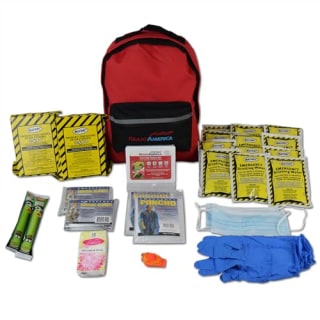
Having a well-packed survival kit can make all the difference when unexpected situations arise. But what exactly should you pack to be fully prepared? You’ll discover the essential items that could help you protect yourself and your loved ones. Keep reading to learn how to build a survival kit that fits your needs and gives you peace of mind when it matters most.

Credit: www.amazon.com
Emergency Water Supplies
Water is the most critical element in any survival situation. Without clean water, your chances of staying healthy and alert drop rapidly. Packing reliable emergency water supplies can make the difference between discomfort and disaster.
Portable Water Filters
Portable water filters let you drink from natural sources like rivers and lakes safely. These devices remove harmful bacteria and sediments quickly. Imagine hiking in the wilderness—carrying a filter means you don’t have to lug heavy water bottles everywhere.
Look for lightweight filters that fit easily in your pack. Some models even filter out viruses, which is vital if you’re unsure about water quality. Have you ever thought about how much space a water filter can save compared to carrying gallons of bottled water?
Water Purification Tablets
Water purification tablets are a compact, lightweight way to sanitize water. They kill bacteria, viruses, and parasites in minutes. They’re perfect for emergencies when boiling water isn’t possible.
Keep a supply of these tablets in your kit and check expiration dates regularly. They don’t take up much space, making them ideal for backpacks or glove compartments. Would you feel more confident knowing you can purify water anywhere with just a few tablets?
Collapsible Water Containers
Collapsible water containers save space when empty and expand to hold several liters of water. They’re perfect for storing extra water or collecting water from natural sources. Their flexibility means you can pack more efficiently.
Choose containers made from durable, BPA-free materials. Easy-to-clean designs are a bonus, so you can reuse them safely. How much easier would it be to carry and store water if your containers folded flat when not in use?
Food And Nutrition
Food and nutrition are vital for survival in any emergency. Proper supplies keep your energy up and your body strong. You must pack smart choices that last long and provide good nutrition.
Non-perishable Food Items
Choose foods that do not spoil quickly. Canned goods like beans, vegetables, and tuna are reliable options. Dry items such as rice, pasta, and lentils offer long shelf life. Store these in airtight containers to keep them fresh and safe.
Emergency Meal Kits
Emergency meal kits are ready-to-eat and easy to prepare. They often include dehydrated or freeze-dried meals. Just add water and wait a few minutes. These kits save time and effort during a crisis.
High-energy Snacks
High-energy snacks provide quick fuel for your body. Pack nuts, trail mix, and energy bars. These snacks are lightweight and easy to carry. They help maintain stamina and focus when you need it most.
Shelter And Warmth
When preparing a survival kit, ensuring you have reliable shelter and warmth items can make a huge difference in your ability to stay safe and comfortable. Cold and exposure can quickly sap your energy and impair your judgment, so packing the right gear is essential. Think about how each item can protect you from the elements and keep your body temperature stable.
Emergency Blankets
Emergency blankets are compact, lightweight, and highly effective at retaining body heat. They reflect up to 90% of your body heat back to you, making them a must-have for sudden cold weather or unexpected overnight stays outside.
One time, I got caught in a chilly rainstorm during a hike. Wrapping myself in an emergency blanket stopped the shivering fast and helped me focus on finding shelter. Do you have one packed right now?
Compact Tents
Compact tents offer solid protection against wind, rain, and insects while being easy to carry. Look for models that are waterproof, quick to set up, and small enough to fit in your pack without weighing you down.
Choosing a tent with a low profile helps reduce exposure to harsh weather, and a reflective rainfly can add extra warmth by blocking cold winds. Could your survival kit support a quick, secure shelter setup?
Thermal Sleeping Bags
Thermal sleeping bags trap your body heat and provide insulation from the cold ground. Opt for bags rated for temperatures lower than what you expect to encounter to stay comfortable throughout the night.
During a camping trip, my thermal sleeping bag kept me warm even when the temperature dropped unexpectedly. This gear can be a lifesaver, especially when you need rest to maintain your strength. What’s your backup plan for a cold night outdoors?

Credit: www.amazon.com
First Aid And Medical Supplies
Having a well-stocked first aid and medical supplies section in your survival kit can make all the difference during emergencies. You never know when a minor cut might turn into a serious issue or when access to medication becomes critical. Preparing ahead ensures you can handle health concerns calmly and effectively.
Basic First Aid Kit
Your basic first aid kit should cover common injuries like cuts, burns, and sprains. Include adhesive bandages in various sizes, sterile gauze pads, and adhesive tape to secure dressings. Add antiseptic wipes and antibiotic ointment to prevent infections.
Don’t forget tools such as tweezers, scissors, and disposable gloves. A CPR mask and a cold pack can also prove invaluable. Think about what you’ve encountered before—did you ever wish you had extra painkillers or a thermometer handy?
Prescription Medications
Always pack an adequate supply of your prescription medications, especially if you have chronic conditions. Include copies of your prescriptions and a list of your current medications with dosages. This helps if you need to seek medical help without access to your usual pharmacy.
Consider storing medications in waterproof containers to protect them from moisture. Have you ever faced a situation where you ran out of medicine at the worst possible time? Preparing for this possibility is crucial for your survival kit.
Personal Hygiene Items
Personal hygiene directly affects your health, particularly in survival situations. Pack items like soap, hand sanitizer, toothbrush, toothpaste, and feminine hygiene products. These keep infections at bay and boost your comfort during tough times.
Adding a small towel and wet wipes can help you stay clean when water is scarce. How often do you overlook hygiene until it becomes a problem? Including these items helps you maintain well-being and morale.
Tools And Equipment
Tools and equipment form the backbone of any survival kit. They help solve problems and make tough situations easier. Choosing the right tools saves time and energy during emergencies.
Focus on items that serve multiple purposes and are lightweight. Compact and durable tools fit better in a survival kit. Each tool should help with tasks like cutting, fixing, or digging.
Multi-tools
Multi-tools combine many functions into one compact device. They usually include pliers, knives, screwdrivers, and scissors. Carrying a multi-tool reduces the need for separate items. Look for one with strong metal and a locking mechanism. A good multi-tool helps with repairs, food prep, and first aid.
Duct Tape
Duct tape is a must-have in any survival kit. It can fix gear, seal leaks, and even make shelters. The tape sticks to most surfaces and works in different weather. Tear off small pieces quickly for temporary repairs. Keep a roll or wrap some around a small card to save space.
Portable Shovel
A portable shovel helps with digging fire pits, latrines, or shelters. Many models fold up to fit inside backpacks. Choose a lightweight but sturdy shovel with a strong handle. It can also clear debris or snow. A good shovel makes survival tasks easier and safer.
Lighting And Communication
Having reliable lighting and communication tools in your survival kit can make all the difference during an emergency. Darkness can quickly turn a manageable situation into a dangerous one, while staying connected ensures you can get help or share vital information. Let’s look at some essential gear that keeps you visible and in touch when it matters most.
Led Flashlights
LED flashlights offer bright, long-lasting light without draining batteries quickly. Choose compact models with multiple brightness settings to adjust based on your needs. Some even come with strobe or SOS modes, which can be lifesavers if you need to signal for help.
Think about the last time you were caught in a blackout. Did you have a reliable flashlight? Having one ready in your survival kit means you won’t have to rely on your phone’s limited battery or weak screen light.
Solar-powered Lanterns
Solar-powered lanterns provide a sustainable light source that recharges during the day. They are perfect for long-term emergencies where battery replacement isn’t an option. Look for models that are water-resistant and lightweight, so you can easily carry them or hang them inside a tent or shelter.
Imagine you’re camping and the sun sets earlier than expected. With a solar lantern, you’ll have enough light to cook, read, or keep watch without worrying about running out of power.
Emergency Radios
Emergency radios keep you informed about weather updates, evacuation orders, and important news when other communication lines fail. Many radios also include built-in flashlights, solar charging, and hand crank options, making them versatile tools. Consider one that supports NOAA weather channels for the most accurate alerts.
Have you ever wondered how people stay updated during disasters when cell towers go down? An emergency radio can be your link to the outside world, helping you make smarter decisions in critical moments.
Clothing And Personal Items
Choosing the right clothing and personal items is vital for any survival kit. The right gear keeps you safe, dry, and comfortable in tough conditions. Prioritize items that protect you from weather and rough terrain. Small details can make a big difference in survival situations.
Weather-appropriate Clothing
Select clothes based on the climate you expect. Lightweight, breathable fabrics work well in hot weather. For cold climates, pack layers made from wool or synthetic materials. Avoid cotton, which traps moisture and chills the body. Waterproof jackets and pants help in rain or snow.
Sturdy Footwear
Strong shoes or boots protect your feet from injury. Choose footwear with good grip and ankle support. Avoid new shoes; break in your boots before packing. Waterproof boots keep feet dry and prevent blisters. Durable soles are important for rocky or uneven paths.
Extra Socks And Gloves
Always carry extra pairs of socks and gloves. Dry socks prevent fungal infections and blisters. Wool or thermal gloves keep hands warm and functional. Change socks regularly to maintain comfort and hygiene. Extra gloves protect hands during cold or rough work.
Navigation And Signal Tools
Having reliable navigation and signal tools in your survival kit can make a huge difference when you are in an unfamiliar or challenging environment. These tools help you find your way and attract attention if you need rescue. Think about how often people get lost not because they don’t know the direction but because they lack the right gear to confirm their position or signal for help.
Maps And Compasses
Never underestimate the power of a good map and a compass. Even if you rely on technology, these traditional tools do not require batteries or signals. Carry a detailed topographic map of the area and a sturdy compass to keep your bearings.
I once got separated from my group during a hike. The GPS on my phone died, but I used my compass and map to navigate back safely. You don’t want to be stuck without these basics.
Whistles And Signal Mirrors
When you need to alert others, loud noises and bright reflections can save your life. A whistle can carry sound much farther than your voice, especially in dense forests or rocky terrain. Choose a whistle that produces a sharp, piercing sound.
Signal mirrors work well during the day by reflecting sunlight to catch the attention of rescuers or passing aircraft. They are lightweight and easy to carry in your kit. Have you practiced using a signal mirror? It’s not as simple as it looks and requires some practice to aim the reflection correctly.
Gps Devices
GPS devices offer precise location data and can be lifesavers in remote areas. Unlike smartphones, dedicated GPS units are built to withstand harsh conditions and often have longer battery life. Look for models with preloaded maps and waypoint marking features.
However, don’t rely solely on GPS; always have a backup navigation method. Batteries die, signals fade, but a compass and map are always ready to guide you. How would you navigate if your GPS failed right now?
Self-defense And Safety
Your survival kit isn’t complete without items that help protect you from danger. Self-defense and safety tools give you confidence and a way to respond if a threat appears. These tools are lightweight, easy to carry, and designed to keep you safe in unexpected situations.
Pepper Spray
Pepper spray is a powerful tool that can stop an attacker quickly. It’s small enough to fit in your pocket but strong enough to cause temporary blindness and breathing difficulty. Carry it in an easily accessible spot—you might only have seconds to react.
Make sure you practice using it beforehand and check the legal regulations in your area. A friend once used pepper spray during a late-night walk, and it gave them just enough time to escape to safety. Would you feel prepared if you had to defend yourself suddenly?
Personal Alarms
Personal alarms emit a loud, piercing sound to draw attention and scare off attackers. They are simple to use—just pull a pin or press a button—and can be a lifesaver in crowded or isolated places. The noise can alert others nearby, increasing your chances of help.
Choose a model that is compact and has a volume of at least 120 decibels. Think about where you’ll attach it—on your keys, bag, or belt. Could a loud alarm be your best defense when you can’t shout for help?
Safety Whistles
Safety whistles are a classic but effective tool for signaling distress. Unlike shouting, a whistle’s sharp sound carries farther and requires less energy. It’s especially useful if you get lost or need to attract attention in an emergency.
Pick a whistle made from durable material and attach it to your survival kit or clothing. Consider a whistle with a pea inside for a louder, more attention-grabbing sound. How prepared are you to call for help when your voice might fail?
Credit: www.nbcnews.com
Frequently Asked Questions
What Are The Essential Items In A Survival Kit?
A survival kit should include water, non-perishable food, a first-aid kit, a flashlight, and a multi-tool. These basics ensure you can stay hydrated, nourished, and safe in emergencies.
How Much Water Should A Survival Kit Contain?
Include at least one gallon of water per person per day. This amount supports drinking and basic sanitation needs during emergencies.
Why Include A First-aid Kit In A Survival Pack?
A first-aid kit helps treat minor injuries and prevents infections. It is vital for managing wounds when medical help is not immediately available.
Should I Pack Tools For Shelter In My Survival Kit?
Yes, pack a compact tarp, rope, and a knife. These tools help you create shelter and protect yourself from harsh weather.
Conclusion
A well-packed survival kit saves lives in tough situations. Choose items that suit your needs and environment. Keep your kit small but complete. Regularly check and update supplies to stay ready. Practice using your kit to build confidence. Stay calm and focused during emergencies.
Preparedness brings peace of mind every day. Start packing today and stay safe tomorrow.