Imagine finding yourself in a situation where help is far away, and every second counts. What if you had one simple thing that could make all the difference between staying safe and facing danger?
That’s exactly what a survival kit is for. But do you really know what a survival kit means and why it’s so important for you? This article will reveal the true meaning behind a survival kit and how it can protect your life when you least expect it.
Keep reading, because understanding this could be the most valuable knowledge you gain today.
Essential Items For A Survival Kit
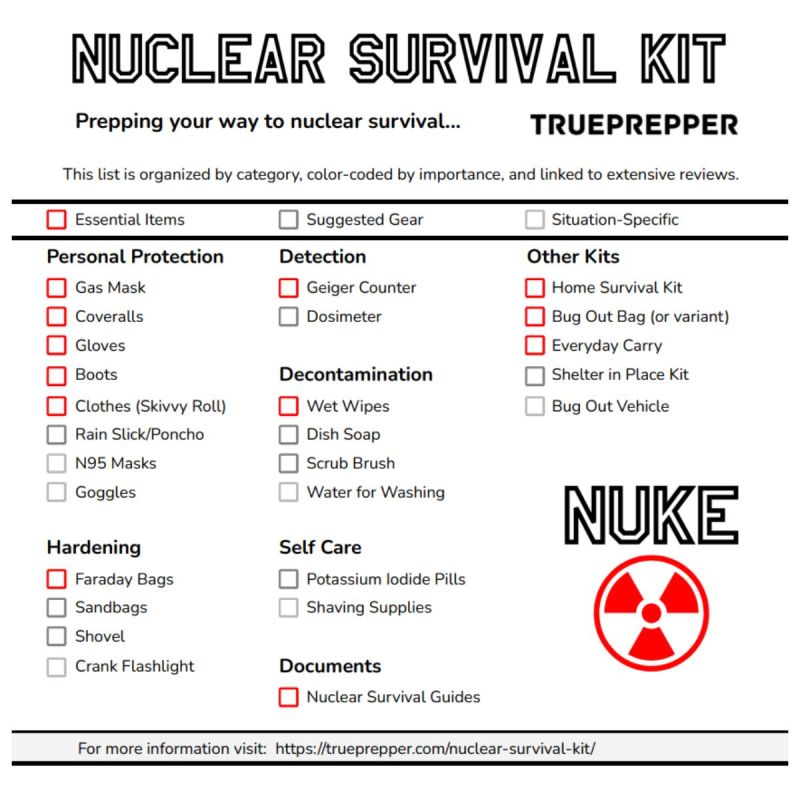
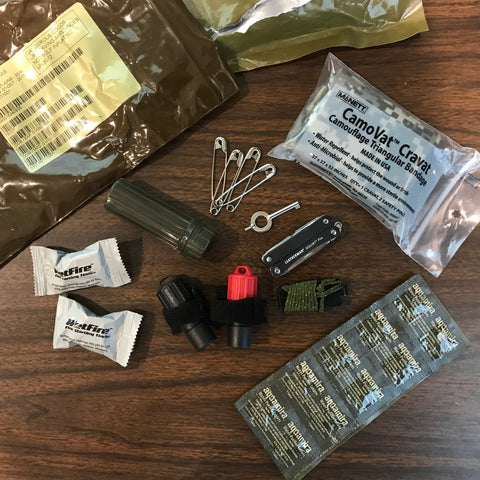
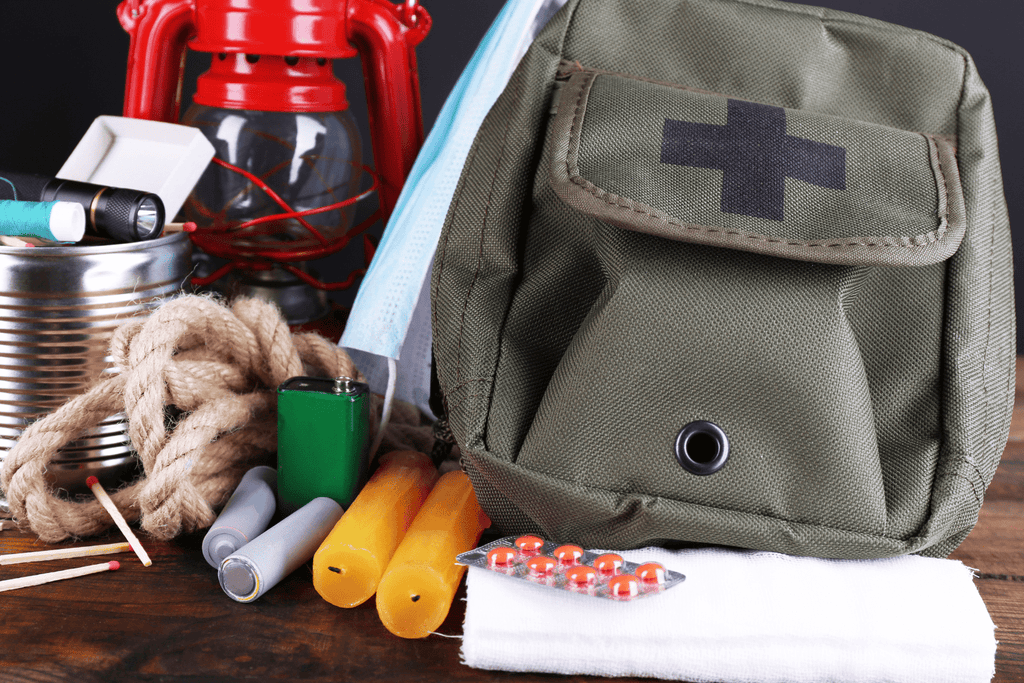
Building a survival kit means selecting items that will keep you safe, nourished, and healthy during emergencies. Each item plays a crucial role in ensuring your survival and comfort when normal resources are unavailable. Let’s break down the essential components you should never overlook in your survival kit.
Water And Filtration Systems
Water is the most critical resource for survival. Your kit should include a reliable water container alongside filtration tools to make any found water safe to drink.
- Water bottles or collapsible containers:Easy to carry and refill.
- Portable water filters:Devices like straw filters or pump filters remove bacteria and protozoa.
- Water purification tablets:Lightweight and effective for emergencies.
I once trusted a single water bottle without a filter on a hike, and it taught me the hard way to always carry a backup purification method. Would you risk your health without making water safe?
Non-perishable Food Supplies
Food provides energy and helps maintain strength in tough situations. Focus on items that last long and require minimal preparation.
- Energy bars and trail mix:Compact and packed with nutrients.
- Dried fruits and nuts:Natural sources of vitamins and healthy fats.
- Canned goods or vacuum-sealed meals:Provide variety and longer shelf life.
During a weekend camping trip, having a mix of these foods kept my energy steady without needing cooking tools. How prepared is your kit to keep you fueled?
First Aid Essentials
Injuries can happen anytime, and a well-stocked first aid kit can make a huge difference. Include supplies that address common wounds and health issues.
- Bandages and gauze pads:For cuts and scrapes.
- Antiseptic wipes and ointments:Prevent infection.
- Pain relievers and allergy medications:Help manage discomfort and allergic reactions.
- Tweezers and scissors:Useful for removing splinters or cutting bandages.
I learned to keep extra adhesive tape and burn cream after a minor kitchen accident, which saved a lot of discomfort later. Do you have the right items to treat injuries promptly?
Tools For Shelter And Warmth
Having the right tools for shelter and warmth can make a huge difference when you’re in a survival situation. These tools protect you from harsh weather, keep your body temperature stable, and give you a safe place to rest. Without proper shelter and warmth, even a short stay outdoors can turn dangerous quickly.
Portable Shelter Options
Choosing the right portable shelter can keep you safe and comfortable. Lightweight tents, tarps, and bivy sacks are popular because they are easy to carry and set up quickly.
- Tents:Offer full protection from wind, rain, and insects. Look for models with a waterproof rainfly and good ventilation.
- Tarps:Versatile and lightweight. You can rig them in many ways to block wind or rain using trees or poles.
- Bivy sacks:Compact and ideal for solo use. They provide a waterproof barrier and trap heat.
Think about your environment and how much space and weight you can manage before choosing your shelter. Have you tested setting up your shelter in different weather conditions yet?
Fire Starting Tools
Fire is essential for warmth, cooking, and signaling for help. Carrying reliable fire-starting tools can save your life.
- Ferro rods:Last thousands of strikes and work even when wet. Practice striking to create sparks effectively.
- Waterproof matches:Easy to use and lightweight. Keep them in a sealed container to stay dry.
- Lighters:Convenient but can run out of fuel. Carry a backup alongside other methods.
- Tinder kits:Include cotton balls with petroleum jelly or dry bark. They ignite quickly and help start fires faster.
Have you ever tried starting a fire in damp conditions? It’s worth practicing now to avoid frustration later.
Insulation And Clothing
Keeping your body warm requires good insulation and the right clothing layers. Your survival kit should include items that protect you from cold and moisture.
- Thermal blankets:Compact and reflect body heat. Essential for emergencies.
- Insulating layers:Wool or synthetic fleece traps heat even when wet. Avoid cotton as it holds moisture.
- Waterproof outer layers:Shields you from wind and rain. Breathable fabrics help reduce sweat buildup.
- Extra socks and gloves:Prevent heat loss from extremities. Always keep them dry.
Your clothing can be your best defense against hypothermia. Have you ever felt how much difference a dry pair of socks makes after a long day outdoors?
Navigation And Communication Gear
Navigation and communication gear are essential components of any survival kit. They help you find your way when paths are unclear and keep you connected in emergencies. Without reliable tools, even a small misstep can turn into a dangerous situation.
Maps And Compasses
Paper maps and compasses remain the most dependable navigation tools. Unlike GPS devices, they don’t rely on batteries or signals, which can fail when you need them most.
Learn how to read contour lines and use a compass to orient your map. Practice these skills before you face a real emergency. Have you ever gotten lost in the woods? A simple compass could have saved hours of panic and wandering.
Emergency Radios
Emergency radios keep you informed about weather alerts and rescue broadcasts. Choose radios that operate on multiple frequencies, including NOAA weather channels.
Solar or hand-crank models ensure you won’t run out of power. Imagine hearing a critical weather warning that helps you avoid a storm. That’s the kind of advantage these radios provide.
Signaling Devices
Signaling devices increase your chances of being found if you’re stranded. Bright signal mirrors, whistles, and flares grab attention from rescuers at a distance.
Carry more than one type of signaling tool. A whistle’s sound can travel farther than your voice, while a mirror’s flash can be seen miles away on a sunny day. What would you use first if you needed help right now?

Credit: survivalschool.enduresurvivalkits.com
Self-defense And Safety Equipment
Self-defense and safety equipment play a key role in any survival kit. These tools help protect you in dangerous situations. They boost confidence and provide peace of mind during emergencies. Safety gear can prevent harm and assist in calling for help when needed.
Personal Protection Tools
Personal protection tools are essential for safety. Items like pepper spray, tactical pens, and small stun guns offer defense options. These tools are easy to carry and quick to use. They help deter attackers and give you time to escape. Choosing lightweight and compact tools is best for convenience.
Safety Whistles And Alarms
Safety whistles and alarms alert others to your location. They produce loud sounds that attract attention. These devices are useful in crowded places or wilderness areas. Small and simple to carry, they require no batteries in most cases. Having a whistle or alarm can save lives during emergencies.
Multipurpose Tools And Supplies
Multipurpose tools and supplies form the backbone of any survival kit. These items serve various functions and help solve many problems in tough situations. Carrying versatile gear saves space and weight, which is vital when packing light. Each tool should be reliable, easy to use, and durable for long-term survival needs.
Knives And Multi-tools
Knives are essential in survival. They cut, carve, and prepare food. A sharp, sturdy blade can handle many tasks, like making shelter or self-defense. Multi-tools combine several functions in one compact device. They often include pliers, screwdrivers, scissors, and knives. This variety makes them handy for repairs and everyday tasks.
- Choose knives with strong, corrosion-resistant blades.
- Look for multi-tools with locking mechanisms for safety.
- Keep blades sharp and clean to prevent accidents.
Ropes And Cords
Ropes and cords offer many uses in survival. They help build shelters, secure gear, or create traps. Strong cords can replace shoelaces or fix broken equipment. Paracord is popular because it is lightweight and strong. It also unravels into thinner strands for sewing or fishing.
- Carry at least 10 to 20 feet of strong cordage.
- Use ropes for climbing or lowering heavy items safely.
- Store cords in dry places to avoid weakening.

Credit: www.amazon.com
Psychological Preparedness
Psychological preparedness is a vital part of any survival kit. It goes beyond physical tools and supplies, focusing on your mental strength and emotional resilience. Being ready mentally can help you make better decisions and stay calm under pressure.
Mental Health Resources
Having access to mental health resources can make a big difference in a crisis. This might include contact information for counselors, crisis hotlines, or apps designed for emotional support. You can even add simple self-help guides or printed affirmations to your kit.
Think about times when you felt overwhelmed. Would having a quick way to reach support have helped you regain control? Keeping these resources handy means you won’t have to struggle alone when stress hits.
Stress Management Techniques
Stress can cloud your judgment and drain your energy fast. Learning and practicing stress management techniques gives you tools to stay focused and calm. Techniques like deep breathing, grounding exercises, or short mindfulness sessions can be lifesavers.
Try adding a small notebook with step-by-step stress relief exercises to your survival kit. When tension rises, you can refer to it and guide yourself back to calm. Have you ever noticed how just a few deep breaths can change your outlook?
Building A Custom Survival Kit
Building a custom survival kit means creating a set of tools and supplies that fit your needs. It is not about buying a ready-made kit. You choose what to include based on your environment, skills, and the type of emergencies you expect. A personalized kit can be more useful and lighter to carry. It helps you stay prepared and confident in tough situations.
Tailoring Kits For Specific Environments
Different places need different survival items. For cold weather, include warm clothing and fire starters. For desert areas, pack plenty of water and sun protection. In urban settings, focus on first aid and communication tools. Think about the risks you face in your location. Adjust your kit to match those conditions. This way, your survival kit works best for you.
Budget-friendly Options
You do not need to spend a lot to build a good survival kit. Start with basic items like a flashlight, water bottle, and multi-tool. Look for affordable but reliable brands. Use DIY solutions like homemade bandages or paracord bracelets. Buy items one at a time to spread out costs. Keep track of what you already have at home. A smart approach saves money and still keeps you prepared.

Credit: unchartedsupplyco.com
Frequently Asked Questions
What Is The Meaning Of A Survival Kit?
A survival kit is a collection of essential tools and supplies. It helps individuals survive during emergencies or outdoor adventures. The kit includes items like food, water, first aid, and navigation tools. It ensures safety and preparedness in unexpected situations.
Why Is A Survival Kit Important For Emergencies?
A survival kit provides necessary resources when help is delayed. It supports basic needs like hydration, warmth, and medical care. This kit increases the chances of survival during disasters or accidents. Being prepared reduces panic and improves response effectiveness.
What Items Should A Basic Survival Kit Contain?
A basic survival kit includes water, non-perishable food, and a first aid kit. It also contains a flashlight, matches, a knife, and a whistle. These items cover essential needs like health, safety, and signaling for help. Customization depends on the environment and situation.
How Do Survival Kits Help In Outdoor Adventures?
Survival kits offer tools to manage unexpected challenges outdoors. They help treat injuries, find directions, and maintain body temperature. Having a kit increases confidence and safety during hiking, camping, or trekking. It prepares adventurers for unforeseen events.
Conclusion
A survival kit keeps you ready for unexpected events. It holds basic items like food, water, and tools. Having one can make tough situations easier to handle. It helps protect your safety and health. Everyone benefits from preparing a simple survival kit.
Start small, add what you need most. Stay safe, stay prepared.