Imagine finding yourself alone in the wild, with no help nearby. What would you need to stay safe and survive?
Your wilderness survival kit could be the difference between danger and safety. But do you know exactly what should be in that kit? This article will guide you through the essential items you must have to protect yourself and stay alive.
Keep reading to discover how to build a kit that prepares you for any unexpected situation in the wilderness. Your safety depends on it.
Essential Tools
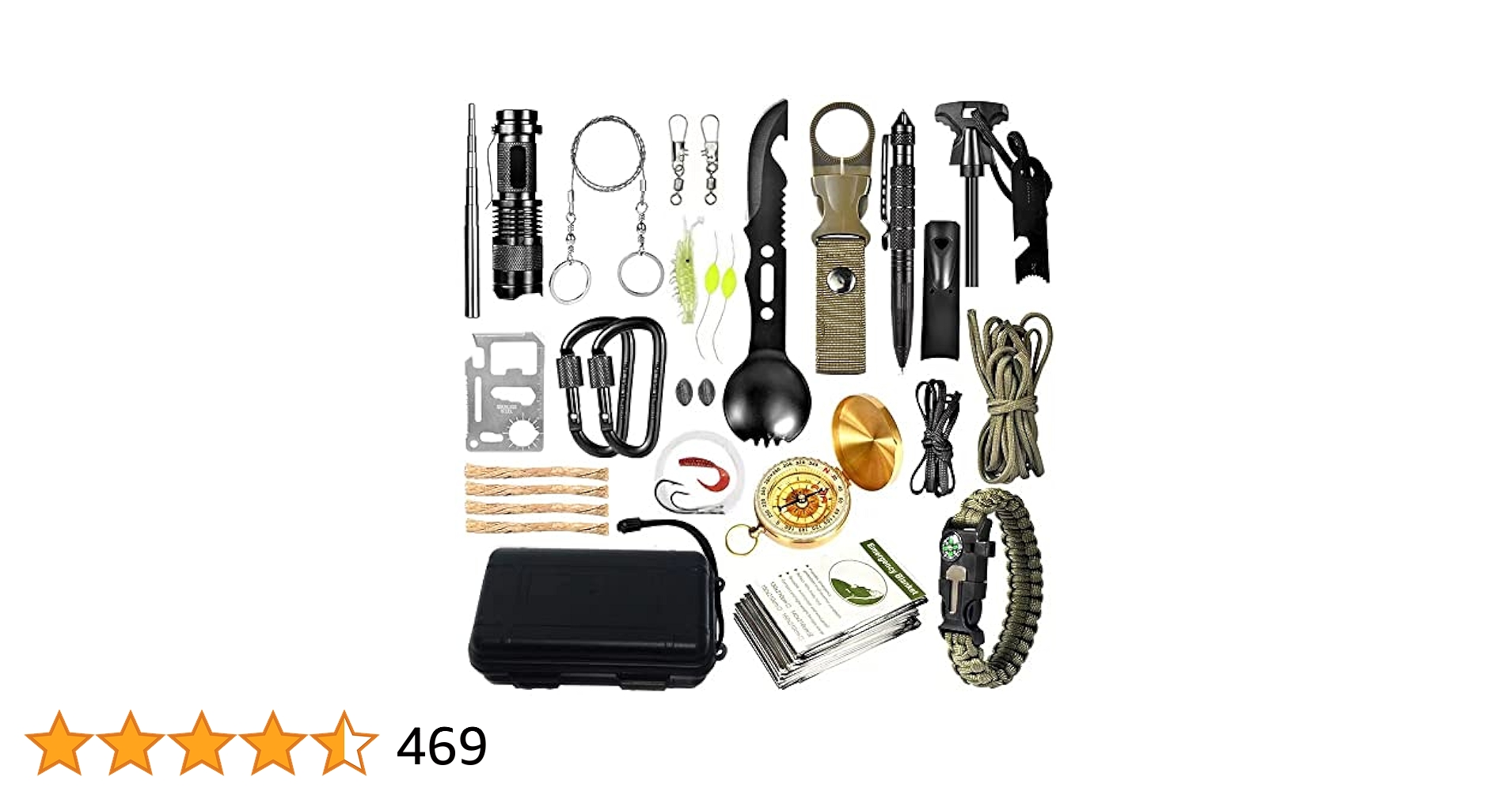
A wilderness survival kit must have essential tools to help in tough situations. These tools aid in building shelter, making fire, and navigating the wild. They increase safety and improve chances of rescue.
Multitool Or Knife
A multitool or knife is a must-have for survival. It helps with cutting rope, preparing food, and making kindling. A sharp, sturdy blade can handle many tasks quickly and safely.
Fire Starter
A fire starter is key for warmth and cooking. It works even in wet conditions. Carry waterproof matches, a lighter, or a magnesium fire starter to create sparks easily.
Compass And Map
A compass and map guide you through unknown areas. They prevent getting lost and help find the way back. Knowing how to use them is as important as having them.

Credit: survivalschool.enduresurvivalkits.com
Shelter And Warmth
Keeping yourself protected from the elements is crucial when you’re out in the wilderness. Shelter and warmth not only preserve your energy but can also be lifesaving. Without the right gear, even a short night outdoors can become dangerous.
Emergency Blanket
An emergency blanket is lightweight and fits easily into any survival kit. It reflects your body heat back to you, helping to prevent hypothermia in cold conditions.
I’ve used one during a sudden drop in temperature on a hiking trip, and it made a noticeable difference. You don’t need bulky gear when a simple foil blanket can keep you warm and dry.
Tarp Or Tent
A tarp or a small tent provides essential protection from rain, wind, and insects. It’s a versatile piece of gear that can be set up quickly to create a dry and sheltered space.
Consider the terrain and weather conditions before choosing between a tarp and a tent. A tarp is lighter and can be used in multiple ways, but a tent offers better protection if the weather turns harsh.
Sleeping Bag
A sleeping bag is your insulation barrier against the cold ground and chilly air. Choose one rated for temperatures you expect to encounter to stay comfortable through the night.
On one camping trip, using a sleeping bag rated too high left me shivering, teaching me the importance of selecting the right temperature rating. Don’t underestimate how much warmth your sleeping bag provides—it’s your personal heat trap.
Water And Hydration
Water and hydration are the lifelines of any wilderness survival kit. Without clean water, your body quickly loses its ability to function, making hydration your top priority. Carrying the right tools ensures you stay safe and healthy, no matter how remote your adventure gets.
Water Purification Tablets
Water purification tablets are lightweight and easy to carry, making them a must-have for your kit. Just drop a tablet into your water and wait a specified time to kill harmful bacteria and viruses. They don’t add bulk, and you can treat water from almost any natural source.
One time, I relied solely on purification tablets during a long hike when my water filter broke. It was reassuring to know I could still drink safely without worrying about stomach issues. Could you trust these small tablets to keep you hydrated in an emergency?
Collapsible Water Bottle
A collapsible water bottle saves space when empty, expanding only when you fill it. It’s perfect for carrying water without the weight of a rigid bottle. These bottles are durable and often made from BPA-free materials, so you can drink confidently.
Imagine trekking with a heavy, rigid bottle versus a lightweight, foldable one. Which would you prefer in your pack? A collapsible bottle also doubles as a container for collecting water before purification.
Portable Water Filter
A portable water filter removes dirt, parasites, and some bacteria from water instantly. Unlike tablets, it provides immediate access to clean water without waiting. Many models are compact, easy to use, and can filter hundreds of gallons before needing replacement.
During one trip, I used a portable filter to drink directly from a mountain stream. It saved me time and gave peace of mind, knowing I wasn’t exposing myself to harmful contaminants. How handy would it be to drink safely wherever you find water?
Food Supplies
Food supplies are essential in a wilderness survival kit. They provide energy and strength for challenging situations. Choosing the right food items helps maintain stamina and focus. Pack items that last long without refrigeration. Easy-to-carry and nutrient-rich options are best. Variety in food types prevents boredom and ensures balanced nutrition.
Non-perishable Snacks
Non-perishable snacks offer quick energy and last for months. Examples include:
- Granola bars
- Trail mix
- Jerky
- Dried fruits
- Nuts and seeds
These snacks are light and easy to store. They provide proteins, fats, and carbohydrates needed for survival.
Fishing Line And Hooks
Fishing gear can be a food source in the wild. Lightweight fishing line and hooks fit well in any kit. They help catch fish from rivers or lakes. Fish are rich in protein and easy to cook. Carry different hook sizes for various fish types. A compact fishing kit improves food chances greatly.
Cooking Kit
A basic cooking kit is vital for preparing food safely. It should include:
- Small pot or pan
- Lightweight stove or burner
- Utensils like spoon and fork
- Firestarter or matches
Cooking food helps avoid illness and improves taste. A good cooking kit also allows boiling water for drinking.
First Aid And Health
Keeping your health in check during a wilderness adventure isn’t just smart—it can save your life. Your wilderness survival kit must include essential first aid and health items to handle injuries, bites, and sun exposure effectively. Think beyond bandages; your kit should prepare you for real challenges you might face outdoors.
Basic First Aid Kit
A good first aid kit is the backbone of your health supplies. It should have:
- Adhesive bandages in various sizes
- Sterile gauze pads and adhesive tape
- Antiseptic wipes and antibiotic ointment
- Tweezers and small scissors
- Pain relievers like ibuprofen or acetaminophen
- Medical gloves and a CPR mask
Think about the last time you cut yourself—how quickly did you need help? A well-stocked kit lets you act fast, preventing infection and speeding recovery.
Insect Repellent
Insects can turn a peaceful hike into a nightmare. Your survival kit should include insect repellent to keep mosquitoes, ticks, and other bugs at bay. Choose a repellent containing DEET or picaridin for long-lasting protection.
Don’t just spray once—apply regularly, especially during dawn and dusk when insects are most active. Have you ever experienced a day spoiled by relentless bug bites? A simple spray can make all the difference.
Sunscreen
Sunburns in the wild aren’t just painful—they can lead to dehydration and heat exhaustion. Sunscreen with at least SPF 30 should be a non-negotiable part of your kit. Look for water-resistant options that protect against both UVA and UVB rays.
Apply sunscreen even on cloudy days and reapply every two hours or after sweating. Ask yourself: how many times have you underestimated the sun’s power outdoors? Protecting your skin is protecting your ability to keep going.

Credit: www.youtube.com
Lighting And Navigation
Lighting and navigation tools are essential in any wilderness survival kit. They help you see in the dark, find your way, and signal for help if needed. Without reliable lighting and navigation, even a short night in the wild can become dangerous.
Flashlight Or Headlamp
A flashlight or headlamp provides focused light when you need it most. Headlamps are great because they free up your hands, letting you set up camp or gather firewood easily. Choose one with adjustable brightness and long battery life to avoid being left in the dark unexpectedly.
Have you ever tried to read a map or start a fire without proper lighting? It’s frustrating and risky. A dependable light source can make all the difference in those moments.
Glow Sticks
Glow sticks are simple, lightweight, and don’t require batteries. They provide a steady, hands-free light that lasts for hours. Use them to mark your campsite, trail, or gear so you can find your way back after dark.
They’re especially useful if your batteries run out or if you want a silent, low-profile light source. Pack a few as a backup—you won’t regret it.
Signal Mirror
A signal mirror is a small, compact tool that reflects sunlight to catch the attention of rescuers. It works over long distances and doesn’t rely on batteries or fuel. Knowing how to use a signal mirror can increase your chances of being spotted quickly.
Have you practiced signaling with a mirror? It’s a skill worth learning before you need it, so you can stay calm and confident in an emergency.
Clothing And Footwear
Clothing and footwear are essential in a wilderness survival kit. They protect your body from cold, heat, rain, and rough terrain. Wearing the right clothes and shoes keeps you safe and comfortable during your adventure.
Weather-appropriate Clothing
Choose clothes based on the weather you expect. Light, breathable fabrics work well in hot weather. For cold climates, wear insulated layers to keep warm. Waterproof clothing prevents you from getting wet and cold. Always pick clothes that dry quickly and resist wind.
Sturdy Boots
Strong, durable boots protect your feet from rocks and uneven ground. Boots with good ankle support prevent injuries. Waterproof boots keep your feet dry in wet conditions. Comfortable boots reduce blisters and fatigue during long hikes.
Extra Socks
Carry extra socks to keep your feet dry and clean. Wet socks cause blisters and discomfort. Wool or synthetic socks wick moisture away from your skin. Change socks often for better foot health and comfort.

Credit: www.youtube.com
Communication And Signaling
Communication and signaling tools are essential in a wilderness survival kit. They help you alert rescuers and stay connected in emergencies. Clear signals can save time and guide help directly to your location.
Simple devices often work best. They do not rely on power or complex technology. Carrying reliable communication tools can increase your chances of rescue.
Whistle
A whistle is a lightweight, easy-to-use signaling tool. Its sound travels farther than shouting. Three sharp blasts is the universal distress signal. It requires no batteries and works in all weather. Always keep a whistle within reach in your kit.
Portable Radio
A portable radio helps you receive weather updates and emergency broadcasts. Some radios also have hand-crank or solar charging. They keep you informed and connected without needing electricity. Choose a compact model with NOAA weather alerts for best use.
Personal Locator Beacon
A Personal Locator Beacon (PLB) sends a distress signal with GPS coordinates. It connects directly to rescue satellites. Activating a PLB alerts emergency services quickly. It works worldwide and does not depend on cellular networks. Carry it securely and know how to use it.
Frequently Asked Questions
What Essential Items Are In A Wilderness Survival Kit?
A wilderness survival kit typically includes a knife, fire starter, water purifier, first aid supplies, emergency shelter, and signaling tools. These items help ensure safety, hydration, warmth, and communication in outdoor survival situations.
How Do I Choose The Right Survival Kit For Hiking?
Select a survival kit based on your trip length, environment, and skill level. Look for compact, lightweight kits with essential tools like fire starters, water filters, and first aid supplies. Prioritize quality and ease of use for effective outdoor preparedness.
Why Is A Fire Starter Crucial In A Survival Kit?
A fire starter is vital for warmth, cooking, and signaling rescuers. It helps you stay safe in cold or wet conditions by reliably igniting a fire, which can also boost morale and prevent hypothermia during emergencies.
Can A Wilderness Survival Kit Help In Urban Emergencies?
Yes, a wilderness survival kit can assist in urban emergencies by providing basic tools for first aid, fire starting, water purification, and shelter. It enhances preparedness for unexpected situations like power outages or natural disasters.
Conclusion
A good wilderness survival kit saves lives in tough situations. It holds tools that help you find food, water, and shelter. Packing the right items is simple but very important. Always check your kit before heading outdoors. Practice using your gear to feel confident and ready.
Staying prepared means staying safe. Keep your kit light but complete. Remember, small tools can make a big difference. Survival depends on what you carry and how you use it. Stay smart. Stay alive.