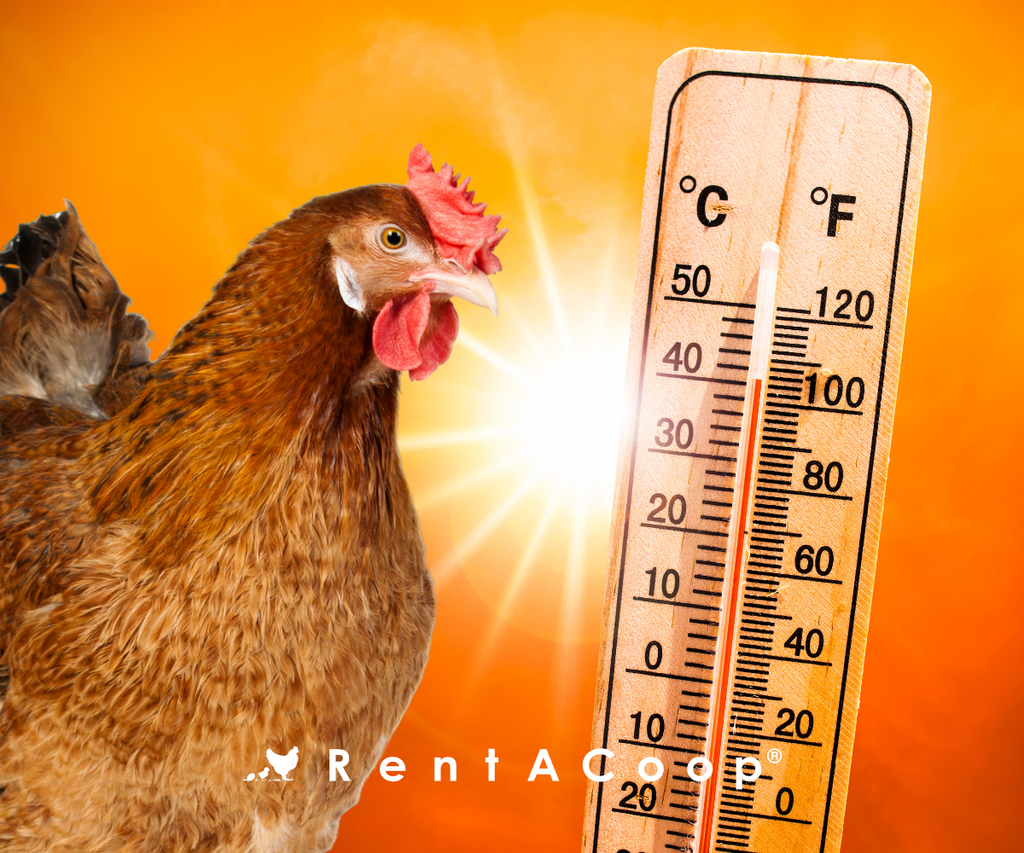
Can chickens survive 100 degree weather? If you keep chickens or are thinking about it, this question might be on your mind.
High heat can be tough on these birds, and you want to make sure your flock stays safe and healthy. You’ll discover how extreme heat affects chickens and what simple steps you can take to protect them. Keep reading to learn what every chicken owner needs to know to beat the heat and keep your birds comfortable when the temperature soars.
Chickens And Heat Tolerance
Chickens can handle heat better than you might expect, but 100-degree weather pushes their limits. Understanding their heat tolerance helps you keep them safe and comfortable during scorching days. Let’s look at how chickens deal with high temperatures and what signs show their stress levels.
How Chickens Regulate Their Body Temperature
Chickens don’t sweat like humans. Instead, they cool down by panting and spreading their wings to release heat. You might notice your hens standing with wings slightly away from their bodies—that’s a natural way to stay cooler.
They also seek shade and reduce activity during the hottest hours. If you see your chickens panting heavily or drooping, they’re struggling to cope with the heat.
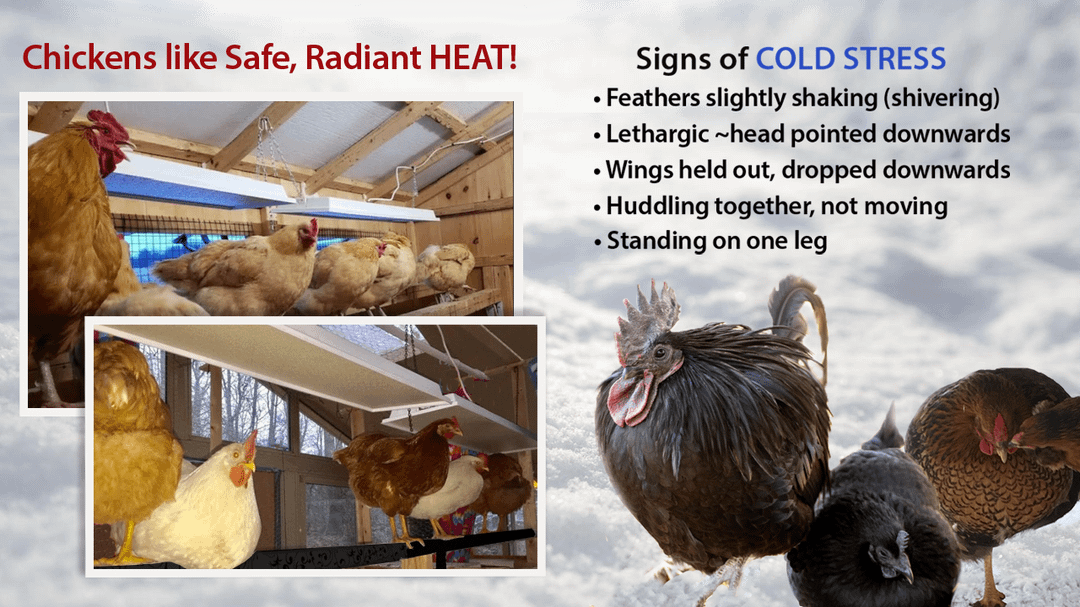
Signs Your Chickens Are Overheating
- Excessive panting and open-mouth breathing
- Reduced movement or lethargy
- Holding wings away from the body
- Decreased egg production
- Loss of appetite
Spotting these signs early can prevent heatstroke. Once, I noticed my chickens panting and acting sluggish during a heatwave, so I immediately added more water stations and shade. They recovered quickly because I acted fast.
Factors Affecting Heat Tolerance In Chickens
| Factor | Impact on Heat Tolerance |
|---|---|
| Breed | Some breeds like Leghorns handle heat better than heavy, fluffy breeds. |
| Feather Type | Light-feathered chickens stay cooler than thick-feathered ones. |
| Age | Young chicks and older hens are more vulnerable to heat. |
| Hydration | Access to fresh water is critical for cooling down. |
Knowing these factors helps you choose the right breeds and manage your flock carefully on hot days. Are your chickens showing signs of heat stress? Adjust their environment quickly to protect them.
Signs Of Heat Stress In Chickens
Heat stress in chickens is a serious concern when temperatures soar above 100 degrees. Recognizing the signs early can save your flock from severe health problems or even death. Pay close attention to their behavior and physical condition during hot days.
Rapid Breathing And Panting
Chickens don’t sweat like humans. Instead, they cool down by panting. If you notice your birds breathing quickly with their mouths open, it’s a clear signal they are struggling with the heat.
This heavy breathing helps them release body heat but also means they are under stress. Have you ever seen your chickens panting heavily and wondered if it’s normal? It’s not—this calls for immediate action.
Drooping Wings And Lethargy
Heat-stressed chickens often hold their wings away from their bodies to cool off. They also become less active and may sit down more often than usual. If your chickens look tired or sluggish, the heat might be overwhelming them.
Watch for a noticeable drop in their usual energy levels. This change can signal that they need cooler conditions and more water.
Decreased Appetite And Water Intake
During extreme heat, chickens may eat less but drink more water. However, if they stop drinking too, that’s a critical warning sign. Lack of appetite and water intake can quickly lead to dehydration and weakness.
Have you checked whether your chickens are drinking enough on hot days? Ensuring constant access to fresh water is essential.
Reddened Comb And Wattles
The comb and wattles of chickens help regulate their body temperature. Under heat stress, these parts can become bright red or even purple. This color change indicates increased blood flow as their bodies try to cool down.
If you see this, it’s time to provide shade and cool water immediately. Ignoring these signs can result in heat stroke.
Unusual Vocalizations And Restlessness
Heat-stressed chickens often make loud, unusual noises. They may also pace or move around nervously. These behaviors show discomfort and anxiety caused by excessive heat.
Listening to your flock can help you detect heat stress early. What sounds do your chickens make when they’re uncomfortable?
Creating A Cool Environment
Creating a cool environment helps chickens survive extreme heat. Chickens struggle in 100-degree weather without proper care. Keeping them cool prevents heat stress and health problems. Simple changes in their living space can make a big difference.
Providing Shade
Shade blocks direct sunlight and lowers temperature. Use trees, tarps, or shade cloths over the coop and run. Place feeders and waterers in shaded areas. Natural shade from plants also cools the ground and air around chickens.
Ventilation Techniques
Good airflow removes hot air and brings in fresh air. Open windows and vents in the coop help air move freely. Use wire mesh instead of solid walls where possible. Position the coop to catch any breeze for natural cooling.
Cooling Coops Efficiently
Use fans to improve air circulation inside the coop. Wet down the ground or roof to reduce heat through evaporation. Add cool water containers or frozen bottles near the coop. Keep the coop clean to avoid extra heat from waste buildup.
Hydration Strategies
Hydration is a lifeline for chickens during scorching 100-degree weather. Without enough water, they risk dehydration, heat stress, and even death. Understanding how to keep your flock well-hydrated can make all the difference in their health and comfort during extreme heat.
Ensuring Fresh Water Supply
Fresh water must be available to your chickens at all times, especially in hot weather. Check water containers multiple times a day to refill and clean them. Warm or stale water can discourage drinking, so try to keep water cool and fresh.
Placing waterers in shaded areas helps maintain a lower temperature. Using larger containers reduces how often you need to refill, but be sure water is still clean. Have extra water stations around the coop to prevent crowding and ensure all birds get access.
Electrolyte Solutions
Electrolytes help chickens maintain proper hydration and body functions under heat stress. Adding electrolyte powders or liquids to water can replace essential minerals lost through sweating and panting. This can boost energy and prevent muscle cramps.
Mix electrolytes according to the product instructions, and offer this solution for a day or two during heat waves. Watch how your flock responds—if they seem more active and drink well, you’re on the right track. Have you noticed your chickens avoid water during heat? Electrolytes might be the key to encouraging them to drink more.
Feeding Adjustments For Heat
Feeding chickens during extreme heat requires smart changes. Hot weather stresses birds and affects their eating habits. Proper food choices help keep chickens healthy and hydrated. Adjusting their diet supports their energy and prevents heat stress.
High-water Content Foods
Chickens need extra water in hot weather. Feeding foods with high water content helps them stay hydrated. These foods cool chickens down naturally and reduce thirst.
- Cucumber slices
- Watermelon pieces
- Zucchini chunks
- Lettuce leaves
- Peaches or melons
Offer these foods in small amounts throughout the day. They provide moisture and nutrients without overheating the birds.
Avoiding Heat-generating Feeds
Some feeds raise body temperature and stress chickens. Avoid heavy, protein-rich meals during hot days. Fatty and high-carb feeds also increase heat inside the bird.
- Limit corn and grain-heavy rations
- Reduce soybean meal and other high-protein feed
- Cut back on treats like nuts and seeds
- Offer lighter, balanced poultry pellets
Feed smaller portions more often instead of large meals. This lowers heat production and encourages steady eating.

Credit: www.reddit.com
Behavioral Changes To Watch
Chickens react to extreme heat in ways that can reveal their stress and discomfort. Watching for these behavioral changes helps you act quickly to protect their health. You might notice subtle signs before the heat becomes dangerous.
Increased Panting And Wing Spreading
Chickens don’t sweat like humans, so they pant to cool down. If you see heavy, rapid breathing combined with wings stretched out, they are trying to release body heat.
These signs mean your flock is overheating. You can help by providing shade and fresh water immediately.
Reduced Activity And Appetite
Hot weather often makes chickens less active. They may sit quietly, avoiding movement to conserve energy.
You might also notice they eat less. This drop in appetite can lead to weakness, so offering cool water and electrolyte solutions can keep them hydrated and nourished.
Seeking Cool Surfaces And Shade
Chickens will look for cooler spots, like shaded areas or damp ground. Watching where they gather can show you where your coop might be too hot.
If you find them crowding around one place, consider adding shade cloths or fans to those areas to improve airflow and comfort.
Changes In Vocalization
Listen to their sounds. Heat stress often leads to quieter clucking or unusual distress calls.
When your chickens are less vocal or making soft, labored sounds, it’s a sign they are struggling with the heat. Checking on them more frequently can prevent serious health issues.
Increased Drinking And Water Spillage
Chickens drink more water during heat spells but may also spill it while panting or trying to cool down.
Ensuring water containers are sturdy and refilled regularly can prevent dehydration. Have you noticed your chickens soaking their faces or splashing water around? This behavior signals they need better hydration strategies.
Preventative Health Measures
Preventative health measures are essential to help your chickens cope with extreme heat, especially when temperatures soar to 100 degrees or more. Keeping your flock healthy before heat stress hits can make a huge difference in their survival and comfort. Simple, consistent actions can protect your birds from heat-related illnesses and keep them thriving.
Regular Health Checks
Check your chickens daily for signs of heat stress like panting, lethargy, or drooping wings. Early detection allows you to act quickly before problems worsen. Pay close attention to their comb and wattles—if these areas turn pale or bluish, it could signal poor circulation due to heat.
Make it a habit to examine their feet and legs too, as hot surfaces can cause burns or discomfort. Keep a log of any unusual behavior or physical changes to track patterns over time. Have a vet on call or nearby for advice if you notice anything worrying.
Vaccination Considerations
Vaccines help prevent diseases that can weaken your chickens and reduce their ability to handle heat. Discuss with your vet which vaccinations are essential for your area and flock size. Timing matters—avoid vaccinating right before or during extreme heat spells, as vaccines can temporarily stress your birds.
Some vaccines require boosters; make sure you keep up with the schedule to maintain strong immunity. If you’ve experienced heat waves before, consider adjusting vaccination times to cooler parts of the year. This small change can improve how well your chickens respond to vaccines and stay healthy under heat stress.
Credit: rentacoop.com
Emergency Cooling Techniques
Extreme heat can be dangerous for chickens, especially when temperatures hit 100 degrees or more. You need quick and effective ways to help your flock stay cool and avoid heat stress. Emergency cooling techniques can make a huge difference in keeping your chickens safe and comfortable during scorching days.
Misting Systems
Misting systems spray a fine mist of water that cools the air around your chickens. This helps lower the temperature in their living area without soaking them, which is important since wet feathers can cause other problems.
I installed a misting system in my coop last summer, and the difference was clear. On days over 100 degrees, my chickens stayed active and calm instead of panting and lethargic. You can set up a simple misting system with a garden hose and fine mist nozzles, which are affordable and easy to maintain.
Consider placing the misting system near shaded areas so your chickens can choose when to cool off. Have you thought about how small changes like this can prevent heatstroke in your flock?
Cooling Mats
Cooling mats offer a direct surface for chickens to lie on and reduce their body heat. These mats absorb heat and provide a cooler spot in the coop or run. They are especially useful for older or weaker birds who may struggle to regulate their temperature.
One summer, I placed a cooling mat in the coop, and my hens immediately claimed it as their favorite resting spot. You can find mats made from gel or other cooling materials, which don’t require electricity and stay cool for hours.
Think about adding cooling mats to your setup as an easy, low-maintenance way to help your chickens beat the heat. How might your flock react if they had a cool place to rest during the hottest part of the day?
Community And Expert Resources
Community and expert support plays a key role in keeping chickens safe in hot weather. Sharing knowledge and getting advice helps poultry owners provide the best care. Accessing trustworthy information reduces risks during extreme heat.
Connecting With Other Poultry Owners
Joining local or online groups brings together chicken keepers facing similar challenges. Members share tips on cooling methods and feeding during heatwaves. Conversations often include:
- How to spot signs of heat stress
- Effective shade and ventilation setups
- Best hydration practices
- Home remedies and quick fixes
These communities offer support and encouragement. Learning from others’ experiences improves your flock’s chances.
Consulting With Veterinarians
Veterinarians provide expert advice tailored to your chickens’ health. They help identify heat-related illnesses early. Regular check-ups prevent serious problems during hot days.
Vets suggest safe cooling techniques and dietary changes. They guide proper medication or treatments if needed. Trusting professional guidance ensures your chickens stay healthy and comfortable.
Credit: chickenwhisperermagazine.com
Frequently Asked Questions
Can Chickens Tolerate 100 Degree Weather?
Chickens can survive 100 degree weather but need proper care. They require shade, fresh water, and ventilation to avoid heat stress. Without these, they risk dehydration and heatstroke, which can be fatal.
How Do Chickens Stay Cool In Extreme Heat?
Chickens cool down by panting, spreading wings, and seeking shade. Providing fans, misting systems, and cool water helps them regulate body temperature effectively during hot days.
What Signs Show Chickens Are Overheated?
Overheated chickens pant heavily, droop wings, and become lethargic. They may also stop eating and drink more water. Early detection helps prevent serious heat-related illnesses.
Is It Safe To Keep Chickens Outdoors In 100°f?
It is safe if chickens have shade, water, and airflow. Avoid direct sun exposure during peak heat hours. Providing cool resting areas is essential for their health.
Conclusion
Chickens can survive in 100-degree weather with proper care. They need shade, fresh water, and good ventilation. Overheating can cause serious health problems. Watch for signs of heat stress like panting or lethargy. Provide cool areas for them to rest.
Regularly check their water supply to keep it cool and clean. Simple steps can help chickens stay safe and healthy in hot weather. Taking these actions protects your flock and keeps them comfortable. Heat is tough, but chickens can manage it well with your help.


