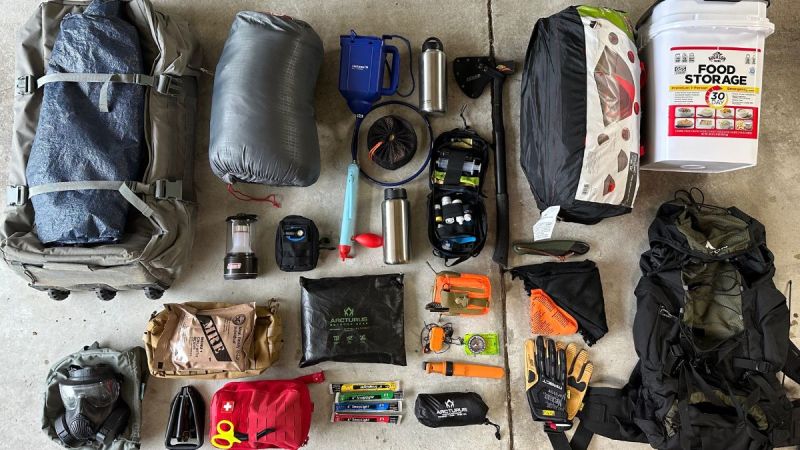
Imagine facing an emergency without the right tools at your side. Would you know what to grab first?
Your survival kit can make all the difference when unexpected situations arise. But what exactly should you put in a survival kit to be fully prepared? This guide will help you build a kit that keeps you safe, comfortable, and ready for anything.
Keep reading, because the right items could save your life when it matters most.
Essential Items For Water And Hydration
Water is the most critical resource you need in any survival situation. Without clean, safe water, your chances of staying healthy and alert drop quickly. Knowing exactly what to pack for hydration can save your life and keep your energy up when you need it most.
Portable Water Filters
Portable water filters remove bacteria, parasites, and dirt from natural water sources. They let you drink from rivers, lakes, or streams without worrying about harmful contaminants. Look for lightweight filters that are easy to carry and simple to use, like pump filters or straw-style filters.
I once relied on a compact pump filter during a weekend hike, and it gave me peace of mind knowing I had access to clean water anywhere. Could you imagine trekking miles without a reliable filter? It’s a must-have for any serious survival kit.
Water Purification Tablets
Water purification tablets are a lightweight, space-saving way to disinfect water. They kill viruses and bacteria that filters may miss. Tablets are perfect as a backup when you can’t carry bulky gear or if your filter breaks.
Keep in mind that purification tablets need time to work—usually 30 minutes to an hour—so plan ahead. Have you ever been caught without clean water and no way to purify it? Tablets can be the difference between dehydration and staying hydrated.
Collapsible Water Containers
Collapsible water containers save space when empty but hold plenty of water when filled. They’re easy to pack, lightweight, and can be attached to your pack or belt. These containers allow you to carry more water from a source back to your camp or shelter.
Choosing BPA-free, durable materials ensures your water stays safe and your container lasts through tough conditions. Imagine having a flexible container that fits in your bag but holds a full gallon once expanded—how much easier would your trip be?
Food Supplies For Sustenance
Food is a critical part of any survival kit. It keeps energy levels up and helps maintain strength. Choosing the right food supplies ensures you stay nourished during emergencies. Focus on items that last long and require little preparation.
Non-perishable Food Items
Non-perishable foods last for months or years without spoiling. They are essential for survival kits because they do not need refrigeration. Examples include canned beans, dried fruits, and rice.
- Canned vegetables and meats
- Dried pasta and grains
- Powdered milk and soups
- Freeze-dried meals
Choose foods with high nutritional value and low water content. Check expiration dates regularly and replace items when needed.
Energy Bars And Snacks
Energy bars provide quick calories and keep hunger at bay. They are lightweight and easy to carry. Snacks like nuts and seeds offer healthy fats and protein.
- Granola bars
- Protein bars
- Trail mix with nuts and dried fruits
- Peanut butter packets
Pick bars with natural ingredients and avoid those with too much sugar. Keep a variety for different taste preferences.
Cooking Equipment
Having basic cooking tools helps prepare meals safely. Choose compact and durable items that fit your kit size. A portable stove or small camping burner works well.
- Lightweight pot or pan
- Reusable utensils and a can opener
- Firestarter or waterproof matches
- Collapsible water container
Consider fuel options and how easy it is to use the equipment outdoors. Clean and dry tools after use to prevent damage.
Tools For Shelter And Warmth
Having the right tools for shelter and warmth can make a huge difference in a survival situation. These items help you stay protected from harsh weather and maintain your body heat. Let’s look at some essentials that won’t weigh you down but will keep you safe and comfortable.
Emergency Blankets
Emergency blankets are compact and lightweight, making them easy to carry anywhere. They reflect your body heat back to you, which helps prevent hypothermia in cold conditions. I once used one during a sudden cold night hike, and it surprisingly kept me warm enough to wait safely for rescue.
These blankets can also serve as ground covers or rain shields, adding versatility to their value. Always pack one or two—having extras can help cover more than one person or protect gear.
Compact Sleeping Bags
Compact sleeping bags provide more comfort and warmth than emergency blankets, especially for extended stays outdoors. Look for sleeping bags rated for the lowest temperature you might face. I recommend mummy-style bags because they trap heat better and reduce bulk.
Choose bags that compress into small sacks for easy storage. Even if you’re just planning a day trip, having a compact sleeping bag can turn an unexpected overnight into a bearable experience.
Portable Tents
Portable tents offer shelter from rain, wind, and insects, giving you a private and secure space to rest. Modern tents are designed to be lightweight and quick to set up, which saves time and energy in emergencies. Think about a tent with a rainfly and proper ventilation to avoid condensation buildup inside.
When packing your survival kit, consider a tent that matches the climate and terrain you expect. A tent can be your best defense against the elements, but only if it’s easy to carry and set up when you need it most.
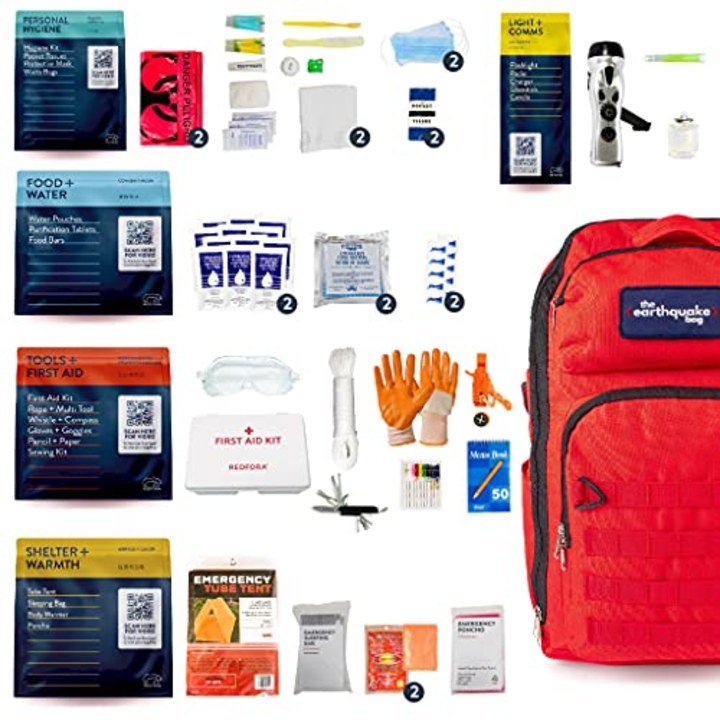
Credit: www.nbcnews.com
First Aid And Medical Essentials
First aid and medical essentials are critical in any survival kit. They help treat injuries and prevent infections. Having the right supplies can save lives and ease pain during emergencies.
Basic medical items allow quick response to cuts, burns, and scrapes. Medicines ease pain and reduce fever. Clean supplies stop germs from spreading.
Basic First Aid Kit
A basic first aid kit should include essential tools and supplies. These items help manage common injuries safely and effectively.
- Adhesive bandages in various sizes
- Sterile gauze pads and adhesive tape
- Elastic bandages for sprains
- Scissors and tweezers
- Disposable gloves to avoid infection
- Thermometer for checking fever
- CPR face shield for emergencies
Prescription Medications
Include any daily medications needed by your family members. Keep them in original containers with clear labels.
Store extra doses and a list of medicines with instructions. This helps if you need medical help or replacements.
- Asthma inhalers
- Blood pressure pills
- Allergy medications
- Insulin or diabetic supplies
Antiseptic Wipes And Bandages
Antiseptic wipes clean wounds and reduce infection risk. Use them before applying bandages or ointments.
Bandages protect wounds and help them heal faster. Choose waterproof types for better protection.
- Antiseptic wipes or pads
- Antibiotic ointment tubes
- Various sizes of adhesive bandages
- Sterile dressings for larger wounds
Navigation And Communication Tools
Navigation and communication tools are vital for survival kits. They help you find your way and stay connected. These tools increase safety and improve chances of rescue. Simple, reliable gear works best in emergencies.
Compass And Maps
A compass guides you through unknown areas. It points to magnetic north, helping maintain direction. Maps show terrain and landmarks. Together, they prevent getting lost. Choose waterproof maps and a sturdy compass. Practice using them before an emergency.
Emergency Whistle
An emergency whistle is a loud, simple signal device. It can alert rescuers to your location. Whistles use less energy than shouting. Use short blasts to communicate distress. Keep the whistle easily accessible in your kit.
Two-way Radios
Two-way radios allow instant voice communication. They work without cell service or internet. Radios can cover several miles depending on terrain. Choose compact, durable models with long battery life. Learn basic operation and keep spare batteries ready.
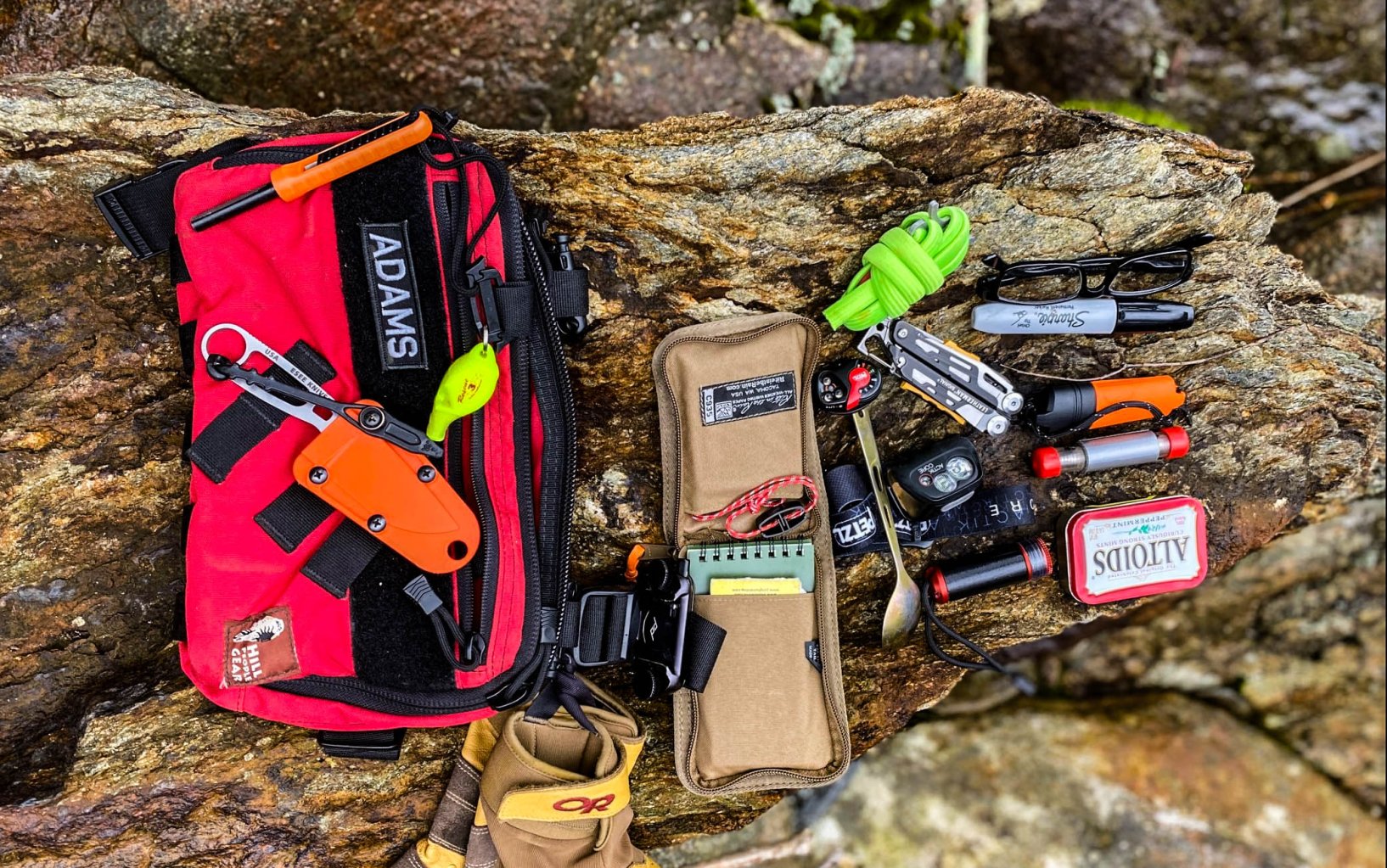
Credit: www.outdoorlife.com
Lighting And Power Sources
Lighting and power sources are essential in any survival kit. They help you see in the dark and keep your devices running. Without light, simple tasks become difficult and dangerous. Power sources keep communication devices alive for help or information. Prepare for different situations with reliable lighting and energy tools.
Flashlights And Batteries
Flashlights are a must-have for clear, bright light. Choose LED flashlights for longer battery life and brightness. Carry extra batteries in your kit to keep the flashlight working. Store batteries in a waterproof container to avoid damage. Test your flashlight regularly to ensure it works when needed.
Solar Chargers
Solar chargers use sunlight to recharge your devices. They are lightweight and eco-friendly. Perfect for long-term survival or when power is unavailable. Pick a solar charger with USB ports for phones and small gadgets. Keep it in your kit to recharge batteries or power banks anytime.
Candles And Matches
Candles provide steady light and some warmth. Use unscented candles to avoid attracting insects. Store matches in a waterproof case to keep them dry. Consider windproof or stormproof matches for harsh weather. Candles and matches are simple, reliable light sources for emergencies.
Personal Safety And Protection
Personal safety and protection are key in any survival kit. They help you stay safe in risky situations. Being prepared can make a big difference. It can keep you calm and ready to act fast.
Multi-tool Or Knife
A multi-tool or knife is essential for survival. It serves many purposes like cutting, opening, and fixing. Choose a strong, sharp blade. Look for one that fits comfortably in your hand. A good tool can help with food preparation and building shelter.
Pepper Spray
Pepper spray is a compact way to defend yourself. It can stop an attacker or wild animal quickly. Carry it in an easy-to-reach spot. Check local laws about carrying pepper spray. It does not need much space but offers strong protection.
Fire Starters
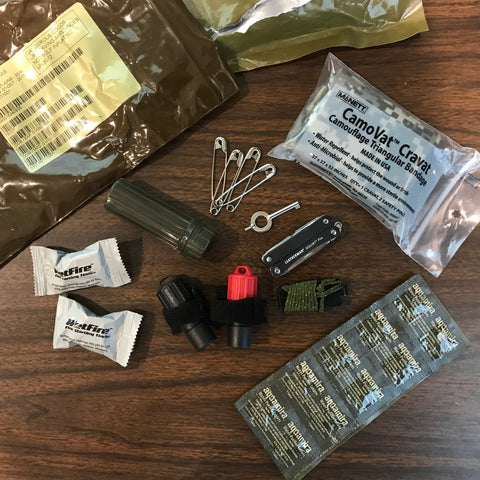
Fire starters are crucial for warmth and signaling. They help you make fire even in bad weather. Include waterproof matches, a lighter, or a magnesium fire starter. Fire provides light, heat, and a way to cook food. It also keeps animals away and lifts your spirits.
Clothing And Personal Items
Choosing the right clothing and personal items is vital for any survival kit. These items protect your body, keep you comfortable, and help maintain health. Pack smart to stay safe in tough situations.
Weather-appropriate Clothing
Clothing must match the climate you expect to face. For cold weather, pack insulated jackets, thermal shirts, and wool socks. In hot climates, choose lightweight, breathable fabrics that protect from the sun. Waterproof outerwear helps in wet conditions. Layering clothes allows easy adjustment to changing temperatures.
Sturdy Footwear
Good shoes prevent injuries and support long walks. Choose boots or shoes with strong soles and ankle support. Waterproof and breathable materials are best for mixed weather. Always include extra socks to keep feet dry and blister-free.
Hygiene Products
- Travel-sized toothbrush and toothpaste
- Biodegradable soap
- Sanitary wipes and hand sanitizer
- Small towel or washcloth
- Feminine hygiene products
- Basic first aid items like bandages
Keeping clean helps prevent illness and improves comfort. Pack only essential hygiene items to save space and weight.
Important Documents And Cash
Important documents and cash are essential in a survival kit. They help prove your identity and allow you to access services quickly. Having these items organized saves time during emergencies.
Identification Papers
Keep copies of your ID cards, passports, and driver’s licenses. These documents confirm who you are. Store them in a waterproof folder to protect from damage. Include any medical cards or insurance papers too.
Emergency Contacts
Write down phone numbers of family, friends, and doctors. Include local emergency services and shelters. Keep a printed list so you can reach help if your phone dies or is lost.
Cash And Credit Cards
Carry some cash in small bills for quick purchases. Credit cards offer backup if cash runs out. Keep cards in a secure, waterproof case. Avoid carrying too much money to reduce risk of loss.
Extras For Comfort And Morale
Extras for comfort and morale can make a big difference during tough times. These items help keep spirits up and minds calm. They provide a sense of normalcy and reduce stress. Including a few thoughtful extras in your survival kit can improve your overall experience.
Books Or Games
Books offer a mental escape and keep boredom away. Choose small, lightweight books or e-readers with saved content. Games like cards or travel-sized puzzles are fun and easy to carry. They encourage social interaction and help pass the time.
Notepad And Pen
A notepad and pen are simple but valuable tools. Use them for writing notes, making plans, or drawing. They help keep track of important information. Journaling also provides a way to express thoughts and feelings.
Comfort Items
Comfort items bring a sense of safety and familiarity. Soft cloth, a small blanket, or a favorite photo can soothe nerves. A small pillow or eye mask helps improve rest. These items remind you of home and ease tension.

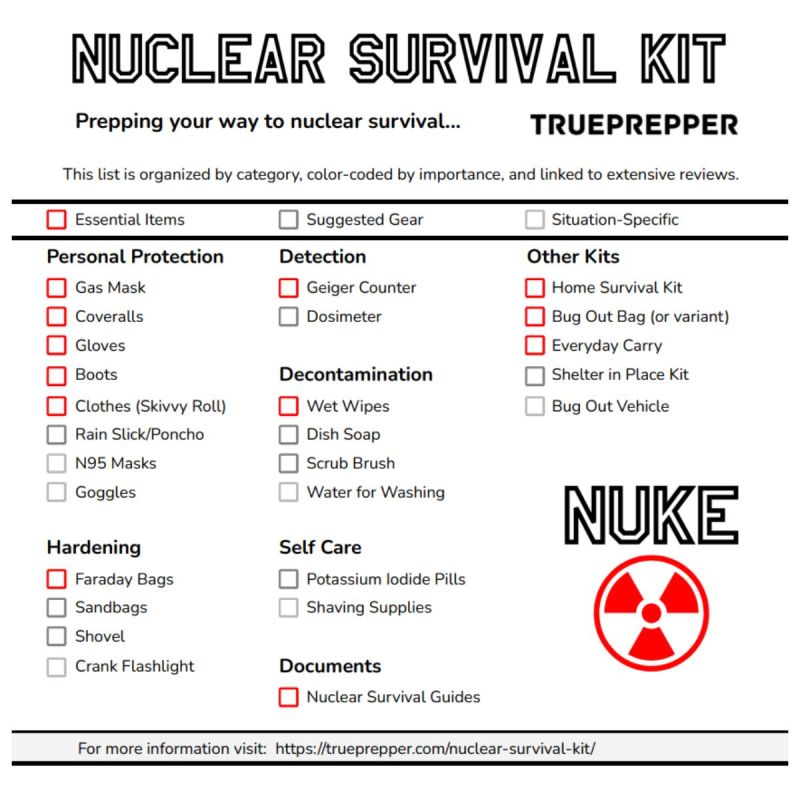
Credit: trueprepper.com
Frequently Asked Questions
What Are The Essential Items In A Survival Kit?
Essential items include water, non-perishable food, first aid supplies, a multi-tool, flashlight, and matches. These basics ensure safety, hydration, and the ability to signal for help.
How Much Water Should A Survival Kit Contain?
A survival kit should have at least one gallon of water per person per day. This amount meets hydration needs for drinking and basic hygiene.
Why Include A First Aid Kit In A Survival Kit?
A first aid kit treats injuries and prevents infections. It includes bandages, antiseptics, pain relievers, and necessary medications for emergencies.
What Tools Are Best For A Survival Kit?
Multi-tools, knives, fire starters, and whistles are vital. These tools help with shelter building, food preparation, and signaling rescuers effectively.
Conclusion
A well-packed survival kit can save your life in emergencies. Include water, food, first aid, and tools for safety. Keep your kit updated and easy to carry. Think about your needs and environment when choosing items. Being prepared brings peace of mind and confidence.
Start building your kit today and stay ready for the unexpected. Small steps can make a big difference in survival. Stay safe, stay prepared.