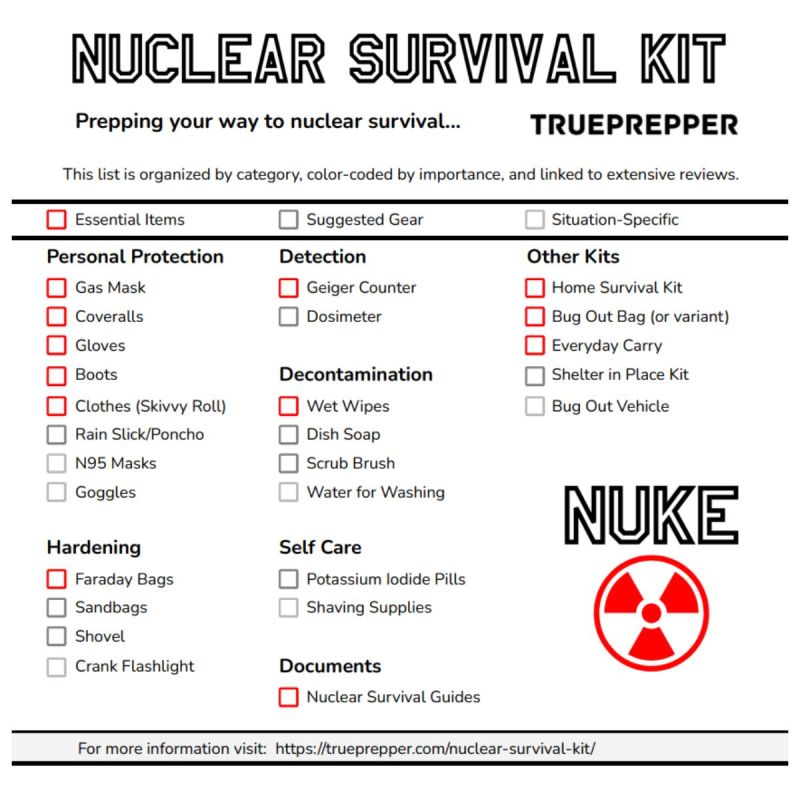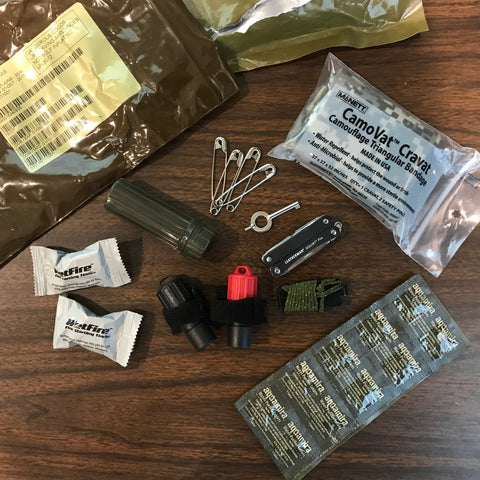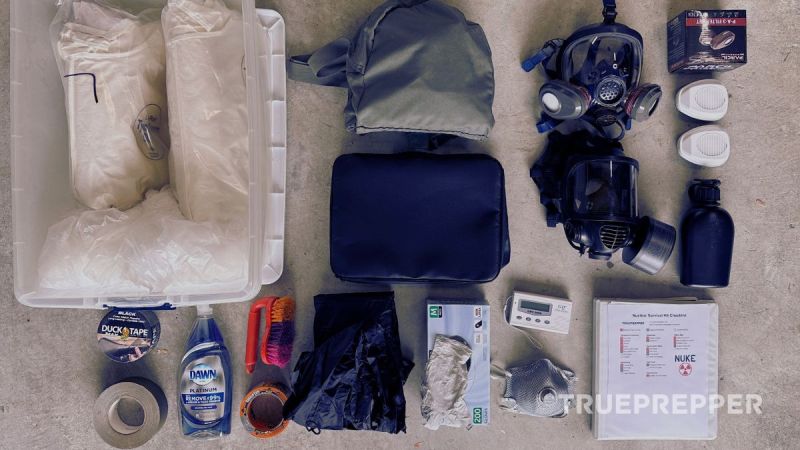
Imagine facing a sudden nuclear emergency. What would you grab to keep yourself and your loved ones safe?
Having the right items in your nuclear survival kit can make all the difference between chaos and calm. You need more than just food and water—you need tools that protect, sustain, and help you navigate through the worst. Keep reading to discover exactly what essentials you must include in your kit to be truly prepared.
Your safety depends on it.
Water And Purification
Water is the most critical resource in any nuclear survival kit. Without clean, safe drinking water, your chances of staying healthy and alert drop dramatically. You need not only to store water but also to ensure you can purify it if your supply runs out or becomes contaminated.
Portable Water Filters
Portable water filters are lifesavers when you face uncertain water sources. They remove bacteria, protozoa, and sometimes viruses, making almost any water safe to drink. Choose filters that are lightweight and easy to use—your survival situation won’t be the time to wrestle with complicated gear.
Some filters use ceramic elements, while others rely on activated carbon or hollow fiber membranes. Think about your environment; if you expect chemical contaminants, look for filters with chemical absorption capabilities. Have you ever tried using a simple straw filter? It’s surprisingly effective and fits right in your pocket.
Water Storage Containers
Storing enough water is as important as purifying it. You want containers that won’t leak, won’t break easily, and are easy to carry. Collapsible water pouches save space, while rigid containers like BPA-free bottles are durable and reusable.
Consider containers with wide mouths—they make filling and cleaning easier. Label your containers with the date you filled them to keep track of freshness. Do you have enough containers to store at least one gallon per person per day for a week? That’s a good target to aim for.

Credit: trueprepper.com
Non-perishable Food
Non-perishable food is essential for a nuclear survival kit. These foods last long without refrigeration. They provide energy and nutrition during emergencies. Choose items that store well and require minimal preparation. Focus on variety to keep meals balanced and satisfying.
Canned Goods
Canned goods offer a reliable food source. They include vegetables, beans, meats, and soups. These items have a long shelf life, often years. Cans protect food from contamination and spoilage. Look for low-sodium and ready-to-eat options. Store cans in a cool, dry place to maximize freshness.
Energy Bars
Energy bars are compact and easy to carry. They provide quick calories and nutrients. Choose bars rich in protein, fiber, and healthy fats. They require no cooking or water. Great for immediate energy in stressful situations. Keep a variety of flavors to prevent taste fatigue.
Freeze-dried Meals
Freeze-dried meals are lightweight and nutrient-dense. They retain most vitamins and minerals. These meals only need water to prepare. Ideal for longer-term survival scenarios. Store packets in airtight containers to avoid moisture. Rotate supplies regularly for best quality.
Protective Gear
Protective gear is your first line of defense in a nuclear survival situation. It shields your body from harmful radiation, toxic particles, and dangerous debris. Without the right gear, your chances of staying safe drop dramatically.
Gas Masks
A good gas mask filters out radioactive dust and airborne toxins. Choose one with a high-quality filter rated for nuclear fallout. Make sure it fits snugly—air leaks around the edges make it useless.
Have you tested your mask’s seal? Practice wearing it daily to build comfort and speed in emergencies. Remember, a gas mask isn’t just for the face; it protects your lungs, which are most vulnerable to radiation particles.
Radiation Suits
Radiation suits help block harmful particles from contacting your skin. Look for suits made from durable materials designed for nuclear events, like Tyvek or specialized PVC coatings. These suits should be lightweight enough to move easily but tough enough to resist tearing.
Consider suits with built-in hoods and elastic cuffs to seal off entry points. Have you thought about layering suits for extra protection? This can reduce contamination and make decontamination easier after exposure.
Goggles And Gloves
Protecting your eyes and hands is often overlooked but crucial. Radiation particles and debris can cause severe injuries if they come into contact with your skin or eyes. Use tightly sealing goggles that don’t fog up, and gloves made from thick, resistant materials.
Look for gloves that allow some dexterity so you can handle tools and equipment without exposing your skin. Have you practiced working while wearing gloves? This small step can make a big difference when time is critical.
Shelter And Warmth
When preparing a nuclear survival kit, shelter and warmth are non-negotiable essentials. Your body needs protection from harsh elements and extreme temperatures, especially if you end up outdoors or in a damaged building. Without proper shelter and warmth, your chances of staying safe and healthy drop significantly.
Emergency Tents
Emergency tents provide quick, reliable protection from the environment. They are lightweight and compact, making them easy to carry in your survival kit. Look for tents made from durable, radiation-resistant materials that can block wind, rain, and dust.
Think about how you’ll set it up in a hurry—choose models with simple poles or pop-up designs. Can you imagine trying to pitch a complicated tent with limited light or while stressed? The easier, the better.
Thermal Blankets
Thermal blankets are lifesavers in extreme cold. They reflect body heat back to you, helping to prevent hypothermia. These blankets are incredibly compact and can fit in any survival kit without taking up much space.
Don’t underestimate their power—I’ve used one during a cold night outdoors, and it made a huge difference. Carry several to share warmth or to layer for extra insulation.
Sleeping Bags
A good sleeping bag can keep you insulated for hours, even in freezing conditions. Choose bags rated for low temperatures and made from materials that dry quickly to avoid moisture buildup. Some sleeping bags come with built-in heat retention technology, which adds extra safety.
Consider your local climate and pack accordingly; a sleeping bag perfect for summer won’t protect you in winter. Have you tested your sleeping bag in cold weather before relying on it? This can reveal hidden flaws before you need it most.
First Aid Supplies
First aid supplies are essential in a nuclear survival kit. They help treat injuries and illnesses caused by accidents or radiation exposure. Having the right medical items boosts your chances of staying healthy during emergencies. Prepare for common wounds, ongoing health needs, and specific radiation effects.
Basic Medical Kit
- Bandages and adhesive tape for cuts and scrapes
- Antiseptic wipes and ointments to prevent infection
- Gauze pads and sterile dressings for wounds
- Scissors and tweezers for removing debris
- Disposable gloves to keep hands clean
- Thermometer to check for fever
- Pain relievers like ibuprofen or acetaminophen
- Instant cold packs to reduce swelling
Prescription Medications
- Carry enough supply of daily medicines
- Include inhalers for asthma or breathing issues
- Bring any special medications prescribed by a doctor
- Store medicines in waterproof containers
- Keep a list of all medications and dosages
Radiation Sickness Treatments
- Potassium iodide tablets to protect the thyroid gland
- Anti-nausea medication for vomiting and dizziness
- Activated charcoal to reduce radiation absorption
- Oral rehydration salts to prevent dehydration
- Consult a medical professional for proper doses
Lighting And Power
Lighting and power are essential in a nuclear survival kit. Darkness can be dangerous. You need reliable light sources to navigate safely. Power tools and devices also require energy. Planning for these needs improves your chances of staying safe and informed.
Flashlights
Flashlights provide immediate, focused light in dark environments. Choose LED flashlights for longer battery life and brighter beams. Compact models fit easily in your kit. Carry extra bulbs or backup flashlights. Waterproof and shockproof designs work best in harsh conditions.
Solar Chargers
Solar chargers offer a renewable power source. They convert sunlight into electricity to charge devices. Compact and lightweight models are easy to carry. Place them in direct sunlight for best results. They help keep phones, radios, and flashlights powered without batteries.
Batteries
Batteries are critical for many survival tools. Stock up on various sizes like AA, AAA, and 9V. Store them in a cool, dry place to extend life. Rotate your battery supply regularly to avoid dead ones. Consider rechargeable batteries for cost and environmental benefits.
Communication Tools
Communication tools are vital in a nuclear survival kit. They help you send and receive messages when other systems fail. Staying connected can save your life and help others find you.
Choose tools that work without electricity or cell service. They must be simple and reliable. Small and lightweight options are best for easy carrying.
Two-way Radios
Two-way radios let you talk with others nearby. They do not rely on phone networks. Choose radios with a long battery life and clear sound. Keep extra batteries or a solar charger in your kit.
Pick models that can reach several miles. This range allows contact in most survival situations. Keep radios on low power to save energy.
Emergency Whistles
Emergency whistles make loud, sharp sounds to attract help. They need no batteries or maintenance. Carry one on a lanyard for quick access.
Whistles can alert rescuers or warn others of danger. Use short blasts to send signals. They are simple but effective communication tools.
Signal Mirrors
Signal mirrors reflect sunlight to send visual signals. They can be seen from miles away in clear weather. Carry a small, lightweight mirror with a sighting hole.
Use flashes of light to attract attention. Practice aiming before an emergency. Signal mirrors work well during the day and in open areas.

Credit: trueprepper.com
Navigation Aids
Navigation aids are essential in a nuclear survival kit because they help you find your way when familiar landmarks disappear or when electronic devices fail. Radiation can disrupt signals, and the environment might change drastically. Having reliable tools for navigation ensures you don’t get lost and can reach safety efficiently.
Maps And Compass
A detailed physical map of your area and a quality compass are must-haves. Maps don’t rely on batteries or signals, making them dependable when technology fails. A compass helps you maintain your direction even in poor visibility or unfamiliar terrain.
Keep your maps waterproof or store them in a protective case to prevent damage. Practice reading maps and using a compass before you need them. Have you ever tried navigating without any tools? It’s frustrating and dangerous—don’t let that happen in a crisis.
Gps Devices
GPS devices can be useful but shouldn’t be your only navigation tool. They need power and satellite signals, which might be unavailable after a nuclear event. Carry extra batteries or a solar charger to keep your GPS functional for as long as possible.
Choose GPS models known for durability and offline map capabilities. Some devices allow you to download maps in advance, so you can still navigate without internet access. Think about how you’ll verify your location if your GPS suddenly stops working—always have a backup plan.
Personal Hygiene Items
Keeping clean during a nuclear emergency isn’t just about comfort—it’s a vital part of staying healthy and preventing disease. Your survival kit should include personal hygiene items that help you maintain cleanliness even when water and facilities are limited. Think about what you would need to feel fresh and safe day after day in tough conditions.
Sanitation Supplies
Sanitation supplies are the backbone of hygiene in a survival situation. Pack items like heavy-duty garbage bags for waste disposal, disposable gloves to protect your hands, and sealable containers to store used materials safely. These tools help you manage waste without contaminating your shelter or environment.
Consider adding a small trowel or shovel for digging latrines if necessary. You don’t want waste piling up where you live—it invites germs and attracts pests. What’s your plan for managing waste if normal systems break down?
Toiletries
Basic toiletries keep you feeling human amid chaos. Include travel-sized toothpaste, toothbrushes, soap, and deodorant. Choose biodegradable soap to minimize environmental impact if you need to wash outside your shelter.
Don’t forget feminine hygiene products if they apply to you. These items are essential for comfort and health. How often would you want to refresh your routine if stuck in a confined space?
Wet Wipes
Wet wipes are a lifesaver when water is scarce. They’re perfect for quick clean-ups, wiping hands, face, and even surfaces. Pick unscented, antibacterial wipes to reduce skin irritation and kill germs effectively.
Keep a generous supply in your kit—one pack can make a huge difference in your daily hygiene routine. When was the last time a simple wipe made you feel instantly cleaner and more at ease?
Tools And Repair Kits
Having the right tools and repair kits in your nuclear survival kit can make a huge difference when you face unexpected challenges. These items help you fix broken gear, build shelters, and handle small emergencies. Every tool you add should be reliable, versatile, and easy to carry.
Multi-tools
A good multi-tool is like having an entire toolbox in your pocket. It usually includes pliers, knives, screwdrivers, and scissors—everything you might need for quick repairs or survival tasks.
Choose a multi-tool with sturdy construction and locking features for safety. Think about the last time you needed a screwdriver or a knife in a pinch—having one multi-tool saves space and weight compared to carrying separate tools.
Duct Tape
Duct tape is often called the most useful item in any survival kit, and for good reason. It can fix torn clothing, patch holes in tents, and even secure splints if you get injured.
Wrap a small roll tightly to prevent it from unraveling and keep it in a waterproof bag. Ask yourself: if your gear suddenly ripped, how quickly could you fix it without duct tape?
Rope And Cords
Strong rope or cords are essential for building shelters, securing items, or even creating makeshift stretchers. Paracord, in particular, is lightweight and incredibly strong, making it a top choice.
Keep at least 15-20 feet of rope in your kit. Remember, a simple length of rope can turn a dangerous situation into a manageable one by giving you the ability to tie, pull, or carry things safely.
Important Documents
Important documents are essential in a nuclear survival kit. They help prove your identity and access services quickly. Keep these papers safe and waterproof. Carry both original and digital copies on a secure USB or cloud service. These documents can make a big difference in an emergency.
Identification Papers
Identification papers show who you are. Include your passport, driver’s license, and birth certificate. These prove your identity to officials and aid workers. Keep extra copies in a sealed plastic bag. This protects them from water and damage.
Emergency Contacts
Emergency contacts list people to call if help is needed. Write down names, phone numbers, and addresses. Include neighbors, family, and local emergency services. This list helps rescuers reach your loved ones quickly. Keep a paper copy and save contacts in your phone.
Insurance Details
Insurance papers cover health, home, and vehicle damages. Store policy numbers, company names, and contact info. These documents speed up claims and support. Keep copies in your kit and save digital versions securely. Knowing your coverage helps in recovery after a crisis.
Cash And Barter Items
When preparing a nuclear survival kit, having cash and barter items can be crucial. In a post-disaster world, electronic payments might fail, and traditional banking systems could be inaccessible. Physical currency and trade goods become your lifeline for obtaining essentials and services.
Currency
Carry small denominations of cash in various currencies if possible. U.S. dollars, euros, and even local currency can retain value when electronic systems go down. Keep the bills crisp and unmarked to ensure they are accepted.
Consider including coins as well. They are durable and can be easier to divide for smaller trades. You never know when a few quarters or pennies might help you get what you need.
Ask yourself: How much cash do you realistically need without making yourself a target? Balancing enough for survival with keeping a low profile is key.
Trade Goods
Physical items that hold value for others can be more useful than cash alone. Think about essentials and comfort items that people will want when supplies run low.
- Batteries – Always in demand for radios and flashlights.
- Alcohol – Small bottles of spirits can serve both as disinfectants and trade items.
- Tobacco – For those who use it, this can be a valuable commodity.
- Chocolate and candy – These can boost morale and act as currency in bartering.
- Soap and hygiene products – Cleanliness becomes a priority in tough conditions.
From personal experience, having a few small trade goods saved me during a power outage scenario. Even simple items like toothpaste or bandages opened doors for barter when cash wasn’t accepted.
What non-cash items do you think others around you might value most? Preparing with this in mind gives you an edge when normal systems collapse.

Credit: ukpreppingshop.co.uk
Frequently Asked Questions
What Essential Items Go In A Nuclear Survival Kit?
A nuclear survival kit must include water, non-perishable food, a radiation detector, a first aid kit, and protective clothing. Also, add a flashlight, batteries, and a whistle for signaling. These items ensure safety and basic needs during nuclear emergencies.
How Much Water Is Needed In A Nuclear Survival Kit?
Store at least one gallon of water per person per day. This amount covers drinking and basic hygiene needs. Aim for a minimum three-day supply, but a two-week supply is ideal for nuclear disaster preparedness.
Why Include A Geiger Counter In A Survival Kit?
A Geiger counter detects radiation levels, helping you avoid contaminated areas. It ensures you stay safe by monitoring exposure in real-time. This device is crucial for making informed decisions during a nuclear emergency.
How Long Should Food Supplies Last In A Nuclear Kit?
Food supplies should last at least two weeks. Choose non-perishable, high-calorie items like canned goods and energy bars. This duration supports survival until help arrives or it’s safe to leave shelter.
Conclusion
A good nuclear survival kit saves lives and offers peace of mind. Include water, food, and a first aid kit for safety. Don’t forget a flashlight and a radio for information. Protective clothing and a mask help reduce radiation risks.
Plan ahead and keep your kit ready at all times. Being prepared means staying safe in uncertain situations. Small steps today can make a big difference tomorrow. Stay calm, stay ready, and protect yourself and your loved ones.