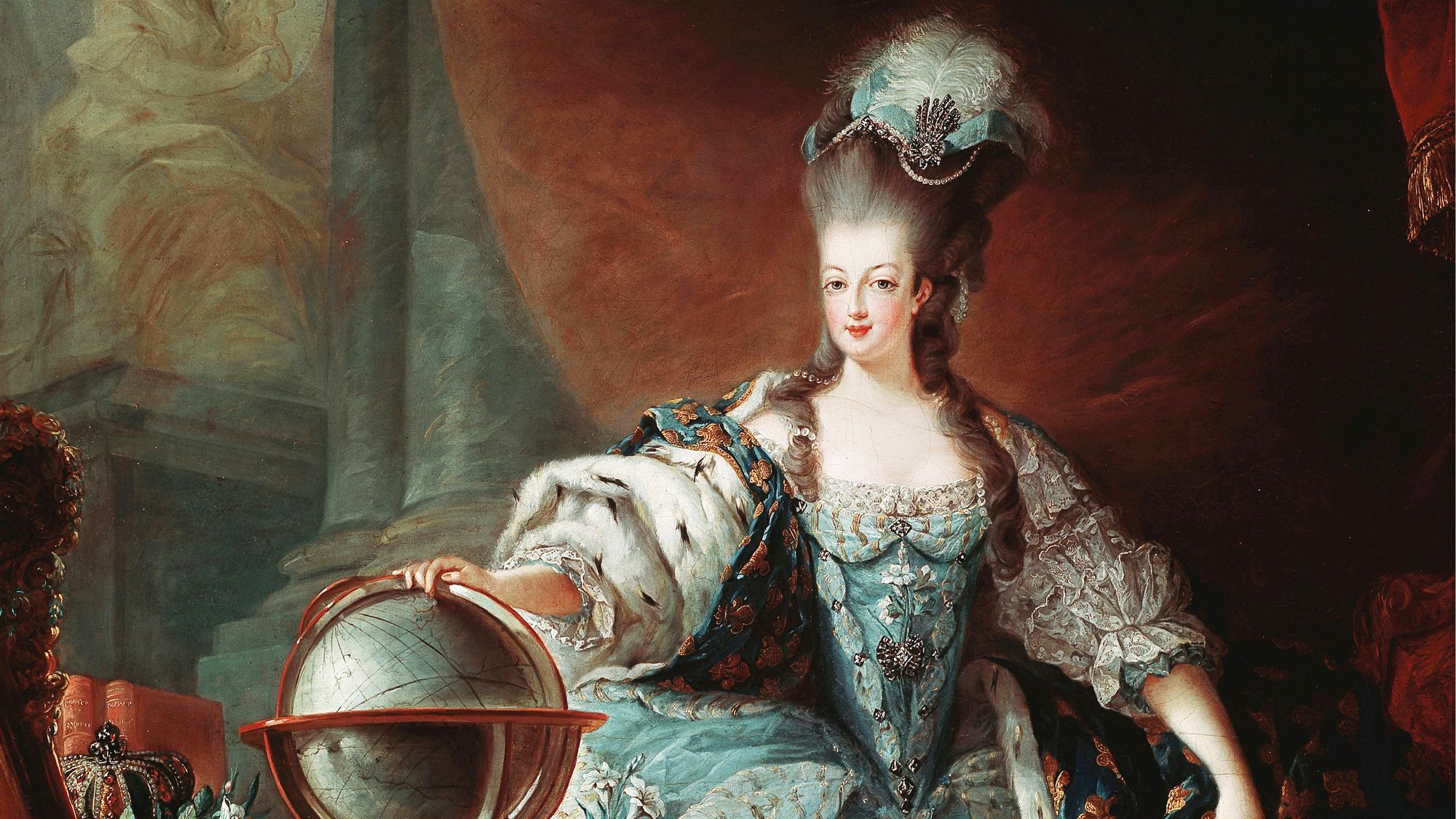
Have you ever wondered if any of Marie Antoinette’s clothes still exist today? The queen of fashion and scandal left behind a legacy wrapped in silk, lace, and mystery.
But can you see her actual dresses, or are they lost forever? Discover the surprising truth about the survival of her wardrobe—and what it reveals about history, style, and the woman behind the legend. Keep reading to uncover the secrets hidden in her fabric.
Credit: www.worldhistory.org
Marie Antoinette’s Iconic Style
Marie Antoinette’s style remains a fascinating topic for anyone interested in fashion history. Her choices weren’t just about looking elegant; they shaped trends across Europe. Understanding her iconic style helps you see how clothing can influence culture and power.
Fashion Influence In 18th Century
Marie Antoinette was more than a queen; she was a fashion leader who changed how people dressed. Her bold choices encouraged new fabrics, colors, and shapes in clothing. People copied her style, from the aristocracy to common citizens, showing how a single person’s taste can ripple through society.
Have you noticed how one person’s style can suddenly become a global trend? This was true in the 18th century, thanks to Marie Antoinette’s influence. She pushed boundaries that made fashion more playful and extravagant, which wasn’t common before her time.
Signature Garments And Accessories
Marie Antoinette loved wearing dresses with wide panniers that made her skirts look enormous. She often chose pastel colors and rich fabrics like silk and lace. Her signature look included elaborate hairstyles, often decorated with feathers, ribbons, and even tiny ships.
Her accessories also played a key role. She favored pearl necklaces, delicate gloves, and jeweled fans that completed her royal image. These details weren’t just for show; they reflected her personality and status.
- Wide pannier skirts to create volume
- Pastel silk fabrics and intricate lace
- Elaborate hairstyles with creative decorations
- Pearl jewelry and jeweled fans
Think about your own wardrobe. Which items define your style the way Marie Antoinette’s did for her? Her clothes and accessories were carefully chosen to send a message — what does your style say about you?
Preservation Of Historical Garments
Preserving historical garments like those of Marie Antoinette is a delicate task that requires both expertise and patience. These clothes carry stories from centuries ago, but their fragile fabrics and intricate designs make them vulnerable to damage. Understanding how these garments survive helps you appreciate the effort behind keeping history alive.
Challenges In Textile Conservation
Old textiles face many threats, such as fading, tearing, and insect damage. The natural fibers used in the 18th century, like silk and wool, weaken over time, making them prone to breaking.
Environmental factors like light, humidity, and temperature changes can accelerate deterioration. Have you ever noticed how clothes left in the sun lose color? Imagine how much harder it is to protect garments hundreds of years old.
Handling these pieces requires extreme care. Even a small mistake, like using the wrong cleaning method, can cause irreversible harm.
Techniques For Garment Preservation
Conservators use several careful techniques to protect these fragile fabrics.
- Controlled Environment:Garments are stored in dark, climate-controlled rooms to prevent light damage and control humidity.
- Supportive Storage:Clothes are laid flat or padded to avoid stress on the fabric and seams.
- Minimal Handling:Experts handle garments with gloves and limit movement to reduce wear.
- Cleaning and Repair:Only gentle, specialized cleaning is done, and repairs use materials that match the original to maintain authenticity.
Seeing Marie Antoinette’s dresses preserved in museums shows how these techniques keep history visible for you and future generations. What would it mean to you to touch a piece of clothing that once belonged to such a famous figure?
Existing Pieces Of Marie Antoinette’s Wardrobe
Marie Antoinette’s wardrobe once dazzled the courts of France. Few pieces have survived the test of time. The remaining garments provide a rare glimpse into 18th-century royal fashion. These relics tell stories of luxury, style, and history.
Surviving Dresses And Fabrics
Some original dresses of Marie Antoinette remain in existence today. These garments are fragile and delicate, showing signs of age. They feature fine silk, lace, and intricate embroidery. The fabrics reveal the craftsmanship of royal dressmakers. Patterns and designs reflect the tastes of the late 1700s. A few gowns still hold their shape but require careful preservation.
Exhibited Pieces In Museums
Several museums display parts of Marie Antoinette’s wardrobe. These exhibits attract visitors interested in history and fashion. Pieces include dresses, accessories, and fabric swatches. Museums in France and other countries hold these treasures. Exhibits often explain the clothing’s historical and cultural context. Seeing these garments in person connects us to a distant era.

Credit: thechroniclesofhumanity.com
The Legacy Of Marie Antoinette’s Fashion
Marie Antoinette’s fashion legacy is more than just the clothes she wore; it’s a story of influence that stretches far beyond the 18th century. While many of her original garments have not survived the ravages of time, her style continues to shape modern fashion and culture in surprising ways. Understanding her impact helps you see how history and fashion intertwine to inspire today’s trends and ideas.
Influence On Modern Fashion
Marie Antoinette’s bold choices still echo in the designs you see on runways and in stores. Her love for elaborate gowns, pastel colors, and intricate embroidery set a standard for elegance and extravagance. Designers often draw from her aesthetic to add a touch of drama and sophistication to contemporary collections.
Consider how ruffles, corsets, and floral patterns have made comebacks in recent years. These elements, popularized by Marie Antoinette, show up in everyday wear and high fashion alike. Have you noticed how some modern dresses mimic the softness and detail of 18th-century styles?
Cultural And Historical Significance
Marie Antoinette’s clothing tells a story about power, privilege, and the social changes of her time. Her fashion choices were not just about beauty but also about status and identity. They reflected the tensions between the monarchy and the public, which eventually led to major historical events.
Her wardrobe became a symbol in political debates and art, shaping how people understood royalty and rebellion. When you look at the remnants of her style in museums or fashion exhibits, you’re seeing more than fabric—you’re witnessing history. How does knowing this change the way you view your own clothing choices?
Myths And Legends Surrounding Her Attire
Marie Antoinette’s clothing has sparked many stories. People often mix fact with fiction. Myths about her dresses and style live on. These tales shape how we see her today. Some stories are wild, others believable. Understanding these myths helps us know the real Marie Antoinette better.
Rumors And Misconceptions
Many believe Marie Antoinette wore only expensive, lavish clothes. This idea comes from her royal status and the fashion of her time. Some say she spent huge sums on gowns daily. Others claim she owned hundreds of dresses. The truth is less extreme. She had a fine wardrobe but also faced limits like others in the court.
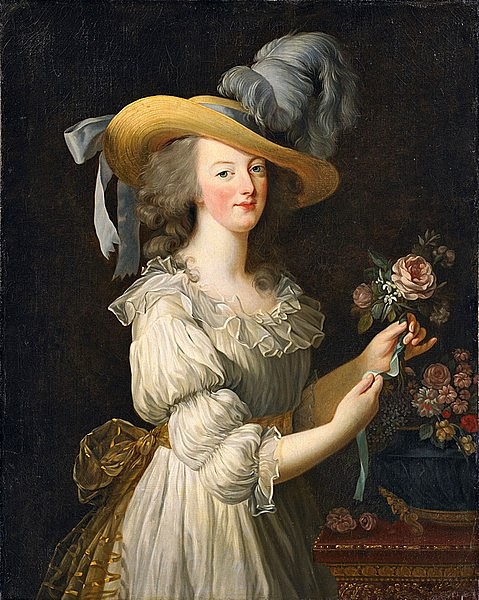
Another myth says she wore the famous “chemise à la reine” dress all the time. This simple white dress shocked the nobles. It looked too casual and plain for a queen. Yet, she wore it only in private moments, not at public events. The stories often exaggerate her fashion choices.
Popular Culture Representations
Books, movies, and plays often show Marie Antoinette in grand, sparkling gowns. These images shape public ideas of her style. Films highlight her as a fashion icon with endless ball gowns. Cartoons and comics sometimes make her look silly or vain. These portrayals mix truth with drama and fantasy.
Such portrayals affect what people believe about her attire. They also affect the myths about her clothes surviving today. The real garments are rare and fragile. Popular culture keeps her image alive, but not always accurate.

Credit: interestingfacts.com
Frequently Asked Questions
Do Any Original Clothes Of Marie Antoinette Survive Today?
Only a few garments and accessories believed to be Marie Antoinette’s survive. Most original clothing was lost or destroyed during the French Revolution. Some pieces are preserved in museums and private collections, offering rare insights into 18th-century royal fashion.
Where Can Marie Antoinette’s Clothes Be Seen?
Marie Antoinette’s surviving clothes are displayed in museums like the Palace of Versailles. These exhibits showcase her luxurious gowns and accessories, highlighting her extravagant style. Such collections provide valuable historical context and attract many fashion history enthusiasts.
Why Are So Few Of Marie Antoinette’s Clothes Preserved?
Most of Marie Antoinette’s clothes were destroyed during the French Revolution. The political turmoil and changing fashion trends led to the loss of many royal garments. Additionally, delicate fabrics from that era rarely survived intact over centuries.
What Materials Were Used In Marie Antoinette’s Dresses?
Marie Antoinette’s dresses were made from fine silks, lace, and brocade. These luxurious materials reflected her royal status and the fashion of the late 18th century. Her gowns often featured elaborate embroidery and delicate hand-sewn details.
Conclusion
Marie Antoinette’s clothes rarely survive today. Few original pieces remain in museums. Many were lost or destroyed over time. Some garments show her style and fashion taste. These clothes reveal much about her life and era. They help us understand history better.
We still feel her presence through these fabrics. Her fashion legacy lives on in stories and art. Exploring her wardrobe connects us to the past. It shows how fashion reflects power and identity.


