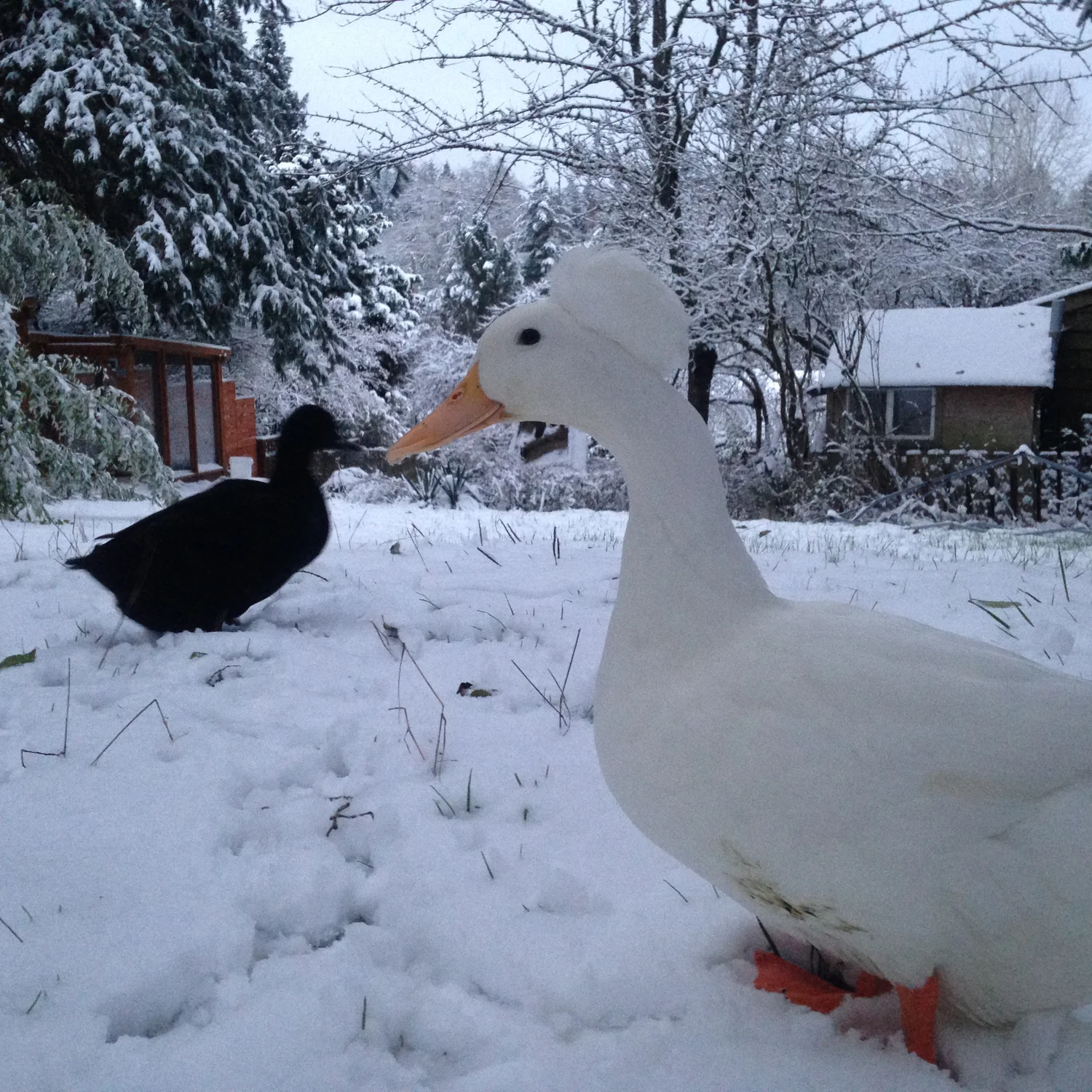
Have you ever wondered if ducks can survive freezing weather? When winter hits and temperatures drop, you might worry about the well-being of these feathered friends.
Can they really handle icy ponds and chilly winds? Understanding how ducks cope with cold can change the way you see them—and even help you support them better. Keep reading to discover surprising facts about ducks in freezing weather and learn what makes them tough against the cold.
Your curiosity about nature is about to be rewarded!

Credit: www.amanchourasia.in
Duck Adaptations To Cold
Ducks have evolved several smart ways to handle freezing weather. Their bodies are built to keep them warm and active even when temperatures drop sharply. Understanding these adaptations helps you see why ducks don’t just survive but often thrive in cold climates.
Insulating Feathers
Ducks have a special layer of feathers that traps air close to their skin. This air acts like a natural blanket, keeping the cold out and the warmth in.
The outer feathers are waterproof, thanks to oils ducks spread with their beaks. This waterproof layer stops ice and water from reaching their skin, which is crucial when they swim in icy water.
Unique Circulatory System
Ducks have a clever circulatory system that helps manage their body heat efficiently. Blood vessels in their legs are arranged to transfer heat from warm blood flowing from the body to the cold blood returning from the feet.
This system, called counter-current heat exchange, keeps their feet from freezing without losing too much body heat. Have you ever noticed how ducks can stand on ice without any discomfort? This is why.
Behavioral Changes
Ducks also change their behavior to stay warm. They tuck their bills under their wings and fluff up their feathers to trap more heat on cold days.
Sometimes, they huddle together in groups. This social behavior helps them share body heat and protect each other from harsh winds and cold.
Next time you see ducks in winter, watch closely. Their survival tricks are right there, showing you how nature solves the cold weather challenge.

Credit: www.youtube.com
Natural Habitats And Migration
Ducks have adapted to survive cold climates through their natural habitats and migration behaviors. Understanding where they choose to live during winter and how they travel helps explain their resilience to freezing weather. Their survival often depends on the balance between finding suitable habitats and the timing of their migration.
Preferred Winter Locations
Ducks look for areas that offer open water and abundant food during winter. These locations often include lakes, rivers, and coastal bays that do not freeze completely. You might notice that ducks gather in places with milder temperatures or where water stays liquid, such as thermal springs or urban parks with heated ponds.
Wetlands with dense vegetation provide shelter and protection from harsh winds. If you live near such habitats, you may see ducks staying put rather than migrating far. This choice helps them conserve energy and maintain body heat in freezing conditions.
Migration Patterns
Many ducks migrate to escape freezing temperatures and frozen water bodies. Their migration routes can stretch thousands of miles, often following traditional flyways that offer stopover points rich in food. You might wonder how ducks know the exact timing—it’s a mix of daylight changes and instinct.
Some duck species migrate during the night to avoid predators and conserve energy. Others travel in groups, which provides safety and helps them navigate. Watching these migrations can be fascinating and shows how ducks balance risk and survival.
Impact Of Climate Change
Climate change is shifting the patterns of duck migration and winter habitat availability. Warmer winters mean some ducks are staying longer in northern areas or skipping migration altogether. This change can affect their food supply and increase competition.
Rising temperatures also disrupt the timing of breeding and migration, creating mismatches with food availability. Have you noticed fewer ducks at your local pond or changes in their arrival times? These are signs that climate change is altering their natural rhythms and survival strategies.
Dietary Adjustments In Winter
As temperatures drop, ducks must adjust their diet to survive the harsh winter months. Their ability to find enough food and maintain energy is crucial during freezing weather. These dietary changes help them stay warm and active when the environment becomes less forgiving.
Foraging Strategies
Ducks change where and how they look for food in winter. Frozen ponds and snow-covered grounds make usual spots less accessible. You might see ducks spending more time dabbling in open water or digging through mud under ice to find hidden plants and insects.
They also become more opportunistic, feeding on whatever is available, including leftover grains from farms or human scraps. Have you noticed ducks near your local park searching in unusual places during cold days? This shift in behavior shows their adaptability to survive.
Changes In Food Sources
Winter cuts down the variety of food ducks can eat. Aquatic plants and small invertebrates become scarce under ice and snow. Instead, ducks rely more on seeds, roots, and any remaining vegetation that can withstand frost.
Some species even switch to eating more animal-based food like small fish or crustaceans when plant options are limited. Think about how your own diet changes when certain groceries aren’t available—ducks do the same to meet their needs.
Nutritional Needs
Cold weather increases ducks’ energy requirements. They need more calories to keep their body temperature up and fuel their daily activities. Fats and carbohydrates become especially important because they provide long-lasting energy.
Protein is critical, too, for repairing body tissues and maintaining muscle strength. Your backyard feeding habits can help ducks during winter—offering high-energy foods like cracked corn or sunflower seeds supports their survival in freezing conditions.
Human Impact On Duck Survival
Ducks face many challenges in freezing weather. Human actions often affect their survival chances. Our cities, parks, and habits shape their environment. Understanding these impacts helps protect ducks during cold months.
Urban Encroachment
Cities and towns grow quickly, reducing duck habitats. Wetlands and ponds shrink as land changes for buildings and roads. This leaves ducks fewer places to find food and shelter. Noise and pollution also disturb their natural routines. Ducks must adapt or move to survive in these changed areas.
Conservation Efforts
People work to save duck habitats and improve survival rates. Wetland restoration projects bring back essential homes for ducks. Protected areas give ducks safe spaces during harsh weather. Volunteers monitor duck populations to track health and numbers. These efforts help balance human growth with nature’s needs.
Feeding Practices
Many enjoy feeding ducks in parks and lakes. However, feeding bread or junk food harms ducks’ health. It can cause malnutrition and pollution in water. Better feeding includes seeds, grains, or duck pellets. Educating the public encourages smart feeding habits that support duck survival.
Common Misconceptions
Many people believe ducks cannot survive in freezing weather. This is not true. Ducks have natural ways to handle cold conditions. Understanding these facts helps clear up common myths about ducks and winter. Let’s explore some ideas people often get wrong.
Ducks And Freezing Water
Some think ducks avoid water when it freezes. Ducks can swim in icy water safely. Their feet have special blood flow that keeps them warm. Ice on ponds does not stop ducks from feeding or moving. They often stay near open water patches to survive cold days.
Overwintering Abilities
Ducks are built to live through winter. Their feathers provide strong insulation against cold air. Ducks fluff their feathers to trap heat close to their bodies. They also eat more to keep energy levels up. Many ducks migrate, but some stay and thrive in freezing weather.
Dependency On Human Intervention
People often think ducks need help to survive winter. Ducks do benefit from clean water and food, but they don’t depend on humans. Wild ducks find natural food like plants and small fish. Feeding ducks can help, but it is not always necessary for their survival.

Credit: www.tyrantfarms.com
Frequently Asked Questions
Can Ducks Survive In Freezing Weather Conditions?
Yes, ducks can survive freezing weather due to their waterproof feathers and insulating down. They regulate body heat and often stay active to maintain warmth.
How Do Ducks Stay Warm In Cold Temperatures?
Ducks fluff their down feathers to trap heat and use their webbed feet to reduce heat loss. They also huddle together for extra warmth.
Do Ducks Need Special Care During Winter?
Yes, ducks need access to unfrozen water and shelter from harsh winds. Providing extra food helps them maintain energy in freezing weather.
Can Frozen Water Harm Ducks In Winter?
Frozen water can limit ducks’ access to drinking and feeding. Ducks seek open water or use their strong bills to break thin ice.
Conclusion
Ducks handle cold weather better than many birds. Their feathers keep them warm and dry. They also have special feet that resist freezing. Ducks find food even when lakes freeze. They rest in groups to share body heat. Still, very harsh winters can be tough for them.
Giving ducks safe places helps them survive cold days. Watching ducks in winter shows how strong nature can be. They adapt well, but need care from us too.


