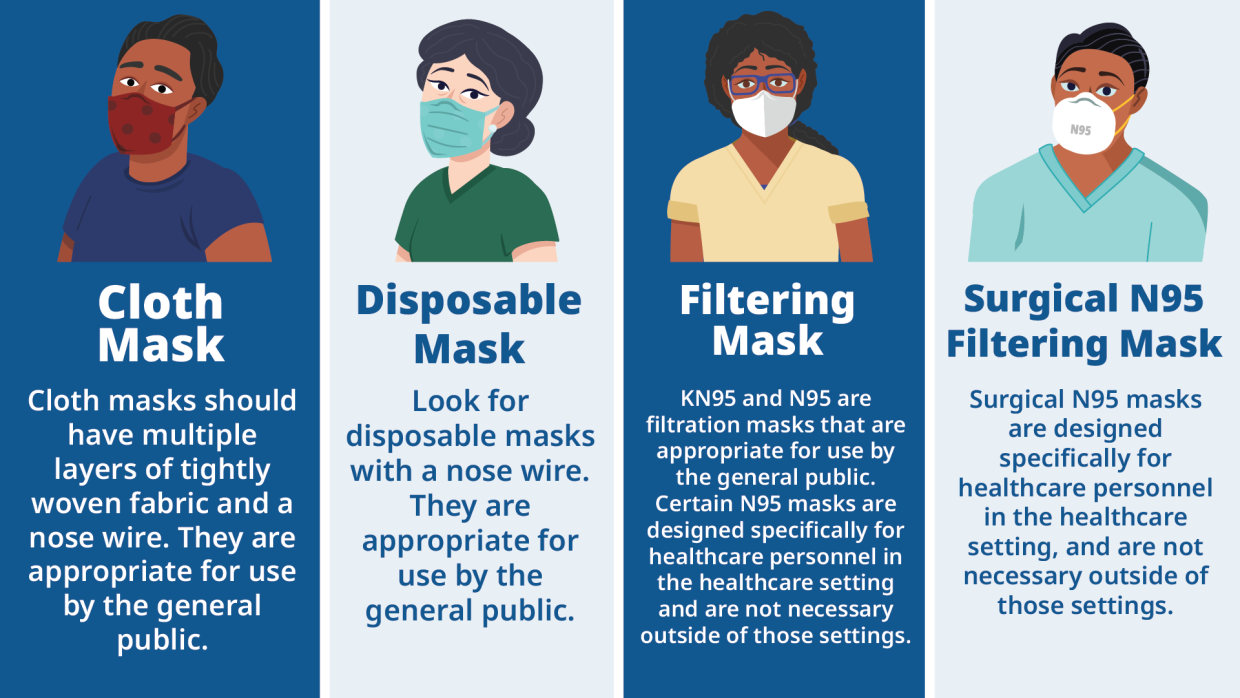
Have you ever wondered how long the coronavirus can stay on your clothes? You might touch your jacket, shirt, or pants and ask yourself if the virus is still there.
Knowing this can help you protect yourself and your loved ones better. You’ll discover how long the virus survives on different types of fabric and simple steps you can take to keep your clothes safe. Keep reading to learn what really matters when it comes to your clothing and COVID-19.

Credit: www.nebraskamed.com
Virus Transmission On Surfaces
Virus transmission on surfaces plays a key role in spreading infections. Viruses can survive on different materials for varying times. Clothes are common surfaces that come into contact with the virus daily. Understanding how long the coronavirus survives on fabrics helps reduce risks.
When a virus lands on a surface, it can stay active for hours or days. The survival depends on factors like fabric type, temperature, and humidity. Clothes made from natural fibers may hold the virus differently than synthetic fabrics. The virus’s ability to infect decreases over time as it dries out or breaks down.
How Viruses Spread Through Surfaces
Viruses spread when people touch contaminated surfaces. Then, they touch their face, eyes, nose, or mouth. This allows the virus to enter the body. Surfaces like clothes can carry the virus if exposed to droplets from coughs or sneezes. Careful handling of clothes can reduce the chance of infection.
Factors Affecting Virus Survival On Clothes
- Fabric type: Cotton, polyester, and blends behave differently.
- Temperature: Higher temperatures reduce virus survival time.
- Humidity: Dry environments can shorten virus lifespan.
- Exposure to sunlight: UV light can deactivate viruses.
Safe Practices To Reduce Transmission Risk
- Wash clothes regularly with soap and hot water.
- Avoid touching your face after handling worn clothes.
- Use gloves if caring for someone who is sick.
- Dry clothes completely in sunlight or a dryer.

Credit: famurgentcare.com
Factors Affecting Virus Longevity On Fabrics
Understanding how long the coronavirus can survive on clothes depends heavily on several key factors. These elements influence the virus’s ability to remain active and infectious, which in turn affects how cautious you need to be with your fabrics. Let’s break down these factors to help you manage risks effectively in your daily routine.
Material Type
The type of fabric plays a crucial role in virus survival. Smooth, non-porous materials like polyester or nylon tend to hold the virus longer because they don’t absorb moisture, allowing the virus to remain on the surface. In contrast, porous fabrics like cotton absorb moisture quickly, which can reduce the virus’s lifespan.
Think about your favorite hoodie or work uniform—synthetic blends might require more frequent washing or careful handling compared to natural fibers. Have you noticed some clothes feel dryer or more breathable? This difference isn’t just about comfort; it also affects how long viruses can linger.
Temperature And Humidity
Viruses generally survive longer in cooler, less humid environments. If you leave your clothes in a cold room, the virus may stay active for a longer period compared to a warm, humid setting. High temperatures and moisture can speed up the virus’s breakdown.
Consider how you store your clothes after a day out. Are they left in a damp basement or a sunny, warm room? These conditions matter more than you might think in reducing the risk of contamination on fabrics.
Exposure To Sunlight
Sunlight, especially ultraviolet (UV) rays, is a natural enemy of viruses. UV rays can damage the virus’s genetic material, rendering it inactive more quickly. Hanging clothes outside in direct sunlight can significantly lower the virus’s survival time.
Have you ever noticed how fresh and clean your clothes feel after drying in the sun? That’s not just about smell—it’s also about sunlight’s ability to help kill germs. This simple step can be a powerful tool in your hygiene routine.
Scientific Studies On Fabric Contamination
Scientific studies on fabric contamination provide valuable insights into how long the coronavirus can survive on different types of clothing. These investigations help us understand potential risks and guide safer handling of garments during the pandemic. But what exactly do these studies reveal about the virus’s lifespan on fabric surfaces?
Key Findings
Research shows that the coronavirus can survive on fabrics for a range of hours, depending on material type and environmental conditions.
- Cotton:Virus particles tend to die off faster, often within a few hours, due to the fabric’s porous nature.
- Polyester and synthetic blends:The virus may remain viable for up to 2 days, as these materials are less absorbent.
- Denser fabrics:Like denim, may harbor the virus longer, sometimes up to 3 days under ideal conditions.
Temperature and humidity also play a crucial role. Higher temperatures and sunlight exposure can significantly reduce virus survival time on clothes.
Limitations Of Current Research
Many studies are conducted in controlled lab settings, which may not fully represent real-life scenarios. This makes it hard to predict exactly how the virus behaves on clothing during daily activities.
Another limitation is that virus detection often relies on RNA fragments, which don’t always indicate infectious virus particles. So, presence on fabric doesn’t necessarily mean a high risk of transmission.
Have you considered how often you touch your clothes and then your face? Understanding the true risk requires more research on how contamination translates to infection. Until then, frequent washing and cautious handling remain your best defense.
Safety Measures For Clothing
Clothing can hold onto viruses like Corona longer than you might expect, making safety measures around your garments essential. Taking the right steps with your clothes not only protects you but also everyone around you. Let’s look at how you can handle your clothes safely to reduce any risk.
Effective Washing Techniques
Washing clothes properly is your first line of defense. Use the warmest water safe for the fabric—hot water kills viruses more effectively than cold. Adding a good detergent helps break down the virus’s outer layer.
Make sure to wash your clothes completely, not just a quick rinse. If you have protective gear like masks or uniforms, wash them after every use. Have you noticed how some fabrics hold water longer? Choosing breathable materials can also reduce virus survival.
Handling And Storage Guidelines
After washing, handle your clothes with clean hands to avoid recontamination. Store them in a dry, well-ventilated area away from direct sunlight, which can degrade fabric but also helps kill viruses.
Avoid piling dirty clothes in one spot for too long. Instead, use separate bags or bins for worn and clean clothes. You might want to keep your laundry area clean and disinfected regularly, too—think about how often you touch laundry baskets daily.
Use Of Disinfectants
Disinfectants can add an extra layer of protection for your clothes, especially if washing alone isn’t enough. You can add a disinfectant that’s safe for fabrics during the wash cycle or spray it on hard-to-clean items.
Be cautious with bleach or strong chemicals; they might damage your clothes or irritate your skin. Look for products labeled effective against viruses and safe for textiles. Would you consider disinfecting your clothes after going to crowded places? It’s a small step that can make a big difference.
Myths And Misconceptions
Many people have questions about how long the coronavirus can live on clothes. This topic often leads to confusion and false beliefs. Myths and misconceptions spread quickly, making it hard to know the truth. Separating fact from fiction helps keep you and others safe.
Common Misbeliefs
- The virus can live on clothes for weeks.
- Touching clothes always spreads the virus.
- Washing clothes is not necessary to kill the virus.
- Only certain fabrics carry the virus longer.
- UV light on clothes kills the virus instantly.
Clarifying Misinformation
Studies show the virus survives on fabric for a few hours to a couple of days. The exact time depends on the material and environment. Washing clothes with detergent and warm water removes and kills the virus.
Touching clothes is less risky than touching hard surfaces. The virus does not easily transfer from soft fabrics. Regular laundry and good hygiene reduce any risk of infection.
UV light can kill viruses but is not practical or safe for clothes at home. Focus on washing and drying clothes properly. This method provides real protection.
Credit: health.clevelandclinic.org
Expert Recommendations
Experts have studied how long coronavirus can survive on clothes. Their advice helps keep you safe every day. Follow these trusted recommendations to reduce risk and protect yourself and others.
Guidance From Health Authorities
Health organizations say the virus can stay on fabric for a few hours to days, depending on conditions. They stress cleaning clothes regularly and avoiding touching your face after handling worn garments.
- Wash clothes with detergent in warm water.
- Dry them completely using a dryer or sunlight.
- Use gloves if you handle dirty laundry from sick people.
- Do not shake clothes to avoid spreading particles.
Precautionary Steps For Everyday Life
Simple habits help limit virus spread through clothes. Change clothes after being in public places or close contact with others. Avoid sharing clothes and towels with others.
- Wash your hands before and after handling clothes.
- Use separate laundry baskets for clean and dirty clothes.
- Disinfect laundry area surfaces regularly.
- Wear a mask if you wash clothes of a sick person.
Frequently Asked Questions
How Long Can Coronavirus Survive On Clothes?
Coronavirus can survive on clothes for a few hours up to 2 days. The exact time depends on fabric type, temperature, and humidity. Porous fabrics like cotton reduce virus survival compared to synthetic materials. Washing clothes with detergent effectively removes and kills the virus.
Can Washing Clothes Remove Coronavirus Completely?
Yes, washing clothes with detergent and warm water effectively removes and kills coronavirus. Use water temperature of at least 60°C (140°F) for best results. Proper drying further reduces virus presence. Avoid shaking dirty laundry to prevent spreading the virus through the air.
Does Coronavirus Survive Longer On Synthetic Fabrics?
Coronavirus tends to survive longer on synthetic fabrics than natural fibers. Synthetic materials are less porous and retain moisture, allowing the virus to remain viable. Natural fabrics like cotton absorb moisture and help virus particles dry out faster, reducing survival time.
Is It Safe To Handle Clothes From Infected Persons?
Handling clothes from infected persons is generally safe with precautions. Wear gloves and avoid touching your face while handling. Wash the clothes immediately with detergent in warm water. Disinfect surfaces that the clothes touched to minimize infection risk.
Conclusion
Corona virus can stay on clothes for a few hours to days. The time depends on fabric type and conditions like heat and humidity. Washing clothes with soap and warm water helps kill the virus quickly. Avoid touching your face after handling worn clothes.
Keep good hygiene and clean your garments regularly. Staying careful reduces the chance of spreading the virus. Simple steps can keep you and others safer every day. Stay informed and follow health advice for best protection.


