Imagine facing an emergency and realizing you don’t have the right tools to stay safe. Would you know what to grab?
Making your own survival kit puts you in control, giving you peace of mind and readiness for any situation. You’ll discover simple steps to create a kit tailored to your needs. By the end, you’ll feel confident that you can handle unexpected moments with ease.
Keep reading—your safety might depend on it.
Choosing The Right Container
Choosing the right container for your survival kit is more important than many realize. It’s not just about holding your items; it’s about protecting them and making sure you can carry them easily when needed. A well-chosen container can save you time, space, and even your life.
Durability And Weather Resistance
Your container needs to withstand harsh conditions like rain, dust, and rough handling. Look for materials such as high-quality plastic, metal, or waterproof fabrics. I once used a flimsy bag that tore during a hike, making it impossible to keep my supplies dry—don’t let that happen to you.
Think about where you’ll store your kit. Will it be exposed to water or extreme temperatures? A waterproof and crushproof container ensures your gear stays safe no matter what.
Size And Weight Considerations
The container should be compact enough to carry comfortably but large enough to hold all essential items. Avoid bulky boxes if you plan to take your kit on the go. I learned this the hard way when my oversized container made hiking exhausting.
Ask yourself: How far will you carry this kit? Will you be traveling by foot, car, or bike? Balance size and weight to match your typical emergency scenarios.
Ease Of Access And Organization
You don’t want to dig through a jumble of supplies when every second counts. Choose containers with compartments, dividers, or modular designs to keep things organized. I keep my first aid items separate from food and tools so I can grab what I need instantly.
Consider containers with clear lids or labels to quickly identify contents. Quick access can make a big difference in stressful situations.
Portability And Carry Options
Think about how you’ll carry your survival kit. Should it fit in a backpack, attach to a belt, or be handheld? Containers with straps, handles, or MOLLE compatibility increase versatility.
Imagine needing to run or climb while carrying your kit. A container that stays secure and balanced will make your task easier and safer.

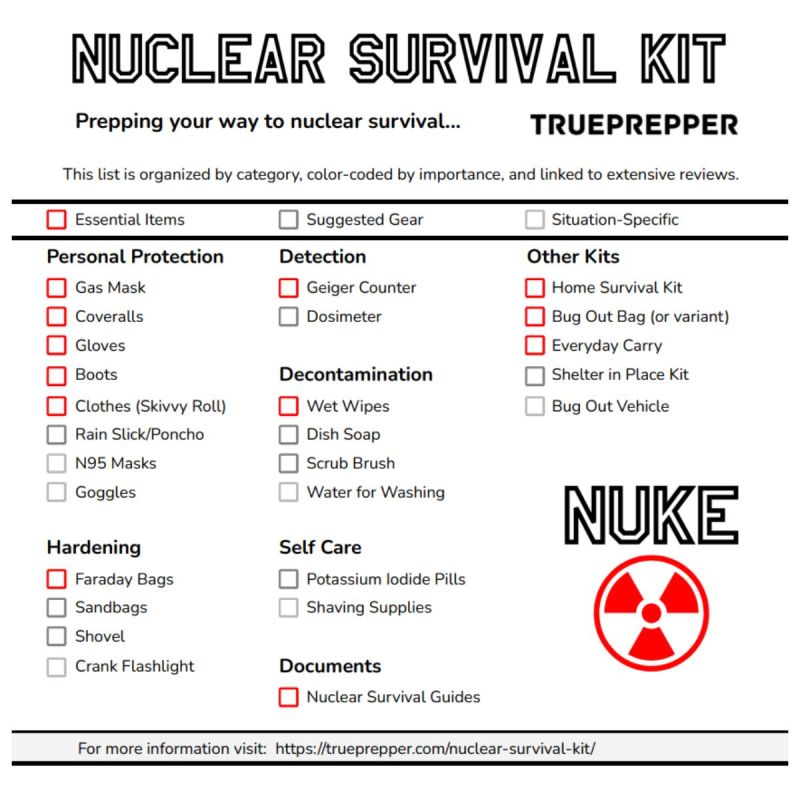
Credit: trueprepper.com
Essential Food And Water Supplies
Essential food and water supplies form the backbone of any survival kit. Without reliable nourishment and hydration, survival becomes impossible. Carefully choosing the right items ensures you stay energized and healthy during emergencies.
Food must last long without spoiling. Water needs to be safe to drink. Both should be easy to carry and store. Preparation saves lives and reduces stress in crisis situations.
Non-perishable Foods
Non-perishable foods do not spoil quickly. They keep well without refrigeration. These foods provide energy and nutrients over time. Include a variety to cover different dietary needs.
- Canned beans and vegetables
- Rice and pasta
- Peanut butter
- Granola bars and trail mix
- Dried fruits like raisins or apricots
- Powdered milk or protein powders
Check expiration dates regularly. Rotate supplies to keep them fresh. Pack foods easy to prepare with minimal cooking.
Water Purification Methods
Clean water is critical for survival. Natural water sources may contain harmful bacteria. Use purification methods to make water safe.
- Boiling water for at least one minute
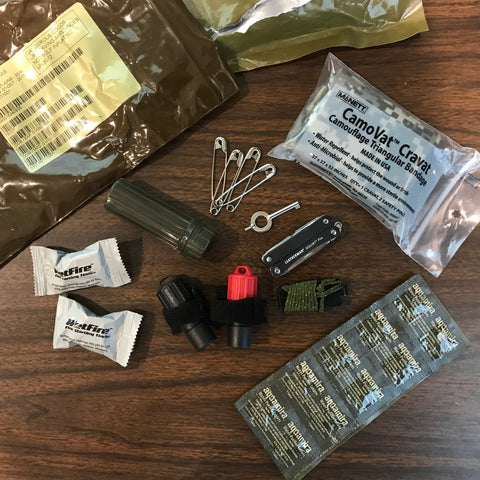
- Water purification tablets for quick treatment
- Portable water filters to remove particles and germs
- UV light purifiers to kill microorganisms
Carry multiple options for flexibility. Store water in clean, sealed containers. Regularly replace stored water to maintain quality.
Basic First Aid Supplies
Basic first aid supplies form the heart of any survival kit. They prepare you to handle unexpected injuries and minor health issues efficiently. Having these essentials at hand can make a big difference in emergencies, whether you’re hiking, camping, or facing everyday accidents.
Wound Care Essentials
Start with items that protect wounds and prevent infection. Sterile gauze pads and adhesive bandages are must-haves to cover cuts and scrapes quickly. Adding medical tape helps secure dressings, keeping them in place during movement.
Antiseptic wipes or solution are critical to clean wounds and stop germs from spreading. I once faced a deep scratch while camping, and having antiseptic wipes helped me avoid infection entirely. Don’t forget to include tweezers for removing splinters or debris safely.
- Sterile gauze pads (various sizes)
- Adhesive bandages (multiple sizes)
- Medical tape
- Antiseptic wipes or solution
- Tweezers
- Scissors (small and sharp)
- Disposable gloves
Medications And Pain Relief
Include common over-the-counter medications to ease pain and reduce inflammation. Pain relievers like ibuprofen or acetaminophen are practical for headaches, muscle aches, or fever.
Don’t overlook antihistamines if you’re prone to allergies or insect bites. I once had a reaction to a bee sting during a hike, and having antihistamines on hand prevented a worsening situation. Adding antacids and anti-diarrheal medicine can also help manage stomach issues while on the go.
- Pain relievers (ibuprofen, acetaminophen)
- Antihistamines
- Antacids
- Anti-diarrheal medication
- Cold packs (instant or reusable)
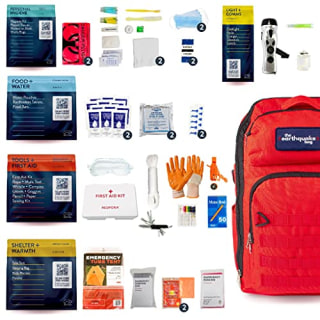
Credit: www.nbcnews.com
Tools For Shelter And Warmth
Having the right tools for shelter and warmth can make a huge difference when you’re in an emergency. These tools not only protect you from the elements but also keep your body temperature stable, which is crucial for survival. Let’s look at some practical options you can add to your survival kit to stay safe and comfortable.
Portable Shelter Options
Portable shelters come in many forms, but the best ones are lightweight and easy to set up. A compact tent or a durable tarp can provide immediate protection from wind and rain. My experience taught me that a simple tarp can be a lifesaver—it’s easy to carry and can be arranged in multiple ways depending on your environment.
Don’t forget a space blanket or emergency bivvy. These are small, thin, and reflect your body heat back to you. They take up almost no room but offer surprising warmth and weather protection.
- Lightweight tent: easy to carry and quick to set up
- Durable tarp: versatile for different shelter designs
- Space blanket or emergency bivvy: compact heat retention
- Paracord: useful for securing shelters
Fire Starting Tools
Fire is not just for warmth; it helps with cooking, signaling, and keeping animals away. You want fire-starting tools that work even when wet or windy. A reliable lighter or waterproof matches are a must-have.
I once struggled to start a fire with just a flint during a rainy hike. Carrying a ferrocerium rod now means I can spark a flame in almost any condition. Adding cotton balls coated with petroleum jelly makes for excellent tinder that lights easily and burns longer.
- Waterproof matches: reliable and easy to use
- Lighter: quick and reusable
- Ferrocerium rod (fire steel): sparks even when wet
- Tinder (cotton balls with petroleum jelly): easy ignition
Navigation And Communication
Navigation and communication are crucial for survival kits. They help you find your way and call for help. Without these tools, staying safe can become very hard. This section explains essential items for both navigation and communication.
Maps And Compasses
Maps and compasses are basic but reliable tools for navigation. A good map shows terrain, roads, and landmarks. It helps you plan your route and avoid danger.
Compasses point north and guide your direction. They do not need batteries. Learning to use a compass with a map improves your chances of staying on track.
- Choose a waterproof, detailed map of your area.
- Pick a compass with a clear base and rotating dial.
- Practice reading maps and using a compass before an emergency.
Emergency Communication Devices
Communication devices let you call for help when needed. Mobile phones may not work in some places. Alternative devices can be lifesavers in such cases.
Consider carrying a whistle for loud signals. Two-way radios let you talk over short distances. Satellite messengers send distress signals worldwide.
- Whistles are cheap and easy to carry.
- Two-way radios work well in groups or camps.
- Satellite messengers require registration but offer global coverage.
Personal Protection And Safety
Personal protection and safety are crucial when building your own survival kit. These items help you stay secure and prepared in unpredictable situations. Choosing the right tools and clothing can make a real difference in how effectively you handle emergencies.
Self-defense Tools
Carrying self-defense tools in your survival kit adds a layer of security. Items like pepper spray, a sturdy whistle, or a compact tactical flashlight can help you deter threats and signal for help.
Think about what you can comfortably carry and legally use in your area. A small folding knife or a personal alarm are practical choices that don’t require special training but offer peace of mind.
Have you tested any of these tools before? Familiarity with your self-defense items ensures you can use them quickly and confidently when needed.
Protective Clothing
Protective clothing shields you from environmental hazards and injuries. Durable gloves, a wide-brimmed hat, and weather-appropriate outerwear can protect you from cuts, sun exposure, and harsh weather.
Choose materials that are breathable yet tough, like ripstop nylon or reinforced denim. Don’t forget high-visibility items if you need to be seen during a rescue situation.
Consider layering your clothing for flexibility. Would you be ready to adapt your outfit if temperatures drop suddenly or if you need to move through rough terrain?
Lighting And Visibility
Lighting and visibility play a crucial role in any survival situation. Without proper light sources, navigating in the dark becomes risky, and signaling for help becomes nearly impossible. You need reliable tools that can brighten your surroundings and make you visible from a distance.
Flashlights And Lanterns
A durable flashlight is a must-have in your survival kit. Choose one with LED bulbs for longer battery life and brighter light. Compact models fit easily in your pocket, but a lantern can illuminate a wider area if you’re setting up camp.
Don’t forget to pack extra batteries or a hand-crank flashlight that never runs out of power. I once got caught in a sudden blackout during a hike, and my trusty flashlight kept me calm and safe until the power returned. What kind of flashlight would you trust in an emergency?
Signal Mirrors And Whistles
Signal mirrors are lightweight and can reflect sunlight to catch the attention of rescuers miles away. They don’t rely on batteries, so they work perfectly in any weather. Keep one in an easy-to-reach spot in your kit.
Whistles are simple but powerful tools for making noise that carries farther than your voice. A loud whistle can alert others even when you’re too tired to shout. Think about how you would signal for help if you were deep in the wilderness—would you use a mirror, a whistle, or both?

Credit: trueprepper.com
Maintaining Your Survival Kit
Maintaining your survival kit is essential for readiness. A well-kept kit ensures you have reliable tools during emergencies. Regular attention prevents expired items and broken tools from causing problems.
Regular Inventory Checks
Check your survival kit often to keep it ready. Look at each item carefully. Confirm nothing is missing or damaged. Note the condition of food, medicine, and batteries. Replace anything that looks old or worn out.
Use a checklist to track your items. This helps avoid forgetting important supplies. Mark the date of each check to stay organized.
Updating Supplies
Update your kit based on seasons and needs. Swap out expired food and water. Add new tools or gear that fit your lifestyle. Consider changes in your health or family size.
Keep extra batteries and first-aid items fresh. Rotate food stocks to avoid spoilage. Stay informed about new survival gear that might help you.
Frequently Asked Questions
What Essential Items Should Be In A Survival Kit?
A survival kit must include water, food, first aid, fire starters, and a multi-tool. These basics ensure safety and survival in emergencies.
How Often Should I Update My Survival Kit?
Update your survival kit every six months. Check expiration dates, replace used items, and adjust supplies for seasonal changes.
Can I Customize My Survival Kit For Specific Emergencies?
Yes, customize your kit based on local risks like floods or earthquakes. Add relevant tools and supplies for better preparedness.
How Much Water Is Needed In A Survival Kit?
Include at least one gallon of water per person per day. It’s essential for drinking, cooking, and hygiene during emergencies.
Conclusion
Building your own survival kit prepares you for unexpected events. Choose items that fit your needs and environment. Keep the kit small, light, and easy to carry. Regularly check and update your supplies to stay ready. A well-made kit can give peace of mind.
Start gathering essentials today and stay safe tomorrow. Ready for anything.