Imagine you’re lost in the wilderness, far from help. Your heart races, and every second feels critical.
What if a simple whistle in your survival kit could be your lifeline? You might think it’s just a small tool, but it can make a huge difference in getting you rescued fast. You’ll discover exactly why a whistle is one of the most powerful, yet often overlooked, items you need to carry with you.
Keep reading—your safety could depend on it.
Importance Of Whistles In Survival Situations
A whistle is a vital tool in any survival kit. Its clear, loud sound carries far through nature. It helps rescuers find you faster than shouting. Whistles do not rely on batteries or signal strength. They work in all weather conditions and terrains. This simple device can save lives by improving your chances of rescue.
Effective Sound Signal For Rescue
A whistle produces a sharp, piercing sound that travels long distances. This sound stands out against natural noises like wind or animals. Rescuers can hear a whistle from farther away than a human voice. Its consistent tone helps rescuers locate you quickly. Using a whistle repeatedly is less tiring than shouting.
Conserves Energy And Voice
Shouting for help uses a lot of energy and strains your voice. A whistle requires little effort and does not tire you out. It allows you to signal for help repeatedly without losing strength. This is important during long wait times for rescue. Conserving energy increases your chances of survival.
Easy To Use In Any Situation
Whistles are simple to use for people of all ages. You only need to blow air through it to make noise. They work well in darkness, fog, or heavy rain. Unlike phones or radios, whistles do not need power or signal. This makes them reliable in remote or harsh environments.
Compact And Lightweight
Whistles are small and easy to carry in a survival kit. They add almost no weight or bulk to your gear. This makes them ideal for hikers, campers, and outdoor workers. Having a whistle ready means you are always prepared for emergencies. Its portability ensures it is always within reach.

Credit: www.amazon.com
How Whistles Enhance Safety
A whistle is a simple tool that can drastically improve your safety during an emergency. It is lightweight, easy to use, and can send clear signals over long distances. Understanding how whistles enhance safety can help you appreciate why they are essential in any survival kit.
Signal For Help
When you are lost or injured, your voice might not carry far enough to reach rescuers. A whistle produces a sharp, piercing sound that can travel much farther than a shout. This can make all the difference in attracting attention quickly, especially in dense forests or noisy environments.
Think about a time when you were hiking and got separated from your group. A whistle could be your lifeline, sending out a consistent signal that guides others to your location. Have you ever considered how far your voice could actually travel in the wild?
Alerting Nearby Individuals
Whistles aren’t just for calling help from afar; they can also alert people nearby to danger. If you encounter wildlife or feel threatened, a whistle can scare off animals or warn others of your situation. This quick alert can prevent accidents and keep you safer in unpredictable environments.
Using a whistle to alert others is an immediate way to communicate urgency without needing to find a phone or other device. It’s a practical solution when every second counts. Would you rely on your voice alone if danger was nearby?
Non-verbal Communication
Sometimes, speaking isn’t an option—whether due to injury, shock, or the need to stay quiet. A whistle offers a way to communicate without words. Different whistle patterns can signal various messages, like “I need help,” “All clear,” or “Come here.”
Learning and practicing simple whistle codes can prepare you for situations where verbal communication fails. This non-verbal method can also be useful in group survival scenarios to coordinate actions silently. How prepared are you to communicate without speaking when it really matters?
Features Of An Effective Survival Whistle
An effective survival whistle is more than just a simple noise maker. It’s a vital tool designed to increase your chances of being found when you’re lost or in danger. Knowing what features to look for can help you pick a whistle that really works when every second counts.
Loudness And Range
The primary job of a survival whistle is to make a sound loud enough to be heard from a distance. Ideally, it should produce a sharp, piercing tone that can carry over long distances, sometimes up to a mile or more in open areas. Think about how far your voice carries in the wilderness—most people can’t shout loudly for long periods, but a whistle can maintain a steady, loud signal without tiring you out.
Durability And Material
Your whistle needs to survive harsh conditions. Materials like stainless steel or heavy-duty plastic resist damage from drops, moisture, and extreme temperatures. If it breaks or stops working when you need it most, it becomes useless. Have you ever tried to use a cheap whistle only to find it cracked or clogged? That experience teaches why tough construction matters.
Compact Design
Carrying a bulky whistle can be inconvenient, especially when you want to pack light. An effective survival whistle should be small and lightweight, fitting easily on a keychain, lanyard, or survival bracelet. This way, it’s always within reach, and you won’t hesitate to grab it in an emergency. Would you want to fumble around your bag when every second counts?
Comparing Whistles To Other Signal Tools
Survival kits often contain tools to help you signal for help. Whistles are a common choice. Comparing whistles to other signal tools shows why they are essential. Each tool has strengths and limits. Understanding these helps you pick the right one.
Advantages Over Shouts
Shouting is simple and needs no tools. But it tires your voice fast. Whistles make loud, clear sounds without effort. A whistle’s sound carries farther than a human shout. It works well in windy or noisy places. Whistles don’t lose power over time. You can signal repeatedly without getting tired.
Whistles Vs. Flares
Flares create bright light visible from far away. They work best at night or in open areas. Flares run out after one use and can be risky to handle. Whistles are safe and reusable. They work both day and night. Whistles don’t depend on weather like flares do. Rain or fog does not stop a whistle’s sound.
Electronic Devices Vs. Whistles
Electronic signal devices send loud sounds or lights too. They need batteries or charging to work. Batteries can die or fail in cold or wet conditions. Whistles work without power sources. They are lightweight and always ready. Electronic devices can be costly and fragile. Whistles are simple, durable, and easy to use.
Choosing The Right Whistle For Your Kit
Choosing the right whistle for your survival kit can make a critical difference in an emergency. The whistle you pick should be loud, reliable, and easy to use, even under stress. Knowing the options and what matters most helps you prepare effectively.
Types Of Whistles
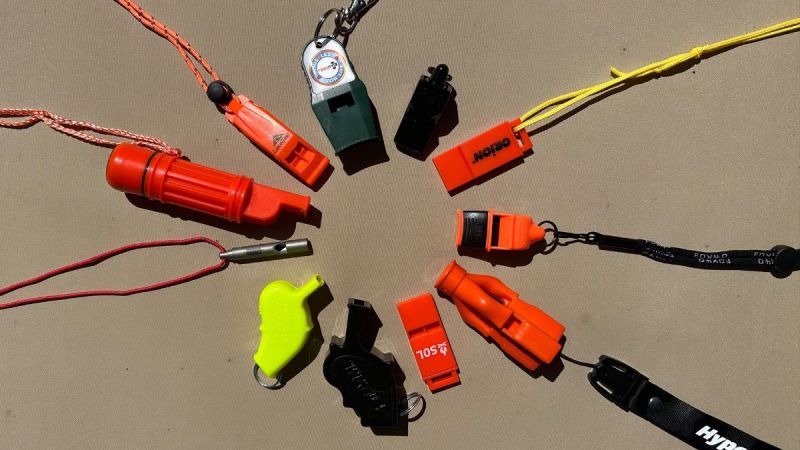
There are several types of whistles to consider for your survival kit. The classic pea whistle produces a strong, sharp sound but can freeze up in cold or wet conditions. On the other hand, pea-less whistles offer consistent sound without moving parts, making them more reliable in harsh environments.
Metal whistles tend to be louder and more durable, while plastic ones are lightweight and resistant to rust. Some whistles even come with built-in features like compasses or lanyards, adding extra functionality. What features do you prioritize when every second counts?
Key Considerations
Sound volume is crucial—your whistle should be audible from at least 100 yards away. Size and weight matter too; you want something compact that won’t weigh down your kit. Also, consider ease of use: can you blow it clearly if you’re panicked or injured?
Durability plays a big role. A whistle that cracks or jams is useless in an emergency. Think about environmental resistance—will it work after being soaked or exposed to cold? Your choice should match the conditions you expect to face.
Testing Your Whistle
Once you have your whistle, test it regularly. Try blowing it with different breath strengths and in various weather conditions. Does it maintain a clear, loud tone every time?
Take it outside and see how far the sound travels in open spaces and among trees. This practical test can reveal weaknesses you might not notice otherwise. Have you ever tried your emergency gear before an actual emergency? It’s a habit worth developing.

Credit: www.amazon.com
Real-life Stories Of Whistles Saving Lives
Whistles have proven their worth in many survival situations. Their loud, sharp sound can cut through dense forests or noisy environments. People trapped or lost often rely on whistles to attract help. Below are some real-life stories showing how whistles saved lives.
Lost Hiker Found By Rescue Team
A man hiking alone got lost in thick woods. He used his whistle to send repeated signals. Rescuers heard the sound from far away. The whistle helped guide them straight to the hiker. Without it, he might have stayed lost much longer.
Whistle Alerts Neighbors During House Fire
A family was sleeping when a fire started at night. The youngest child woke up and blew a whistle loudly. The neighbors heard the signal and called the fire department quickly. Everyone escaped safely thanks to the whistle’s warning sound.
Boat Capsizes, Whistle Calls For Help
Two fishermen’s boat capsized in rough waters. One grabbed a whistle and blew it non-stop. Nearby boats heard the sharp noise and rushed to help. The fishermen were rescued before the cold water became dangerous.
Whistle Saves Child Lost In Crowded Festival
A child got separated from parents at a busy festival. The child used a whistle from a survival kit to make noise. The parents heard the whistle and found their child quickly. The whistle made the reunion fast and safe.
Maintaining And Using Your Whistle
Maintaining and using your whistle correctly ensures it works well in an emergency. A loud, clear whistle can save your life by signaling for help. Proper care keeps it ready whenever you need it.
Proper Storage
Keep your whistle in a dry place. Avoid storing it where dirt or moisture can build up. Use a small pouch or a sealed plastic bag. Attach it to your survival kit or backpack for easy access.
Regular Testing
Test your whistle often to check its sound. Blow it loudly to make sure it produces a sharp, clear tone. Replace it if the sound is weak or blocked. Regular tests help avoid surprises in emergencies.
Effective Usage Tips
- Blow short bursts of sound, about 3 seconds each.
- Pause between bursts to listen for answers.
- Repeat signals in groups of three – a universal distress call.
- Use the whistle instead of shouting to save energy.

Credit: trueprepper.com
Frequently Asked Questions
Why Is A Whistle Essential In A Survival Kit?
A whistle helps signal rescuers from a distance. It produces loud, sharp sounds that travel farther than shouting. This increases your chances of being found quickly in emergencies.
How Does A Whistle Improve Outdoor Safety?
A whistle alerts others without using your voice. It conserves energy and prevents panic. It can scare off wild animals and attract attention in dangerous situations.
Can A Whistle Replace Other Signaling Tools?
While a whistle is effective, it complements other tools like mirrors or lights. It works best in noisy or low-visibility environments where visual signals fail.
What Features Make A Survival Whistle Effective?
Look for a whistle that’s loud, lightweight, and durable. A pea-less design prevents jamming. A bright color makes it easy to locate in your kit.
Conclusion
A whistle is a small tool with big benefits in survival kits. It helps you send loud signals without shouting. You can attract help from far away. It saves your energy and voice during emergencies. Whistles are lightweight and easy to carry.
Every survival kit should include one for safety. Don’t forget this simple device when you prepare for the unexpected. It might be your best chance to get noticed and rescued quickly. Simple, effective, and reliable—a whistle is a must-have.