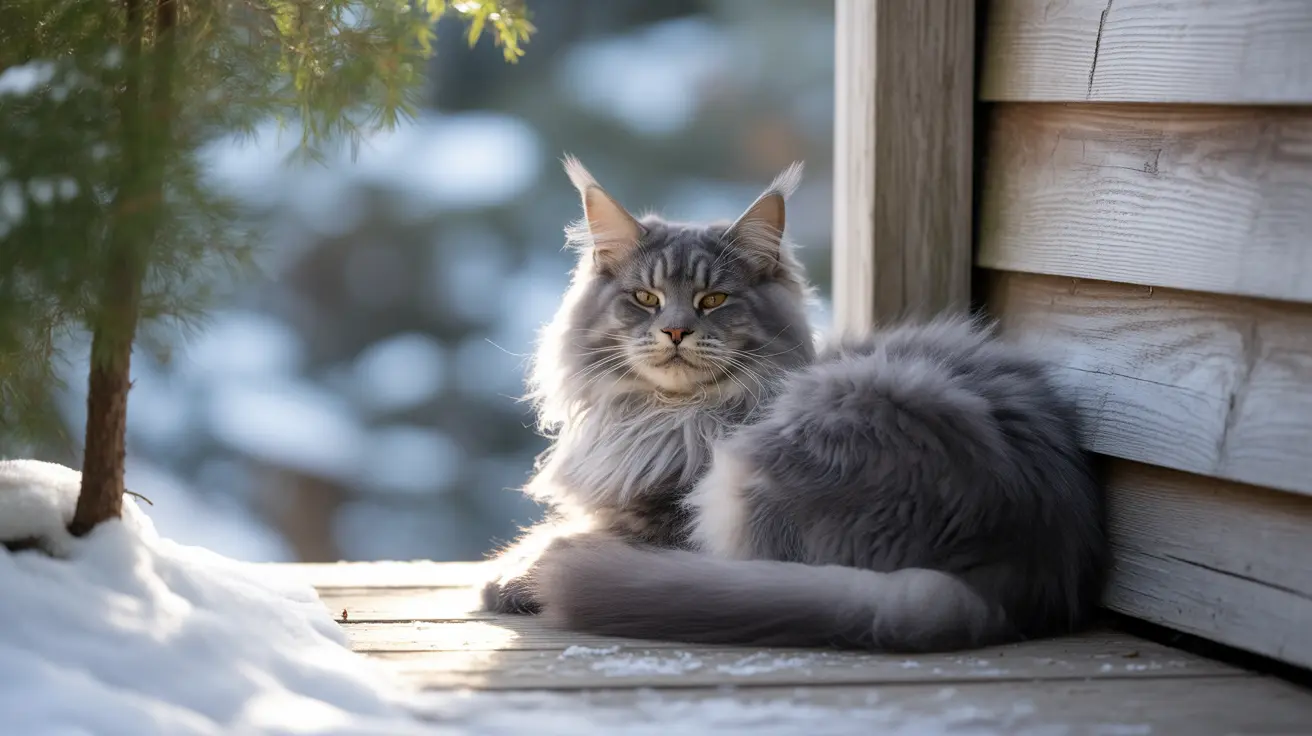
Winter can be tough—not just for you, but for your cat too. Have you ever wondered if your furry friend can truly survive cold, harsh weather?
Understanding how cats handle winter is key to keeping them safe and healthy. You’ll discover what winter means for your cat’s health, the risks they face, and simple ways you can protect them when temperatures drop. Keep reading to make sure your cat stays warm and well this winter.
Understanding Cats And Cold Weather
Cats are curious creatures who react differently to cold weather. Some cats handle chilly days better than others. Their ability to survive winter depends on several factors. Understanding these helps keep cats safe and healthy during cold months.
Many cats have natural defenses against cold. Their fur coat acts as a shield, trapping warmth close to their bodies. But fur alone does not guarantee comfort or safety in freezing temperatures. Other elements play a crucial role in their survival.
Knowing how cats respond to cold helps owners provide proper care. It also explains why some cats prefer staying indoors during winter. This knowledge is key to protecting cats from cold-related dangers.
How Cat Fur Protects Against Cold
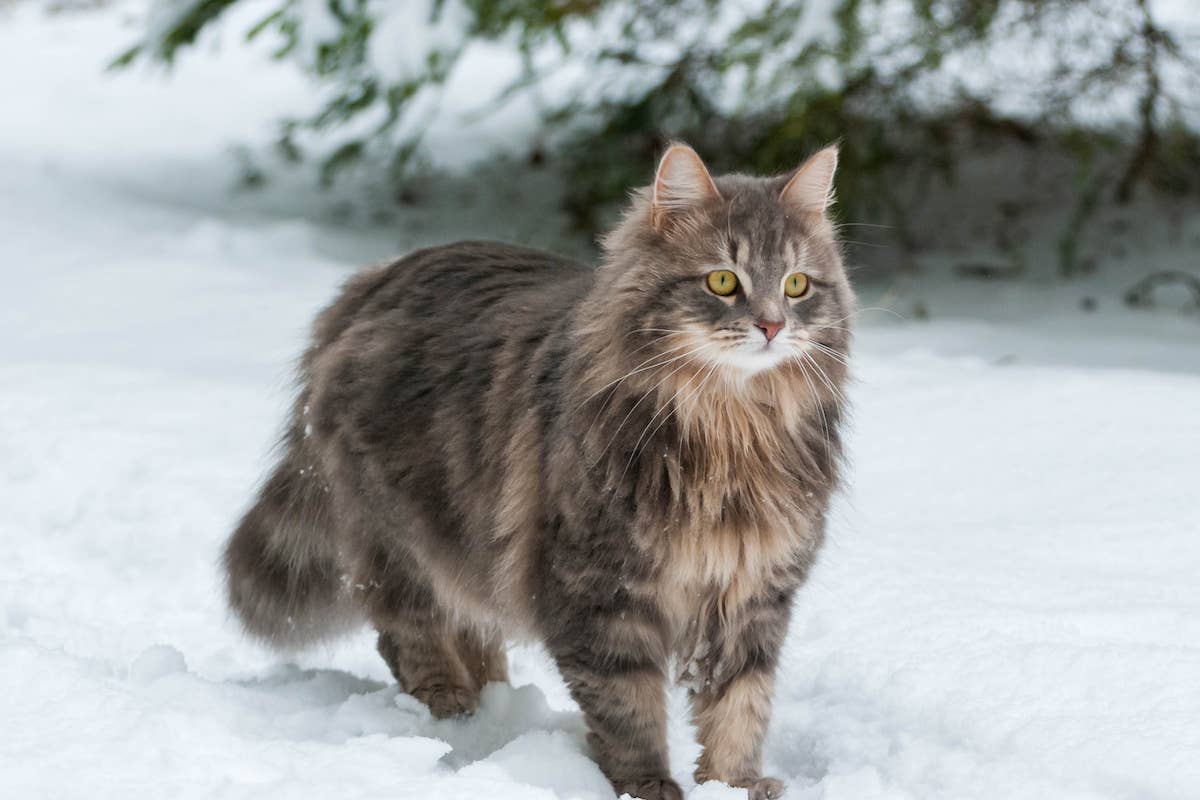
Cats grow thicker fur in colder seasons. This thicker coat helps keep their body heat inside. The outer layer repels moisture, preventing them from getting wet and cold. Underneath, the soft fur traps warm air close to the skin.
Short-haired cats have less insulation and feel cold faster. Long-haired cats tolerate cold better but still need protection. Fur alone is not enough in extreme weather.
Cat Body Temperature And Cold Sensitivity
Cats maintain a body temperature around 101 to 102.5°F. Cold weather can lower their body heat quickly. Small or thin cats lose heat faster than large cats. Young kittens and older cats are more vulnerable to cold.
Cold sensitivity varies by breed, age, and health. Some breeds like the Maine Coon have thick coats and tolerate cold well. Others like the Siamese are more sensitive and need extra warmth.
Behavior Changes In Cats During Cold Weather
Cats often seek warm places in winter. They may curl up more to conserve heat. Some cats become less active to save energy. Others may hide or stay indoors more often.
Watching these behavior changes helps owners notice if a cat feels too cold. Shivering, lethargy, or hiding can signal discomfort or danger.

Credit: ahconnects.org
Recognizing Signs Of Cold Stress In Cats
Cats can suffer from cold stress during winter weather. Recognizing the signs early helps protect their health. Cold stress happens when cats lose body heat faster than they can produce it. This leads to discomfort and serious health risks.
Watching for specific behaviors and physical signs can save your cat from harm. Cats may not show pain clearly, so careful observation is important. Understanding these signs ensures prompt care and warmth for your feline friend.
Changes In Behavior
- Seeking warm places constantly
- Hiding more than usual
- Being less active or playful
- Shivering or trembling
- Meowing loudly or appearing distressed
Physical Symptoms
- Cold ears, paws, or tail tips
- Pale or bluish gums and skin
- Slow movements or stiffness
- Muscle weakness or fatigue
- Shallow or slowed breathing
Signs Of Hypothermia
- Extreme lethargy or unconsciousness
- Very low body temperature
- Weak pulse or heartbeat
- Uncoordinated movements
- Cold body surface with warm core (late stage)
Creating A Warm Indoor Environment
Keeping your cat warm indoors during the cold winter months is essential for their health and comfort. A cozy indoor space helps prevent illnesses and keeps your feline friend relaxed. Let’s look at some practical ways to create a warm environment your cat will love.
Choosing The Right Bedding
Your cat’s bedding plays a big role in staying warm. Look for materials that trap heat well, like fleece or wool. Avoid thin fabrics that let cold air through.
Place the bed away from drafty windows or doors. Cats often prefer small, enclosed spaces, so consider a covered bed or a box with soft blankets inside. Have you noticed how your cat curls up tightly? This is their natural way to conserve warmth.
Maintaining Ideal Room Temperature
Keeping your home at a steady, comfortable temperature is crucial. Aim for around 68-72°F (20-22°C), which suits most cats. Too cold, and they’ll shiver; too warm, and they might overheat.
Use space heaters or heated pet mats if your home tends to get chilly. Just be sure to keep cords out of reach and choose safe heating options. Have you checked if your cat has a favorite warm spot during winter? Often, they’ll find the sunniest corner or a spot near a heater on their own.
Outdoor Cats: Safety Measures
Outdoor cats face serious challenges during cold months. Without proper care, harsh winter conditions can threaten their health and safety. Taking simple, thoughtful steps can make a big difference in keeping your outdoor cat safe and comfortable when temperatures drop.
Providing Outdoor Shelters
Creating a warm, dry shelter is essential for outdoor cats in winter. It should be insulated from wind and moisture and elevated off the ground to avoid dampness. Many pet owners use sturdy plastic storage bins or wooden crates lined with straw or blankets to provide insulation.
Think about placing the shelter in a quiet, sheltered spot near your home. Adding a small opening just big enough for your cat helps keep warmth inside. Have you checked if your cat uses the shelter regularly? Observing this can tell you if it’s truly effective.
Using Heated Water Bowls
Water can freeze quickly outside, leaving cats without hydration. Heated water bowls prevent freezing and ensure your cat always has access to fresh water. These bowls use low wattage and are safe for outdoor use, making them practical for winter.
Place the heated bowl near the shelter to encourage your cat to stay hydrated. Remember, dehydration can worsen cold stress, so keeping water liquid is more important than you might realize. Do you monitor your cat’s water intake during winter?
Nutritional Needs During Winter
Winter can be tough on your cat’s body. Cold weather means your cat needs more energy to stay warm. Paying attention to your cat’s nutritional needs during winter helps them stay healthy and comfortable.
High-calorie Diets
Your cat burns more calories in cold weather to keep warm. Providing a high-calorie diet helps meet this extra energy demand. You can add calorie-rich foods like wet food or specially formulated winter cat food.
Think about your own winter meals — don’t you eat more to feel cozy? Cats need similar care. Adding small amounts of cooked chicken or fish can boost calories without upsetting their stomach.
Watch your cat’s weight closely. Extra calories are good, but too much can lead to obesity. Adjust portions based on your cat’s activity level and body condition.
Hydration Importance
Cold weather often means less water intake, which can lead to dehydration. Cats don’t always drink enough, especially if they eat mostly dry food. Make sure fresh water is always available and consider adding wet food to increase moisture.
Have you noticed your cat drinking less in winter? Try placing multiple water bowls around the house or using a cat water fountain to encourage sipping. Warm water can also be more inviting than cold.
Hydration supports digestion and keeps your cat’s skin healthy. Don’t ignore subtle signs like dry nose or lethargy—these can signal dehydration. Regularly check your cat’s hydration to keep winter woes at bay.
Credit: www.jackery.com
Grooming And Health Checks
Keeping your cat healthy and well-groomed during winter is crucial for their survival in cold weather. Grooming not only maintains their fur’s insulating properties but also helps you spot any health concerns early. Regular health checks ensure your furry friend stays comfortable and safe as temperatures drop.
Inspecting For Frostbite
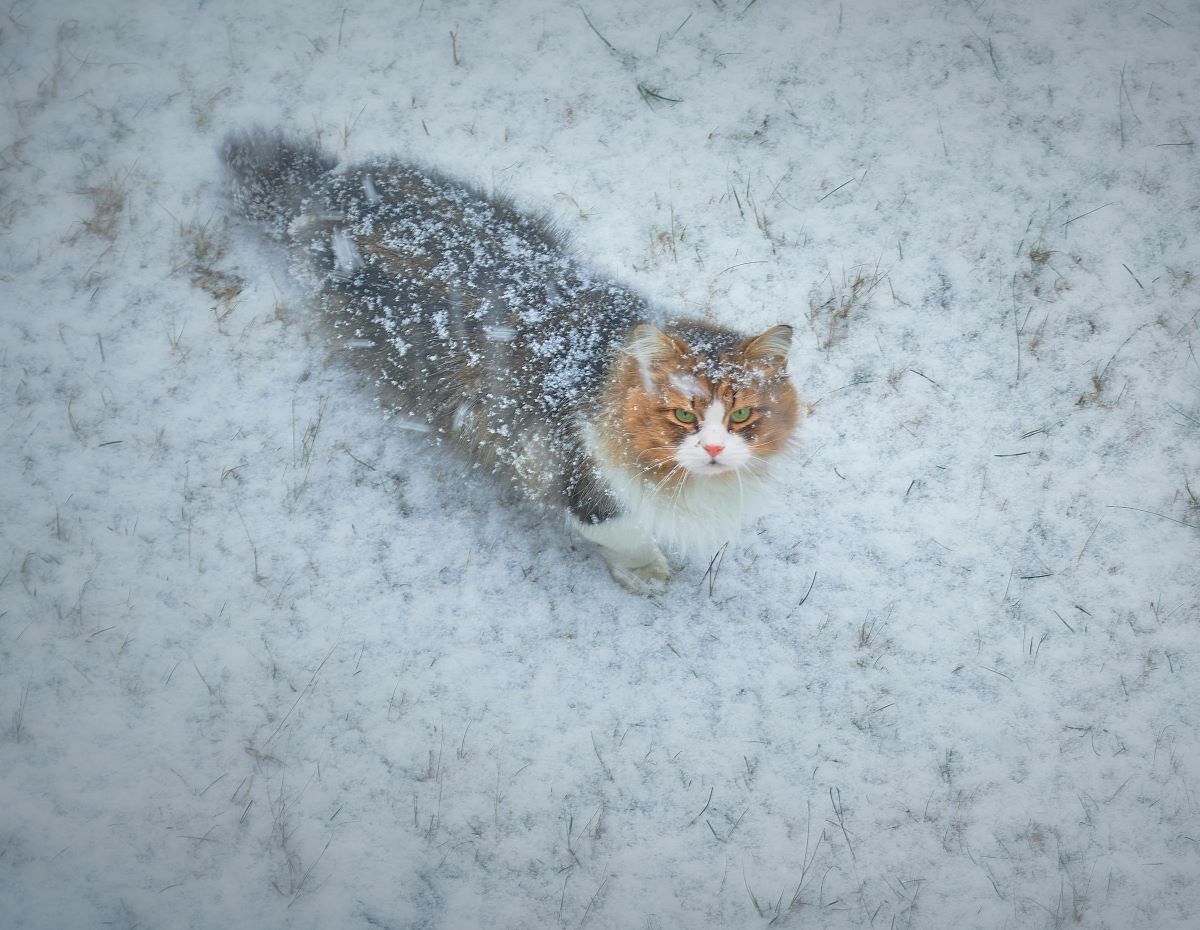
Frostbite can affect cats quickly, especially on their ears, tail, and paws. You should regularly check these areas for pale, cold, or swollen skin. If you notice any darkened or blistered spots, it could be frostbite, which needs immediate veterinary care.
After your cat spends time outside, gently feel their extremities to ensure they are warm. If you find any hardened or numb areas, keep your cat inside and warm up those spots gradually with a soft cloth. Have you ever checked your cat’s paws after a snowy walk? It’s a simple step that can prevent serious issues.
Regular Vet Visits
Winter is a great time to schedule vet visits to catch any hidden health problems. Cold weather can worsen conditions like arthritis or respiratory issues in cats. Your vet can recommend supplements or treatments that keep your cat comfortable during chilly months.
Don’t wait for obvious signs of illness; subtle changes in behavior or appetite can signal trouble. Think about your last vet visit—did you discuss how your cat handles winter? Keeping up with vaccinations and parasite control also protects your cat from seasonal risks.
Winter Hazards To Avoid
Winter brings more than just cold air; it introduces hidden dangers that can threaten your cat’s health. Knowing what to watch out for can make a huge difference in keeping your feline friend safe during harsh weather. Let’s look closely at some common winter hazards that you should avoid to protect your cat.
Antifreeze And Other Toxins
Antifreeze is one of the most dangerous substances your cat can encounter in winter. It smells sweet, which attracts animals, but even a tiny amount can be deadly.
Keep antifreeze and other chemicals like windshield washer fluid stored securely and clean up any spills immediately. Even road salt, while not a poison, can irritate your cat’s paws and be harmful if ingested.
Have you noticed your cat licking their paws more after coming inside? That could be a sign they are trying to remove irritants picked up outside. Wiping their paws thoroughly after outdoor exposure helps reduce risks.
Risks From Snow And Ice
Snow and ice create slippery surfaces that increase the chance of injury. Cats can slip, fall, or get trapped in icy patches, especially older or less agile pets.
Ice can also cause frostbite on exposed skin like ears, nose, and tail tips. Watch for signs such as swelling, discoloration, or pain, and bring your cat indoors if you suspect frostbite.
Besides physical hazards, deep snow can make it hard for your cat to move or find shelter if they get outside. Do you have a warm, safe spot ready for them? Always provide a cozy refuge to avoid these dangers.
Indoor Activities For Mental Stimulation
Keeping your cat mentally active during winter is just as important as keeping them physically warm. Indoor activities can prevent boredom and reduce stress, which often leads to unwanted behaviors. You might be surprised how simple changes and additions to your home environment can spark your cat’s curiosity and keep their mind sharp.
Interactive Toys
Interactive toys challenge your cat’s problem-solving skills and keep them engaged for longer periods. Toys like treat-dispensing balls or puzzle feeders encourage your cat to think and work for their food, which is both fun and rewarding.
Try rotating different toys every few days to maintain novelty. Your cat will stay interested and won’t get bored easily. Have you noticed how your cat’s eyes light up when they figure out a new toy? It’s a clear sign they’re mentally stimulated.
Creating Climbing Spaces
Cats love to climb and explore vertical spaces, which mimic their natural instincts. Adding cat trees, shelves, or window perches can turn your home into an exciting playground for your feline friend.
These climbing spots give your cat a way to stay active and observe their surroundings safely. You can even use boxes and cushions to create makeshift climbing zones. What’s your cat’s favorite high spot in your home? Giving them more options can boost their confidence and happiness.
Credit: pethelpful.com
Frequently Asked Questions
Can Cats Survive Cold Winter Weather Outside?
Yes, cats can survive cold weather but only for short periods. Prolonged exposure risks hypothermia and frostbite. Outdoor cats need shelter, warmth, and food to endure winter safely.
How Do Cats Keep Warm During Winter?
Cats keep warm by curling up to conserve heat. They seek sheltered spots, fluff their fur, and increase food intake for energy. Indoor cats stay cozy near heaters or blankets.
Should I Let My Cat Outside In Winter?
It’s safer to keep cats indoors during winter. Extreme cold can harm them. If outside time is necessary, ensure warm shelter, dry bedding, and monitor their condition closely.
What Are Signs Of Hypothermia In Cats?
Signs include shivering, lethargy, cold ears or paws, slow breathing, and weakness. If noticed, warm the cat gradually and seek veterinary care immediately.
Conclusion
Cats can survive winter, but they need care and warmth. Cold weather can be tough for them. Provide shelter and food to keep them safe. Watch for signs of frostbite or hypothermia. Indoor cats stay warmer and healthier in winter.
Outdoor cats need dry, warm places to hide. Keeping water from freezing is important too. Protect your cat, and it will stay happy. Winter is harsh, but careful care helps cats thrive. Your attention can make all the difference.


