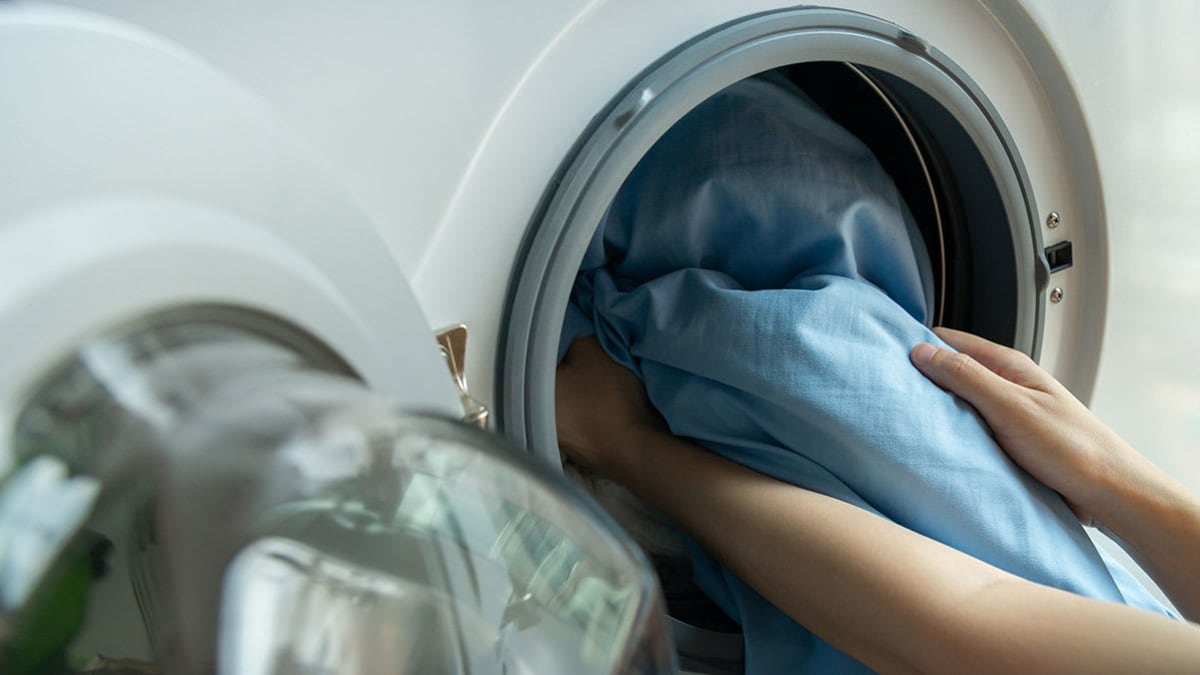
Have you ever wondered how safe your clothes are during these times? Knowing how long coronavirus can survive on your clothes is important for keeping yourself and your loved ones protected.
You might be touching your jacket, your favorite shirt, or even your shoes throughout the day without thinking twice. But could these everyday items be carrying the virus? You’ll discover clear, easy-to-understand facts about how long coronavirus can live on different fabrics and what you can do to stay safe.
Keep reading to learn simple steps that can make a big difference for your health.
Virus Survival On Fabrics
Understanding how long coronavirus can survive on fabrics is crucial for keeping your clothes and surroundings safe. The virus doesn’t behave the same way on every type of fabric, and several factors influence how long it stays active. Knowing these details helps you decide how often to wash your clothes and what precautions to take.
Factors Affecting Longevity
Temperature plays a big role in virus survival on clothes. Cooler environments tend to preserve the virus longer, while heat speeds up its breakdown. Humidity also matters—dry conditions can make the virus linger, but higher moisture levels may reduce its lifespan.
Think about the last time you left your jacket in a cold room overnight. That jacket could potentially harbor the virus longer than if it were left in a warm, sunny spot. How often do you consider the environment when handling your laundry?
Types Of Fabrics And Virus Persistence
Different fabrics hold onto the virus differently. Smooth, non-porous materials like polyester may allow the virus to survive longer compared to natural, porous fabrics like cotton. This is because porous fabrics tend to trap and dry out the virus faster, reducing its viability.
| Fabric Type | Virus Survival Time | Reason |
|---|---|---|
| Cotton | Up to 1 day | Absorbs moisture, dries virus quickly |
| Polyester | 2-3 days | Smooth surface retains virus longer |
| Wool | Less than 1 day | Porous and absorbs moisture quickly |
Knowing this, you might want to be extra careful with synthetic workout clothes or uniforms. Washing these items frequently and using warm water can help reduce any risk. How often do you wash your synthetic fabrics compared to your cotton shirts?
Credit: health.clevelandclinic.org
Environmental Impact On Virus Lifespan
The environment plays a key role in how long coronavirus survives on clothes. Different factors can either shorten or extend the virus’s lifespan on fabric. Understanding these conditions helps reduce risks and improve safety.
Temperature, humidity, and sunlight affect virus stability outside the body. Clothes exposed to varying environments will show different virus survival times. Knowing these effects can guide proper cleaning and handling practices.
Temperature Effects
Higher temperatures reduce the virus lifespan on clothes. Heat causes the virus structure to break down faster. Cold temperatures allow the virus to stay active longer. Clothes in warm places are safer over time than in cold ones.
Humidity Influence
Humidity changes affect virus survival on fabric. Low humidity helps the virus stay stable and infectious. High humidity can cause the virus to lose strength quicker. Damp clothes may reduce virus survival compared to dry fabrics.
Sunlight And Uv Exposure
Sunlight kills the virus on clothes rapidly. UV rays damage the virus’s genetic material and proteins. Clothes left in direct sunlight become safer faster. Indoor or shaded clothes retain the virus longer than those in the sun.
Risk Of Transmission Through Clothing
Understanding the risk of coronavirus transmission through clothing is essential to protect yourself and others. Clothes can carry the virus for varying times depending on factors like fabric type and environmental conditions. But how likely is it for the virus to transfer from your clothes to your hands or face, and what situations increase this risk?
Contact And Transfer Probability
The virus does not easily jump from fabric to your skin, but it is possible if you touch contaminated clothing and then touch your face. The rougher or more absorbent the fabric, the less likely the virus will survive long enough to transfer. Smooth fabrics like polyester might allow the virus to stay active longer, increasing the chance of contact.
Think about the last time you wore a jacket in a crowded place. Did you touch your sleeve and then your mouth or nose? That simple action can increase the chance of virus transfer. Washing clothes regularly and avoiding face contact after touching your clothes can greatly reduce this risk.
Situations With Higher Risk
- Healthcare Settings:Clothes worn in hospitals or clinics are exposed to higher viral loads. Changing clothes immediately after shifts is crucial here.
- Public Transportation:Long commutes in crowded buses or trains increase the chance of your clothing picking up the virus.
- Shared Living Spaces:If someone around you is infected, your clothes can carry the virus, especially if you share laundry facilities.
Have you noticed how quickly clothes can feel contaminated after a busy day out? Being mindful of these situations helps you decide when to wash or change your clothes. Small habits like carrying a spare shirt or using hand sanitizer after touching your clothes can make a big difference.

Credit: www.goodrx.com
Effective Cleaning Methods
Keeping your clothes free from coronavirus requires more than just tossing them in the laundry. Effective cleaning methods are essential to reduce the risk of virus survival on fabrics. Paying attention to how you wash, dry, and disinfect your clothes can make a real difference in protecting yourself and others.
Washing Techniques And Detergents
Use the warmest water safe for your fabric to wash clothes. Hot water helps break down the virus’s structure better than cold water. Add a good quality detergent, as it contains ingredients that can disrupt the virus’s lipid envelope.
If you’re washing clothes worn in public or after exposure, avoid overcrowding the machine. This allows detergent and water to circulate properly and clean more thoroughly. Have you noticed how certain detergents make your clothes feel cleaner and fresher? That’s because some contain enzymes designed to break down proteins and fats, which also helps remove viruses.
Drying Practices
Heat from drying plays a vital role in killing viruses on fabrics. Use a dryer on the highest heat setting suitable for your clothes to boost virus elimination. If you prefer air drying, expose clothes to direct sunlight; UV rays can reduce the virus’s survival time.
Make sure your clothes are completely dry before storing or wearing them again. Moisture can allow viruses to survive longer. Have you ever noticed that damp clothes feel unpleasant and smell musty? That’s a sign it’s time to dry them better.
Use Of Disinfectants On Clothes
Disinfectants can add an extra layer of protection, especially on fabrics that can’t be washed frequently. Look for disinfectant sprays or solutions labeled safe for fabrics and effective against viruses. Apply evenly and allow the fabric to dry fully before use.
Be cautious not to damage your clothes by using harsh chemicals. Test disinfectants on a small hidden area first. Would you rather risk ruining a favorite shirt or take a moment to test? Choosing the right disinfectant can keep both your clothes and health intact.
Preventive Tips For Handling Clothes
Handling clothes carefully during the pandemic is more important than ever. Coronavirus can survive on fabric surfaces for varying times, so how you remove, store, and wash your clothes can make a big difference. Taking simple, clear steps can reduce the risk of spreading the virus through your laundry routine.
Safe Removal And Storage
When you come home, avoid shaking your clothes to prevent dispersing any virus particles into the air. Instead, gently fold or roll your clothes before putting them in a laundry basket or bag.
Keep your used clothes separate from clean ones. Use a dedicated hamper or washable bag, especially if someone in your household is sick. This prevents cross-contamination and keeps your clean clothes safer.
Have you noticed how easy it is to forget about where you place your worn clothes? Setting up a specific spot right by the door can help you stay consistent and reduce risky handling.
Protective Measures For Laundry
- Wash clothes at the highest temperature suitable for the fabric. Hot water helps kill the virus more effectively than cold water.
- Use regular laundry detergent and consider adding a disinfectant approved for fabrics if you want extra protection.
- Dry clothes completely using a dryer or sunlight. Damp clothes can harbor germs longer than dry ones.
- Wear gloves while handling dirty laundry if you are caring for someone with COVID-19, and wash your hands immediately after removing them.
Think about your laundry routine: could you change one habit today to lower infection risk? Small changes like these add up quickly and keep you and your family safer.

Credit: stmikes.utoronto.ca
Frequently Asked Questions
How Long Does Coronavirus Survive On Clothes?
Coronavirus can survive on clothes for a few hours up to two days. The exact time depends on fabric type and environmental conditions like humidity and temperature.
Can Washing Clothes Remove Coronavirus Effectively?
Yes, washing clothes with detergent and hot water effectively removes coronavirus. Use the highest temperature safe for the fabric to kill viruses and bacteria.
Is Coronavirus Transmission Possible Through Contaminated Clothes?
Transmission through clothes is possible but less common. Virus particles decrease quickly on fabric, lowering the risk of infection from contaminated clothes.
How Should I Handle Clothes After Exposure To Coronavirus?
Handle exposed clothes carefully and avoid shaking them. Wash immediately with detergent at a high temperature to reduce virus presence and ensure safety.
Conclusion
Coronavirus can stay on clothes for hours or even days. It depends on fabric type and conditions like temperature. Washing clothes with soap removes the virus well. Drying clothes in sunlight helps kill germs faster. Avoid touching your face after handling worn clothes.
Regular cleaning keeps you and your family safer. Stay cautious but don’t let fear control you. Clean habits protect health in simple ways. Small actions make a big difference every day.

