Have you ever wondered how long your clothes would last if stored in airtight, waterproof containers? Whether you’re preparing for emergencies, packing for a long trip, or simply want to keep your wardrobe fresh, knowing the survival time of your clothes can save you from unpleasant surprises.
You’ll discover the key factors that affect how well your clothes hold up in these containers and learn practical tips to extend their lifespan. Keep reading—you might be closer to preserving your clothes perfectly than you think.

Credit: www.amazon.ca
Factors Affecting Clothes Longevity
Understanding what affects the longevity of clothes stored in airtight waterproof containers can help you make smarter choices. Not all fabrics react the same way to sealed environments. Knowing these factors helps you protect your garments better and avoid unpleasant surprises when you open the container.
Material Types And Durability
Different fabrics have varying lifespans, especially when stored tightly sealed. Natural fibers like cotton and wool breathe better but can degrade faster if trapped moisture is present. Synthetic materials such as polyester tend to resist mold and mildew longer, making them more durable in airtight conditions.
Have you noticed how your old cotton shirts feel brittle after long storage? That’s because natural fibers are more sensitive to environmental changes, even in sealed containers.
Impact Of Fabric Treatments
Fabric treatments like water repellents, anti-wrinkle coatings, or stain resistance can extend your clothes’ life inside containers. These treatments create a protective barrier that helps prevent damage from humidity and microbes. However, some chemicals may break down over time and affect the fabric’s integrity.
Consider how a raincoat with waterproof treatment lasts longer stored than untreated jackets. The treatment slows down wear and tear caused by trapped moisture or air.
Role Of Moisture And Humidity
Moisture is a major enemy of stored clothes. Even airtight containers can trap residual humidity, leading to mold, mildew, and unpleasant odors. It’s crucial to ensure clothes are completely dry before sealing and to add moisture absorbers like silica gel packets inside the container.
Have you ever opened a sealed bag only to find a musty smell? That’s a sign moisture was present and started damaging your clothes. Managing humidity inside the container is key to preserving your fabrics long-term.

Credit: www.amazon.com
Effects Of Airtight Containers
Airtight containers create a unique environment for storing clothes. They block air, moisture, and dirt from entering. This can help extend the life of fabrics by reducing exposure to harmful elements. Yet, sealing clothes in such containers also affects air quality and moisture inside. Understanding these effects helps in choosing the right storage method.
Protection From External Elements
Airtight containers shield clothes from dust, dirt, and insects. They prevent moisture from rain or spills from reaching fabrics. This reduces the chance of stains and damage. Sunlight, which can fade colors, also stays out of sealed containers. Clothes remain cleaner and fresher for longer periods.
Potential For Mold And Mildew
Even though airtight containers block outside moisture, trapped dampness can cause problems. If clothes are stored wet or damp, mold and mildew may grow inside. These fungi damage fabric and cause bad odors. Properly drying clothes before storage and using moisture absorbers helps prevent this risk.
Oxygen And Air Quality Inside
Inside airtight containers, oxygen levels are limited. Clothes need air circulation to stay fresh. Without it, odors can develop over time. Some materials might also degrade faster without fresh air. Opening containers regularly or using breathable storage options can improve air quality and preserve fabrics.
Storage Duration Expectations
Understanding how long clothes last in airtight, waterproof containers helps plan storage better. These containers block air and moisture, which are main causes of fabric damage. Still, storage time affects the condition of clothes inside.
Expect different results depending on how long clothes stay sealed. Short periods keep fabric fresh, but longer storage brings risks. Knowing signs of fabric damage helps catch problems early.
Short-term Storage Effects
Clothes stored for a few weeks or months inside airtight containers usually stay safe. No air means less dust, mold, and insects. Moisture stays out, preventing mildew. Fabrics keep color and texture well.
Natural fibers like cotton and wool breathe better and stay softer. Synthetic fabrics hold shape and resist wrinkles. Short-term storage is ideal for seasonal clothes or travel packing.
Long-term Storage Challenges
Storing clothes for years can cause hidden problems. Even airtight containers may trap small amounts of moisture. This moisture can lead to mold or mildew over time.
Fabrics may lose flexibility and become brittle after years. Dark colors might fade due to light exposure before sealing. Some materials like leather or silk need special care to avoid cracking.
Plastic containers can sometimes release chemicals that harm delicate fabrics. Regular checks and proper preparation before storage reduce these risks.
Signs Of Fabric Degradation
- Foul or musty odor inside the container
- Discoloration or yellow spots on fabric
- Sticky or stiff texture when touched
- Visible mold or mildew patches
- Weak or torn fibers that break easily
- Loss of elasticity or shape in stretchy fabrics
Spotting these signs early helps save clothes before damage worsens. Remove affected items and air them out. Clean containers before reuse to avoid spreading mold.
Credit: www.alibaba.com
Best Practices For Airtight Storage
Storing clothes in airtight waterproof containers can extend their lifespan significantly, but only if you follow the right steps. Proper preparation and storage conditions matter just as much as the container itself. Paying attention to small details now will save you from musty smells, fabric damage, and frustration later.
Preparing Clothes Before Storage
Clean your clothes thoroughly before packing. Dirt, sweat, and oils can cause stains and attract pests over time.
Make sure clothes are completely dry to avoid mold and mildew growth. Even a small amount of moisture can ruin fabric inside a sealed container.
Consider using acid-free tissue paper between delicate items to prevent creases and fabric wear. Folding clothes neatly reduces stress on fibers and keeps them looking fresh.
Choosing The Right Containers
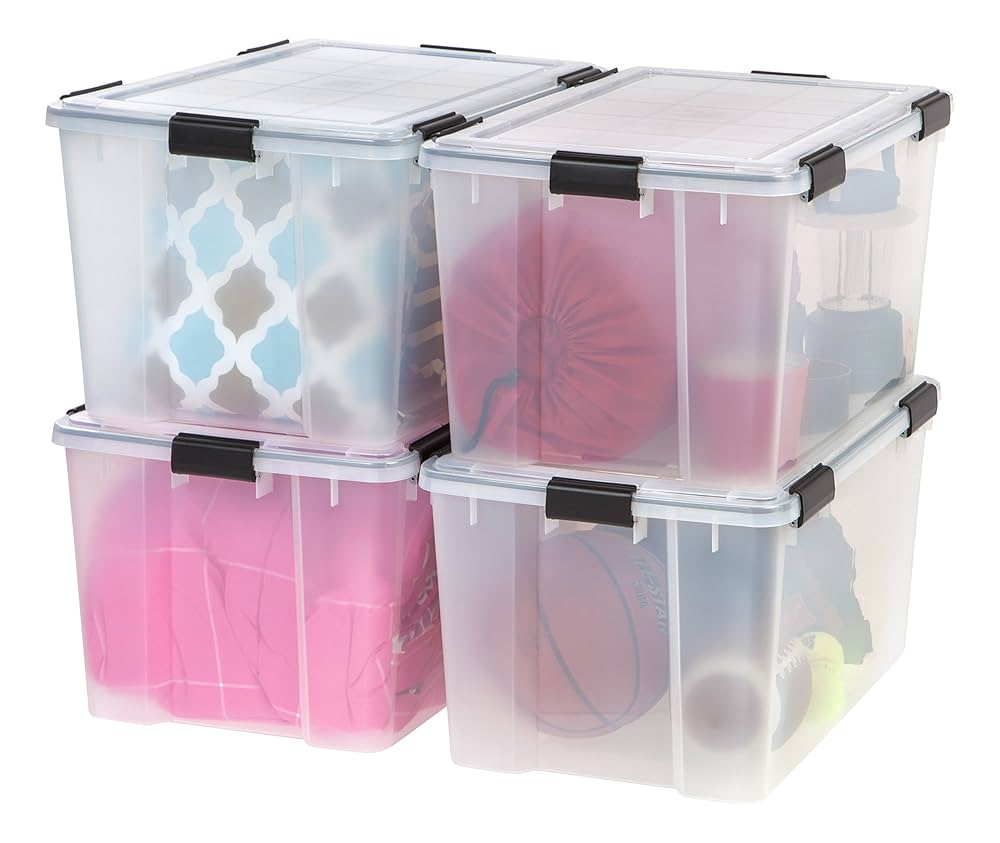
Pick containers that are truly airtight and waterproof. Not all plastic bins or bags seal out air and moisture effectively.
- Look for containers with silicone seals or locking mechanisms.
- Clear containers help you identify contents without opening them.
- Containers with smooth interiors prevent snagging on fabrics.
Think about the size and shape. Avoid overpacking since compressed clothes can develop permanent wrinkles or lose shape.
Temperature And Light Considerations
Store containers in a cool, dry place away from direct sunlight. Heat and light accelerate fabric degradation and color fading.
Basements or attics may seem convenient, but they often have extreme temperature swings and humidity. A climate-controlled closet or storage room is ideal.
Ask yourself: Is the spot you choose consistently dry and dark? If not, consider investing in a dehumidifier or additional insulation to protect your clothes.
Common Misconceptions
Many people believe airtight waterproof containers keep clothes safe forever. This idea comes from the thought that no air or water can spoil fabric inside. While these containers do protect clothes from some damage, they do not stop all forms of wear. Understanding what really happens inside these containers helps avoid mistakes in storage.
Myths About Airtight Storage
- Clothes will stay fresh and new indefinitely.
- No moisture can reach clothes inside airtight containers.
- Fabric colors never fade when sealed away.
- Containers prevent all kinds of fabric damage.
- Stored clothes do not need any care or preparation.
These beliefs often cause people to store clothes without proper cleaning or protection. Dirt, oils, and moisture trapped inside can cause problems over time. Also, airtight containers can sometimes trap humidity if clothes are not fully dry.
Real Risks To Clothes
- Mold and mildew growth if moisture is sealed inside.
- Fabrics may yellow or become brittle over long periods.
- Colors can fade due to light exposure through containers.
- Odors may develop from trapped bacteria or chemicals.
- Delicate fibers can degrade without air circulation.
Even with airtight protection, clothes need to be clean and dry. Using acid-free tissue paper or fabric bags helps reduce damage. Proper storage means checking containers regularly to avoid hidden risks.
Frequently Asked Questions
How Long Can Clothes Last In Airtight Containers?
Clothes can last several years in airtight containers if stored properly. The lack of air and moisture prevents mold and mildew growth, preserving fabric quality. However, fabric type and initial condition also affect longevity. Regular checks ensure clothes remain fresh and wearable.
Do Airtight Waterproof Containers Prevent Fabric Damage?
Yes, these containers protect clothes from moisture, dust, and pests. This reduces fabric deterioration and discoloration. Airtight seals maintain a stable environment, minimizing exposure to harmful elements that cause damage over time. Properly stored clothes retain their texture and color longer.
Can Airtight Containers Stop Clothes From Yellowing?
Airtight containers significantly reduce yellowing by limiting exposure to air and humidity. Yellowing often results from oxidation and moisture, which these containers prevent. However, some fabrics may still yellow due to age or chemical residues. Proper cleaning before storage improves results.
Is It Safe To Store Clothes Long-term In Waterproof Containers?
Storing clothes long-term in airtight, waterproof containers is generally safe. These containers protect from environmental factors that cause wear and tear. For best results, clean and dry clothes thoroughly before storage. Periodic airing helps maintain freshness and fabric integrity.
Conclusion
Clothes can last a long time in airtight, waterproof containers. These containers keep moisture and air out, which slows down damage. Fabrics stay fresher and avoid mold or mildew growth. Still, some natural fibers may change color or texture over time.
Storing clothes properly helps keep them ready for use. Choosing the right container matters for the best results. Regular checks can catch any problems early. Overall, airtight, waterproof containers are a smart choice for long-term clothing storage. Simple steps protect your clothes well.

