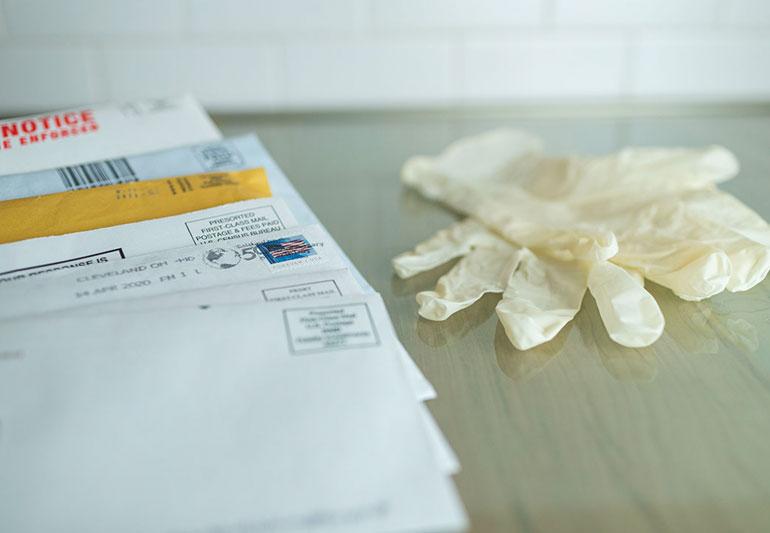
Have you ever wondered how long coronavirus can stay on your clothes? You probably touch your clothes many times a day without thinking about germs lurking on the fabric.
Knowing how long the virus survives on clothing can help you protect yourself and your loved ones better. You’ll discover important facts that can change the way you handle your laundry and daily outfits. Keep reading to find out what you need to know to stay safe and confident every time you dress up.
Virus Lifespan On Fabrics
Understanding how long coronavirus survives on clothing is crucial for managing everyday safety. The virus lifespan on fabrics varies widely, depending on several factors. Knowing these details helps you make smarter choices about handling and washing your clothes.
Factors Influencing Survival Time
The type of fabric plays a big role in how long the virus can stay active. Smooth, non-porous materials often allow the virus to live longer compared to porous fabrics that absorb moisture quickly. Temperature and humidity levels around your clothing also affect virus survival.
For example, the virus tends to last longer in cooler, dryer conditions. If you’ve ever noticed your clothes feeling damp and musty, that moisture actually helps reduce the virus’s lifespan. How often do you consider these environmental factors when deciding how to care for your clothes?
Comparison Across Fabric Types
| Fabric Type | Estimated Virus Survival Time | Notes |
|---|---|---|
| Polyester | Up to 3 days | Smooth surface, virus survives longer |
| Cotton | Less than 1 day | Absorbs moisture, reduces virus lifespan |
| Silk | Up to 2 days | Moderate absorption and smoothness |
| Wool | Less than 1 day | Porous and moisture-absorbing fabric |
Seeing this breakdown, you might wonder how your daily wardrobe choices impact your risk. Opting for natural fabrics like cotton or wool can naturally limit virus survival on your clothes. Have you checked the fabric labels on your favorite outfits lately?
Impact Of Environmental Conditions
The survival of coronavirus on clothing doesn’t happen in a vacuum. Environmental conditions play a huge role in how long the virus can remain active on fabric surfaces. Understanding these factors can help you decide how to handle your clothes safely after exposure.
Temperature Effects
Temperature directly affects virus survival times on clothing. Higher temperatures tend to shorten the virus’s lifespan, while cooler environments allow it to linger longer.
For instance, if you hang your clothes outside on a warm day, the virus may die off within hours. But in cold weather, the virus can survive for days, increasing the risk of transmission.
Have you noticed how your winter jackets seem to hold onto odors longer? That’s partly because lower temperatures slow down the breakdown of particles, including viruses.
Humidity Levels
Humidity impacts how the virus behaves on fabric too. Low humidity usually dries out virus particles faster, reducing their survival time.
On the other hand, high humidity can create a moist environment that helps the virus persist. This is why indoor spaces with poor ventilation and high humidity might pose a higher risk.
Think about how your clothes feel in different seasons—dry in winter and damp in summer. That moisture difference can influence viral survival without you even realizing it.
Sunlight And Uv Exposure
Sunlight is one of the most effective natural disinfectants for your clothes. Ultraviolet (UV) rays can damage the virus’s genetic material, rendering it inactive.
Drying clothes in direct sunlight not only freshens them but also reduces the chance that coronavirus remains viable on the fabric.
Have you ever noticed how sun-dried laundry smells cleaner? That fresh scent comes with the added benefit of UV light breaking down harmful microbes.
Transmission Risks From Clothing
Understanding how coronavirus spreads through clothing can help you protect yourself better. Clothes may seem harmless, but they can carry viruses if exposed to infected droplets. Knowing the risks lets you take smart steps to reduce contamination and stay safe.
Contact And Contamination
The virus mainly spreads when contaminated droplets land on your clothes. Touching your clothing and then your face can transfer the virus to your hands or mouth. This risk grows if you wear the same clothes for days without washing, especially after being in crowded places.
Think about times you’ve worn a jacket or scarf outside and then absentmindedly touched your face. That simple action might let the virus move from fabric to your skin. You can lower this risk by washing clothes regularly and avoiding touching your face when you’re out.
Real-world Case Studies
Research shows the virus can survive on fabric for several hours to a few days, depending on the material and environment. In one study, coronavirus lasted up to 2 days on cotton and up to 7 days on synthetic fabrics under lab conditions. But actual transmission from clothing remains rare.
One case involved healthcare workers who changed scrubs frequently to prevent contamination. Hospitals emphasize laundering uniforms daily to cut down risks. This practical step has been key in reducing infections among frontline staff.
Have you noticed how often you clean your clothes after a day out? Simple habits like this can make a big difference in stopping virus spread through fabric. What’s your routine for keeping your clothing safe?
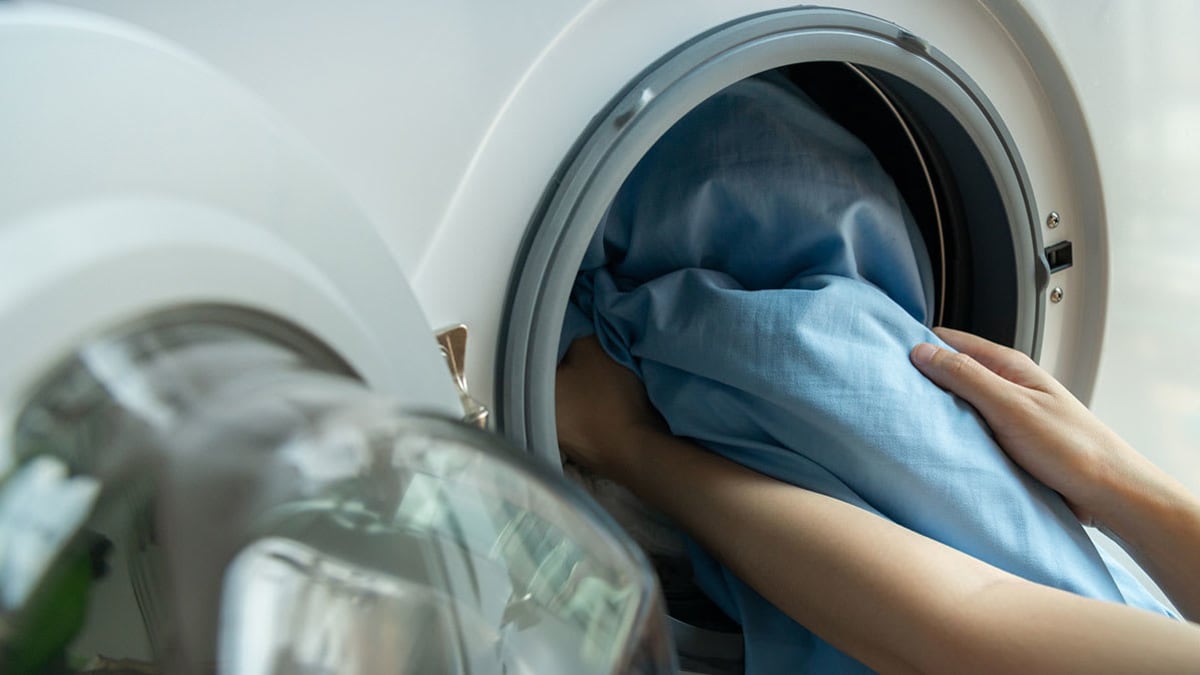
Credit: www.consumerreports.org
Effective Disinfection Methods
Effective disinfection methods are essential to reduce coronavirus survival on clothing. Proper cleaning removes virus particles and lowers infection risk. Using the right techniques ensures clothes are safe to wear again.
Washing Techniques
Wash clothes with warm water, at least 60°C (140°F). Use a regular laundry cycle for thorough cleaning. Separate contaminated clothes from others to avoid cross-contamination. Avoid shaking dirty clothes to reduce virus spread in the air.
Use Of Sanitizers And Detergents
Choose detergents with disinfectant properties to kill viruses effectively. Adding laundry sanitizer boosts virus removal, especially for delicate fabrics. Follow product instructions carefully for best results. Avoid mixing different cleaning products to prevent harmful reactions.
Drying And Ironing
Dry clothes completely using a high heat setting in the dryer. Sun drying also helps due to ultraviolet rays that kill viruses. Iron clothes at the highest safe temperature to destroy remaining virus particles. Heat treatment adds an extra layer of protection for your garments.
Precautionary Measures For Clothing
Clothing can carry coronavirus particles for hours to days. Taking careful steps protects you and others. Clean habits help stop the virus from spreading through fabric.
Proper handling and storage of clothes reduce infection risks. Knowing safe practices keeps your environment healthy.
Handling Potentially Contaminated Clothes
- Wear gloves when touching clothes from outside.
- Do not shake clothes to avoid spreading particles.
- Place dirty clothes directly into a laundry basket.
- Wash hands immediately after handling clothes.
- Use hot water and detergent for washing.
- Dry clothes completely on high heat if possible.
Storage And Transportation Tips
- Keep used clothes in a sealed plastic bag until washing.
- Store clean clothes separately from dirty ones.
- Disinfect laundry baskets and storage areas often.
- Transport clothes in bags that can be cleaned or discarded.
- Do not share clothes with others during outbreaks.

Credit: www.goodrx.com
Myths And Misconceptions
Many people hold wrong ideas about how long coronavirus stays on clothing. These myths cause confusion and fear. Understanding facts helps us stay safe without worry.
Common False Beliefs
- Coronavirus can live on clothes for days and infect you anytime.
- Wearing the same clothes repeatedly spreads the virus easily.
- Only new or clean clothes stop the virus from spreading.
- Dry clothes can still carry the virus for a long time.
- Washing clothes is not enough to kill the virus completely.
Scientific Clarifications
Studies show the virus survives shorter on fabrics than on hard surfaces.
The virus loses strength faster on porous materials like cotton.
Washing clothes with regular detergent removes and kills the virus well.
Drying clothes under sun or in warm air speeds up virus breakdown.
Handling worn clothes with clean hands and washing prevents spread.

Credit: health.clevelandclinic.org
Frequently Asked Questions
How Long Can Coronavirus Live On Clothing?
Coronavirus can survive on clothing for 1 to 2 days, depending on fabric type and environmental conditions like temperature and humidity.
Does Washing Clothes Remove Coronavirus Effectively?
Yes, washing clothes with detergent and warm water effectively removes and kills coronavirus, reducing the risk of transmission.
Can Coronavirus Spread Through Touching Contaminated Clothes?
Touching contaminated clothes may transfer the virus, but the risk is low if hands are washed promptly after contact.
What Fabric Types Hold Coronavirus Longer?
Non-porous fabrics like polyester may hold coronavirus longer than porous fabrics like cotton, which absorb and dry faster.
Conclusion
Coronavirus can survive on clothing for hours to days. Factors like fabric type and temperature affect this time. Washing clothes with soap removes the virus safely. Drying clothes thoroughly also helps kill germs. Avoid touching your face after handling worn clothes.
Regular cleaning reduces the chance of spreading infection. Staying careful keeps you and others safer every day. Simple habits make a big difference in stopping the virus. Keep your clothes clean and practice good hygiene always.

