Have you ever thought about how the clothes you wear do more than just cover your body? The right outfit can actually protect you, boost your confidence, and help you succeed in many areas of life.
From staying safe in harsh weather to making a great first impression, your clothes play a bigger role than you might realize. Keep reading to discover how choosing what you wear can help you not just survive, but truly thrive every day.
Credit: yubanet.com
Choosing Fabrics For Survival
Choosing the right fabric plays a crucial role in survival situations. Clothes are more than just protection from the elements. They help regulate body temperature, keep moisture away, and endure rough conditions. Selecting fabrics wisely can make the difference between discomfort and safety.
Natural Vs Synthetic Materials
Natural fabrics include cotton, wool, and silk. These materials breathe well and feel soft on the skin. Wool keeps you warm even when wet. Cotton absorbs moisture but dries slowly, which can cause chills.
Synthetic fabrics like polyester and nylon dry quickly. They resist wind and water better than natural fibers. Synthetics are lighter and often stronger. Choosing the right fabric depends on the environment and activity.
Breathability And Moisture Management
Breathable fabrics allow air to flow through, keeping you cool. Moisture-wicking fabrics pull sweat away from the skin. This helps to prevent rashes and chills. Avoid fabrics that trap moisture. Wet clothes can cause hypothermia in cold weather.
Look for fabrics that balance breathability and moisture control. This keeps your body dry and comfortable during physical activity.
Durability In Harsh Conditions
Survival clothing must resist tears, abrasions, and rough terrain. Strong fabrics last longer and protect better. Synthetics often offer higher durability than natural fibers.
- Ripstop nylon resists tearing and ripping.
- Polyester holds color and shape after washing.
- Wool remains durable despite heavy use.
Choose fabrics that withstand the environment you face. Durable clothes reduce the need for frequent replacements.
:max_bytes(150000):strip_icc()/BTS-shopping-GettyImages-1152308006-4465cb351edf474cabfb60c49a0cf520.jpg)
Credit: www.parents.com
Layering Strategies
Mastering layering strategies can change how you handle different environments. Each layer plays a unique role in keeping you comfortable and safe, whether you’re hiking in chilly mountains or navigating a windy city street. Understanding how to mix and match these layers gives you control over your body temperature and protection, no matter the weather.
Base Layers For Temperature Control
Your base layer sits directly on your skin. Its job is to manage moisture by wicking sweat away from your body. Look for materials like merino wool or synthetic fibers—they dry quickly and prevent chills.
Have you ever felt clammy and cold after sweating? That’s usually because your base layer isn’t doing its job. Choosing the right base layer can keep you dry and comfortable, making a huge difference in your endurance and mood.
Insulating Layers For Warmth
Insulating layers trap heat close to your body, acting like a warm barrier. Fleece jackets, down vests, or synthetic fills work well here. You can add or remove these layers depending on how cold it is.
Think about a time when you underestimated the cold and had to stop to warm up. An effective insulating layer could have kept you going longer. It’s about balancing warmth and mobility—too thick, and you’ll overheat; too thin, and you’ll freeze.
Outer Layers For Protection
The outer layer shields you from wind, rain, and snow. It should be waterproof or at least water-resistant and breathable. Jackets with adjustable hoods and vents provide flexibility for changing weather.
Imagine being caught in a sudden downpour without a proper outer layer—how uncomfortable and risky that can be. Your outer layer is your first line of defense against the elements, so choose one that fits your activity and climate well.
Clothing For Different Climates
Clothing plays a vital role in keeping you safe and comfortable in any climate. Choosing the right clothes helps your body adjust to temperature changes and protects you from harsh weather. Different climates demand different types of clothing to help you survive and thrive outdoors.
Understanding how to dress properly for hot, cold, and wet weather ensures your body stays healthy. Each climate needs specific materials and layering techniques. Wearing the right clothes prevents heat loss, overheating, or getting soaked.
Hot Weather Clothing Tips
- Wear light-colored clothes to reflect sunlight.
- Choose loose, breathable fabrics like cotton or linen.
- Cover skin with long sleeves and hats to avoid sunburn.
- Use moisture-wicking materials to keep sweat away from skin.
- Opt for lightweight and ventilated shoes.
Cold Weather Clothing Tips
- Layer clothes to trap heat between layers.
- Start with a moisture-wicking base layer.
- Add an insulating middle layer such as fleece or wool.
- Wear a waterproof and windproof outer layer.
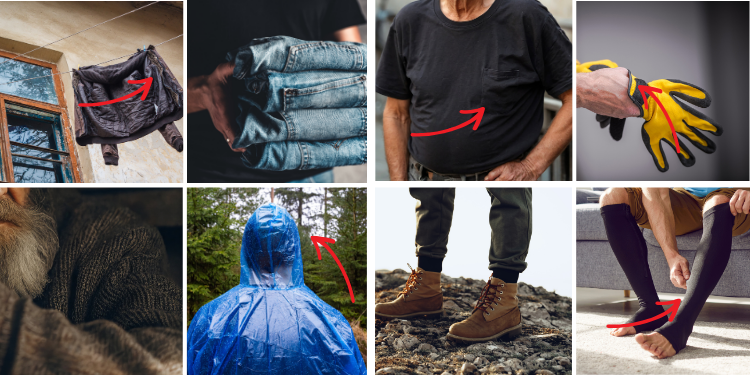
- Protect extremities with gloves, hats, and warm socks.
Wet Weather Gear Essentials
- Choose waterproof jackets and pants with sealed seams.
- Wear quick-drying fabrics to avoid staying damp.
- Use water-resistant boots to keep feet dry.
- Carry an umbrella or rain poncho for extra cover.
- Pack extra dry clothes in waterproof bags.
Credit: www.askaprepper.com
Multi-functional Clothing Features
Multi-functional clothing features turn your wardrobe into a powerful survival tool. They offer more than just style—they add convenience, safety, and adaptability to your daily life. Think about garments designed to adjust to different needs, protect you from hazards, and keep your essentials close without extra baggage.
Convertible Garments
Convertible garments give you flexibility on the go. Jackets that zip off into vests or pants that turn into shorts let you adapt quickly to changing weather. Imagine hiking through a sudden rainstorm and then facing blazing sun—having clothes that transform means you stay comfortable without carrying extra layers.
Have you ever struggled with packing too many clothes for a trip? Convertible pieces reduce bulk and weight, freeing up space for other essentials. They also save time since you don’t need to change completely; a quick zip or fold can change your outfit instantly.
Hidden Pockets And Storage
Hidden pockets offer secure storage for your valuables without the need for a bag. They keep your phone, cash, and keys safe from pickpockets and loss. When you’re in crowded places or traveling, this extra layer of security can be a game-changer.
Some clothing even includes secret compartments for emergency items like a small knife, whistle, or first aid supplies. Wouldn’t it feel reassuring to carry these essentials discreetly? This feature also helps you stay hands-free, which is crucial during outdoor adventures or urban exploration.
Uv And Insect Protection
Clothes with built-in UV protection shield your skin from harmful sun rays, lowering the risk of sunburn and long-term damage. This is especially valuable if you spend hours outdoors, whether working, hiking, or just enjoying a day in the sun.
Insect-repellent fabrics guard against bites that can cause discomfort or transmit diseases. You don’t have to rely solely on sprays or lotions, which can wash off or irritate your skin. Wouldn’t wearing protective clothing give you peace of mind during camping or gardening?
Maintaining And Repairing Clothes
Maintaining and repairing clothes plays a vital role in survival and thriving outdoors. Clothes protect from weather, insects, and rough terrain. Keeping them clean and intact ensures comfort and safety. Small repairs prevent larger damage, saving resources and time. Understanding simple techniques to care for clothes boosts durability and performance during adventures.
Cleaning Techniques In The Wild
Clean clothes reduce skin problems and improve comfort. Use clean water from streams or collected rain. Avoid harsh soaps that damage fabric or pollute nature. Natural alternatives like sand or ash can scrub dirt effectively.
- Shake off dirt and debris before washing.
- Use cold water to rinse and preserve fabric.
- Dry clothes in the sun to kill germs and odors.
Simple Repairs To Extend Use
Small tears and loose threads need quick fixes. Carry a needle, thread, and safety pins in a survival kit. Patch holes with fabric scraps or duct tape for temporary protection. Repairing prevents exposure to cold and insects.
- Sew torn seams with strong stitches.
- Use safety pins to hold fabric together until sewing is possible.
- Replace missing buttons or fasteners immediately.
Preserving Clothing Longevity
Store clothes properly to avoid damage. Keep them dry to prevent mold and mildew. Rotate clothing to reduce wear on any one piece. Avoid exposing clothes to direct flames or sharp objects.
- Fold clothes neatly and store in waterproof bags.
- Clean clothes before storing to remove dirt and oils.
- Inspect regularly for damage and repair early.
Psychological Benefits Of Clothing
Clothing impacts more than just our appearance. It plays a key role in our mental well-being. Wearing the right clothes can lift our mood and help us face challenges. The psychological benefits of clothing help us survive and thrive in tough situations.
Boosting Confidence And Morale
Wearing clothes that feel good can boost confidence instantly. When you look good, you feel stronger inside. This boost in morale helps you tackle problems with a clear mind. Clothes act like armor, protecting you from stress and fear. Even simple changes, like a clean shirt or bright color, can improve your mood.
Expressing Identity In Tough Situations
Clothing allows you to show who you are, even in hard times. It expresses your culture, values, and personality without words. This sense of identity gives you strength and comfort. It reminds you of your roots and helps you stay true to yourself. Wearing familiar or meaningful clothes can create a feeling of control and hope.
Frequently Asked Questions
How Do Clothes Protect You From Harsh Environments?
Clothes act as a barrier against extreme weather, UV rays, and insects. They regulate body temperature and prevent injuries. Proper clothing enhances comfort and safety in various conditions.
Can Clothing Improve Mental Well-being And Confidence?
Yes, wearing comfortable and stylish clothes boosts self-esteem. It influences mood and social interactions positively. Dressing well promotes a sense of control and personal identity.
What Fabrics Are Best For Survival Situations?
Natural fibers like wool and cotton are breathable and durable. Synthetic fabrics dry quickly and provide insulation. Choosing the right fabric depends on the environment and activity.
How Do Clothes Help In Physical Survival Tasks?
Clothes offer mobility and protection during physical activities. Reinforced areas prevent abrasions and injuries. Specialized gear supports endurance and reduces fatigue in challenging conditions.
Conclusion
Clothes do more than cover your body. They protect you from weather and danger. The right outfit helps you feel confident and ready. Choosing clothes wisely keeps you safe and comfortable. Simple fabric choices can improve your daily life. Dressing smartly lets you face challenges with ease.
Never underestimate the power of good clothing. It helps you survive tough times and thrive every day.

