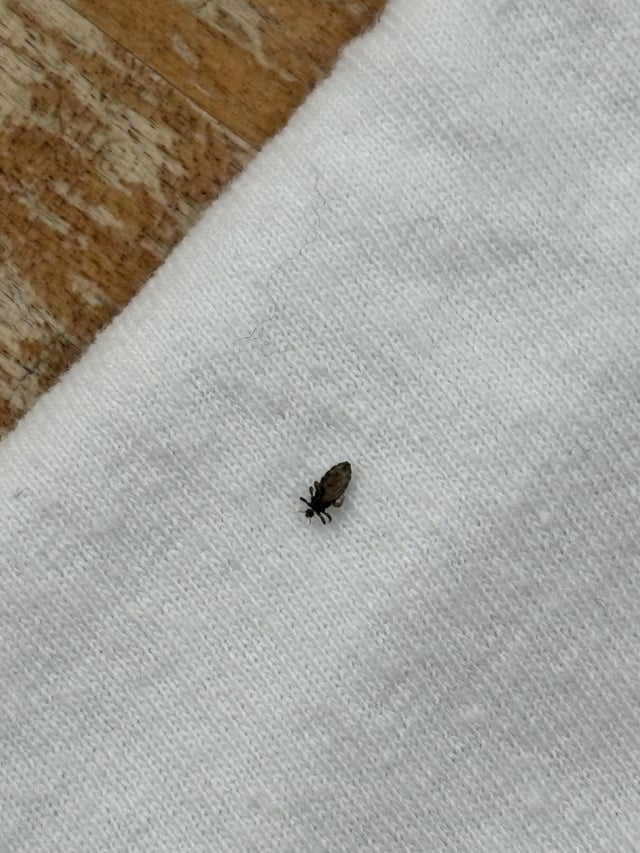
Have you ever wondered if lice can live on your clothes? It’s a common concern, especially when you want to protect yourself and your family from these tiny pests.
Knowing whether lice survive in clothes can help you take the right steps to stop them from spreading. You’ll discover the facts about lice and clothing, and learn simple ways to keep your clothes lice-free. Keep reading—your peace of mind is just a few lines away.
Credit: www.discovermagazine.com
Lice Basics
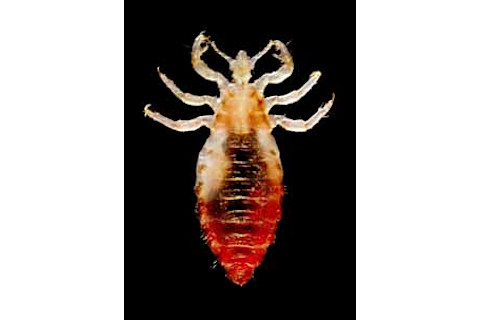
Lice are tiny insects that live on the human scalp and feed on blood. Understanding their basics helps to know how they survive and spread. Lice do not jump or fly but crawl quickly from one person to another. Their survival outside the human body is limited, especially on clothes and fabrics. Knowing their types and life cycle is key to controlling and preventing infestations.
Types Of Lice
- Head Lice:Most common type, found on the scalp and hair.
- Body Lice:Live on clothing and move to the skin to feed.
- Pubic Lice:Also known as crab lice, found in pubic hair.
Each type prefers a specific area of the body. Body lice are the only ones that live primarily on clothes. Head lice mainly stay on hair strands. Pubic lice attach to coarse hair in the genital area.
Lice Life Cycle
- Eggs (Nits):Tiny, oval, glued to hair shafts near the scalp.
- Nymphs:Young lice hatch from eggs in about 7-10 days.
- Adults:Mature lice live up to 30 days on the scalp.
Lice need human blood to survive. Without it, they die in 1-2 days. Eggs need warmth to hatch, so they rarely survive off the scalp. Understanding this cycle helps in effective treatment and prevention.

Credit: www.medicalnewstoday.com
Lice And Clothing
Understanding how lice interact with clothing can help you control their spread effectively. Many people wonder if lice can live on clothes and how they might transfer through garments. Knowing the facts can guide you in protecting yourself and your family from these pesky insects.
Can Lice Live On Clothes?
Lice primarily live on human scalp hair where they find warmth and food by feeding on blood. They cannot survive long on clothes because they need a human host to stay alive.
Typically, lice may cling to clothing for a few hours, especially near the collar or seams where they can stay close to the scalp. However, without a host, they usually die within 24 to 48 hours.
This short survival time means that lice do not infest clothes the same way they infest hair. Still, you should treat clothing with care to avoid re-infestation.
How Lice Transfer Through Clothes
Lice do not jump or fly; they crawl. Transfer happens mainly through direct contact between infested hair and another person’s hair or scalp. But can clothes play a role?
Yes, lice can move to clothes if they are in close contact with the scalp or hair. For example, sharing hats, scarves, or helmets can allow lice to crawl onto these items and then onto another person’s head.
Think about situations like sports practice or school where kids might share belongings. Lice can hitch a ride on these items, but only for a short time. This is why washing clothes and personal items in hot water and drying them on high heat is crucial.
- Avoid sharing hats, scarves, and hair accessories.
- Wash clothes, bed linens, and towels frequently during an infestation.
- Use a hot dryer cycle to kill any lice or eggs on fabrics.
Have you ever noticed lice hiding in the seams of a jacket or hat? It’s a reminder that lice can use clothing as temporary shelter but won’t thrive there long-term.
Survival Time Outside The Host
Lice need a human host to survive and feed on blood. Outside the scalp, their survival chances drop quickly. Understanding how long lice live on clothes helps in preventing their spread. The survival time depends on several factors, including the type of fabric and environmental conditions.
Lice Lifespan On Fabric
Lice can live up to 24-48 hours on clothes. Without a blood meal, they weaken fast. They cannot jump or fly, so they rely on close contact. Lice cling to fibers but die without a host. Their eggs, called nits, do not hatch off the scalp.
Conditions Affecting Lice Survival
- Temperature:Lice survive longer in cooler, humid places.
- Humidity:Dry clothes reduce lice lifespan significantly.
- Fabric Type:Rough fabrics trap lice better than smooth ones.
- Time:After 48 hours, lice on clothes usually die.
Keeping clothes clean and dry helps control lice spread. Regular washing and drying on high heat kills lice effectively.

Credit: www.fhi.no
Preventing Lice Spread Through Clothes
Preventing lice spread through clothes is essential to stop reinfestation. Lice can cling to fabric and move to new hosts. Handling clothes carefully helps reduce the risk of spreading lice. Clean and disinfect clothes and bedding properly to keep lice away.
Washing And Drying Tips
Wash clothes in hot water to kill lice and their eggs. Use water heated to at least 130°F (54°C). Dry clothes on the highest heat setting for 20 minutes or more. Heat kills lice hiding in fabric. Avoid shaking clothes before washing to prevent lice from spreading.
Separate contaminated clothes from clean ones. Use a sealed bag for transporting infested items. Clean laundry machines after use to avoid cross-contamination.
Disinfecting Clothes And Bedding
For items that cannot be washed, use sealing in plastic bags. Leave them sealed for 2 weeks to starve lice. Vacuum furniture and carpets where clothes may have touched. Use a lice-killing spray safe for fabrics if needed.
Regular cleaning of bedding and clothes cuts lice survival chances. Keep personal items separate to prevent spreading. Consistent cleaning helps maintain a lice-free environment.
Myths About Lice And Clothes
Lice and clothes often spark confusion and myths. Many people worry that lice can easily survive and spread through clothing, but not all beliefs are true. Let’s clear up some common myths and see what science actually says about lice and clothes.
Common Misconceptions
One popular myth is that lice can live for days on your clothes. Many think that simply wearing a hat or jacket worn by someone with lice can cause an infestation. Another misconception is that lice can jump or fly from one person’s clothing to another, making it seem like lice are everywhere.
Have you ever wondered if leaving your clothes untouched for a few hours will make lice disappear? Some believe lice eggs, or nits, can hatch on clothes just like on hair. These ideas often cause unnecessary panic and over-cleaning.
Facts Backed By Science
Science shows that lice need human scalp warmth and blood to survive. Away from the scalp, lice usually live less than 24-48 hours. Clothes, unlike hair, do not provide the right environment for lice to thrive.
Lice cannot jump or fly; they crawl. Transmission through shared clothes is rare because lice prefer the scalp and avoid unfamiliar surfaces. Washing clothes in hot water and drying them on high heat is enough to kill lice and nits.
Understanding the real behavior of lice can help you focus on effective treatments instead of unnecessary cleaning routines. Next time you worry about lice on clothes, ask yourself: is it a fact or just a myth?
Frequently Asked Questions
Can Lice Live On Clothes Or Only On Hair?
Lice primarily live on hair and scalp, not on clothes. They need blood to survive, which they get from the scalp. Clothes can carry lice briefly but are not their preferred habitat. Lice may survive on clothing for up to 48 hours without a host.
How Long Can Lice Survive On Clothes?
Lice can survive on clothes for about 1-2 days without a human host. They need blood to live and cannot feed on fabric. After this period, lice usually die due to starvation and lack of warmth. Proper cleaning of clothes helps remove lice effectively.
Can Lice Spread Through Sharing Clothes?
Yes, lice can spread by sharing clothes, hats, or scarves if these items are recently worn. Lice may transfer briefly from infested hair to clothing. However, transmission through clothes is less common than direct head-to-head contact. Washing clothes in hot water kills lice and prevents spread.
What’s The Best Way To Kill Lice On Clothes?
The best way to kill lice on clothes is washing them in hot water above 130°F (54°C). Drying clothes on high heat for at least 20 minutes also kills lice and nits. Items that cannot be washed can be sealed in plastic bags for 2 weeks.
Conclusion
Lice cannot live long on clothes without a human host. They need blood to survive and usually stay close to the scalp. Washing clothes in hot water and drying them on high heat kills lice quickly. Avoid sharing clothes or hats to stop lice from spreading.
Regular cleaning and careful checks help keep lice away. Remember, lice on clothes do not survive for more than a day or two. Taking simple steps can protect your family and home from lice problems. Stay informed and act fast to stay lice-free.

