Finding the right clothing in Coastal Survival can be a real game-changer for your survival. You need gear that keeps you safe, comfortable, and ready for anything the environment throws at you.
But where do you start? How do you get the best clothes without wasting time or resources? This guide will walk you through simple, effective steps to secure the clothing you need quickly and smartly. Keep reading, and you’ll discover tips that can make all the difference in your game.

Credit: smliving.net
Clothing Basics In Coastal Survival
Clothing is a key part of surviving along the coast. It protects from cold winds, wet conditions, and sun. Choosing the right clothes helps keep you safe and comfortable. Simple, smart choices make a big difference in coastal survival.
Essential Clothing Types
- Waterproof jacket to stay dry during rain and sea spray
- Insulating layers like fleece or wool for warmth
- Lightweight, breathable shirts to avoid overheating
- Durable pants that resist tears and dry quickly
- Sturdy boots with good grip for rocky shores
- Hat to protect from sun and wind
Choosing Materials For Durability
Strong materials last longer in harsh coastal environments. Synthetic fabrics like nylon and polyester resist water and dry fast. Wool keeps warmth even when wet. Avoid cotton as it holds moisture and chills the body. Look for ripstop fabrics that stop small tears from growing.
Weather Considerations
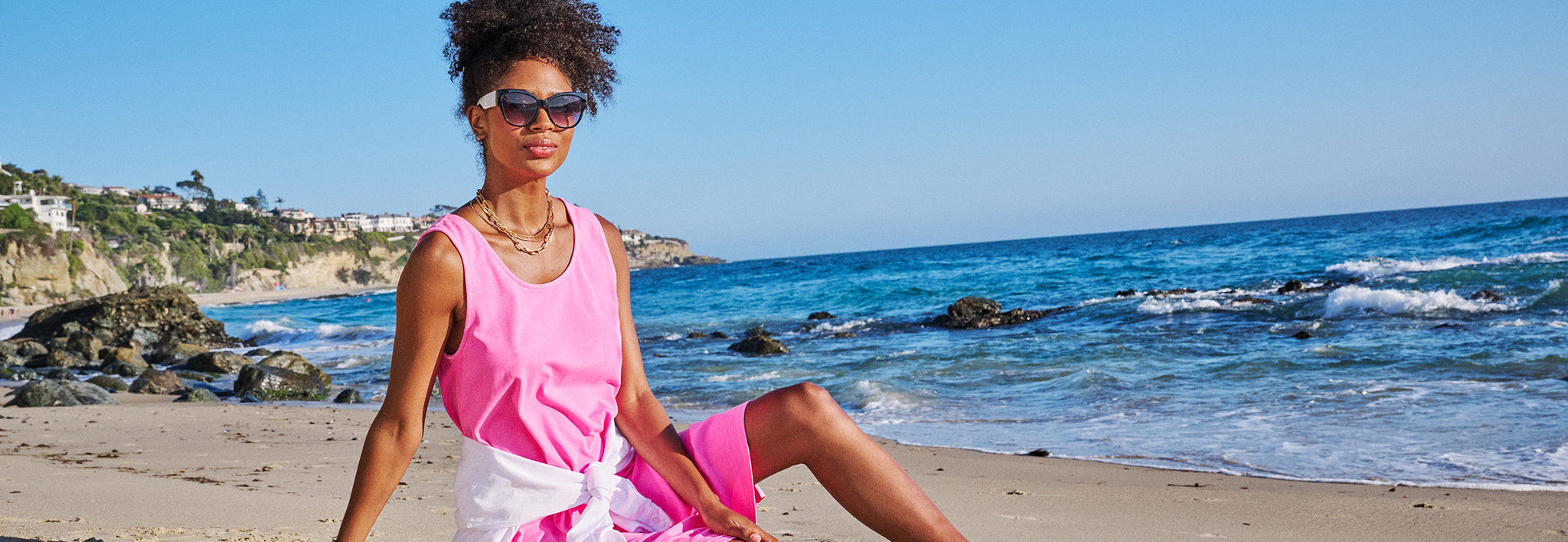
Coastal weather changes fast. Wind can make you cold quickly. Layers help adjust to temperature shifts. Rain is common, so waterproof outerwear is vital. Sun exposure demands hats and UV-protective clothing. Always prepare for wet, windy, and sunny conditions together.
Credit: freshproduceclothes.com
Sources For Clothing
Finding clothing in a coastal survival situation requires creativity and resourcefulness. Your options range from scavenging what’s left behind to making use of what nature offers. Knowing where to look and how to adapt can make a big difference in staying protected and comfortable.
Salvaging From Shipwrecks
Shipwrecks can be treasure troves for clothing and fabric materials. You might find items like jackets, shirts, or even rolls of cloth that washed ashore or remain intact in the wreckage. Always check debris carefully for usable pieces without exposing yourself to danger.
Think about the last time you found an old jacket that looked useless but turned out to be warm and waterproof. That’s exactly the kind of practical item you should be searching for amid wreckage. Could you spot something that others might overlook?
Trading With Other Survivors
In a survival setting, other people can be valuable sources of clothing. Trading items or services for garments helps you avoid using up your own limited supplies. Building trust and fair exchanges are key to making these trades successful.
Consider what you can offer in return—food, shelter, or skills. Have you thought about negotiating for a sturdy pair of boots or a warm hat? Sometimes, a simple barter can solve your clothing needs without exhausting your resources.
Using Natural Resources
Nature provides more than just food and water; you can create clothing from plants, bark, and animal hides. Fibers from plants like nettle or flax can be twisted into thread, while animal skins can be prepared for warmth and protection. This approach takes time but offers long-term benefits.
Imagine weaving strips of bark into a skirt or crafting a cape from dried leaves. Have you tried making simple tools to help in this process, like bone needles or wooden frames? Such skills enhance your survival chances and give you more control over your clothing supply.
Clothing Maintenance
Maintaining your clothing in Coastal Survival is crucial to ensure durability and comfort in harsh environments. Proper care helps your gear last longer and keeps you protected against the elements. Neglecting maintenance can quickly lead to wear and tear, leaving you vulnerable to cold, wet conditions or injury.
Cleaning And Drying Techniques
Saltwater and sand can quickly degrade your clothing if not cleaned properly. Rinse your clothes with fresh water as soon as possible to remove salt and grit. Use mild soap if necessary, but avoid harsh detergents that strip fabric oils.
Dry your gear thoroughly to prevent mold and mildew. Hang clothes in a shaded, ventilated area rather than direct sunlight, which can fade colors and weaken fibers. Have you noticed how damp clothes feel heavier and less insulating? That’s why drying is just as important as cleaning.
Repairing Tears And Damage
Tears and holes are inevitable in survival situations, but quick repairs can stop damage from worsening. Carry a small sewing kit with strong thread to stitch up rips immediately. For larger tears, patching with fabric glue or iron-on patches can save your clothing.
Don’t wait until damage grows—fix small issues right away. I once ignored a small tear in my jacket and ended up with a much bigger hole after a rough hike. How often do you check your gear for tiny flaws?
Waterproofing Methods
Keeping your clothing waterproof is key to staying dry and warm. Reapply waterproof sprays or wax treatments regularly, especially after washing. These treatments restore the water-repellent layer that wears off over time.
Test your waterproofing by sprinkling water on the surface—if it soaks in quickly, it’s time to reapply. Having reliable waterproof clothing can mean the difference between comfort and hypothermia. What waterproofing products have you found most effective in the field?
Layering For Protection
Layering clothing is essential for survival in coastal environments. It helps protect the body from cold, wind, and wet conditions. Each layer plays a unique role to keep you dry and warm. Proper layering also allows easy adjustment as weather changes.
Base Layers For Moisture Control
Base layers sit closest to your skin. Their main job is to wick sweat away. This prevents moisture build-up that can cause chills. Choose materials like polyester or merino wool. Avoid cotton because it traps wetness and cools the body quickly.
Insulating Layers For Warmth
Insulating layers keep body heat close. They act as a barrier against the cold air. Fleece and down jackets are good choices. These layers should be breathable yet thick enough to hold heat. You can add or remove these layers based on how cold it feels.
Outer Layers For Wind And Water
The outer layer shields against wind and rain. It must be waterproof and windproof but still allow sweat to escape. Look for jackets with sealed seams and adjustable hoods. This layer protects all inner layers and keeps you dry and comfortable.
Improvising Clothing
Improvising clothing in Coastal Survival is crucial when you find yourself without proper gear. Your ability to adapt and use available resources will keep you protected from harsh weather and rough terrain. Let’s look at practical ways to make clothing that serves you well in the wild.
Creating Clothing From Plants
Plants offer a surprising variety of materials that you can turn into wearable fabric. Fibers from plants like nettle, flax, and yucca can be harvested and woven into strips or cloth. You can also use large leaves or bark to create simple coverings or wraps that shield your skin.
Try stripping long fibers and twisting them into strong threads. Once woven, these threads form durable fabric that can be shaped into shirts or skirts. Have you ever tried making something useful out of the plants around you?
Using Animal Hides
Animal hides provide excellent protection and insulation. If you’ve hunted or found an animal carcass, tanning the hide makes it flexible and long-lasting. Simple tanning can be done using natural materials like wood ash or brains, which help soften the skin.
After tanning, stretch the hide and sew pieces together using sinew or strong plant fibers. This method creates sturdy jackets, pants, or moccasins. What’s your plan for getting the tools or needles needed to stitch hides?
Crafting Accessories For Comfort
Accessories like belts, hats, and gloves improve comfort and functionality. Use braided plant fibers for belts or headbands to keep hair and sweat out of your eyes. Small pouches made from leaves or scraps of hide can hold essential items close.
Consider making simple sandals by weaving plant fibers or attaching thin hide soles to foot straps. These accessories reduce discomfort and protect against cuts or sunburn. What everyday clothing item would make the biggest difference for you right now?

Credit: freshproduceclothes.com
Frequently Asked Questions
How To Find Clothing Materials In Coastal Survival?
Look for natural fibers like cotton and hemp around coastal areas. Collect driftwood and vines to craft simple garments. Salvage fabric from wreckage or abandoned camps to create or repair clothing items.
Where To Craft Clothing In Coastal Survival?
Use crafting stations like workbenches or sewing kits found in coastal camps. Combine gathered materials such as cloth, leather, and thread to create wearable clothing for protection and warmth.
What Clothing Protects Best In Coastal Survival?
Wear layered clothing made of cloth and leather for insulation. Waterproof items shield against rain and sea spray. Choose durable garments to resist wear and tear in harsh coastal environments.
Can I Trade For Clothing In Coastal Survival?
Yes, trade with NPCs or other players near coastal settlements. Offer valuable resources or crafted items in exchange for clothing and accessories to improve your gear.
Conclusion
Finding clothing in Coastal Survival takes patience and strategy. Explore different areas carefully to find useful items. Always check buildings and shorelines for supplies. Keep your inventory light to move quickly. Choose clothes that protect you from weather and enemies.
Stay alert and adapt to changing conditions. Practice these tips to improve your chances. Survival depends on smart choices and quick actions. Every piece of clothing can help you last longer. Keep trying, and you will do better each time.

