Have you ever wondered how long a virus can stick around on your clothes? You probably touch your jacket, your shirt, or your pants many times a day without thinking about it.
But what if those fabrics could hold onto germs longer than you expect? Knowing how long viruses survive on clothing can help you protect yourself and your loved ones. Keep reading to discover the surprising facts that could change the way you handle your laundry and daily wear.
Your safety might depend on it.

Credit: www.youtube.com
Virus Survival On Fabrics
Understanding how long viruses can survive on your clothes is crucial for staying safe in everyday life. Fabrics provide different environments that can either help viruses last longer or make them disappear quickly. Knowing what affects this survival can guide you in handling your laundry and clothing with more confidence.
Factors Affecting Virus Longevity
Several factors decide how long a virus can live on fabric surfaces. The type of fabric matters a lot—smooth, non-porous materials like polyester tend to let viruses survive longer than porous ones like cotton. Moisture also plays a key role; damp fabrics often keep viruses alive longer than dry ones.
Temperature affects virus survival too. Viruses generally die faster at higher temperatures, which is why washing clothes in hot water can reduce risk. Exposure to sunlight or UV light can also shorten virus lifespan on fabrics.
- Fabric type:synthetic vs. natural fibers
- Moisture level:dry vs. damp conditions
- Temperature:cold vs. warm environments
- Exposure to sunlight or UV light
Types Of Viruses And Their Persistence
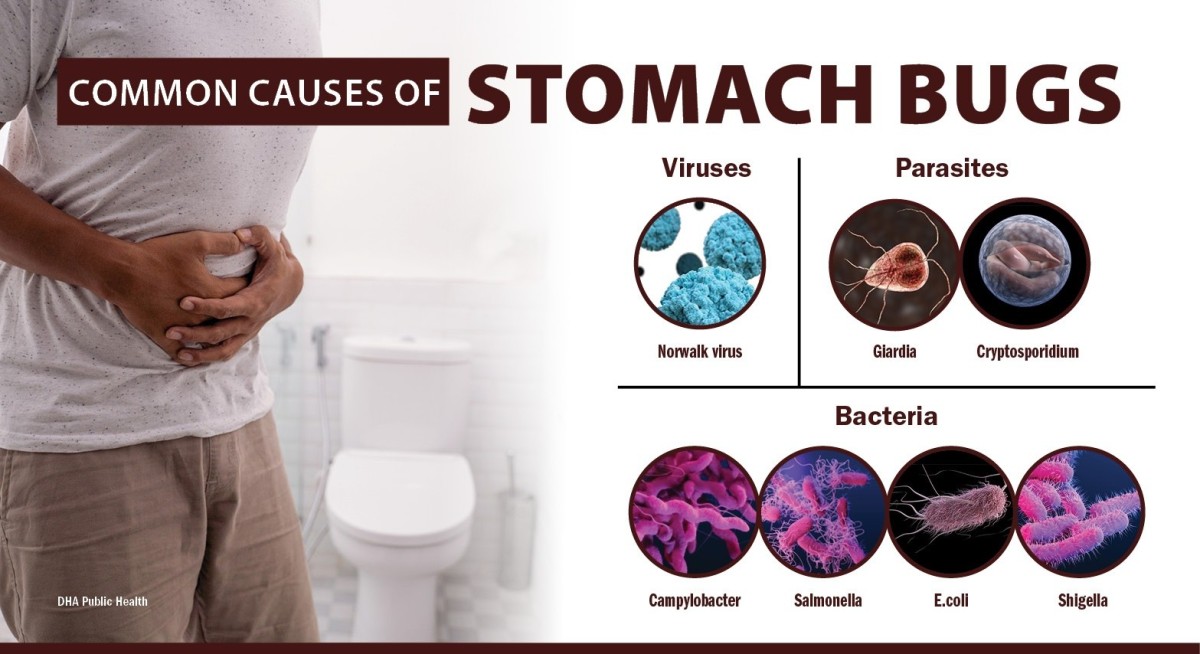
Not all viruses behave the same on fabrics. Respiratory viruses like influenza or coronaviruses can survive from a few hours up to several days depending on conditions. On the other hand, some viruses such as norovirus, known for causing stomach flu, can cling to fabrics for days or even weeks.
Understanding the specific virus you’re concerned about helps you make better choices about cleaning and handling clothes. For example, if you suspect exposure to flu viruses, washing your clothes promptly and thoroughly can minimize risks. But for more stubborn viruses, you might need extra care, like using disinfectant laundry additives.
| Virus Type | Approximate Survival Time on Fabrics | Notes |
|---|---|---|
| Influenza Virus | 8 to 24 hours | Survives longer on synthetic fabrics |
| Coronavirus (e.g., SARS-CoV-2) | 2 to 3 days | Shorter survival on cotton |
| Norovirus | Up to 2 weeks | Highly persistent, resistant to some cleaning |
Have you ever wondered if simply hanging your clothes outside could reduce virus risks? Sunlight and fresh air can significantly lower virus survival, making outdoor drying a smart habit. This small step could add an extra layer of protection for you and your family.
Credit: health.clevelandclinic.org
Influence Of Fabric Material
The type of fabric plays a key role in how long a virus can live on clothing. Different materials hold moisture and trap particles differently. This affects how viruses survive and move on the surface. Understanding fabric influence helps in choosing safer clothes and proper cleaning methods.
Natural Vs Synthetic Fibers
Natural fibers like cotton and wool absorb moisture quickly. This moisture can reduce virus survival time by drying out viral particles. These fibers also breathe well, allowing air to pass through easily.
Synthetic fibers, such as polyester and nylon, do not absorb moisture well. They hold viruses longer because the surface stays damp. The smooth texture of synthetics also protects viruses from drying out.
- Cotton dries faster, reducing virus lifespan.
- Polyester holds moisture, extending virus survival.
- Natural fibers may break down viruses quicker.
- Synthetics offer a shielded environment for viruses.
Impact Of Fabric Texture And Weave
Fabric texture and weave density affect virus retention. Looser weaves allow faster drying and less virus survival. Tight weaves trap moisture and particles, helping viruses last longer.
Rough textures can break virus shells faster. Smooth textures protect viruses by limiting air exposure. The combination of weave and texture decides how long viruses stay active.
| Fabric Feature | Effect on Virus Survival |
|---|---|
| Loose Weave | Faster drying, shorter virus lifespan |
| Tight Weave | Traps moisture, longer virus survival |
| Rough Texture | Damages viruses, reduces survival |
| Smooth Texture | Protects viruses, extends survival |
Environmental Conditions
Environmental conditions play a crucial role in how long a virus can survive on your clothing. Different factors like temperature, humidity, and sunlight can either shorten or extend the lifespan of viruses on fabric. Understanding these elements helps you make better choices about handling and washing clothes during times of viral outbreaks.
Temperature Effects
Temperature significantly impacts virus survival on clothing. Higher temperatures tend to kill viruses faster, while cooler temperatures allow them to stay active longer. For example, a virus might survive for several days on a sweater left in a cold room but only a few hours on clothing exposed to warm indoor heat.
Have you noticed how washing clothes in hot water can help remove germs more effectively? That’s because heat disrupts the virus’s structure, making it less infectious. So, adjusting your laundry temperature can be a simple yet powerful step in keeping your clothes virus-free.
Humidity And Moisture Role
Humidity and moisture levels also affect virus survival on fabric. Viruses generally live longer in damp environments because moisture helps protect their outer layer. If your clothes stay wet or damp for hours, it creates a perfect environment for viruses to linger.
On the flip side, dry conditions tend to reduce virus lifespan. Think about how quickly your clothes dry in sunlight or a warm room—you’re not just drying fabric, you’re also reducing the chance for viruses to stick around. Keeping clothes dry is a practical tip you can use daily.
Sunlight And Uv Exposure
Sunlight, especially ultraviolet (UV) rays, has a powerful effect on virus survival on clothing. UV light damages the virus’s genetic material, rendering it inactive. Hanging your clothes outside in direct sunlight can help disinfect them naturally and quickly.
Many people overlook this simple method, but it’s surprisingly effective. Next time you wash your clothes, try drying them in the sun and notice how it boosts your confidence in their cleanliness. Could sunlight be your easiest ally in reducing viral risks?

Credit: health.clevelandclinic.org
Virus Transfer From Clothing
Clothing can act as a silent carrier for viruses, transferring them from one surface to your hands, face, or other objects. Understanding how viruses move through fabrics helps you protect yourself and others more effectively. Let’s examine how this transfer happens and what risks you face in daily life.
How Viruses Spread Via Fabrics
Viruses land on clothing mainly through droplets from coughs, sneezes, or touching contaminated surfaces. Fabrics vary in how long they hold viruses; some materials trap viruses longer than others. For example, smooth synthetic fibers often let viruses survive longer than porous cotton.
Once on your clothes, viruses can transfer to your hands if you touch the contaminated spot. From there, it’s a short path to your eyes, nose, or mouth—common entry points for infections. Have you noticed touching your face after adjusting your shirt or jacket?
Washing clothes with detergent breaks down the virus’s outer layer, making it inactive. So, regular laundering is a simple but powerful way to stop the spread through fabrics.
Risk Levels In Everyday Settings
Your risk of picking up viruses from clothing changes with where you are and what you do. Crowded places like public transport or gyms increase the chance your clothes will pick up viruses. On the other hand, staying mostly at home lowers that risk significantly.
Think about your daily routine: do you often wear the same jacket outside and then sit on your couch? This habit can bring viruses indoors, exposing family members. Changing and washing outerwear after high-risk activities can reduce this risk.
In healthcare or care-giving roles, the risk is higher because you’re closer to infected individuals. Protective clothing and frequent changes are necessary to prevent virus transfer. How often do you clean your work clothes compared to your casual wear?
Safe Handling And Cleaning
Safe handling and cleaning of clothing play a crucial role in minimizing the risk of virus transmission. Viruses can cling to fabric fibers, making it important to adopt cleaning habits that effectively remove or kill pathogens. Understanding how to treat your clothes can protect you and those around you.
Effective Washing Techniques
Use the hottest water setting that the fabric can tolerate to wash your clothes. Heat helps break down the virus structure, making it less likely to survive. Always separate heavily soiled items from regular laundry to prevent cross-contamination.
Adding an extra rinse cycle can help remove residual detergent and any lingering particles. If you’ve recently been exposed to a virus, consider washing your clothes immediately rather than letting them sit. This reduces the time viruses have to survive on fabric.
Use Of Disinfectants And Detergents
Regular laundry detergents are effective at removing viruses because they break down the lipid membrane surrounding many viruses. Adding a disinfectant specifically designed for fabrics can increase your laundry’s germ-killing power.
Look for products with ingredients like hydrogen peroxide or quaternary ammonium compounds. Always check the label to ensure the disinfectant is safe for your fabric type and follow the recommended usage instructions carefully.
Drying Methods That Reduce Risk
Heat from drying is a powerful tool against viruses. Using a high heat setting on your dryer can further reduce the chance of viruses surviving on clothing.
If you prefer air drying, place clothes in direct sunlight when possible. UV rays from the sun can help deactivate viruses, providing an added layer of protection.
Have you ever thought about how long viruses might linger if you skip these steps? Taking a few extra minutes during laundry can make a big difference for your health and safety.
Preventive Measures
Viruses can survive on clothing for varying times, depending on the type and fabric. Taking preventive measures reduces the risk of contamination. These simple steps help keep your clothes safe and clean.
Proper Clothing Storage
Store clothes in a clean, dry place away from dust and moisture. Use sealed containers or bags to prevent germs from settling on fabric. Keep worn clothes separate from clean ones until washed. Avoid piling clothes on the floor or shared surfaces.
Protective Clothing Tips
Wear masks and gloves when handling potentially contaminated clothes. Choose fabrics that are easier to wash and dry quickly. Change clothes immediately after exposure to crowded places or sick individuals. Wash clothes at high temperatures to kill viruses effectively.
Personal Hygiene Practices
Wash hands thoroughly before and after touching clothes. Avoid touching your face while handling worn garments. Use disinfectants on laundry baskets and storage areas regularly. Dry clothes completely under sunlight or in a dryer to reduce virus survival.
Frequently Asked Questions
How Long Do Viruses Survive On Clothing Fibers?
Viruses can survive on clothing from a few hours up to several days. Survival depends on virus type, fabric, and environmental conditions like humidity and temperature.
Does Fabric Type Affect Virus Survival On Clothes?
Yes, viruses tend to survive longer on synthetic fabrics than natural fibers. Porous materials like cotton reduce virus lifespan by absorbing and drying droplets faster.
Can Washing Clothes Eliminate Viruses Completely?
Proper washing with detergent and warm water effectively removes and kills most viruses on clothing. Using hot water and drying clothes thoroughly enhances virus elimination.
Is It Safe To Handle Clothes After Virus Exposure?
Handling exposed clothes is generally safe if you avoid touching your face. Wash hands immediately after handling and wash clothes promptly to reduce infection risk.
Conclusion
Viruses can survive on clothing for hours to days. The type of fabric and environment matter a lot. Warm temperatures and sunlight help kill viruses faster. Washing clothes regularly reduces the risk of infection. Avoid touching your face after handling worn clothes.
Stay careful but don’t worry too much. Clean habits keep you and others safe. Small actions can make a big difference. Keep your clothes clean and dry to limit virus survival. Simple steps protect your health every day.

