Have you ever wondered how long the coronavirus can stay on your clothes? Knowing this can help you protect yourself and your loved ones better.
Your clothing is something you wear every day, and understanding the risks can make a big difference in staying safe. Keep reading to discover how long the virus can survive on fabric and what simple steps you can take to keep your clothes—and yourself—clean and virus-free.
Virus Survival On Fabrics
Understanding how long the coronavirus can survive on fabrics is crucial for managing everyday safety. Clothes often come into contact with various surfaces and people, making them potential carriers of the virus. Let’s look closely at how the virus behaves on different fabrics and what factors change its lifespan.
Factors Affecting Virus Lifespan
The survival time of the coronavirus on clothing depends on several key factors. Temperature plays a big role; higher temperatures usually reduce the virus’s lifespan. Humidity also affects survival—dry environments can shorten how long the virus remains active.
Another important factor is the presence of moisture or body oils on fabric, which can either protect or break down the virus particles. You might notice that virus particles stick around longer on cooler, damp clothing than on dry, warm items. The amount of virus initially deposited on the fabric also matters—more virus means a longer detectable presence.
Types Of Fabrics And Virus Retention
Different fabrics hold on to the virus in different ways. Smooth, non-porous materials like polyester or nylon tend to allow the virus to survive longer because they don’t absorb moisture quickly. On the other hand, natural fibers such as cotton absorb moisture, which can help reduce virus survival time.
Studies have shown that the coronavirus can stay on synthetic fabrics for up to 2-3 days, while on cotton, it may only last a few hours. Think about your workout clothes or masks—synthetic blends might hold the virus longer than pure cotton. Knowing this can help you decide how often to wash different types of clothing and how to handle them safely.
Have you ever wondered if your favorite hoodie could harbor the virus longer than your cotton T-shirt? Understanding these differences can guide your daily choices about laundry and fabric care to keep you safer.

Credit: famurgentcare.com
Temperature And Humidity Effects
Temperature and humidity greatly affect how long the coronavirus stays alive on clothing. Both factors can change the virus’s ability to survive outside the human body. Understanding their effects helps reduce the risk of infection from contaminated fabrics.
Impact Of Heat On Virus Survival
Heat plays a strong role in killing the coronavirus on clothing. Higher temperatures cause the virus to break down faster. Studies show the virus survives longer at cool or room temperatures.
Washing clothes with hot water can reduce virus particles effectively. Drying clothes under the sun also uses heat to deactivate the virus. Cold weather or indoor environments with low heat allow the virus to last longer on fabrics.
Role Of Moisture Levels
Humidity affects the virus survival time on clothing too. Moist environments make it harder for the virus to stay alive. The virus prefers dry surfaces to survive longer periods.
Clothes that remain damp or wet can reduce virus longevity. However, very high moisture can sometimes protect the virus inside droplets. Dry and warm air conditions help in quicker virus breakdown on clothes.
Risk Of Transmission Through Clothing
Clothing can carry the coronavirus, but the risk of catching it this way is low. The virus needs a host to survive and spread. Fabrics are not the best place for the virus to live long.
Still, touching contaminated clothing and then touching your face could cause infection. Understanding how the virus moves from fabric to people helps reduce risks.
How Virus Transfers From Fabric
The virus lands on fabric through droplets from coughs or sneezes. It stays on the surface for hours or days, depending on the material and environment.
- Touching the fabric moves the virus to your hands.
- Touching your mouth, nose, or eyes transfers the virus to your body.
- Washing clothes with soap and water removes or kills the virus.
Fabric type matters. Smooth, synthetic fabrics hold the virus longer than rough, natural ones.
Real-world Transmission Cases
There are very few confirmed cases of coronavirus spread through clothing. Most infections happen from close contact or shared air.
Healthcare workers wear special gear to protect against virus on clothing. This shows some risk but mainly in high-exposure settings.
Everyday clothes have a much lower chance of carrying infectious virus. Washing clothes regularly and practicing good hand hygiene lowers risks even more.
Effective Cleaning Methods
Cleaning clothes properly helps stop the spread of the coronavirus. The virus can survive on fabric for hours or days. Using the right cleaning methods removes or kills the virus on clothing. This keeps you and others safe.
Washing Techniques That Kill The Virus
Use hot water to wash clothes. Water temperature above 60°C (140°F) helps destroy the virus. Add regular laundry detergent to break down the virus structure.
Wash clothes for at least 25 minutes. This time helps remove germs effectively. Avoid overcrowding the washing machine. Clothes need room to move freely.
Dry clothes completely under sunlight or in a dryer. Heat and sunlight also help kill viruses on fabric.
Using Disinfectants Safely On Clothes
Use disinfectants made for fabrics. Check the label to ensure it is safe for clothes. Avoid bleach on delicate or colored fabrics to prevent damage.
Spray disinfectant lightly on clothes. Do not soak the fabric to avoid irritation. Let the clothes dry fully before wearing.
Keep disinfectants away from children and pets. Use them in well-ventilated areas to avoid strong fumes.
Preventive Measures For Clothing
Taking care of clothing during a virus outbreak helps reduce the risk of spreading infections. Clothes can carry germs on their surface for some time. Proper handling and cleaning lower the chance of contamination.
Handling Clothes During Outbreaks
Always wash your hands before and after touching worn clothes. Avoid shaking dirty clothes to stop spreading germs through the air. Place used clothes in a separate laundry basket. Keep them away from clean clothes and surfaces. Use gloves if you help others with their laundry. Change clothes immediately after coming home from public places.
Best Practices For Laundry Hygiene
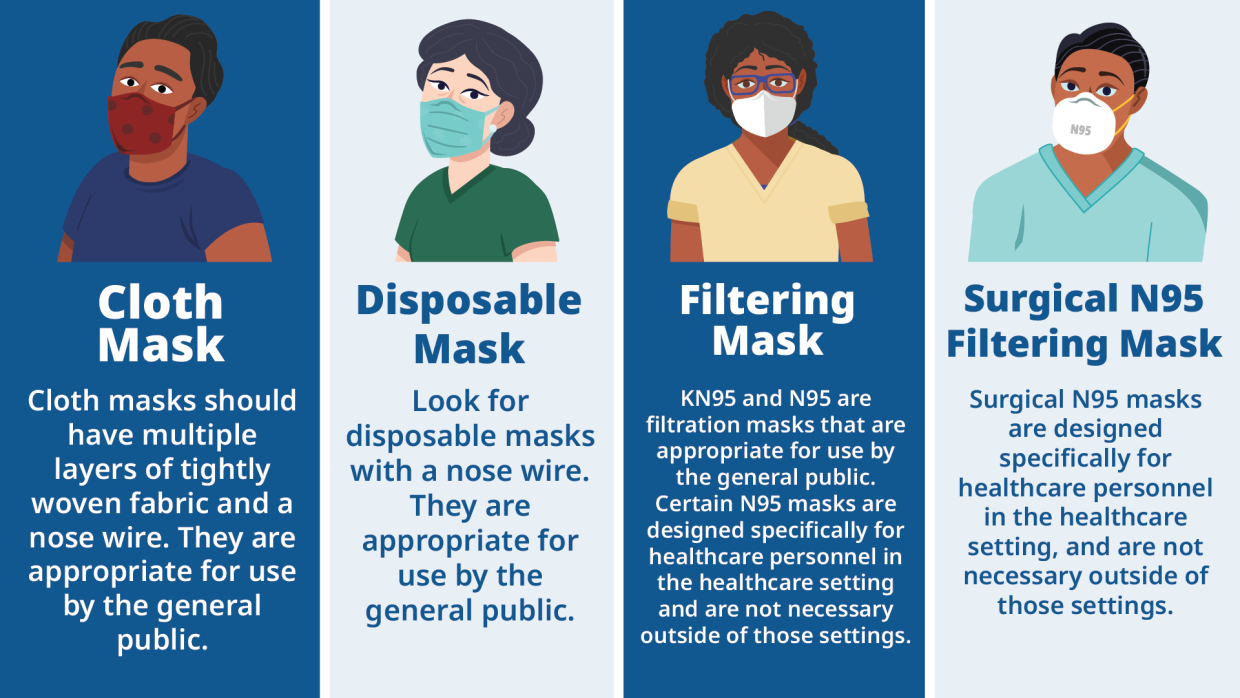
Use the warmest water safe for the fabric to wash clothes. Add regular detergent and consider a disinfectant if suitable. Dry clothes completely in a hot dryer or under the sun. Clean laundry baskets and washing machines regularly. Avoid mixing heavily soiled clothes with lightly used ones. Always wash reusable masks and work uniforms thoroughly after use.
Credit: www.mass.gov

Credit: sites.northwestern.edu
Frequently Asked Questions
How Long Can Coronavirus Live On Fabric?
Coronavirus can survive on fabric for up to 72 hours. However, its viability decreases significantly over time. The virus’s lifespan is influenced by factors like temperature and humidity. It’s advisable to wash clothing regularly to minimize risk.
Does Washing Clothes Kill Coronavirus?
Yes, washing clothes can kill coronavirus. Using detergent and water effectively removes the virus from fabric. For enhanced safety, wash clothes at higher temperatures. Adding disinfectant to the wash can further reduce viral presence.
Can Sunlight Kill Coronavirus On Clothes?
Sunlight can help kill coronavirus on clothes. UV rays from sunlight have disinfectant properties. However, direct exposure for an extended period is required. While effective, it’s not a substitute for proper washing.
Is It Safe To Touch Contaminated Clothing?
Touching contaminated clothing can pose a risk. The virus can transfer to your hands and potentially infect you. Always wash hands after handling clothing, especially if it’s suspected to be contaminated.
Conclusion
Corona virus can survive on clothing for a few hours to days. This depends on fabric type and environment. Washing clothes with soap and water removes the virus well. Drying clothes in sunlight helps kill germs faster. Avoid touching your face after handling clothes.
Regular cleaning and good hygiene keep you safer. Stay careful, but do not panic. Small steps make a big difference in stopping the spread. Keep your clothes clean and stay healthy every day.

