
Imagine finding yourself alone in the wild, where every choice you make can mean the difference between comfort and danger. One of the most important decisions you’ll face is what clothing to wear.
The right gear can protect you from harsh weather, insects, and rough terrain. But how do you pick the best clothes that will keep you safe and comfortable? You’ll discover exactly what clothing you should use to survive in the wild.
Keep reading, because knowing this could save your life when it matters most.
Choosing The Right Fabric
Choosing the right fabric for wild survival is crucial. The fabric affects comfort, safety, and how well you handle weather changes. Clothes must protect from cold, heat, rain, and rough terrain. This section explains what fabric qualities matter most.
Natural Vs Synthetic Materials
Natural fabrics like cotton, wool, and silk come from plants or animals. They feel soft and breathe well. Wool keeps warm even when wet. Cotton absorbs moisture but dries slowly. Synthetic fabrics, such as polyester and nylon, are made in labs. They dry quickly and resist water better. Synthetics also resist bugs and mold more than natural fibers.
Choosing between natural and synthetic depends on the environment. Wool is great for cold places. Synthetic fabrics work well in rainy or humid areas. Some clothes blend both for balanced benefits.
Breathability And Moisture Wicking
Breathable fabric lets air pass through. It stops overheating and sweating. Moisture-wicking fabric pulls sweat away from the skin. It helps keep the body dry and cool. Synthetic fabrics usually wick moisture better than natural ones. This feature lowers the risk of chills from wet clothes.
Good breathability and moisture management prevent skin irritation. They keep you comfortable during hard physical activity. Always choose fabrics that handle moisture well for long outdoor trips.
Durability And Tear Resistance
Durable fabrics last longer in the wild. They resist tears, holes, and rough use. Nylon and polyester are very strong and resist ripping. Natural fabrics like cotton tear more easily but can be repaired quickly. Reinforced stitching and tight weaves improve fabric strength.
Durability matters most when moving through dense forests or rocky areas. Tough fabric protects your skin from cuts and scrapes. Invest in clothing designed to withstand harsh conditions.
Layering For Protection
Layering your clothing is essential for surviving in the wild. It allows you to adapt quickly to changing weather and activity levels. The right layers keep you comfortable, dry, and protected from the elements.
Base Layers For Temperature Control
Your base layer sits directly on your skin, so it needs to manage moisture and regulate temperature. Avoid cotton; it traps sweat and makes you cold. Choose materials like merino wool or synthetic fabrics that wick moisture away and dry fast.
Think about the last time you felt chilled after sweating during a hike. A good base layer prevents that by keeping your skin dry. It’s your first defense against hypothermia and overheating.
Insulating Layers For Warmth
The insulating layer traps heat to keep you warm. Fleece, down, or synthetic insulation works well here. Down is lightweight and packs small, but synthetic fibers keep you warm even if wet.
Ask yourself: how cold do you expect to get? This helps decide how thick or thin your insulating layer should be. Too much warmth can make you sweat, while too little leaves you vulnerable to cold.
Outer Layers For Weather Defense
The outer layer shields you from wind, rain, and snow. Look for waterproof and breathable jackets with sealed seams. A good shell stops water but lets sweat escape, so you don’t get clammy inside.
Remember the last time your jacket soaked through? A reliable outer layer prevents that, keeping your inner layers dry and effective. It’s your final barrier against nature’s toughest conditions.
Essential Clothing Items
Choosing the right clothing is vital for survival in the wild. It protects your body from harsh weather and rough terrain. Essential clothing items help keep you safe, warm, and comfortable. They reduce the risk of injury and improve your chances of staying healthy.
Focus on clothing that offers durability and protection. Layers that can adapt to changing conditions are best. Each piece should serve a clear purpose to support your survival needs.
Sturdy Footwear And Socks
Strong footwear is key to moving safely through wild areas. Boots should have thick soles and good ankle support. They protect against sharp rocks, mud, and uneven ground. Waterproof boots prevent feet from getting wet, which avoids blisters and cold.
Socks matter just as much as boots. Choose thick, moisture-wicking socks to keep feet dry. Wool socks work well because they insulate and manage sweat. Always carry extra pairs to swap out if your feet get wet or dirty.
Protective Headgear
Headgear shields your scalp and face from sun, rain, and bugs. A wide-brim hat blocks harmful UV rays and prevents sunburn. It also keeps rain off your face and neck. In colder climates, a warm hat traps heat and stops body heat loss.
Choose headgear that fits well and stays on during movement. Lightweight and breathable materials increase comfort. Consider a hat with a chin strap for windy conditions.
Gloves And Hand Protection
Hands face many hazards in the wild. Gloves protect against cuts, scrapes, and cold. Durable gloves help when handling rough objects like branches or rocks. Insulated gloves keep fingers warm during cold weather.
Pick gloves made from tough yet flexible materials. They should allow good finger movement for tasks like building shelter or starting a fire. Carry an extra pair in case your gloves get wet or damaged.
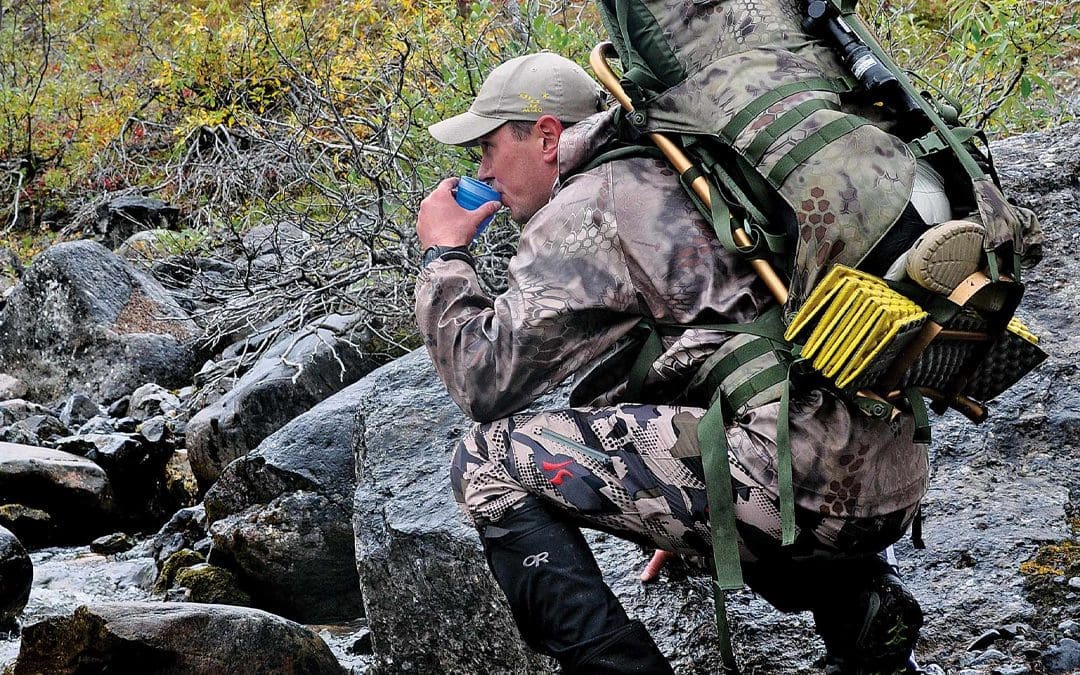
Credit: westernhunter.net
Adapting Clothing To Climate
Choosing the right clothing depends on the climate of the wild area. Clothing must protect from temperature changes and weather challenges. It helps keep the body safe and comfortable during survival situations. Adjusting clothing to fit the environment improves your chances of staying healthy and active.
Hot And Humid Conditions
Wear light, breathable fabrics that allow sweat to evaporate. Cotton and linen work well but dry slowly. Synthetic materials like polyester wick moisture faster. Loose-fitting clothes improve air circulation and reduce heat. Long sleeves and pants protect skin from sun and insects. A wide-brimmed hat shields the face and neck from sunburn.
Cold And Wet Environments
Layering is essential to stay warm and dry. Start with a moisture-wicking base layer to keep sweat off skin. Add insulating layers like fleece or wool to trap heat. A waterproof outer layer blocks rain and wind. Avoid cotton as it holds moisture and chills the body. Use hats, gloves, and scarves to protect extremities. Keep clothing snug but not tight to maintain warmth.
Arid And Windy Areas
Choose lightweight, tightly woven fabrics to block dust and sand. Long sleeves and pants protect skin from sunburn and wind abrasion. Cover your head with a scarf or hat to shield from sun and blowing particles. Breathable materials prevent overheating during the day. Layers help adjust to cold nights and hot days. Sunglasses protect eyes from bright sunlight and debris.
Maintaining And Repairing Gear
Maintaining and repairing your clothing in the wild is vital for survival. Clothes protect against weather, insects, and rough terrain. Damaged gear can cause discomfort or worse. Taking care of your clothes keeps them functional and extends their use. Simple maintenance skills help you stay safe and comfortable.
Cleaning Techniques In The Wild
Cleaning clothes removes dirt, sweat, and bacteria. Use water from a clean source if possible. Rub fabric gently to avoid damage. Avoid harsh soaps that harm fabric or skin. Sunlight helps dry and sanitize clothes quickly. Air drying prevents mildew and odors. Shake out clothes to remove dust and debris before washing.
Quick Fixes And Repairs
Tears and holes weaken clothing fast. Carry a small repair kit with needles, thread, and safety pins. Use thread to sew small rips tightly. Safety pins hold torn fabric temporarily. Patch bigger holes with extra fabric or duct tape. Fix zippers by gently realigning teeth or replacing sliders. Quick fixes keep clothes wearable until proper repairs are possible.
Extending Clothing Lifespan
Rotate clothes to reduce wear and tear. Avoid sitting on sharp rocks or rough surfaces. Dry wet clothes thoroughly to prevent mold. Store clothing inside a waterproof bag at night. Trim loose threads to stop further unraveling. Reinforce weak spots with extra stitching. Proper care helps your gear last longer in harsh conditions.
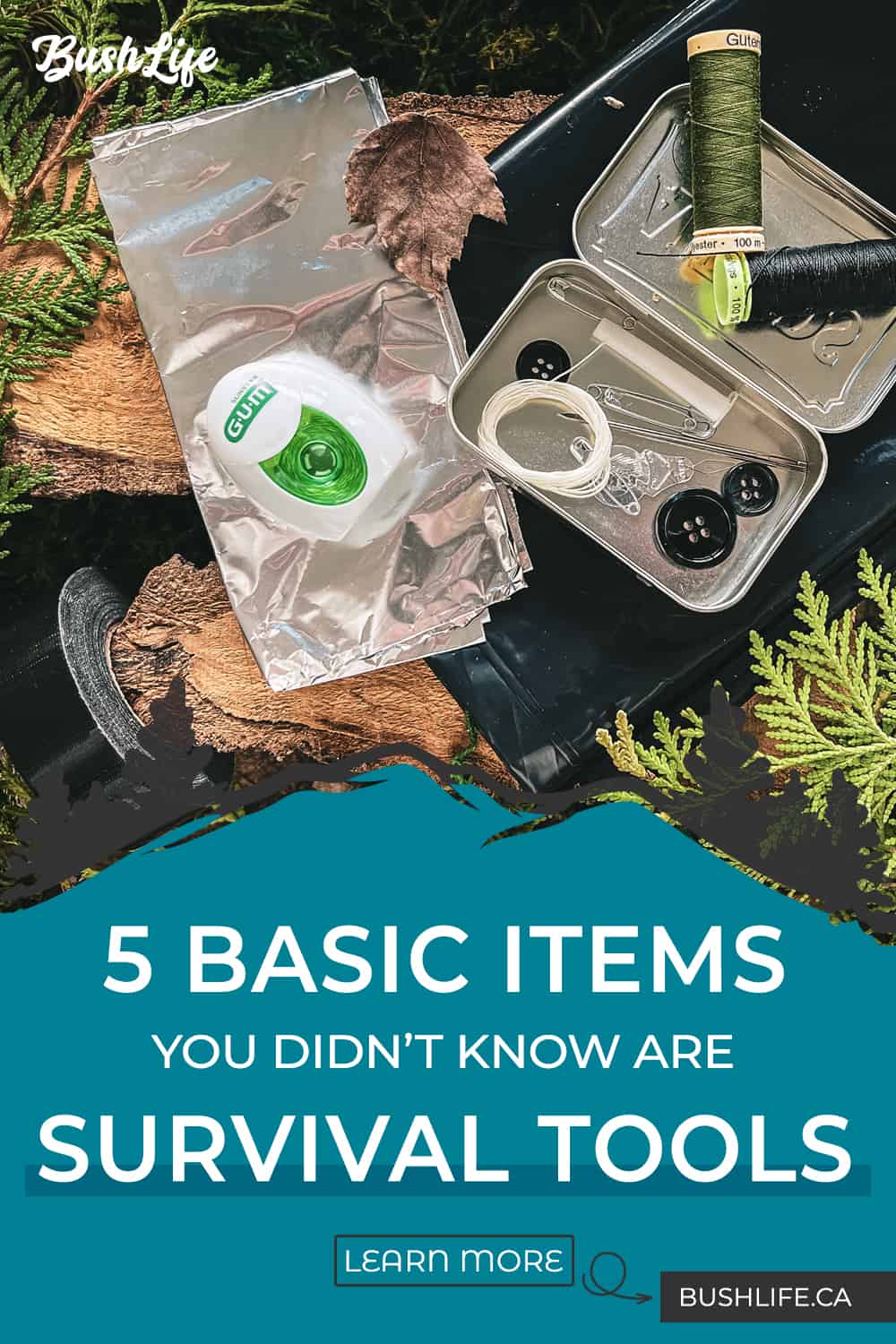
Credit: bushlife.ca

Credit: trueprepper.com
Frequently Asked Questions
What Fabrics Are Best For Wild Survival Clothing?
Natural fibers like wool and cotton offer breathability and insulation. Synthetic fabrics like polyester wick moisture and dry quickly. Choose clothing that balances comfort, durability, and weather protection for survival in the wild.
How To Layer Clothes For Wild Survival Effectively?
Layering starts with a moisture-wicking base layer, followed by an insulating middle layer, and a waterproof outer shell. This system regulates body temperature and protects against rain, wind, and cold while allowing flexibility.
Why Is Waterproof Clothing Essential In The Wild?
Waterproof clothing keeps you dry, preventing hypothermia and discomfort. It protects against rain, snow, and wet environments, ensuring warmth and safety during wild survival situations.
Can Clothing Color Affect Survival In The Wild?
Yes, neutral or camouflage colors help you blend with the environment, aiding stealth and safety. Bright colors improve visibility for rescue but may attract unwanted attention from wildlife.
Conclusion
Choosing the right clothes can save your life in the wild. Wear layers to stay warm and dry. Pick materials that dry fast and protect from bugs. Strong shoes help you walk on rough ground safely. A good hat shields you from sun and rain.
Simple gear, smart choices. Stay safe, stay comfortable, and be ready for nature’s challenges.

