
Have you ever wondered if RSV can stick around on your clothes? Understanding this can help you protect yourself and your loved ones from getting sick.
You might be surprised to learn how long RSV can survive outside the body and what that means for your daily routine. Keep reading to discover the facts about RSV on clothing and simple steps you can take to stay safe.

Credit: www.gianteagle.com
Rsv Basics
Understanding the basics of RSV is key to protecting yourself and your loved ones. RSV, or Respiratory Syncytial Virus, is more common than you might think, especially during colder months. Knowing what it is and how it spreads can help you take smarter steps to reduce your risk.
What Is Rsv
RSV is a virus that infects the respiratory tract, mainly in young children and older adults. It causes symptoms similar to a cold, such as coughing, sneezing, and a runny nose. Although often mild, RSV can lead to serious lung infections like bronchiolitis or pneumonia in vulnerable people.
Think about the last time you or a child in your family had a stubborn cough that just wouldn’t go away. That might have been RSV at work. It’s a virus that many people encounter early in life, but it can come back with varying severity.
How Rsv Spreads
RSV spreads easily through droplets when someone coughs or sneezes. It also lingers on surfaces, including clothes, toys, and doorknobs, where it can survive for several hours. This means touching a contaminated surface and then your face can pass the virus to you.
- Direct contact with an infected person’s saliva, mucus, or tears
- Touching objects or surfaces with the virus on them
- Close personal contact, like kissing or shaking hands
Have you ever noticed how quickly colds spread in a crowded room? RSV behaves the same way. Keeping your hands clean and avoiding touching your face can make a big difference. This raises a question: how often do you sanitize your clothes or shared surfaces during cold season?

Credit: trueprepper.com
Rsv On Fabrics
Respiratory Syncytial Virus (RSV) can linger on various surfaces, including fabrics. Understanding how long RSV survives on clothes helps reduce the risk of spreading. Fabrics can hold the virus for different times based on their material and environment. Knowing these details aids in better cleaning and prevention practices.
Survival Duration On Clothes
RSV can survive on clothes from a few hours up to several days. The virus lasts shorter on porous materials like cotton. On synthetic fabrics, RSV may survive longer due to less absorption. Temperature and humidity also affect how long the virus stays active on clothes.
Factors Affecting Rsv Lifespan
- Fabric Type:Natural fibers absorb moisture, reducing virus survival.
- Humidity:Higher humidity can help the virus survive longer on fabrics.
- Temperature:Cooler temperatures extend RSV’s lifespan on surfaces.
- Exposure to Sunlight:UV light can kill the virus quickly.
- Cleaning:Washing clothes with detergent removes or kills RSV effectively.
Risk Of Transmission From Clothes
Clothes can carry germs, but how much do they actually contribute to the spread of RSV (Respiratory Syncytial Virus)? Understanding the risk of transmission from clothing helps you take smart precautions without unnecessary worry. Let’s break down what the science and everyday experience reveal about this topic.
How Likely Is Infection
RSV primarily spreads through direct contact with respiratory secretions, like coughs or sneezes. The virus can survive on soft surfaces, including clothes, but usually only for a short time—often just a few hours.
Touching clothes contaminated with RSV and then touching your face could potentially cause infection. However, this route is less common compared to direct contact or airborne droplets.
Think about your own habits: how often do you touch someone else’s clothing and then immediately touch your eyes, nose, or mouth? This small detail makes a big difference in transmission risk.
Common Scenarios Of Spread
- Childcare Settings:Kids often hug or grab each other’s clothes, increasing the chance of RSV transfer through fabric.
- Healthcare Workers:Staff in hospitals may come into contact with contaminated gowns or scrubs, so frequent washing and changing are essential.
- Household Spread:Family members sharing laundry or bedding may unknowingly pass the virus if proper hygiene isn’t maintained.
Have you noticed how quickly RSV can sweep through a daycare or home? It’s usually the close contact and shared surfaces, not just clothes alone, driving the spread.
To reduce your risk, focus on regular hand washing after touching potentially contaminated clothing and avoid touching your face. Washing clothes in hot water and drying them thoroughly also helps eliminate lingering viruses.
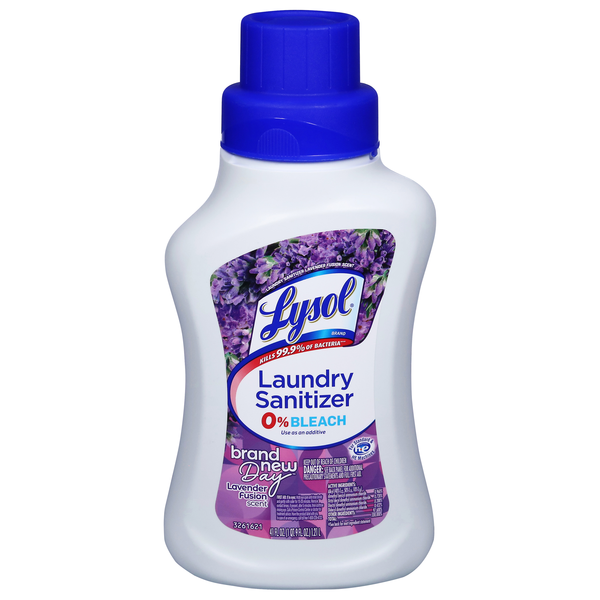
Credit: martinsfoods.com
Effective Cleaning Methods
Effective cleaning methods are essential to stop RSV from spreading through clothes. Proper cleaning removes viruses and keeps your family safe. Not all cleaning techniques work the same, so knowing the best ways helps protect your home.
Clothes can hold RSV for some time. Removing the virus requires washing and disinfecting clothes carefully. Washing alone may not kill all viruses, but certain detergents and temperatures help a lot.
Washing Techniques
Use warm water to wash clothes contaminated with RSV. The heat helps break down the virus. Set your washing machine to at least 140°F (60°C) if the fabric allows.
Choose a good detergent. Detergents with enzymes work well to remove viruses and dirt. Avoid washing clothes with cold water only. It may not remove RSV effectively.
Separate contaminated clothes from other laundry. This reduces the chance of spreading the virus. Use a full wash cycle and add an extra rinse for better cleaning.
Disinfectants For Clothes
Some disinfectants can kill RSV on clothes. Use products made for fabric disinfection. Check the label to ensure it kills viruses.
Common disinfectants include:
- Chlorine bleach (diluted properly)
- Hydrogen peroxide solutions
- Alcohol-based sprays safe for fabric
Use disinfectants carefully to avoid fabric damage. Test on a small area first. Follow the instructions for safe use and wait time before drying.
Preventive Tips
RSV, or respiratory syncytial virus, can survive on clothes for a limited time. This increases the chance of spreading the virus through contact. Taking simple steps helps keep clothes clean and reduces risk. Preventive tips focus on careful handling and lowering exposure to the virus on fabrics.
Handling Clothes Safely
- Wear gloves when handling clothes from sick individuals.
- Wash clothes in hot water to kill the virus.
- Use a strong detergent and dry clothes completely.
- Avoid shaking dirty clothes to stop virus particles from spreading.
- Clean laundry baskets and surfaces regularly.
Reducing Exposure Risks
- Keep sick persons’ clothes separate from others.
- Encourage frequent hand washing after touching clothes.
- Do not share towels, blankets, or clothes with infected people.
- Disinfect common areas where clothes are handled.
- Store clean clothes in a dry, clean place away from germs.
Frequently Asked Questions
Can Rsv Survive On Clothes For Hours?
Yes, RSV can survive on clothes for several hours. The virus remains infectious on fabric surfaces, increasing transmission risk through contact.
How Long Does Rsv Live On Fabric Surfaces?
RSV can live on fabric surfaces up to 6 hours. Survival varies based on temperature and humidity conditions.
Can Touching Clothes Spread Rsv Infection?
Touching contaminated clothes can spread RSV if you then touch your face. Proper hand hygiene reduces this risk significantly.
What Is The Best Way To Disinfect Clothes From Rsv?
Washing clothes in hot water with detergent effectively removes and kills RSV. Drying on high heat also helps eliminate the virus.
Conclusion
RSV can live on clothes for a short time. This means germs can spread through touch. Washing clothes often helps remove the virus. Avoid sharing clothes when someone is sick. Clean hands reduce the chance of catching RSV. Stay careful, especially around babies and older adults.
Taking simple steps keeps everyone safer and healthier. Small actions make a big difference in stopping RSV spread.

