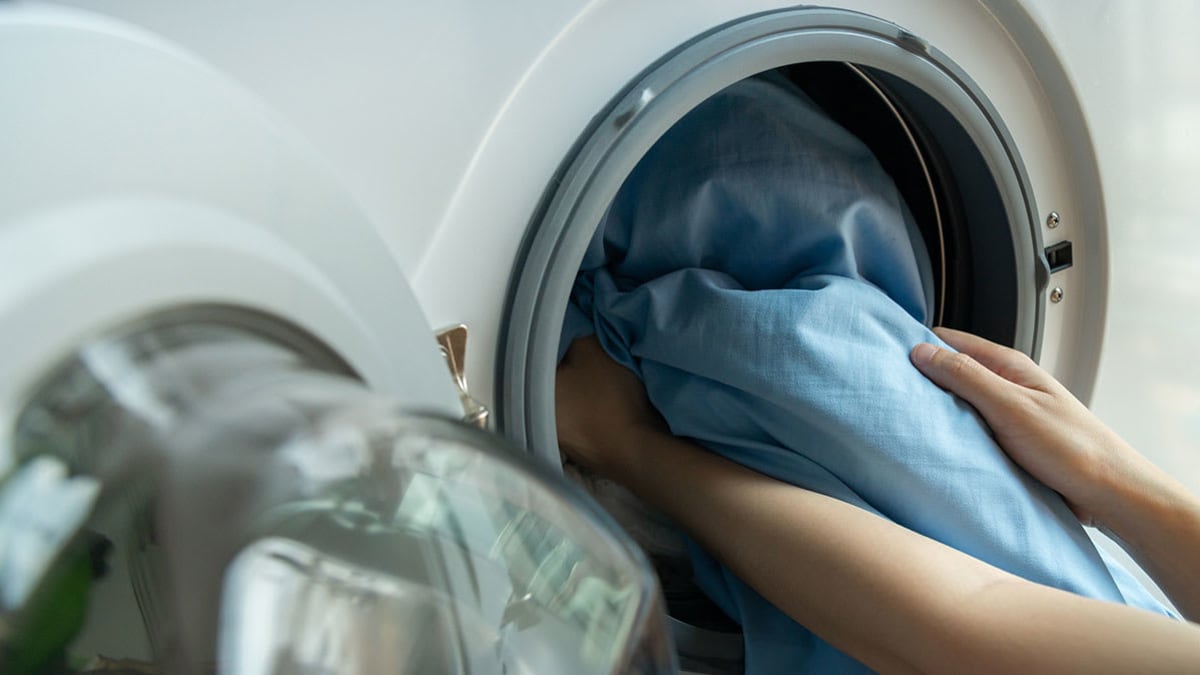
Have you ever wondered how long viruses can hide on your clothes? It’s a question that matters more than you might think.
Your clothes come into contact with many surfaces and people every day. Knowing how long viruses can survive on fabric helps you protect yourself and your loved ones better. You’ll discover simple facts that could change how you handle your laundry and stay safe.
Keep reading to find out what really happens to viruses on your clothes—and what you can do about it.
Credit: health.clevelandclinic.org
Virus Lifespan On Fabrics
Understanding how long viruses can survive on fabrics is essential for managing hygiene in everyday life. Clothes often come into contact with various environments, making them potential carriers of germs. Knowing the lifespan of viruses on different fabrics can help you make smarter choices about washing, handling, and storing your garments.
Factors Influencing Survival
The survival time of viruses on clothes depends on several key factors. Fabric type plays a major role; smoother materials like polyester may allow viruses to live longer than porous fabrics like cotton. Temperature also affects virus lifespan—colder conditions tend to preserve viruses for extended periods.
Humidity matters too. Viruses generally survive longer in moist environments compared to dry ones. The amount of virus initially deposited and exposure to sunlight or disinfectants can dramatically reduce survival time. Have you noticed how sunlight seems to refresh your clothes? That’s not just your imagination—UV light can break down viruses quickly.
Common Viruses And Their Durations
| Virus | Typical Survival Time on Fabrics | Notes |
|---|---|---|
| Influenza (Flu) | 8 to 12 hours | Often survives longer on synthetic fabrics |
| Common Cold (Rhinovirus) | 2 to 12 hours | Prefers dry, cool fabrics |
| Coronavirus (SARS-CoV-2) | 2 hours to 3 days | Shorter lifespan on porous materials like cotton |
| Norovirus | Up to 12 days | Highly resilient, especially on synthetic blends |
Seeing these numbers, you might wonder how often you should wash your clothes after being in public spaces. If you’ve been somewhere crowded, changing and washing your garments promptly can cut down the risk of virus transmission. What habits can you change today to keep your wardrobe safer?
Material Types And Virus Persistence
Understanding how different fabric materials affect virus survival can help you make smarter choices about your clothing and laundry habits. Viruses don’t behave the same way on every type of cloth. Some materials can hold onto viruses longer, while others cause them to die off faster.
Natural Fibers Vs Synthetic Fibers
Natural fibers like cotton, wool, and linen tend to absorb moisture quickly. This moisture can create an environment that may either protect viruses or cause them to dry out and die faster. Cotton, for instance, often shows shorter virus survival times because it absorbs and evaporates moisture quickly.
Synthetic fibers such as polyester, nylon, and acrylic usually repel water and hold less moisture. This dryness can sometimes help viruses survive longer on the fabric’s surface. You might notice that sportswear made from synthetic materials can feel dry but potentially allow viruses to persist more than natural fibers.
Have you ever wondered why your gym clothes seem to hold odors longer? That stickiness can be a sign of trapped moisture and microbes, including viruses, lingering on synthetic fabrics.
Impact Of Fabric Texture
The texture of fabric plays a big role in virus persistence. Smooth and tightly woven fabrics provide fewer hiding spots for viruses, making them easier to remove during washing. On the other hand, rough or loosely woven textures can trap viral particles more effectively.
Think about a soft fleece sweater versus a smooth silk blouse. The fleece’s fuzzy surface can hold particles longer, while the silk’s smooth surface tends to shed viruses more quickly.
When choosing clothes, consider not just the material but how the fabric feels and looks up close. Does it trap dirt and dust easily? That might also mean it traps viruses.
Environmental Conditions
Environmental conditions play a crucial role in determining how long viruses can survive on clothes. The right mix of temperature, humidity, and sunlight exposure can either speed up the virus’s breakdown or help it linger longer. Understanding these factors can help you take practical steps to reduce risks in your daily life.
Temperature Effects
Viruses generally survive longer on fabrics when the temperature is lower. Cold environments slow down the breakdown of viral particles, allowing them to remain infectious for days. Think about winter clothes left in a cold room—viruses can stick around much longer than on summer outfits stored in warm places.
On the other hand, higher temperatures tend to deactivate viruses faster. Washing clothes in hot water and drying them thoroughly can significantly reduce viral survival. Have you ever noticed how a hot wash cycle feels more effective at cleaning? It’s not just your imagination—it’s science.
Humidity Levels
Humidity has a surprising impact on virus survival. Low humidity can help viruses stay stable and infectious on clothes, while higher humidity levels often lead to faster virus degradation. This means dry indoor heating in winter could unintentionally extend virus lifespan on your garments.
Balancing humidity in your home or workplace could be a simple way to reduce viral risks. Using a humidifier during dry months might not only make breathing easier but also help limit how long viruses hang around on your fabrics. Have you tried adjusting humidity levels to improve your indoor environment?
Sunlight And Uv Exposure
Sunlight, especially ultraviolet (UV) rays, is one of the most effective natural ways to kill viruses on clothes. UV light damages the virus’s genetic material, making it unable to infect. Hanging your clothes outside on a sunny day can be an easy and chemical-free way to reduce viral presence.
However, not all sunlight is equally effective. Direct, strong sunlight provides the best disinfection, while shaded or indoor light has little impact. Next time you’re drying your laundry, consider the power of that bright sun—it’s working harder than you might think to keep your clothes safer.

Credit: www.army.mil
Safe Handling Of Contaminated Clothes
Handling clothes that might carry viruses requires careful attention to prevent spreading germs. Your clothes can hold viruses longer than you expect, so knowing the right steps to wash and disinfect them is crucial. Let’s look at practical ways to keep your laundry safe and virus-free.
Washing Guidelines
Use the warmest water safe for your fabric. Hot water helps kill viruses more effectively than cold. If you’re unsure, check the care label on your clothes before washing.
Add a good quality detergent and avoid overloading the machine. This ensures all clothes get enough friction and water movement to break down virus particles.
Wear gloves if you suspect heavy contamination, like after caring for a sick person. This prevents the virus from sticking to your hands and spreading to other surfaces.
Drying And Disinfection Methods
Dry your clothes completely using a high heat setting if possible. Heat from dryers can destroy viruses that survive washing.
If you don’t have a dryer, air dry clothes in direct sunlight. UV rays can help reduce virus presence, but make sure the fabric dries fully.
You can also add disinfectants safe for fabrics during washing or use sprays made for textiles. However, test these on a small area first to avoid damage.
Have you ever thought about how often your laundry routine might miss killing viruses? Adjusting these small habits can make a big difference in your home’s hygiene.
Preventive Measures For Clothing
Clothing can carry viruses for hours or days, depending on the fabric and environment. Taking the right steps helps reduce the risk of virus spread through clothes. Simple habits and protective gear play a key role in keeping you safe.
Protective Gear And Barriers
Wearing protective gear creates a barrier between your clothes and viruses. Use these tips to lower exposure risk:
- Wear masks to cover your nose and mouth in crowded places.
- Use gloves when handling dirty or possibly contaminated clothing.
- Choose outerwear made of materials that block droplets well.
- Change clothes immediately after returning from public areas.
Routine Cleaning Practices
Regular cleaning keeps viruses off your clothes. Follow these easy steps:
- Wash clothes in hot water, at least 60°C (140°F), to kill viruses.
- Use regular laundry detergent; it breaks down virus particles.
- Dry clothes completely in a dryer or under direct sunlight.
- Avoid shaking dirty clothes to prevent spreading virus particles in the air.
- Disinfect laundry baskets and washing machines often.
Myths And Facts About Virus Transmission Via Clothes
Understanding how viruses survive on clothes is crucial, especially when misconceptions can lead to unnecessary worry or careless habits. Many myths float around about virus transmission via fabrics, causing confusion about what really puts you at risk. Let’s clear the air by separating facts from fiction so you can protect yourself and your loved ones effectively.
Viruses Can Live On Clothes, But Not Indefinitely
It’s true that viruses can survive on fabric surfaces for some time, but they don’t last forever. The survival time depends on the type of virus and fabric material. For example, some viruses may survive a few hours, while others might last up to a day or two under ideal conditions.
I once worried about my jacket after being in a crowded place. Learning that most viruses lose their ability to infect quickly on porous surfaces like clothes helped ease my concerns. This means that while it’s good to be cautious, you don’t need to obsessively disinfect your entire wardrobe daily.
Washing Clothes Properly Eliminates Most Viruses
Many people think that viruses on clothes can’t be removed without harsh chemicals. The fact is, washing your clothes with regular detergent and warm water is enough to kill most viruses. Adding bleach can help with disinfecting, but it’s not always necessary for everyday laundry.
Think about how you wash your clothes after a gym session or a cold. You don’t need special products to get rid of germs effectively. Simple, consistent laundry habits protect you better than overcomplicating the process.
Touching Clothes Is Less Risky Than You Think
Some believe that just touching clothes contaminated with viruses will infect them immediately. The truth is, virus transmission requires the virus to enter your body, usually through your mouth, nose, or eyes. Simply touching clothes is less risky if you avoid touching your face afterwards.
For instance, when you grab your jacket, washing your hands afterward is a practical step. This small habit reduces the chance of transferring any germs from fabric to your face. It’s a simple but effective way to stay safe without living in fear of your own wardrobe.

Credit: www.universityhealth.com
Frequently Asked Questions
How Long Can Viruses Survive On Clothes?
Viruses can survive on clothes from a few hours up to several days. The duration depends on virus type, fabric, and environment. Porous fabrics usually reduce virus survival time compared to smooth surfaces. Proper washing and drying effectively remove or kill viruses on clothes.
Do Different Fabrics Affect Virus Survival Time?
Yes, fabric type impacts virus survival. Porous materials like cotton absorb moisture and reduce virus lifespan. Synthetic fabrics may allow viruses to survive longer due to less absorption. Environmental factors such as humidity and temperature also influence how long viruses live on fabrics.
Can Washing Clothes Kill Viruses Effectively?
Washing clothes with detergent and hot water effectively kills most viruses. Use water temperatures above 60°C (140°F) for better results. Adding bleach for white fabrics further ensures virus elimination. Proper drying, especially in sunlight, also helps inactivate viruses on clothing.
Is It Safe To Handle Clothes From Infected Individuals?
Handling clothes from infected individuals requires caution. Wear gloves and avoid shaking clothes to prevent virus spread. Wash clothes promptly using hot water and detergent. Dry thoroughly and disinfect laundry areas to minimize risk of contamination.
Conclusion
Viruses can stay on clothes for hours to days, depending on the type. Clean clothes regularly to reduce risk. Drying clothes in sunlight helps kill viruses faster. Avoid touching your face after handling worn clothes. Wash hands well after touching any fabric.
Staying careful keeps you and others safer. Simple habits make a big difference in stopping germs. Keep your clothes clean and stay healthy every day.


