
Have you ever wondered if the coronavirus can live on your clothes? You might worry about how safe your outfits really are after a day out or a trip to the store.
Knowing the truth can help you protect yourself and your loved ones better. You’ll discover how long the virus can survive on different fabrics and what simple steps you can take to keep your clothing safe. Keep reading to clear up common fears and learn practical tips that make a real difference.

Credit: www.goodrx.com
Virus Survival On Fabrics
The survival of coronavirus on fabrics has practical implications for your daily life. Understanding how long the virus can remain infectious on different types of clothing helps you make safer choices about handling laundry and touching surfaces. Let’s dive into what research shows about virus survival on various fabrics and what conditions affect this timeline.
Types Of Fabrics Tested
Studies have looked at common fabrics like cotton, polyester, and blends to see how long the coronavirus can survive. Cotton, a natural fiber, tends to absorb moisture quickly, which can reduce virus survival time. On the other hand, synthetic fabrics like polyester often hold moisture on the surface, potentially allowing the virus to last longer.
You might wonder whether your favorite hoodie or work shirt is safer. Research suggests that the virus survives shortest on breathable, natural fabrics compared to dense synthetics. This means your cotton t-shirts could be less of a risk than polyester workout gear.
Duration Of Virus Viability
The coronavirus does not live indefinitely on fabrics. In many cases, it becomes undetectable within a few hours to a day. For example, on cotton, the virus can lose viability within 6 to 12 hours, while on polyester, it might survive up to 24 hours or more under certain conditions.
Think about this when deciding how often to wash your clothes after being in public spaces. If you’ve worn a jacket made of synthetic material, it might be wise to wash it sooner than a cotton shirt. Small actions like this can reduce your risk without adding hassle.
Environmental Factors Impacting Survival
Temperature, humidity, and sunlight all play a significant role in how long the virus survives on fabric. Higher temperatures and direct sunlight can shorten the virus’s lifespan drastically. Conversely, cool and humid environments may allow it to linger longer.
Have you noticed how your damp clothes in a cool room sometimes smell musty after a day? That same moisture can help the virus survive longer. This means drying your clothes thoroughly and storing them in a warm, dry place can make a big difference in reducing risk.
Transmission Risks From Clothing
Understanding how the coronavirus spreads through clothing is important for staying safe. Clothing can carry the virus, but its role in transmission is different from other surfaces. The risk depends on several factors like the type of fabric and contact duration. Examining these helps clarify how likely transmission from clothing really is.
Contact Transmission Potential
The virus spreads mainly by droplets and direct contact. Clothing can catch droplets from coughs or sneezes. Touching contaminated fabric and then touching the face may spread the virus. Yet, the virus does not survive long on most fabrics. Porous materials like cotton absorb droplets quickly, reducing the virus’s lifespan. Smooth fabrics may hold the virus longer but still less than hard surfaces. The chance of infection lowers with time and proper hygiene.
Real-world Exposure Scenarios
Everyday situations show low risk of virus transmission from clothes. Brief contact, like shaking hands over a sleeve, rarely causes infection. Healthcare workers who wear protective gear must follow strict cleaning routines. Clothes worn in public places can carry germs but washing removes them effectively. Shared laundry facilities might pose some risk if clothes mix. Avoid touching your face after handling clothes from outside. Washing clothes at high temperatures kills most viruses.
Effective Cleaning Methods
Keeping your clothes clean is more important than ever in the fight against coronavirus. Understanding how to effectively clean your clothing can reduce the risk of virus survival on fabrics. Let’s look at practical ways you can make your laundry routine safer and more effective.
Washing Temperatures And Detergents
Washing clothes at higher temperatures helps kill viruses more effectively. Aim for water temperatures of at least 60°C (140°F) when possible. If your fabric care label allows, hot water combined with regular detergent can break down the virus’s protective layer.
Detergents play a key role by loosening dirt and oils where viruses may hide. Using a good quality detergent with surfactants can improve virus removal. Have you noticed how your clothes feel fresher after a thorough wash? That’s partly because the detergent removes more than just stains.
Use Of Disinfectants On Fabrics
Adding disinfectants to your laundry can provide an extra layer of protection. Products containing bleach or hydrogen peroxide are often effective, but always check your garment’s care instructions first. Some colors and fabrics may fade or get damaged.
Disinfectant sprays designed for fabrics are another option for items that can’t be washed frequently. Have you tried spraying your jacket or handbag after a day out? This small step can reduce viral particles on surfaces you touch often.
Drying And Ironing Effects
Heat from drying and ironing can help eliminate viruses left on clothing. Using a tumble dryer on a hot setting is better than air drying if you want to ensure more thorough virus removal. The heat dries out and breaks down viral particles.
Ironing can also add an extra kill step for viruses, especially on thicker or delicate fabrics. Press the iron firmly and slowly over the material, focusing on seams and areas that might trap particles. Have you noticed how your clothes feel crisper and cleaner after ironing? That’s not just aesthetics—it’s also a hygiene boost.

Credit: www.goodrx.com
Precautions For Handling Clothes
Handling clothes during the coronavirus pandemic requires extra care to reduce any risk of virus transmission. Even though the virus doesn’t survive long on fabrics, certain precautions can protect you and those around you. Paying attention to how you handle, wash, and store clothing can make a big difference in safety.
Guidelines For Laundry Handling
Always wash clothes as soon as possible after wearing them in public or around others who might be sick. Use the warmest water setting safe for the fabric to help kill any lingering virus particles. Adding regular detergent is effective; you don’t need special disinfectants for laundry.
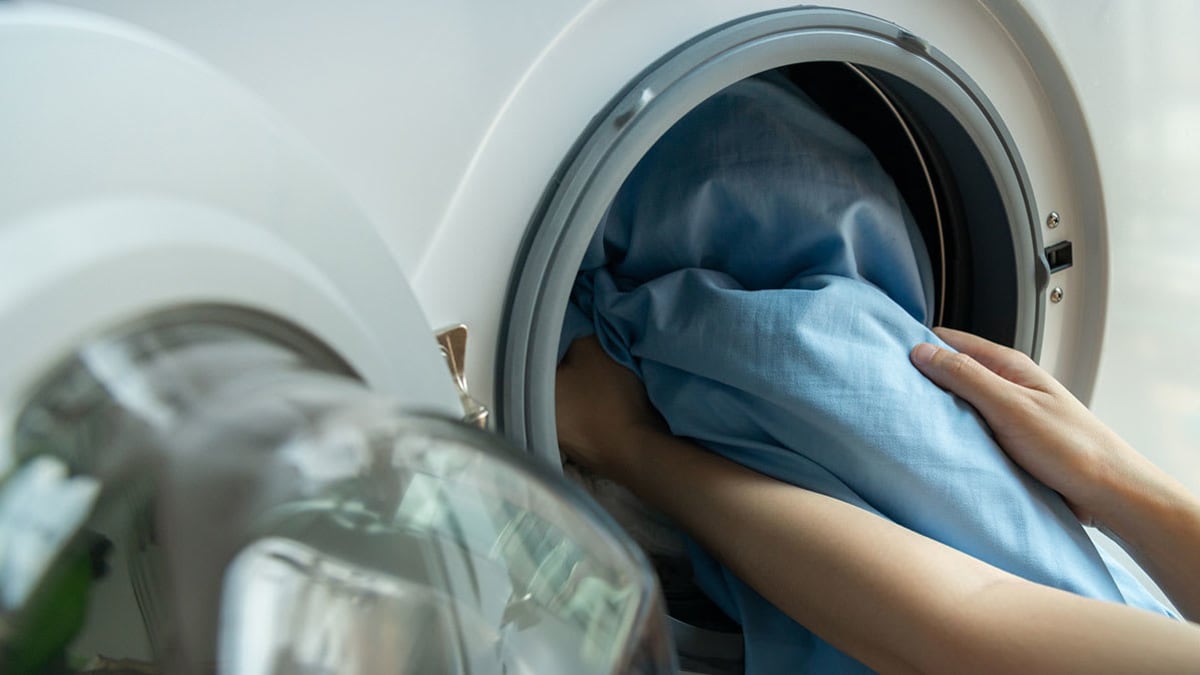
Handle dirty laundry carefully to avoid shaking it, which can spread virus particles through the air. Instead, place clothes gently into the washing machine. If you’re worried about contamination, wash your hands immediately after handling dirty clothes.
- Separate clothes worn outside from other laundry
- Dry clothes completely on high heat if the fabric allows
- Clean laundry baskets regularly with disinfectant
Protective Measures For Caregivers
If you care for someone who is sick, wearing disposable gloves while handling their laundry adds a layer of protection. Avoid touching your face during the process, and dispose of gloves immediately after use. Washing your hands thoroughly afterward is critical to stop virus spread.
Consider designating a specific laundry area for sick individuals to minimize cross-contamination. This small step can keep other household members safer. Have you thought about how your laundry habits might affect your family’s health?
Protecting yourself while managing clothes is not just about the virus; it’s about peace of mind. Simple steps, like changing clothes right after returning home and washing hands regularly, build a safer environment for everyone.
Myths And Facts About Clothing And Coronavirus
Many people worry about the coronavirus surviving on clothing. Myths spread fast, causing confusion and fear. Understanding facts helps us stay calm and safe. This section clears up common myths and shows what science says about the virus and clothes.
Common Misconceptions
- The virus can live on clothes for days, infecting people.
- Wearing the same clothes all day increases infection risk.
- Washing clothes is not necessary if you stay home.
- Drying clothes outside kills the virus completely.
- Only hospital-grade disinfectants can clean clothes well.
Scientific Findings Vs. Public Beliefs
Research shows the virus does not live long on fabric. It breaks down faster on soft surfaces than on hard ones. The risk of catching the virus from clothes is very low.
Washing clothes with regular detergent removes the virus effectively. Hot water helps but cold water also works well. Drying clothes in a machine reduces any remaining virus.
Outside air and sunlight can reduce virus survival on fabrics. Still, clean clothes regularly, especially after public exposure. Avoid touching your face with unwashed hands after handling clothes.
Credit: www.consumerreports.org
Frequently Asked Questions
How Long Does Coronavirus Survive On Clothing?
The coronavirus can survive on clothing for a few hours up to two days. Survival depends on fabric type and environmental conditions like temperature and humidity.
Can Washing Clothes Kill Coronavirus Effectively?
Yes, washing clothes with detergent and hot water (above 60°C) kills the coronavirus. Proper drying further reduces any virus presence on fabrics.
Is It Safe To Handle Clothes Of An Infected Person?
Handle clothes carefully and avoid shaking them. Wash hands immediately after handling contaminated clothes to reduce infection risk.
Does Coronavirus Spread Through Touching Clothes?
Coronavirus transmission through clothes is possible but less common. The virus spreads mainly via respiratory droplets, not fabric contact.
Conclusion
Coronavirus does not live long on clothing surfaces. Washing clothes with detergent helps remove the virus. Drying clothes in the sun or dryer also reduces risk. Avoid touching your face after handling dirty clothes. Staying clean and careful keeps you safer from the virus.
Small steps make a big difference in stopping spread. Keep your clothes clean and stay healthy every day.


